


- Home/
- Chest Feeling Heavy In Winter? Doctor Says It's Not Just Cold Air
Chest Feeling Heavy In Winter? Doctor Says It's Not Just Cold Air
Written by Shreya Goswami | Updated: January 02, 2026 14:00 IST

Apart from a cold or lung congestion, chest pain can suggest other problems too
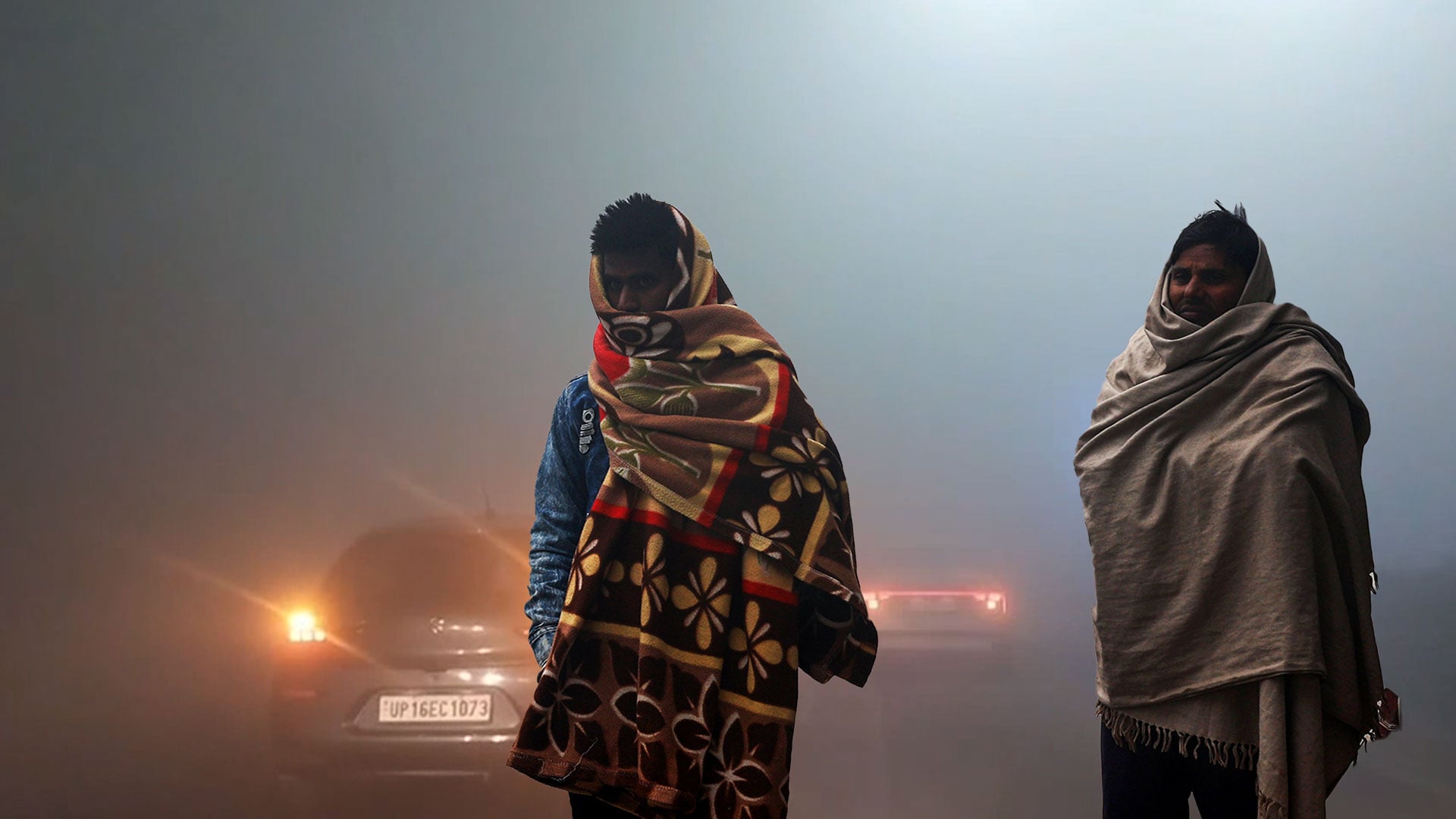
As temperatures drop, complaints of chest heaviness in winter rise sharply. Many people describe it as a feeling of pressure, tightness or weight on the chest, often accompanied by difficulty taking deep breaths. While cold weather is commonly blamed, doctors caution that this symptom should not be brushed aside as a seasonal discomfort. According to health experts, winter brings a unique mix of environmental and physiological stressors, cold, dry air, higher pollution levels, and a surge in respiratory infections, that can all contribute to chest discomfort.
However, chest heaviness is not always limited to the lungs. It can also stem from heart-related conditions, anxiety, musculoskeletal strain or even digestive problems like acid reflux. Globally, cardiovascular and chronic respiratory diseases remain leading causes of morbidity, and symptoms such as chest pressure can sometimes be early warning signs. The World Health Organization (WHO) notes that respiratory infections and air pollution peak in colder months in many regions, increasing the burden on vulnerable individuals.
Understanding why chest heaviness occurs in winter, who is most at risk, and when to seek medical help is crucial. Experts stress that early recognition and appropriate care can prevent serious complications and improve outcomes.
Why Chest Heaviness Increases In Winter
Explaining the phenomenon, Dr Vikas Maurya, Senior Director & HOD, Department of Pulmonology & Sleep Disorders, Fortis Hospital, Shalimar Bagh, Delhi, says: "Chest heaviness is a common complaint during the winter months and is often described as a sensation of pressure, tightness, or weight over the chest... While cold weather is frequently blamed, chest heaviness can be influenced by multiple factors and should not be ignored."
Cold and dry air can irritate the airways and cause bronchial constriction, making breathing more difficult, especially for people with asthma or chronic obstructive pulmonary disease (COPD). The WHO explains that cold exposure can worsen bronchospasm and airway inflammation in susceptible individuals, increasing respiratory symptoms during winter.
In addition, winter often sees a rise in flu and common cold infections, leading to chest congestion and mucus build-up. Dr Maurya notes, "The rise in flu and common cold cases during winter often leads to chest congestion, which can add to the feeling of heaviness."
Air pollution, which tends to worsen in many Indian cities during winter due to temperature inversion, further irritates the lungs. According to the WHO, exposure to fine particulate matter (PM2.5) is strongly linked to respiratory inflammation and increased hospital admissions.
It's Not Always The Lungs
Chest heaviness can also be linked to non-respiratory causes. "Chest heaviness may be linked to anxiety or stress, respiratory conditions such as asthma, COPD, or pneumonia, and cardiac issues including angina or heart attack," Dr Maurya explains. "Musculoskeletal causes like muscle spasms and gastrointestinal problems such as acid reflux or indigestion can also lead to similar sensations."
The Centers for Disease Control and Prevention (CDC) highlights that anxiety and panic attacks can cause chest tightness and shortness of breath, symptoms that often mimic heart or lung disease. Similarly, the WHO notes that ischemic heart disease may present as chest pressure rather than sharp pain, especially in older adults.
Who Is More Vulnerable In Winter?
Certain groups are more likely to experience chest heaviness during colder months. According to Dr Maurya, "People with pre-existing conditions such as asthma, COPD, heart disease, or high blood pressure are at higher risk." Older adults may be affected due to age-related decline in lung function, while smokers are particularly vulnerable because smoking damages the lungs' ability to cope with cold air and pollutants.
The WHO also identifies older adults, people with chronic diseases, and those exposed to high pollution as high-risk groups for winter-related respiratory complications.
Warning Signs That Need Urgent Care
Chest heaviness should never be ignored when accompanied by red-flag symptoms. "Chest heaviness accompanied by shortness of breath, fainting, pain radiating to the arms, neck, or jaw, excessive sweating, or nausea requires urgent medical attention," Dr Maurya warns.
Such symptoms may indicate serious conditions like a heart attack or severe respiratory distress, requiring immediate evaluation.
How To Reduce Chest Heaviness In Winter
Several preventive measures can help. "Staying well hydrated helps thin out mucus... Using a humidifier adds moisture to dry indoor air," says Dr Maurya.
The WHO supports maintaining adequate hydration and indoor air quality to protect respiratory health.
Steam inhalation, warm compresses, slow deep breathing, and elevating the head while sleeping can also ease symptoms. People with chronic illnesses should continue prescribed inhalers or heart medications and avoid sudden exposure to cold air or heavy exertion.
Chest heaviness in winter is not just about cold weather, it can be a signal from the lungs, heart, mind or digestive system. As Dr Maurya emphasises, "Chest heaviness should never be dismissed as merely a seasonal inconvenience." Timely medical consultation, especially when symptoms are persistent or severe, is essential to identify the cause and ensure safe, effective treatment.
Disclaimer: This content including advice provides generic information only. It is in no way a substitute for a qualified medical opinion. Always consult a specialist or your own doctor for more information. NDTV does not claim responsibility for this information.
Published: January 02, 2026 12:42 IST
also read
Mumbai Pollution Linked To 57% Of Lung Cancer Cases: Maharashtra Government Warns of Health Crisis
Written by Shreya GoswamiInside Bengal's 800-Km "Green Wall" Along Jharkhand Border To Fight Air Pollution
Reported by Rittick MondalUnited Nations Approves First Carbon Credits Under Paris Agreement
Agence France-Presse
 Written by Shreya Goswami | Friday February 27, 2026
Rising air pollution in Mumbai is now being linked to 57% of lung cancer cases, the Maharashtra government told the state assembly.
- Reported by Rittick Mondal | Thursday February 26, 2026 , Kolkata
The Mamata Banerjee-led government plans to set up an 800-km long greeen corridor, which will work as a "bioshield" - a forested area that would act as a "Green Wall" - along the Jharkhand border to intercept pollutants entering Bengal.
- Agence France-Presse | Thursday February 26, 2026 , Paris
The United Nations announced the approval of the first carbon credits under a global market aimed at reducing emissions, a mechanism that has faced scrutiny over greenwashing concerns.
- Wednesday February 25, 2026 , New Delhi
Air pollution is a concern not just for Mumbai but for countries and cities around the world, Maharashtra Environment Minister Pankaja Munde told NDTV Wednesday, after the city woke this morning to a blanket of smog for an eighth straight day.
- Reported by Radhika Ramaswamy | Thursday February 26, 2026 , Mumbai
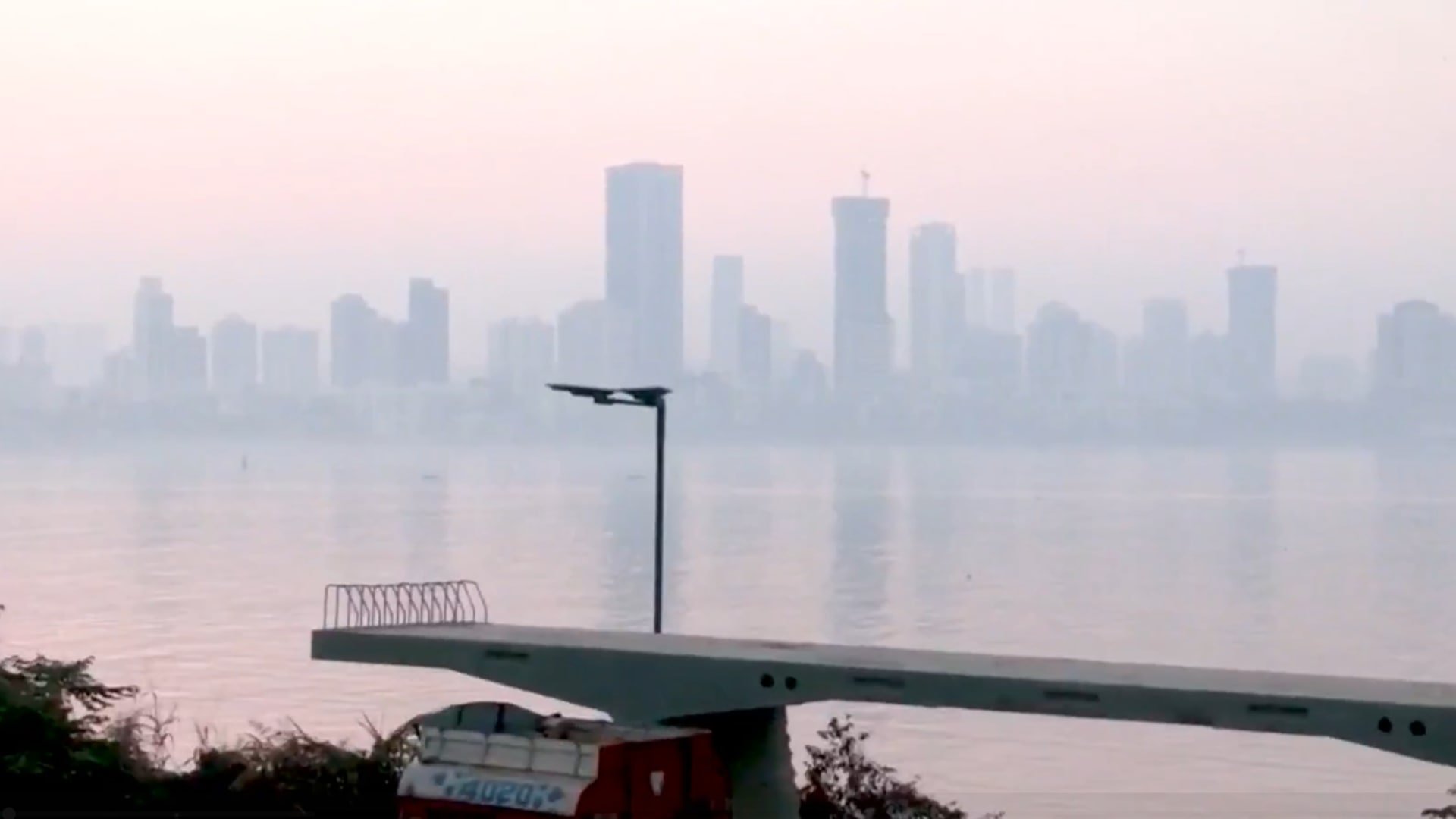
Mumbai woke up to yet another blanket of haze on Tuesday morning, with a grey veil hanging over the skyline from Bandra to South Mumbai.


................................ Advertisement ................................
Blog | Well Done, Delhi. You've Turned Lung Sacrifice Into A Badge Of HonourSaikat Kumar Bose
Monday November 10, 2025Till some years back, Delhiites would ask angry questions to those in power about the capitals annual tryst with toxic air. This has changed. Those in the driving seat dont see the need to answer now.
Opinion | Why Indians Have Just Given Up On Air Pollution CrisisTanushree Ganguly
Friday December 20, 2024While some may argue that people in Delhi are now more aware of air pollution than they were a decade back, my rebuttal would be that awareness does not mean that people are concerned.
Opinion | You Must Outrage Over Filthy Air More Than Once A YearJyoti Pande Lavakare
Tuesday December 10, 2024Delhi welcomed us with monsoon rains and mangos. We were home. Fast forward a couple of years, in the winter of 2012, I found myself in denial about something other parents, mostly expats, were calling toxic air.
Opinion | Delhi's Air Pollution Situation Is Like A Bad MarriageNishtha Gautam
Friday November 22, 2024On a good day, such as today, the AQI reading in Delhi is 407. We are jubilant at the sickly sunshine trickling through the slightly dissipated smog. At least its not 1600.
दिवाली... पराली... सियासी जुगाली!Ashwini kumar
Monday November 18, 2024दिल्ली-एनसीआर में प्रदूषण का समाधान तो आज तक मिला नहीं. हर साल चिंतित होकर हम-आप सांसों की तकलीफ के साथ-साथ दिल और ब्लड प्रेशर के मरीज भी क्यों बनें?


