- Home/
- China's Air Pollution Worsens For First Time In A Decade: Report
China's Air Pollution Worsens For First Time In A Decade: Report
Agence France-Presse | Updated: December 22, 2023 18:11 IST
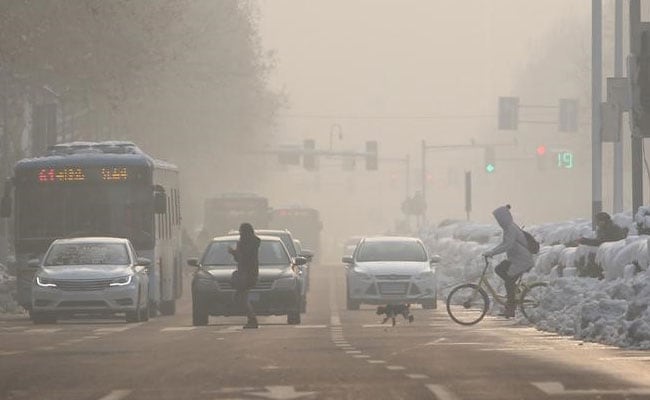
China is the world's biggest emitter of the greenhouse gases driving climate change
Beijing:
China's air pollution worsened in 2023, the first time it has done so in a decade, a study released on Friday said.
"2023 is the first year that China's national average PM2.5 level has increased year-on-year since the beginning of China's 'war on pollution' in 2013," a study by independent research organisation the Centre for Research on Energy and Clean Air (CREA) said.
PM2.5 particles, if inhaled, can have serious health risks, linked to premature deaths in people with heart or lung disease, as well as a host of breathing and other health issues, according to the US Environmental Protection Agency.
"The overall increase in human-caused emissions has pushed the pollution level higher, in addition to unfavourable weather conditions," CREA said.
An international consortium of climate scientists said earlier this month in a separate study that China is expected to see a four percent rise in fossil fuel CO2 emissions this year, with increases in coal, oil and gas as the country continues to rebound from its Covid-19 lockdowns.
Chinese cities including the capital Beijing were once infamous for the thick smog that smothered their residents, especially in winter.
But the country ramped up its anti-pollution campaign after winning the Winter Olympics bid in 2015, shutting down dozens of coal plants and relocating heavy industries.
That has brought significant improvements, but air quality often remains below World Health Organization standards.
Higher emissions
CREA said on Friday that 80 percent of provincial capitals, including Beijing, recorded increased PM2.5 levels in 2023 compared to a year ago.
"Coal production and thermal power production in areas where the PM2.5 standard was not met have increased by 4.4 percent and 4.3 percent, respectively, on year, indicating a larger use of fossil energy," the Finland-based independent research organisation said.
CREA based its findings on Chinese government data, as well as a machine-learning algorithm that distinguished between the impact of weather and human emissions.
A wave of severe pollution hit northern China in late October and November, with authorities warning residents to avoid outdoor activities.
Beijing's concentrations of hazardous PM 2.5 particles were more than 20 times higher than World Health Organisation guidelines during that period, according to air quality monitoring firm IQAir.
China is the world's biggest emitter of the greenhouse gases driving climate change, such as carbon dioxide.
A recent jump in approvals for coal-fired power plants has added to concerns that China will backtrack on its goals to peak emissions between 2026 and 2030 and become carbon-neutral by 2060.
(Except for the headline, this story has not been edited by NDTV staff and is published from a syndicated feed.)
Published: December 22, 2023 17:26 IST
 Written by Debosmita Ghosh | Friday November 13, 2026
If you have hypertension, heart disease or other cardiovascular risk factors, monitoring your blood pressure regularly can be a good thing during prolonged periods of severe pollution.
- Edited by Madhumanti Pait Chowdhury | Friday November 13, 2026
"Will someone please tell me what this strange burnt-fuel smell in the air is?" asked Juhi Chawla
- Written by Sneha Mordani | Friday November 13, 2026
As air pollution continues to threaten the health of the capital, the question is no longer simply whether schools should close.
- Friday November 13, 2026
Air quality index (AQI) in Delhi was "hazardous" at 334, making it the most polluted global major city, according to Swiss group IQAir, which measures air quality levels based on the concentration of toxins
- Written by Varsha Vats | Friday November 13, 2026
Exposure to heavily polluted air can lead to respiratory issues. Within hours, it can cause coughing, wheezing, a scratchy throat, burning or watery eyes, and shortness of breath.




................................ Advertisement ................................
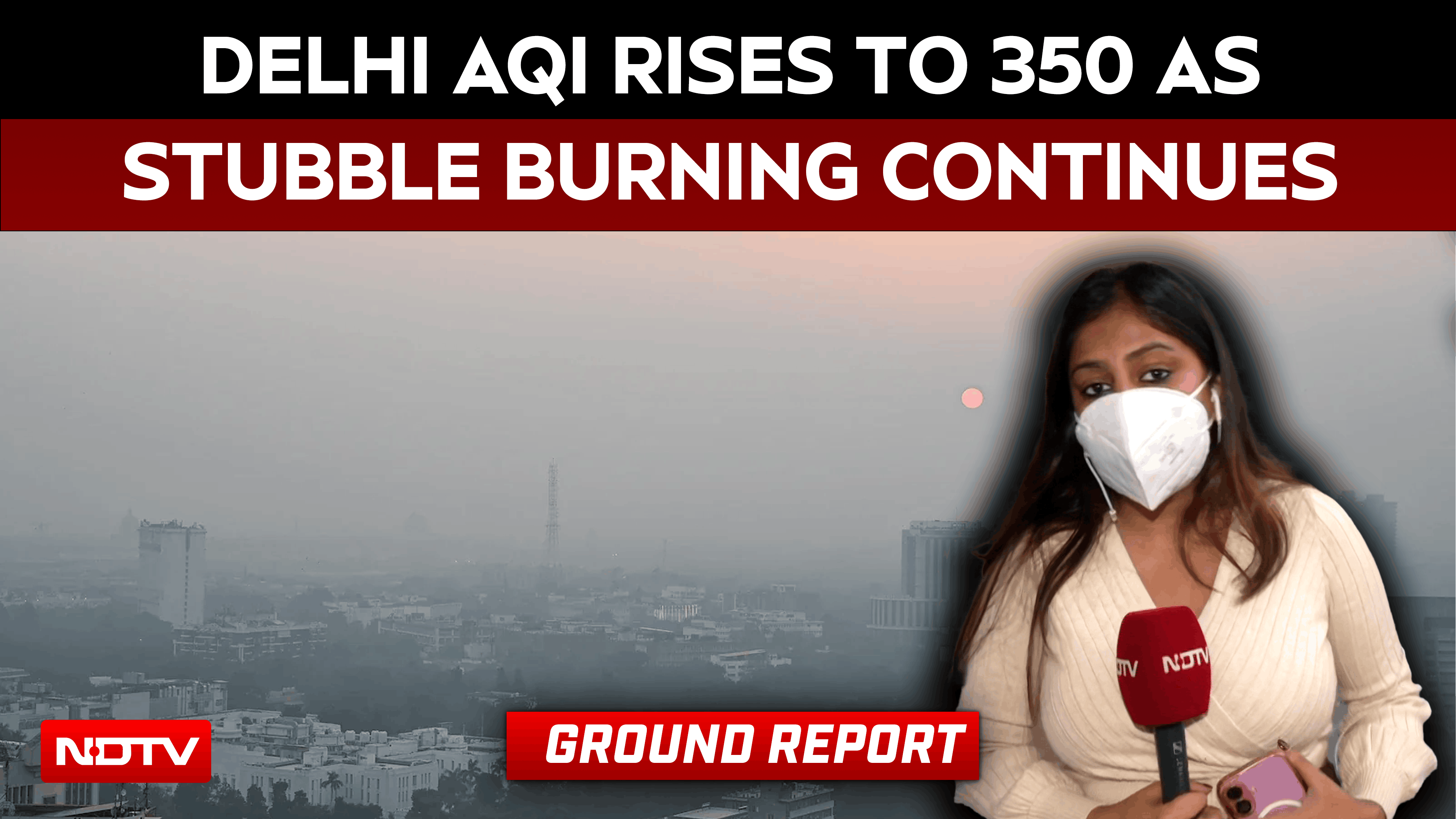
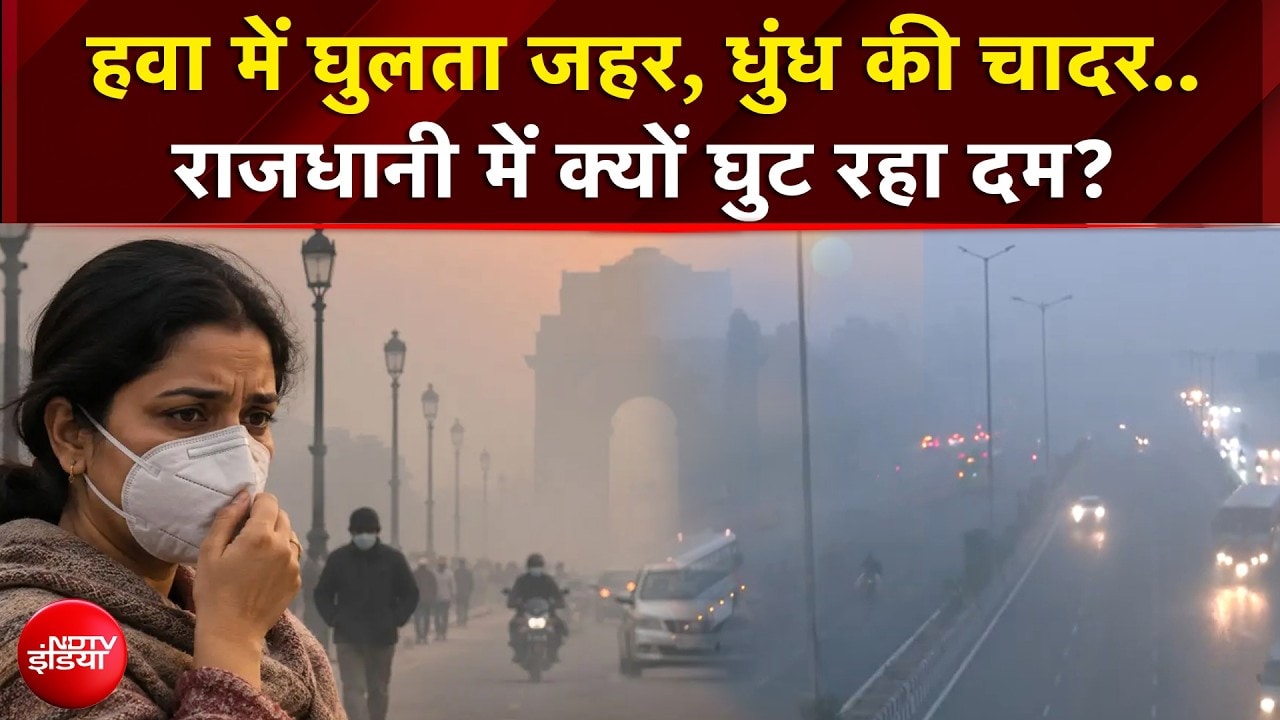
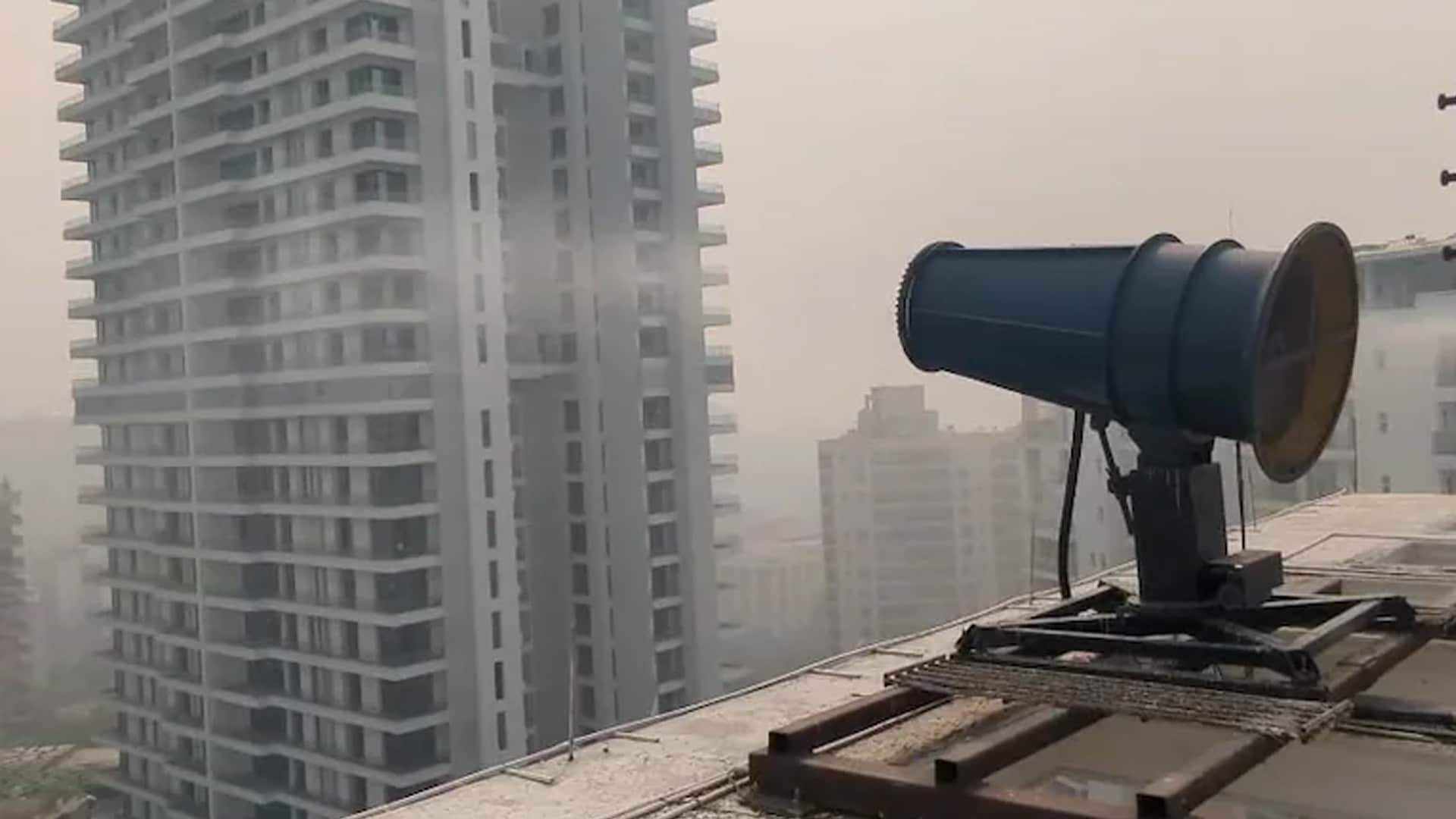
Opinion | Delhi Has Every Pollution Control Policy - Except One That Works
Monday November 09, 2026Every November, Delhi performs the same ritual. We check the AQI before stepping outdoors, children are kept indoors, masks reappear, schools consider shutting, construction is restricted, and emergency meetings are convened. Politicians blame the weather, neighbouring states, farmers, or firecrackers. And then, as the season changes, the urgency d...
दीवाली की चौखट पर दिल्ली में सांसों का संकट: 30 साल की स्टडी ने हरियाली को लेकर क्या बताया?
Thursday November 05, 2026अध्ययन में हरियाली की मात्रा के साथ उसके फैलाव और आपसी जुड़ाव को भी महत्वपूर्ण पाया गया. जिन इलाकों में हरियाली ज्यादा बिखरी हुई थी, वहां सतही तापमान अधिक रहा. इसके विपरीत, बड़े और आपस में जुड़े हरित क्षेत्रों में तापमान कम पाया गया.
Opinion: Why Delhi's Smog Can't Be Fixed From SpaceDavid Fickling, Bloomberg
Monday October 19, 2026The clearest sign that Delhi is on a path to cleaner air would be a decline in the amount of paddy grown nearby, and therefore the acreage liable to be burned each year.
Don't Normalise Air Purifiers As Delhi Chokes | The Reason Why
Thursday December 11, 2025More than 90 cities in the world's top 100 polluting list are in India. With every passing year, the AQI is rising, reaching 'hazardous' levels.
Blog | Well Done, Delhi. You've Turned Lung Sacrifice Into A Badge Of HonourSaikat Kumar Bose
Monday November 10, 2025Till some years back, Delhiites would ask angry questions to those in power about the capitals annual tryst with toxic air. This has changed. Those in the driving seat dont see the need to answer now.