- Home/
- City Doctors Report 50% Rise In Eye Problems As Smog Continues To Engulf Delhi
City Doctors Report 50% Rise In Eye Problems As Smog Continues To Engulf Delhi
Indo-Asian News Service | Updated: October 30, 2025 14:04 IST
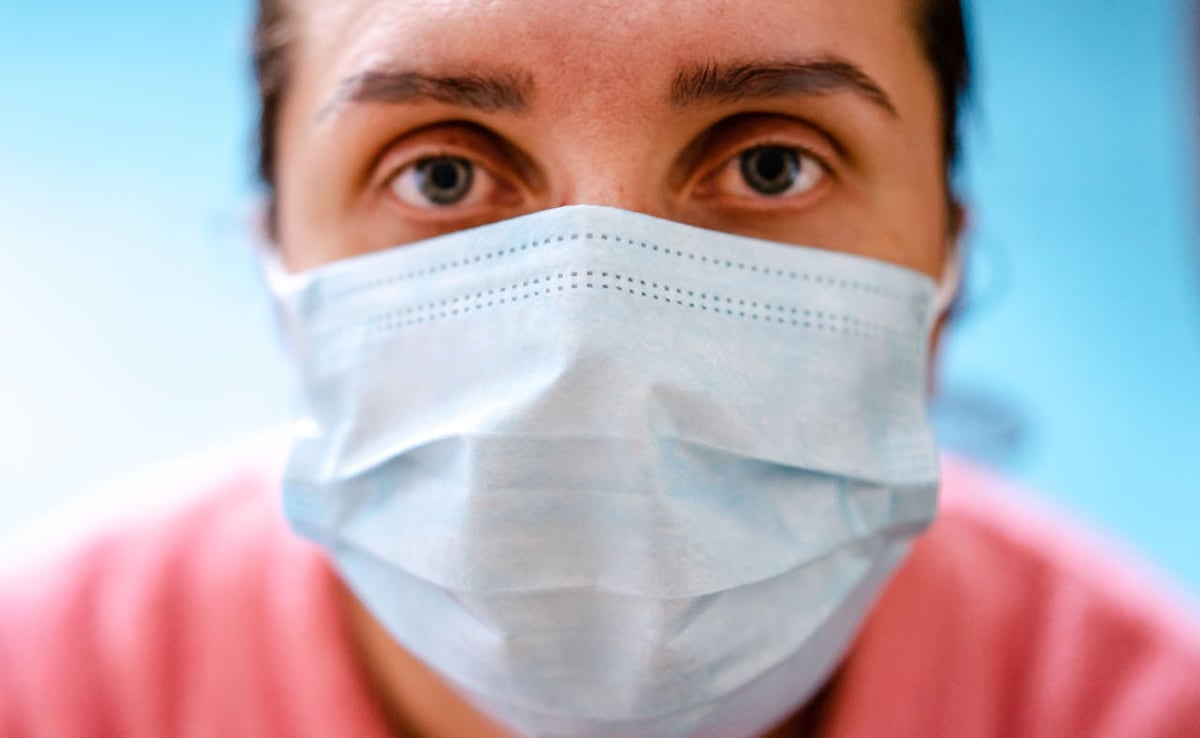
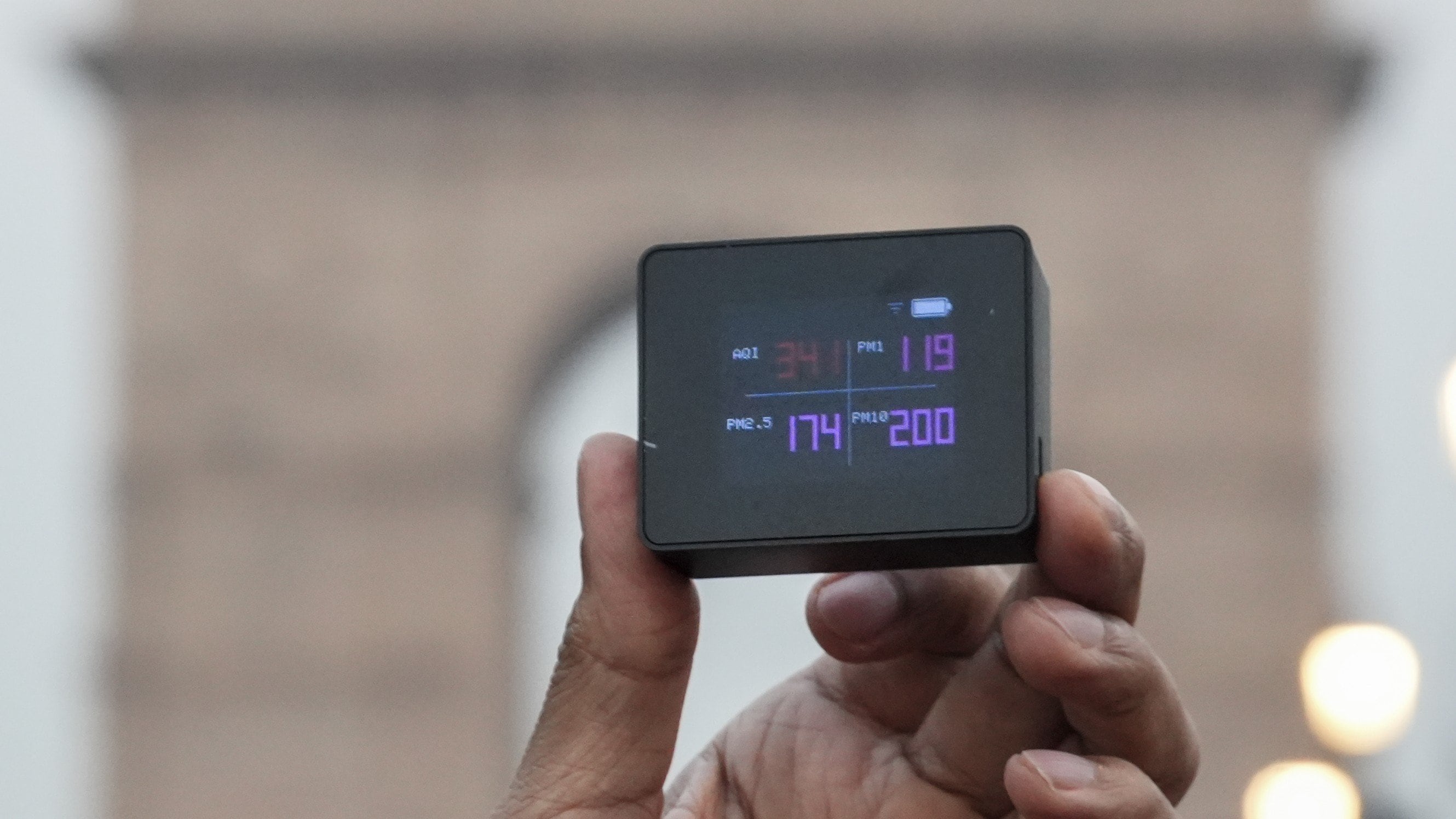
The national capital's continued poor air quality and thick smog engulfing the city are not only harmful for the lungs but also eye health, said ophthalmologists on Thursday, while reporting a 50 per cent surge in eye-related problems.
The thick blanket of smog and dangerously high levels of pollution have led to a spike in cases of eye allergies, dryness, burning sensations, and excessive watering, affecting both adults and children.
Doctors say that the toxic cocktail of smoke, particulate matter, and chemical residues released during firecracker burning is not only harmful for the lungs, but for the eyes as well.
"If your cornea gets damaged, you need a corneal transplant to restore your vision. However, if pollution levels continue to rise, a time will come when no corneal transplant will be effective, because the cornea is getting damaged due to pollution," Prof Sudarshan Khokhar, Professor of Ophthalmology at AIIMS, told IANS, adding that the elderly are more vulnerable as the cornea is already weak in them.
"In the last few days, the number of patients suffering from dryness, burning, and watery eyes has increased by around 50 per cent. Many of them come in complaining that their eyes feel gritty or heavy -- symptoms typical of pollution-induced ocular allergy. Even healthy individuals are experiencing irritation due to the poor air quality," added Dr. Rajesh Sinha, Professor of Ophthalmology at the RP Centre, AIIMS.
The expert explained that tiny particulate matter (PM2.5 and PM10) suspended in the air can settle on the surface of the eyes, damaging the tear film and causing inflammation.
The eyes, being directly exposed to the environment, are among the first organs to suffer when pollution levels soar. Pollutants like nitrogen dioxide, sulfur dioxide, and carbon particles react with the moisture in the eyes, leading to chemical irritation and inflammation.
"Every year after Diwali, we brace for a rise in eye complaints. The number of patients complaining of itching, redness, and irritation has gone up by almost 50-60 per cent. We are seeing patients with severe eye allergies, and those who already have dry eyes are experiencing much more discomfort than usual. The combination of pollution, dust, and chemical exposure is proving extremely harmful for the ocular surface," said Dr. Harbansh Lal, Delhi-based senior ophthalmologist
He explained that people who wear contact lenses and eye makeup are particularly vulnerable, as tiny particles trapped between the lens and the cornea can worsen inflammation.
Sinha further noted that repeated exposure to high pollution levels can lead to chronic inflammation and progressive damage to the ocular surface, affecting both comfort and long-term vision.
"Protecting your eyes is just as important as protecting your lungs during this season," he said. "Even small steps like wearing glasses and using lubricating drops can make a big difference."
(This story has not been edited by NDTV staff and is auto-generated from a syndicated feed.)
Published: October 30, 2025 14:02 IST
also read
Can't Go For Your Daily Run Due To High AQI? Try These 7 Alternatives
Written by Sambhav KumarFighting Air Pollution From Within: What Should You Eat To Protect Your Health?
Written by Ambika Singh KahmaHigh AQI And Gym Workouts: Should You Change Your Exercise Routine When Pollution Peaks?
Written by Sambhav Kumar
 Written by Sambhav Kumar | Monday November 09, 2026
High air pollution in Delhi-NCR can make outdoor running unsafe due to increased inhalation of harmful pollutants.
- Written by Ambika Singh Kahma | Monday November 09, 2026
A balanced diet rich in antioxidants, fibre, vitamins, minerals and healthy fats can help support the body's antioxidant defences, immune function and gut health.
- Written by Altaf Hussain | Monday November 09, 2026
Haridwar recorded an AQI of 310, while Kashipur and Rishikesh also reported elevated PM2.5 concentrations after Diwali.
- Written by Sambhav Kumar | Monday November 09, 2026
Exercising during high air pollution requires precautions like reducing intensity and choosing well-ventilated indoor spaces with good air filtration.
- Reported by Anushka Kumari, Edited by Nikita Sharma | Monday November 09, 2026 , New Delhi
At the Akshardham flyover, the Akshardham Temple was barely visible behind a thick blanket of haze.


................................ Advertisement ................................


Opinion | Delhi Has Every Pollution Control Policy - Except One That Works
Monday November 09, 2026Every November, Delhi performs the same ritual. We check the AQI before stepping outdoors, children are kept indoors, masks reappear, schools consider shutting, construction is restricted, and emergency meetings are convened. Politicians blame the weather, neighbouring states, farmers, or firecrackers. And then, as the season changes, the urgency d...
दीवाली की चौखट पर दिल्ली में सांसों का संकट: 30 साल की स्टडी ने हरियाली को लेकर क्या बताया?
Thursday November 05, 2026अध्ययन में हरियाली की मात्रा के साथ उसके फैलाव और आपसी जुड़ाव को भी महत्वपूर्ण पाया गया. जिन इलाकों में हरियाली ज्यादा बिखरी हुई थी, वहां सतही तापमान अधिक रहा. इसके विपरीत, बड़े और आपस में जुड़े हरित क्षेत्रों में तापमान कम पाया गया.
Opinion: Why Delhi's Smog Can't Be Fixed From SpaceDavid Fickling, Bloomberg
Monday October 19, 2026The clearest sign that Delhi is on a path to cleaner air would be a decline in the amount of paddy grown nearby, and therefore the acreage liable to be burned each year.
Don't Normalise Air Purifiers As Delhi Chokes | The Reason Why
Thursday December 11, 2025More than 90 cities in the world's top 100 polluting list are in India. With every passing year, the AQI is rising, reaching 'hazardous' levels.
Blog | Well Done, Delhi. You've Turned Lung Sacrifice Into A Badge Of HonourSaikat Kumar Bose
Monday November 10, 2025Till some years back, Delhiites would ask angry questions to those in power about the capitals annual tryst with toxic air. This has changed. Those in the driving seat dont see the need to answer now.