


- Home/
- Construction, Traffic, Forest Fires: What's Driving AQI Spike In Uttarakhand
Construction, Traffic, Forest Fires: What's Driving AQI Spike In Uttarakhand
Dehradun:
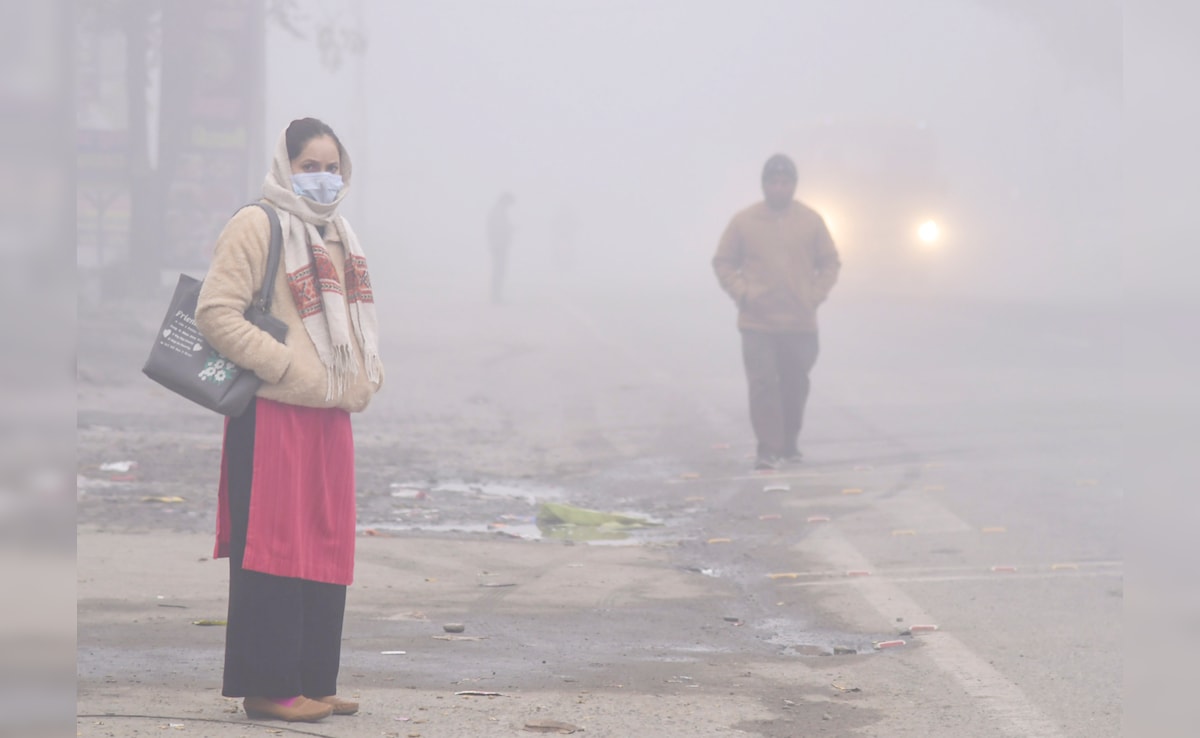
The air quality in many cities of Uttarakhand, places often seen as a refuge by those looking to escape the poor to severe AQI in Delhi-NCR and surrounding regions, has seen a dip in the past week. The culprit: rapid and indiscriminate felling of trees, large-scale construction, and a continuous increase in the number of vehicles.
On Wednesday, Dehradun recorded an AQI of 267, while AQI quality also deteriorated in other cities like Kashipur and Rishikesh.
Here is a look at the possible causes:
- Climate change: Climate change means that neither is there proper heat nor proper rainfall. The summer season is growing longer and the winter season is becoming shorter. Snowfall is occurring in March and April, and the snow that falls doesn't have enough time to accumulate because of the rising temperature of the ground and atmosphere. There has also been a lack of rain in Uttarakhand over the past 50 days, resulting in dry, cold weather. This causes dust particles to remain suspended in the air, causing fog and breathing difficulties.
- Forest fires: In Uttarakhand, large-scale forest fires occur every summer season, which leads to an increase in temperature. The ash and black carbon particles from these fires are increasing air pollution.
- Rapid construction work: Large-scale road, railway, hydroelectric projects, and other construction work is underway in Uttarakhand, which is generating dust. These dust particles are released into the air in large quantities, increasing air pollution.
- Burning of large quantities of bonfires: Winters are getting colder, and people are burning coal and wood to keep warm.
- Large-scale tree felling: Extensive road, railway, hydroelectric power projects, and other construction work are underway in Uttarakhand, leading to deforestation and consequently, climate change.
- Rising number of vehicles: Since the formation of the state, a vast network of roads has been built, and the number of vehicles has also increased rapidly. In Uttarakhand, 4.3 million vehicles have been registered in the last 25 years.
- Increasing tourists: Tourist destinations, like Nainital, Mussoorie, Kausani, Rishikesh, Haridwar, Auli, Joshimath, Jageshwar, Mukteshwar, Kainchi Dham, Ranikhet, Ramnagar and Corbett, are receiving a large number of visitors. The vehicles they arrive in result in exhaust fumes, increasing the temperature and contributing to air pollution. The number of vehicles further increase during the Char Dham Yatra.
Published: December 18, 2025 22:33 IST
 Written by Shreya Goswami | Thursday October 01, 2026
October's changing temperatures, dry air, dust and rising pollution can leave Delhi-NCR residents with a scratchy throat, cough or hoarseness.
- Written by Dr Shivanshu Raj Goyal | Thursday October 01, 2026
Since most people spend a lot of time indoors, the air quality indoors becomes essential in relation to respiratory health. Considering different environments, air inside can contain dirt, allergens and several pollutants from multiple sources.
- Wednesday September 30, 2026 , France
In a new analysis covering the first eight months of 2026, the European Union's Copernicus Climate Atmosphere Monitoring Service (CAMS) highlighted the close relationship between climate change and air pollution.
- Reported by Reet Kaur Sahni | Tuesday September 29, 2026
Starting November 1, petrol and diesel vehicles registered outside Delhi and not meeting BS-VI standards will be banned from entering the city, though CNG and electric vehicles are exempt.
- Written by Dr Sabine Kapasi | Tuesday September 29, 2026
Air pollution is often discussed as a cause of respiratory disease, but its effects extend to the heart and blood vessels.




................................ Advertisement ................................



Blog | Well Done, Delhi. You've Turned Lung Sacrifice Into A Badge Of HonourSaikat Kumar Bose
Monday November 10, 2025Till some years back, Delhiites would ask angry questions to those in power about the capitals annual tryst with toxic air. This has changed. Those in the driving seat dont see the need to answer now.
Opinion | Why Indians Have Just Given Up On Air Pollution CrisisTanushree Ganguly
Friday December 20, 2024While some may argue that people in Delhi are now more aware of air pollution than they were a decade back, my rebuttal would be that awareness does not mean that people are concerned.
Opinion | You Must Outrage Over Filthy Air More Than Once A YearJyoti Pande Lavakare
Tuesday December 10, 2024Delhi welcomed us with monsoon rains and mangos. We were home. Fast forward a couple of years, in the winter of 2012, I found myself in denial about something other parents, mostly expats, were calling toxic air.
Opinion | Delhi's Air Pollution Situation Is Like A Bad MarriageNishtha Gautam
Friday November 22, 2024On a good day, such as today, the AQI reading in Delhi is 407. We are jubilant at the sickly sunshine trickling through the slightly dissipated smog. At least its not 1600.
दिवाली... पराली... सियासी जुगाली!Ashwini kumar
Monday November 18, 2024दिल्ली-एनसीआर में प्रदूषण का समाधान तो आज तक मिला नहीं. हर साल चिंतित होकर हम-आप सांसों की तकलीफ के साथ-साथ दिल और ब्लड प्रेशर के मरीज भी क्यों बनें?


