


- Home/
- Days After Rape Of 17-Year-Old, Delhi Restricts Entry To Parks After Sunset
Days After Rape Of 17-Year-Old, Delhi Restricts Entry To Parks After Sunset
Reported by Ishika Verma | Updated: September 23, 2026 22:11 IST
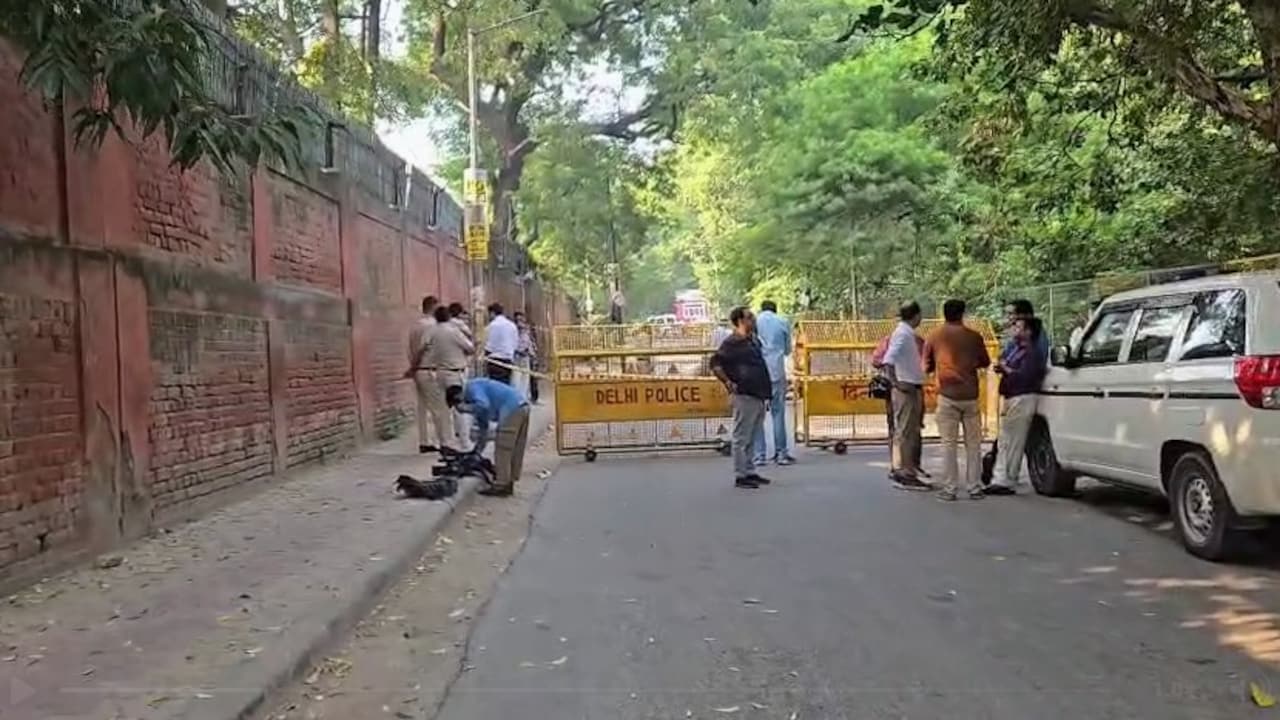
Security personnel and field staff have been asked to step up vigilance.
New Delhi:
Days after a 17-year-old girl was gang-raped at Astha Kunj near Kalkaji Mandir, the Delhi Development Authority (DDA) has ordered tighter security at its parks across the city, including restricting entry through select gates after sunset, installing more CCTV cameras and lights, and increasing night patrolling.
The directions have been issued by the DDA Vice Chairman and are to be implemented immediately, even as a wider safety audit of parks gets underway.
Parks with multiple entry gates will move to controlled access during late hours, with entry restricted through selected gates after sunset and before closing time.
Security personnel and field staff have been asked to step up vigilance, particularly during evening and night hours.
The DDA will carry out a time-bound assessment to identify dark and poorly lit stretches across its parks. Additional lights, floodlights, and other illumination will be installed wherever required.
CCTV surveillance will also be strengthened, with cameras to be installed or added at main entry gates and other vulnerable locations to improve monitoring and allow for a quicker response in case of an incident.
More security personnel will be deployed at vulnerable entry points and poorly lit locations based on a risk assessment. Trained security personnel may also be deployed where required.
The measures follow the alleged gang-rape of the teenager at Astha Kunj on Monday evening, an incident that has put security at public parks under the scanner.
The 17-year-old had gone to Kalkaji Mandir with a male friend before the two entered the park, according to police.
Three men allegedly approached them posing as policemen, threatened the two, and separated them before sexually assaulting the girl, police said.
All three accused have since been arrested.
Park Security Under the Scanner
The Astha Kunj rape has raised fresh questions over security at public parks, particularly after dark.
Under the new directions, guards deployed at DDA parks will face closer checks. Their attendance, patrolling, and performance will be monitored more rigorously through field inspections.
Night patrolling around parks will also be increased, with the DDA coordinating with concerned agencies for more bike patrols during night hours.
Coordination with the Delhi Police will be strengthened, and any suspicious or illegal activity noticed in or around parks will be promptly reported for action.
Resident Welfare Associations and local stakeholders will also be involved in strengthening vigilance and promoting community-based safety.
Visitors will also be advised to stick to well-lit areas of parks during evening hours.
Safety information boards will be installed at all DDA parks within seven days. The boards will display park rules, emergency contact numbers, and public safety guidelines.
Field officers have been directed to implement the measures on priority and continuously review security arrangements across DDA parks.
The DDA said it will continue to work closely with the Delhi Police, RWAs, and other stakeholders to strengthen safety in the city's green spaces.
It said the measures are aimed at ensuring that parks remain safe, accessible, and welcoming for women, children, senior citizens, and other visitors.
The immediate security measures will run alongside a comprehensive safety audit ordered following the Astha Kunj incident.
On the directions of Lieutenant Governor Taranjit Singh Sandhu, the audit will begin on Thursday and is to be completed within a week, with officials examining lighting, security arrangements, regular patrolling, and cleanliness.
For DDA parks, however, officials have been asked not to wait for the audit to be completed.
Restricted access through select gates after sunset, more CCTV cameras and lights, additional security personnel, tighter checks on guards, and increased night patrolling are to be taken up immediately.
But after the Astha Kunj rape put the spotlight on gaps in security at a public park, the question now is: have these measures come too little, too late?
Published: September 23, 2026 22:09 IST
also read
"Dangerous, Causes Toxic Pollution": Court Bans Firecrackers On Mumbai Roads
Press Trust Of IndiaAnti-Pollution Crackdown Intensifies Across NCR, 150 Inspections In 15 Days
Reported by Reet Kaur SahniNo School Sports In Delhi-NCR In November-December? Check What Air Quality Panel Says
Reported by Ishika Verma, Edited by Aakanksha Singh
 Written by Debosmita Ghosh | Friday September 25, 2026
Air purifiers are mainly designed to clean pollutants that are suspended in the air. A HEPA filter can trap very small particles and may help reduce indoor levels of particulate matter, dust, pollen and some other airborne particles. However, the performance of a purifier depends on several factors.
- Written by Dr Ankit Kumar Sinha | Friday September 25, 2026
To improve respiratory health, it is important to minimise exposure to polluted air, enhance indoor ventilation, adhere to workplace safety regulations, and promote physical activity.
- Tuesday September 22, 2026 , Mumbai
The court had on Monday taken suo motu (on its own) cognizance of the issue of severe noise and air pollution caused during processions.
- Written by Sambhav Kumar | Tuesday September 22, 2026
Air pollution does not necessarily mean you have to give up physical activity. The key is to adapt your workout according to the conditions.
- Written by Sambhav Kumar | Friday September 18, 2026
While Bryan Johnson's highly structured approach may attract attention, experts caution against treating any celebrity's routine as a universal prescription





................................ Advertisement ................................



Blog | Well Done, Delhi. You've Turned Lung Sacrifice Into A Badge Of HonourSaikat Kumar Bose
Monday November 10, 2025Till some years back, Delhiites would ask angry questions to those in power about the capitals annual tryst with toxic air. This has changed. Those in the driving seat dont see the need to answer now.
Opinion | Why Indians Have Just Given Up On Air Pollution CrisisTanushree Ganguly
Friday December 20, 2024While some may argue that people in Delhi are now more aware of air pollution than they were a decade back, my rebuttal would be that awareness does not mean that people are concerned.
Opinion | You Must Outrage Over Filthy Air More Than Once A YearJyoti Pande Lavakare
Tuesday December 10, 2024Delhi welcomed us with monsoon rains and mangos. We were home. Fast forward a couple of years, in the winter of 2012, I found myself in denial about something other parents, mostly expats, were calling toxic air.
Opinion | Delhi's Air Pollution Situation Is Like A Bad MarriageNishtha Gautam
Friday November 22, 2024On a good day, such as today, the AQI reading in Delhi is 407. We are jubilant at the sickly sunshine trickling through the slightly dissipated smog. At least its not 1600.
दिवाली... पराली... सियासी जुगाली!Ashwini kumar
Monday November 18, 2024दिल्ली-एनसीआर में प्रदूषण का समाधान तो आज तक मिला नहीं. हर साल चिंतित होकर हम-आप सांसों की तकलीफ के साथ-साथ दिल और ब्लड प्रेशर के मरीज भी क्यों बनें?


