


- Home/
- Anti-Pollution Crackdown Intensifies Across NCR, 150 Inspections In 15 Days
Anti-Pollution Crackdown Intensifies Across NCR, 150 Inspections In 15 Days
Reported by Reet Kaur Sahni | Updated: September 17, 2026 03:39 IST
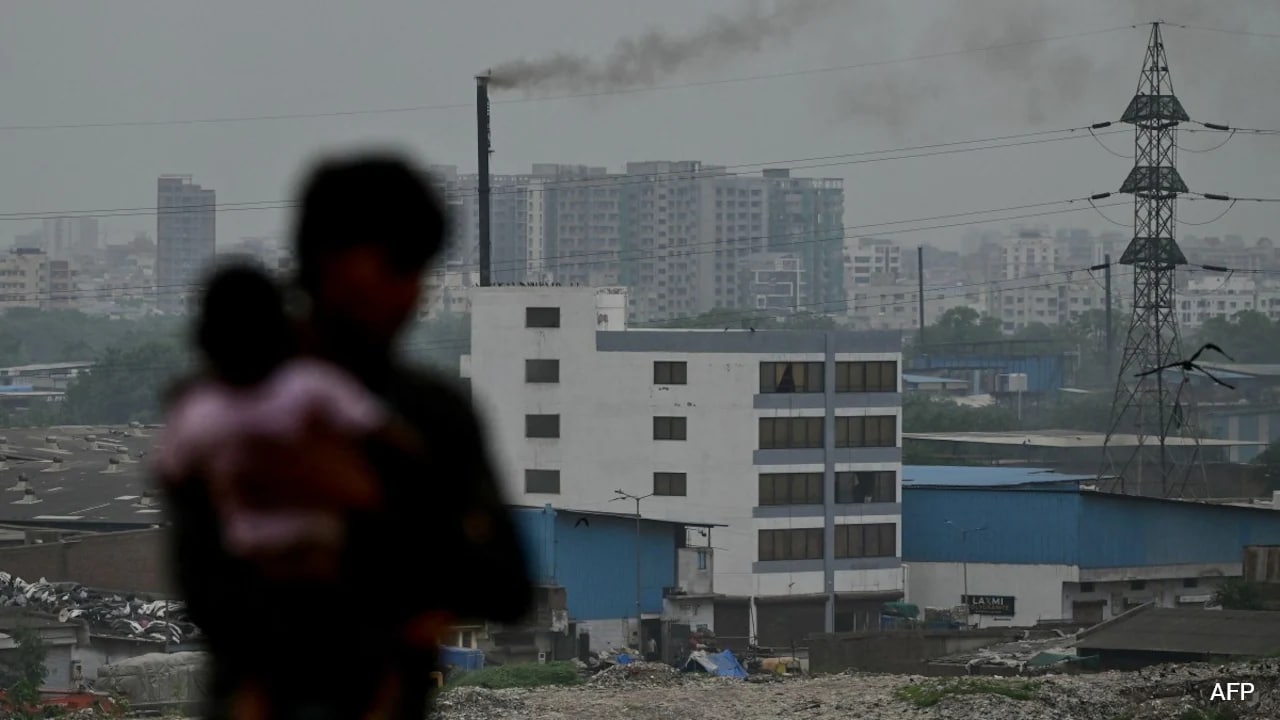
The inspections targeted key sectors notorious for high particulate matter and gaseous emissions.
Ahead of the seasonal spike in air pollution across the National Capital Region (NCR), the Commission for Air Quality Management (CAQM) has stepped up its compliance and enforcement operations.
During its 139th Enforcement Task Force (ETF) meeting, the anti-pollution watchdog reviewed field operations carried out between August 24 and September 7, 2026. Over this 15-day period, CAQM's Flying Squads conducted as many as 150 targeted inspections across industrial units, construction sites, and power-generation facilities.
The inspections targeted key sectors notorious for high particulate matter and gaseous emissions. In the industrial sector, 98 inspections were conducted evaluating fuel usage and emission-control equipment.
45 inspections checking for illegal, non-compliant, or un-retrofitted diesel generator operations. At construction and demolition sites as well, there were major site audits assessing dust mitigation protocols.
Following these reviews, CAQM says that it proposed immediate punitive and corrective actions against non-compliant entities. These include closure directions for 3 construction projects and 1 industrial unit, alongside directives to seal 25 non-compliant DG sets.
Additional compliance orders were issued across 6 entities covering 10 DG sets, and financial penalties in the form of Environmental Compensation (EC) were recommended for 2 major industrial violators.
Special Joint Drive in Nuh, Haryana
Not just in the NCR region but in Haryana's Nuh as well, the watchdog says it amped up operations. On September 3, 2026, 8 dedicated teams from the Commission's Flying Squads—partnering with local district administration, police forces, and officers from the Haryana State Pollution Control Board (HSPCB)—inspected 35 premises in a day.
While 13 facilities were found compliant, 7 units were found locked, an attempt described by the watchdog as one to evade inspection. The facilities have been slated for immediate re-inspection. For the remaining non-compliant units, recommended penalties range from formal personal hearings and sealing orders to the imposition of Environmental Compensation on six units.
Industrial Drive in Hapur, Uttar Pradesh
Under 'Operation Clean Air', CAQM's Flying Squads carried out a dedicated inspection drive targeting industrial hotspots in Hapur, Uttar Pradesh, on September 15, 2026.
Seven teams audited 22 industrial premises across major belts. The drive uncovered widespread violations—with 16 of the 22 units failing environmental norms. Observed infractions included intense smoke emissions, absent or malfunctioning Online Continuous Emission Monitoring Systems (OCEMS), wet scrubber bypasses, and hazardous wood-fired pit furnaces. Consequently, 12 Show Cause Notices (SCNs) were issued, two non-conforming units were sealed by the Uttar Pradesh Pollution Control Board (UPPCB), and strict action was proposed against two suspected illegal units that denied entry to inspection officers.
Mandate Ahead of Winter
With atmospheric conditions expected to deteriorate in the coming months, the CAQM says that enforcement efforts will only intensify. The Commission has further urged regional state pollution control boards, municipal bodies, and local authorities to maintain seamless coordination, monitor high-priority sectors continuously, and ensure zero tolerance for environmental violations.
Published: September 17, 2026 03:39 IST
 Sunday November 08, 2026
The air quality is forecast to turn 'severe' on Monday following Diwali celebrations, combined with vehicular emissions, as well as the peak stubble-burning season.
- Written by Dr Shibal Bhartiya | Sunday November 08, 2026
A little irritation on a smoggy day is common and usually manageable. If something feels more than uncomfortable, or if vision is affected, get it examined rather than waiting for the air to clear.
- Sunday November 08, 2026
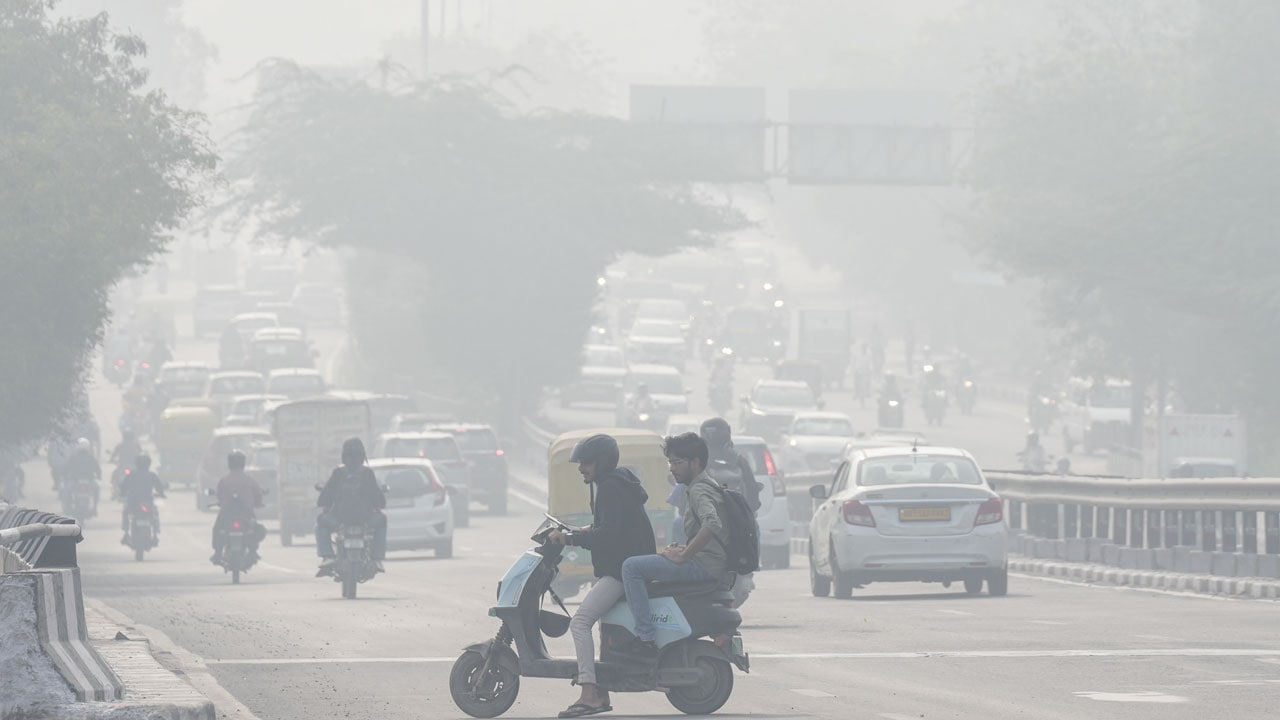
As winter has begun to set in, several parts of Delhi woke up to a thick layer of haze on Sunday morning, with poor visibility and deteriorating air quality adding to concerns among residents.
- Edited by NDTV Profit News | Sunday November 08, 2026
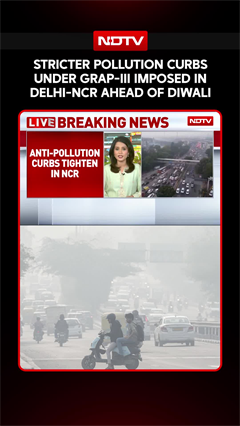
The Commission for Air Quality Management brought in Stage III curbs across Delhi-NCR on Friday, anticipating worse air over Diwali.
- Written by Dr Anusha C M | Sunday November 08, 2026
Not every cough after Diwali is a cause for alarm. The important thing is to recognise whether it is a temporary reaction to smoke or an indication that the airways are becoming inflamed. The duration, intensity and nature of symptoms can help distinguish between the two.


................................ Advertisement ................................
दीवाली की चौखट पर दिल्ली में सांसों का संकट: 30 साल की स्टडी ने हरियाली को लेकर क्या बताया?
Thursday November 05, 2026अध्ययन में हरियाली की मात्रा के साथ उसके फैलाव और आपसी जुड़ाव को भी महत्वपूर्ण पाया गया. जिन इलाकों में हरियाली ज्यादा बिखरी हुई थी, वहां सतही तापमान अधिक रहा. इसके विपरीत, बड़े और आपस में जुड़े हरित क्षेत्रों में तापमान कम पाया गया.
Opinion: Why Delhi's Smog Can't Be Fixed From SpaceDavid Fickling, Bloomberg
Monday October 19, 2026The clearest sign that Delhi is on a path to cleaner air would be a decline in the amount of paddy grown nearby, and therefore the acreage liable to be burned each year.
Don't Normalise Air Purifiers As Delhi Chokes | The Reason Why
Thursday December 11, 2025More than 90 cities in the world's top 100 polluting list are in India. With every passing year, the AQI is rising, reaching 'hazardous' levels.
Blog | Well Done, Delhi. You've Turned Lung Sacrifice Into A Badge Of HonourSaikat Kumar Bose
Monday November 10, 2025Till some years back, Delhiites would ask angry questions to those in power about the capitals annual tryst with toxic air. This has changed. Those in the driving seat dont see the need to answer now.
Opinion | Why Indians Have Just Given Up On Air Pollution CrisisTanushree Ganguly
Friday December 20, 2024While some may argue that people in Delhi are now more aware of air pollution than they were a decade back, my rebuttal would be that awareness does not mean that people are concerned.




