


- Home/
- Rs 20,000 Fine Or Turn Away From Border: Old Cars Not Being Allowed In Delhi
Rs 20,000 Fine Or Turn Away From Border: Old Cars Not Being Allowed In Delhi
Reported by Shreya Ghosh | Updated: December 18, 2025 10:08 IST
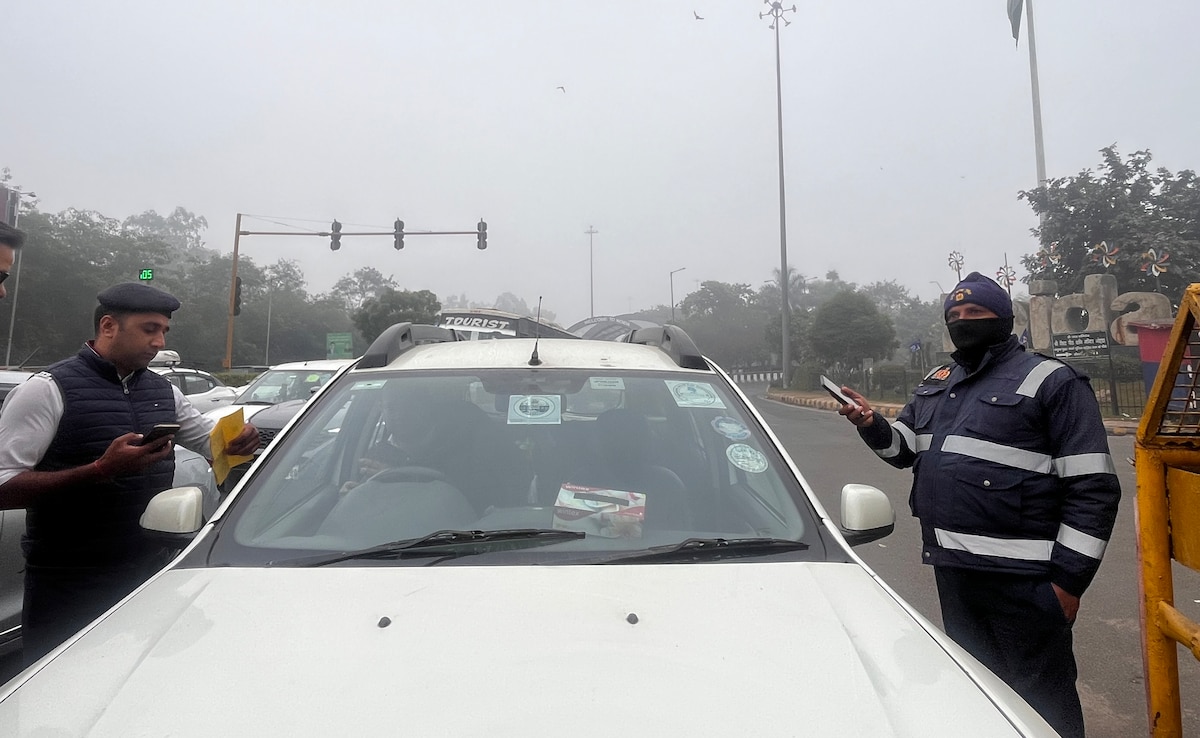
Delhi Air Pollution: Delhi Police barricades have been lined up to slow vehicular movement for checking.
Highlights
- Toxic smog hit Delhi-Noida border with AQI around 490 at Chilla border this morning
- Delhi police is fining non-BS6 and old vehicles, imposing Rs 20,000 penalty or forcing U-turns
- Checks target vehicles without updated Pollution Under Control Certificates and older emission standards
New Delhi: 
A thick layer of toxic smog enveloped the Delhi-Noida border at the DND Flyway on this hazy Thursday morning, with air quality plunging into the 'hazardous' category at the nearby Chilla border, recording an AQI of around 490. Visibility was severely reduced as Delhi Police and transport enforcement teams intensified checks on incoming vehicles under Stage IV of the Graded Response Action Plan (GRAP).
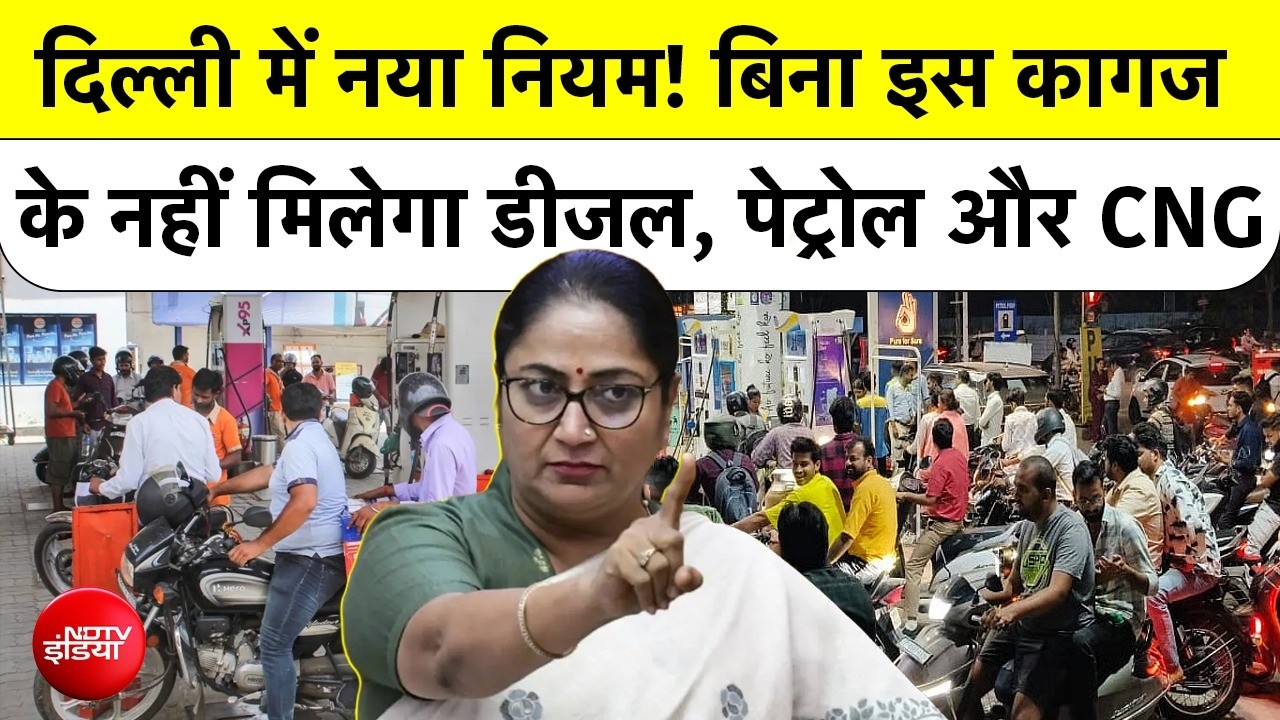
Delhi transport department officer, Deepak, overseeing operations, said, "We are strictly checking non-BS6 commercial and private vehicles registered outside Delhi. Violators face a Rs 20,000 challan or are forced to make a U-turn. We're also fining drivers without updated Pollution Under Control Certificates (PUCC)."
Delhi Police barricades have been lined up to slow vehicular movement for checking.
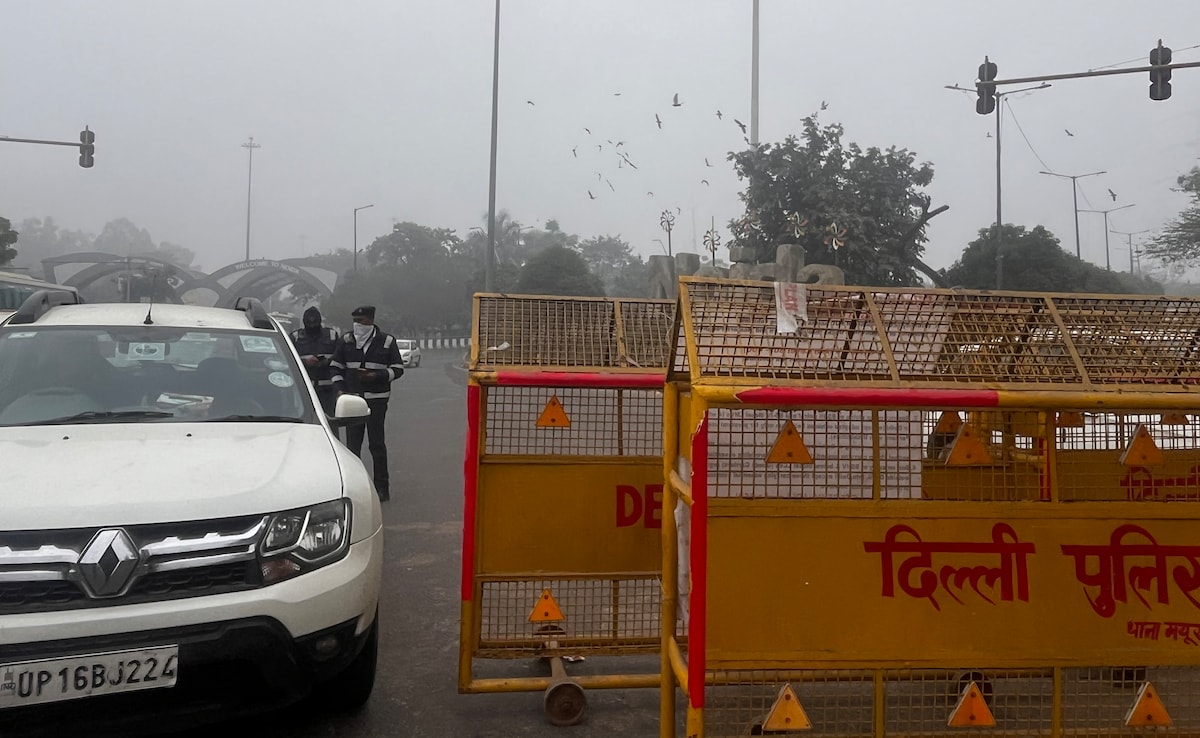
An UP Traffic Police officer on the ground added: "We're stopping cars that seemingly look old and don't have blue stickers on the car showing BS 6 vehicles. We have also been directed to fine 10-year-old diesel and 15-year-old petrol vehicles of BS-III emission standards (or lower)."
Rakesh, a Faridabad resident, stopped while driving his BS3 Hyundai Creta and expressed frustration: "The central government is unable to control pollution, and we have to pay fines for it. I live in Faridabad and didn't know about this rule. Traffic police are randomly checking cars - we pay road tax, but what about government buses? Their emissions aren't being checked."
Monitoring involves portable machines where vehicle registration numbers are entered to verify BS norms and PUCC validity instantly.
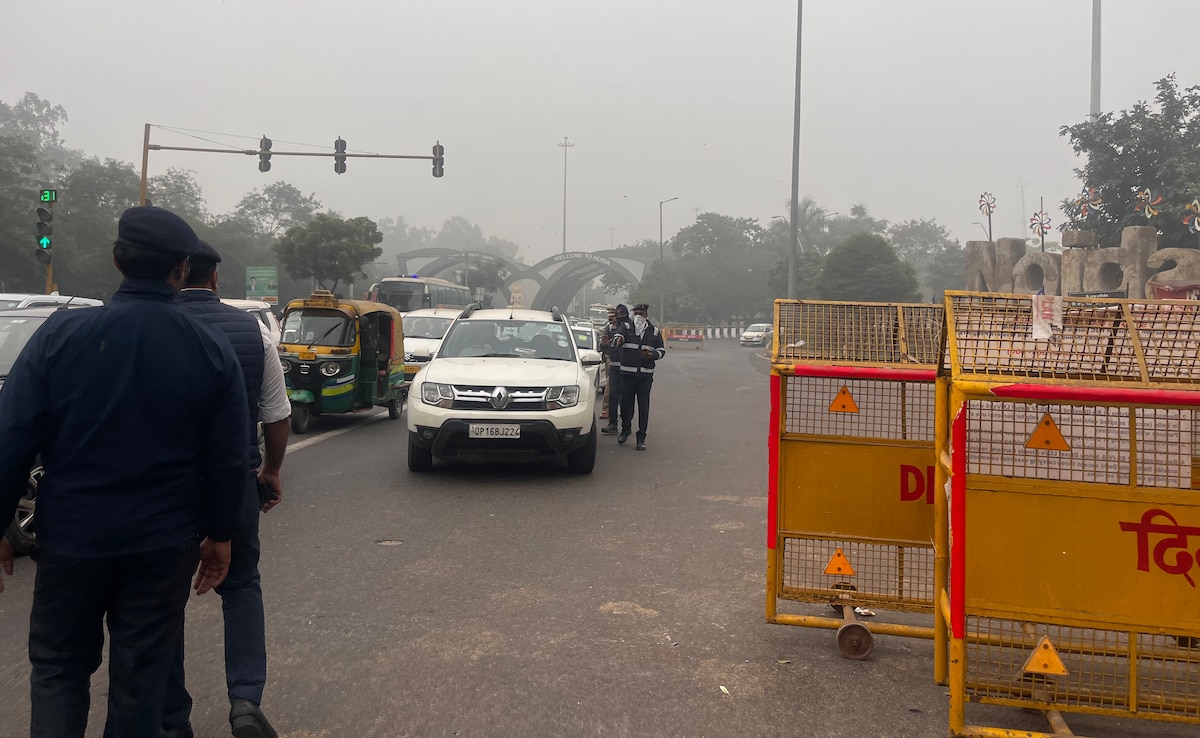
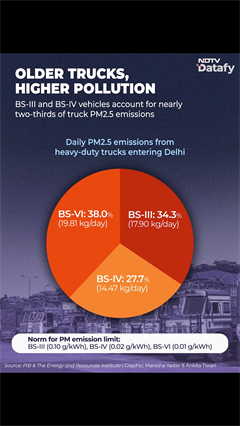
Transport contributes over 20% of PM2.5 in winter, with 93% of Delhi-NCR's 2.88 crore vehicles being light motor vehicles and two-wheelers. Around 37% are BS-Ill or older, emitting up to 31 times more particulate matter and 16 times more nitrogen dioxide.
Deepak, a Delhi transport officer, added, "Through media, people should know about vehicular pollution by now. If owners try alternate routes, we have forces deployed across checkpoints - Delhi Traffic Police and transport teams are spanned everywhere; they can't escape. With political will and public awareness, this can help fight vehicular pollution."
After days of 'severe' air quality, Delhi barred non-BS VI vehicles registered outside the capital. Vehicular emissions contribute over 20-40% to winter PM2.5 in the NCR, with older vehicles emitting far higher pollutants.
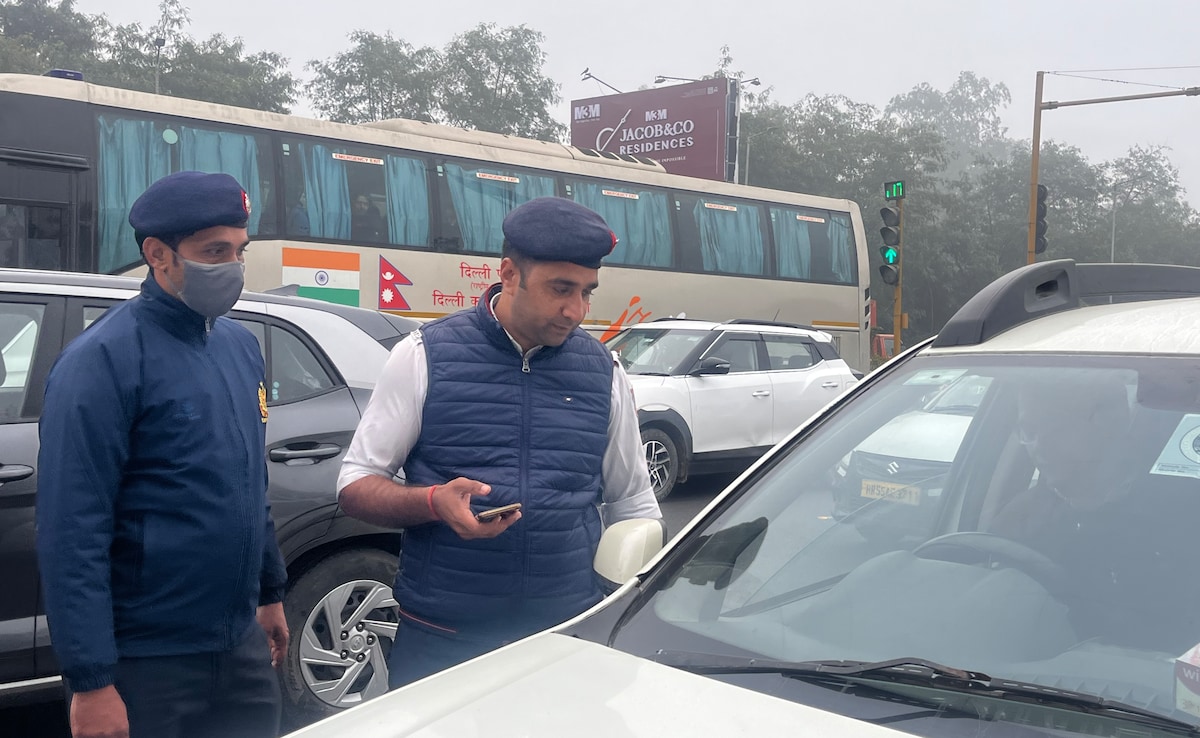
Experts emphasise broader measures. Vehicles contribute around 40% to Delhi's PM2.5. The PUC system fails to measure particulate matter effectively. Scrappage policies and stronger public transport must accompany bans to curb transboundary pollution.
Former Transport Commissioner Anil Chhikara, told NDTV: "Practical tailpipe emission enforcement and a dedicated pollution task force are urgently needed. The Delhi government's knee-jerk, last-minute measures approach remains unsustainable and unprofessional, compounded by hackers issuing fake PUCC certificates and a glaring lack of interstate coordination despite BJP governments in power."
Published: December 18, 2025 10:07 IST
- Reported by Reet Kaur Sahni | Friday August 07, 2026
As per the ministry, prior Environmental Clearance becomes mandatory for data centres depending on their physical footprint under Schedule 8 of the EIA Notification, 2006.
- Written by Sambhav Kumar | Thursday August 06, 2026
Keerthy Suresh's 41-hour no-sleep stretch highlights the intense demands many professionals face, but experts warn that prolonged sleep deprivation should never become routine.
- Written by Sambhav Kumar | Wednesday August 05, 2026
Preliminary evidence suggests the blood filtration treatment could reduce some microplastic particles, though findings are limited and require more study.
- Monday August 03, 2026 , New Delhi
Study reveals black crust from pollution weakens Humayuns Tomb sandstone
- Written by Debosmita Ghosh | Saturday August 01, 2026
Lung cancer is often diagnosed at an advanced stage because its early symptoms are easy to overlook. A persistent cough is among the most commonly ignored warning signs.

................................ Advertisement ................................

Blog | Well Done, Delhi. You've Turned Lung Sacrifice Into A Badge Of HonourSaikat Kumar Bose
Monday November 10, 2025Till some years back, Delhiites would ask angry questions to those in power about the capitals annual tryst with toxic air. This has changed. Those in the driving seat dont see the need to answer now.
Opinion | Why Indians Have Just Given Up On Air Pollution CrisisTanushree Ganguly
Friday December 20, 2024While some may argue that people in Delhi are now more aware of air pollution than they were a decade back, my rebuttal would be that awareness does not mean that people are concerned.
Opinion | You Must Outrage Over Filthy Air More Than Once A YearJyoti Pande Lavakare
Tuesday December 10, 2024Delhi welcomed us with monsoon rains and mangos. We were home. Fast forward a couple of years, in the winter of 2012, I found myself in denial about something other parents, mostly expats, were calling toxic air.
Opinion | Delhi's Air Pollution Situation Is Like A Bad MarriageNishtha Gautam
Friday November 22, 2024On a good day, such as today, the AQI reading in Delhi is 407. We are jubilant at the sickly sunshine trickling through the slightly dissipated smog. At least its not 1600.
दिवाली... पराली... सियासी जुगाली!Ashwini kumar
Monday November 18, 2024दिल्ली-एनसीआर में प्रदूषण का समाधान तो आज तक मिला नहीं. हर साल चिंतित होकर हम-आप सांसों की तकलीफ के साथ-साथ दिल और ब्लड प्रेशर के मरीज भी क्यों बनें?


