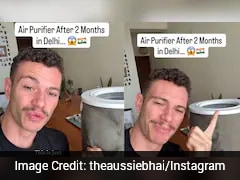
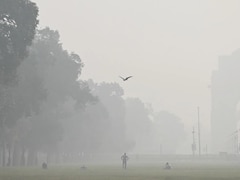
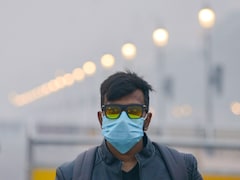
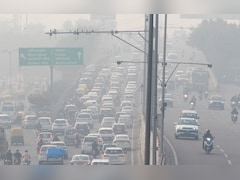
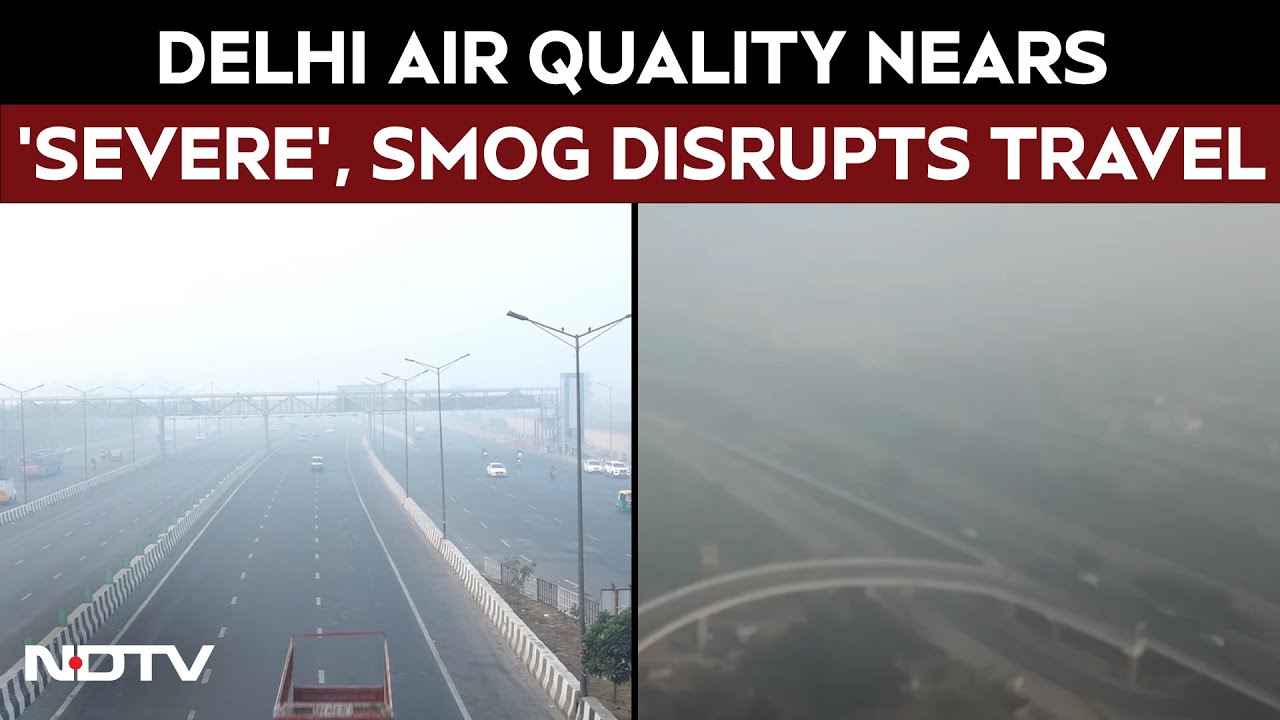
Air pollution in Delhi can't become a political battle, the Supreme Court said today, stressing that the choking air quality is responsible for the "murder of people's health". The court said the burning of crop residue in neighbouring states Punjab, Haryana, Uttar Pradesh and Rajasthan is a key factor behind the massive spike in Delhi's air pollution every winter. It asked the state governments to take steps to stop stubble burning. "We want it stopped. We don't know how you do it, it's your job. But it must be stopped. Something has to be done immediately," the court said.
The court did not spare Delhi government either. "Delhi government also must be responsible. There are many buses running that pollute and run at half capacity. You have to attend to the problem," it said.
The bench of Justice SK Kaul and Justice Sudhanshu Dhulia posted the matter for Friday. The court has asked Centre to hold a meeting with Uttar Pradesh, Rajasthan, Haryana, Punjab and Delhi governments on ways to stop stubble burning. It has also said it will look at vehicular emissions, another key contributor to Delhi's air pollution.
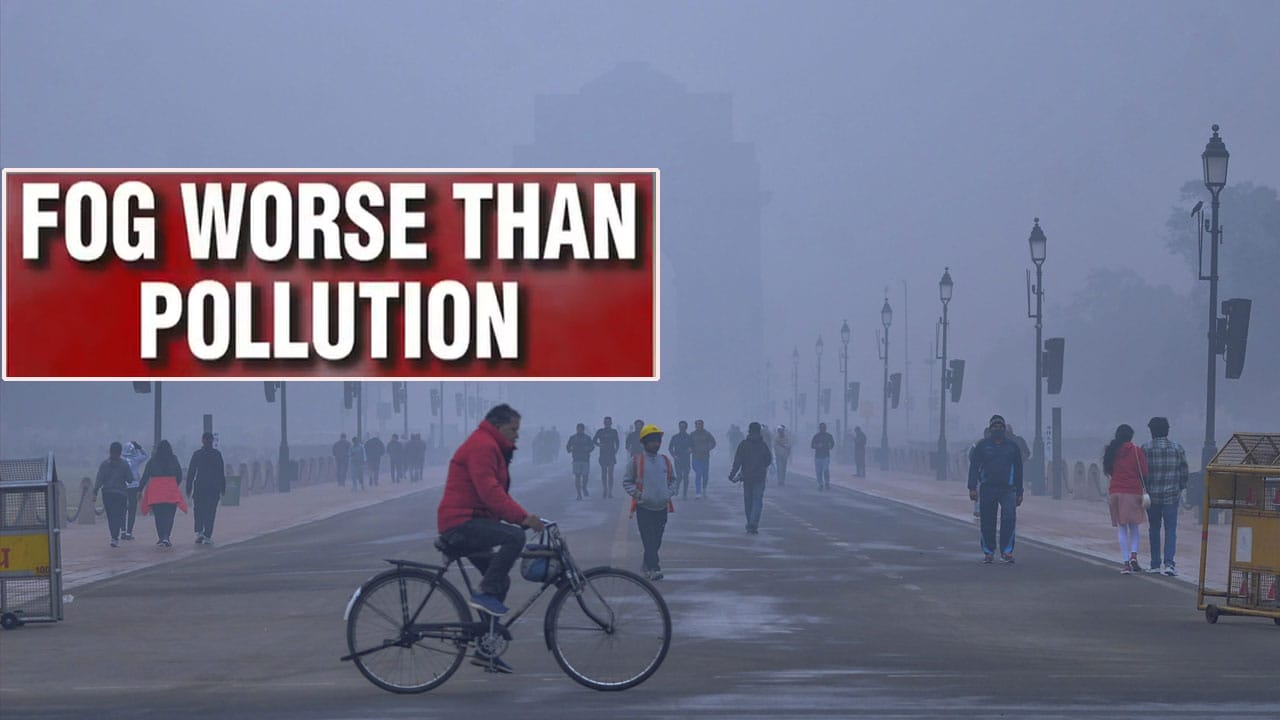
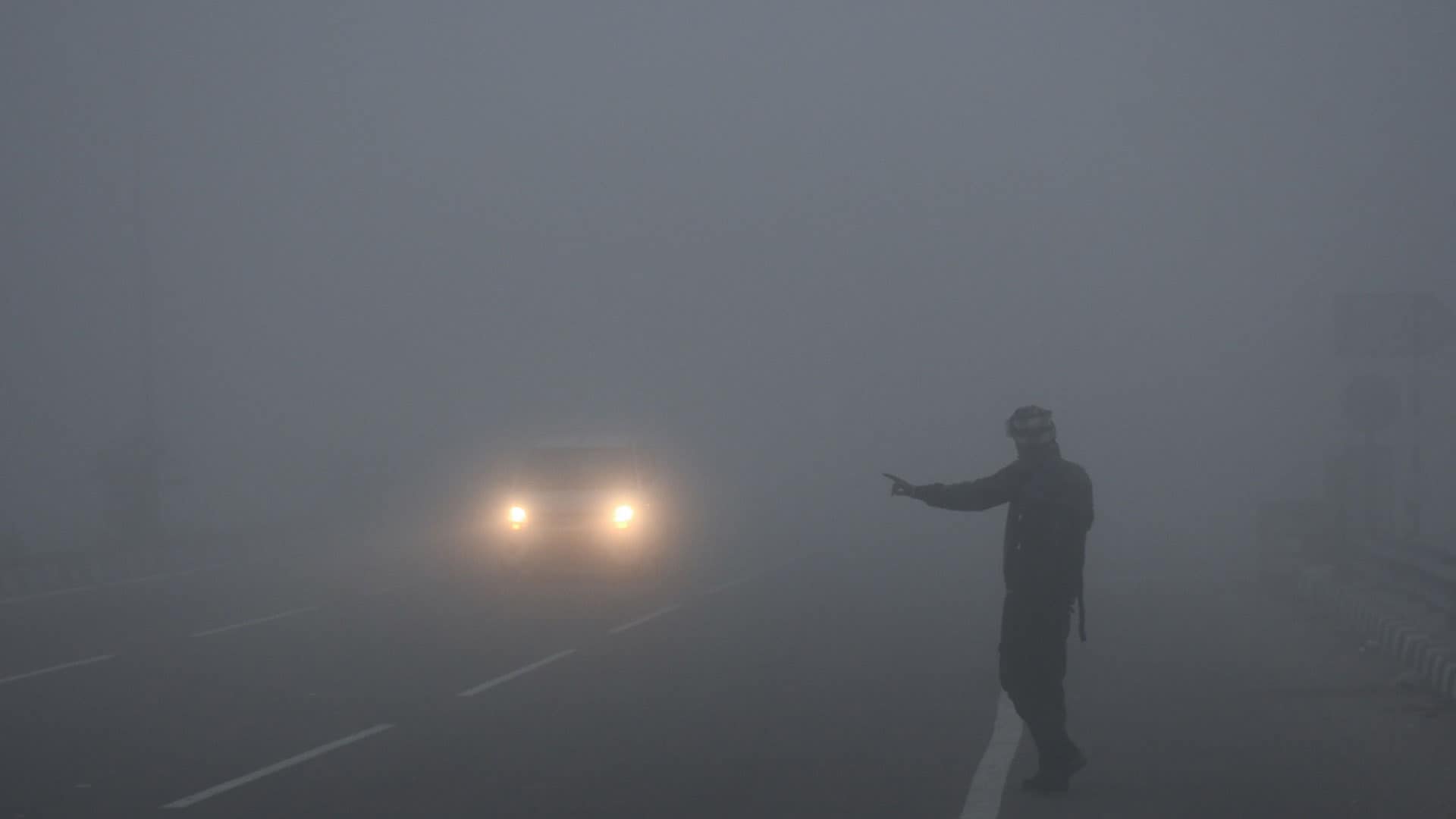
The court was hearing a case flagging the toxic air quality in the national capital, which has been in the 'severe' category over the past few days. According to the Central Pollution Control Board data, several areas in Delhi had an AQI of over 400 today, four times the satisfactory air quality level.
Appearing for the petitioner, Advocate Aparajita Singh said the farm fires in Punjab have not been checked. She said stubble burning is the top contributor to the slide in Delhi's air quality. "CAQM (Commission for Air Quality Management) and states are saying they are taking all steps to control air pollution. But stubble burning is still on," she said. The court said Delhi "cannot continue like this".
Senior Advocate Gopal Shankaranarayan, also appearing for petitioners, said this matter is being heard since 2017 and several orders have been passed.
The court also asked Punjab and Centre to look for an alternative crop to paddy. It flagged how paddy is also destroying the state's water table.
The annual spike in Delhi's air pollution levels and the role of stubble burning behind it has emerged as a politically charged issue over the past few years. The Aam Aadmi Party government in Delhi has earlier accused rivals' governments in Punjab and Haryana for not cracking down on the burning of crop residue.
The AAP finds itself in a tricky position now as it rules both Delhi and Punjab. It has claimed that stubble burning in Punjab has seen a big drop and shifted blame to BJP-ruled Haryana. Delhi Environment Minister Gopal Rai has said the BJP is scapegoating Punjab, while their governments have failed to ban diesel buses in Uttar Pradesh and Haryana.
The BJP has slammed the Arvind Kejriwal government, questioning the rationale behind announcing the odd-even scheme after Diwali and several other steps to check the air pollution in the capital. The effectiveness of the odd-even scheme was not backed by any research and it was being implemented as a "publicity stunt", Delhi BJP president Virendra Sachdeva has said.
The farmers have their reasons to burn the crop residue. They are pressed for time ahead of the winter sowing season and setting fire to the farms is the fastest and cheapest way to clear the field for the new crops. The alternative is to rope in labourers or machines to do to the job - both requiring considerable funds.
Delhi Government To Install Air Purifiers In 10,000 Classrooms As Pollution Soars
Reported by Ishika Verma, Edited by Amit ChaturvediBattle For Breath: Mumbai's Elite Enclave Turns Pollution Hotspot
Reported by Jitendra Dixit, Edited by Srishti Kapoor"Leaving Delhi After 13 Years": Man Blames City's Pollution For Developing Asthma
Edited by Astitva RajThe government plans a phased rollout, funded through the environment cess, though exact installation timelines have not been announced.
Air quality in and around Bhakti Park and Wadala Truck Terminal (TT) has plummeted in recent weeks, with AQI levels soaring beyond 300 - classified as "severe".
His post quickly became popular among people who have experienced similar health and safety concerns while living in Delhi.
Commuter awareness rises after Delhi's BS-VI and No PUC, No Fuel enforcement; fuel sales dip in border areas, PUC queues remain steady, says DPDA president.
India's lawmakers were supposed to discuss the horrid blanket of toxic air smothering the national capital region sometime during Parliament's winter session, which wrapped up Friday. But they could not find the time.
................................ Advertisement ................................
Blog | Well Done, Delhi. You've Turned Lung Sacrifice Into A Badge Of HonourSaikat Kumar Bose
Monday November 10, 2025Till some years back, Delhiites would ask angry questions to those in power about the capitals annual tryst with toxic air. This has changed. Those in the driving seat dont see the need to answer now.
Opinion | Why Indians Have Just Given Up On Air Pollution CrisisTanushree Ganguly
Friday December 20, 2024While some may argue that people in Delhi are now more aware of air pollution than they were a decade back, my rebuttal would be that awareness does not mean that people are concerned.
Opinion | You Must Outrage Over Filthy Air More Than Once A YearJyoti Pande Lavakare
Tuesday December 10, 2024Delhi welcomed us with monsoon rains and mangos. We were home. Fast forward a couple of years, in the winter of 2012, I found myself in denial about something other parents, mostly expats, were calling toxic air.
Opinion | Delhi's Air Pollution Situation Is Like A Bad MarriageNishtha Gautam
Friday November 22, 2024On a good day, such as today, the AQI reading in Delhi is 407. We are jubilant at the sickly sunshine trickling through the slightly dissipated smog. At least its not 1600.
दिवाली... पराली... सियासी जुगाली!Ashwini kumar
Monday November 18, 2024दिल्ली-एनसीआर में प्रदूषण का समाधान तो आज तक मिला नहीं. हर साल चिंतित होकर हम-आप सांसों की तकलीफ के साथ-साथ दिल और ब्लड प्रेशर के मरीज भी क्यों बनें?