


- Home/
- Delhi Air Quality 'Very Poor' At 396, Several Hotspots Breach 400 Mark
Delhi Air Quality 'Very Poor' At 396, Several Hotspots Breach 400 Mark
Indo-Asian News Service | Updated: November 24, 2025 09:48 IST
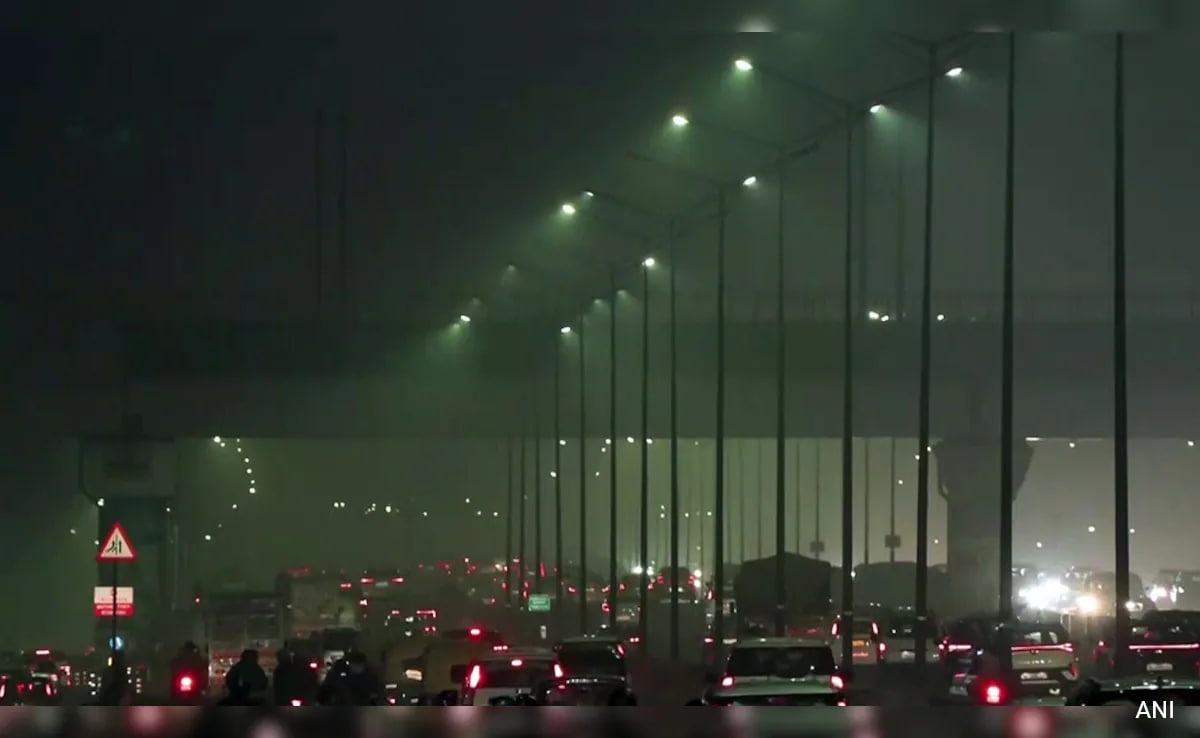
Faridabad reported an AQI of 358, Gurugram 370, Ghaziabad 355, Greater Noida 342, and Noida 372.
A thin layer of pollution was seen over the national Capital, with the Air Quality Index (AQI) touching 396 on Monday, firmly in the 'very poor' category. However, this brought slight respite from the 'very severe' AQI of over 500 in many hotspots that was witnessed across Delhi-NCR on Saturday.
Visibility dropped across several parts of the city as the toxic haze thickened, prompting renewed health warnings from authorities.
Neighbouring NCR cities are also struggling with deteriorating air quality. Faridabad reported an AQI of 358, Gurugram 370, Ghaziabad 355, Greater Noida 342, and Noida 372.
While most Delhi localities are hovering between AQI 300 and 400, several pockets have already breached the 400 mark, slipping into the 'severe' category. Officials say conditions may worsen if wind speeds remain low.
Meteorologists attribute the spike in pollution to a combination of calm winds, low temperatures, and increased moisture, which together trap pollutants close to the surface. The winter inversion effect, where cold air gets trapped under warm air, is preventing the dispersal of particulate matter.
Environmental experts warn that the continued presence of PM2.5 particles, the most harmful pollutant capable of reaching deep into the lungs, is contributing significantly to the health threat. Vehicular emissions, construction dust, industrial pollutants, and local biomass burning remain major contributors during this period.
Healthcare professionals advise residents to limit outdoor activities, especially vulnerable groups such as children, senior citizens, asthma patients, and those with heart conditions. Prolonged exposure to current air quality levels can lead to respiratory distress, eye irritation, reduced lung function, and increased risk of cardiac complications.
With AQI inching close to the 'severe' zone, Delhi remains under the watch of the Graded Response Action Plan (GRAP). Authorities may impose stricter restrictions if pollution levels continue to rise, including curbs on construction, bans on polluting vehicles, and suspension of certain industrial operations.
Experts say Delhi's recurring winter pollution crisis requires long-term structural solutions that go beyond temporary measures. These include stronger enforcement on vehicle emissions, rapid expansion of public transport, dust control mechanisms at construction sites, and coordinated regional action to curb external pollution sources.
As the capital battles yet another heavy pollution episode, residents are reminded that the coming weeks - typically the worst for air quality, may bring further deterioration unless weather conditions improve and emissions reduce.
Delhi's annual smog problem, now a seasonal public health emergency, continues to underline the urgent need for lasting environmental reforms.
(Except for the headline, this story has not been edited by NDTV staff and is published from a syndicated feed.)
Published: November 24, 2025 09:48 IST
 Reported by Reet Kaur Sahni | Tuesday September 29, 2026
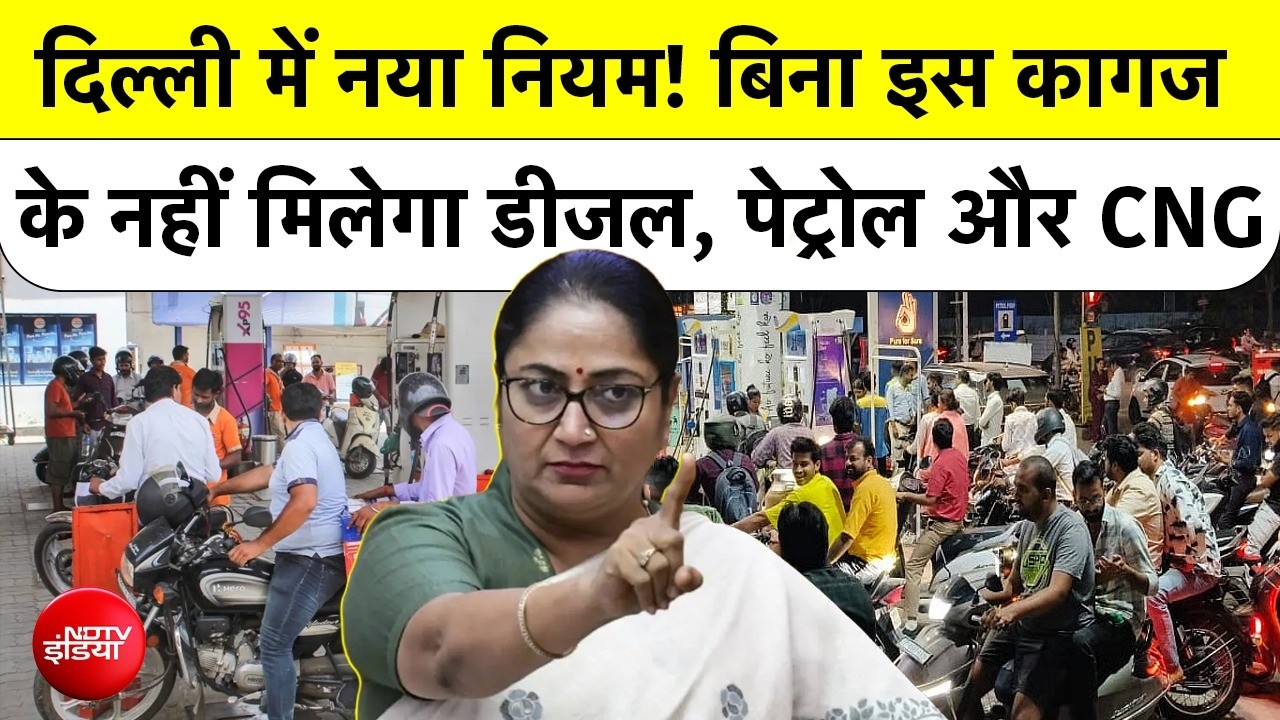
Starting November 1, petrol and diesel vehicles registered outside Delhi and not meeting BS-VI standards will be banned from entering the city, though CNG and electric vehicles are exempt.
- Written by Dr Sabine Kapasi | Tuesday September 29, 2026
Air pollution is often discussed as a cause of respiratory disease, but its effects extend to the heart and blood vessels.
- Edited by Debanish Achom | Monday September 28, 2026 , New Delhi
The steps include doubling parking charges, a complete ban on construction and demolition activity and work-from-home for government and private employees
- Written by Debosmita Ghosh | Friday September 25, 2026
Air purifiers are mainly designed to clean pollutants that are suspended in the air. A HEPA filter can trap very small particles and may help reduce indoor levels of particulate matter, dust, pollen and some other airborne particles. However, the performance of a purifier depends on several factors.
- Written by Dr Ankit Kumar Sinha | Friday September 25, 2026
To improve respiratory health, it is important to minimise exposure to polluted air, enhance indoor ventilation, adhere to workplace safety regulations, and promote physical activity.



................................ Advertisement ................................

Blog | Well Done, Delhi. You've Turned Lung Sacrifice Into A Badge Of HonourSaikat Kumar Bose
Monday November 10, 2025Till some years back, Delhiites would ask angry questions to those in power about the capitals annual tryst with toxic air. This has changed. Those in the driving seat dont see the need to answer now.
Opinion | Why Indians Have Just Given Up On Air Pollution CrisisTanushree Ganguly
Friday December 20, 2024While some may argue that people in Delhi are now more aware of air pollution than they were a decade back, my rebuttal would be that awareness does not mean that people are concerned.
Opinion | You Must Outrage Over Filthy Air More Than Once A YearJyoti Pande Lavakare
Tuesday December 10, 2024Delhi welcomed us with monsoon rains and mangos. We were home. Fast forward a couple of years, in the winter of 2012, I found myself in denial about something other parents, mostly expats, were calling toxic air.
Opinion | Delhi's Air Pollution Situation Is Like A Bad MarriageNishtha Gautam
Friday November 22, 2024On a good day, such as today, the AQI reading in Delhi is 407. We are jubilant at the sickly sunshine trickling through the slightly dissipated smog. At least its not 1600.
दिवाली... पराली... सियासी जुगाली!Ashwini kumar
Monday November 18, 2024दिल्ली-एनसीआर में प्रदूषण का समाधान तो आज तक मिला नहीं. हर साल चिंतित होकर हम-आप सांसों की तकलीफ के साथ-साथ दिल और ब्लड प्रेशर के मरीज भी क्यों बनें?


