


- Home/
- Delhi Master Plan 2047 Explained: 40 Lakh New Flats, Rental Units And New Rules For Yamuna Floodplain
Delhi Master Plan 2047 Explained: 40 Lakh New Flats, Rental Units And New Rules For Yamuna Floodplain
Written by Prateek Shukla | Updated: August 14, 2026 12:25 IST
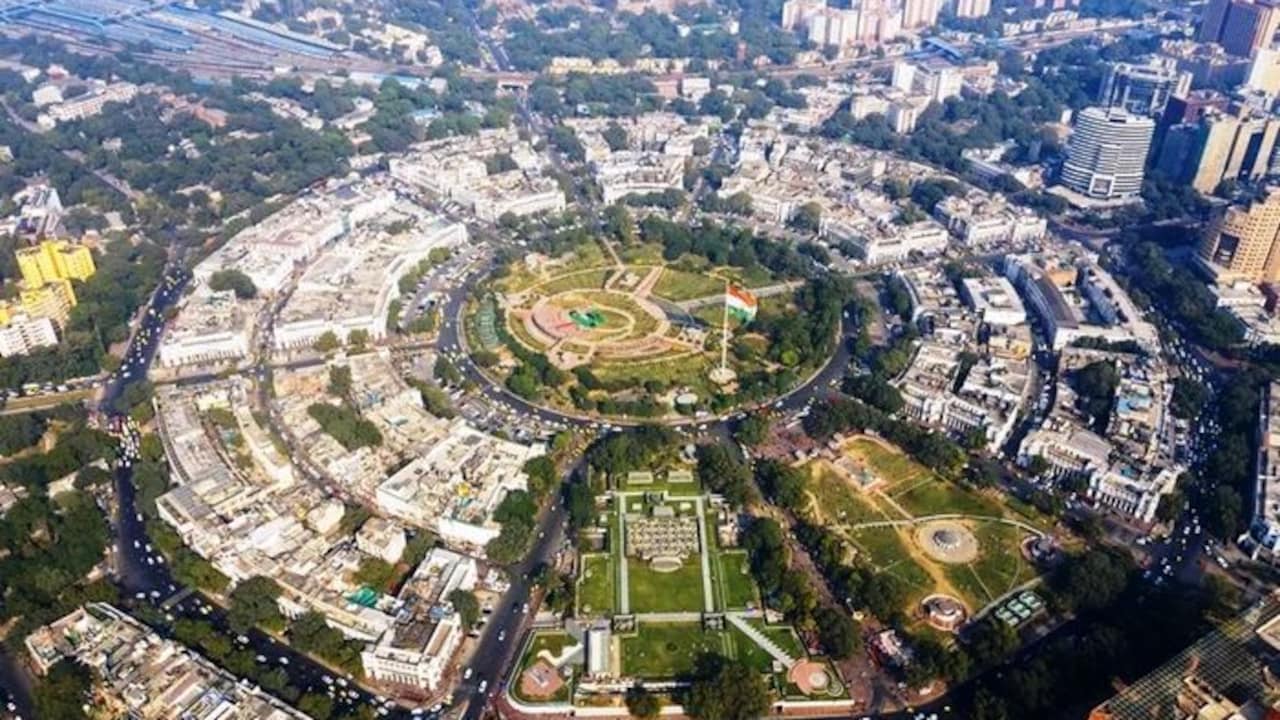
Delhi Master Plan 2047: The DDA will play a larger role in creating infrastructure, including roads.
Highlights
- Delhi Development Authority approves Master Plan 2047, now pending central approval
- Plan addresses Delhi's need for 40 lakh homes by 2047 with smaller and rental housing
- Focus on redevelopment of old housing, including DDA homes and group housing societies
New Delhi: 
The Delhi Development Authority (DDA) has approved the Master Plan for Delhi 2047. The blueprint will now be sent to the Ministry of Housing and Urban Affairs for final approval and notification.
At the centre of the masterplan is a familiar problem: lack of affodable housing in Delhi. By 2047, the city could need around 40 lakh additional homes as its population grows and household sizes shrink.
The answer proposed by the plan is a mix of smaller homes, rental housing, redevelopment and new growth centres. Also, Delhi's real estate story may slowly move beyond its traditional hotspots.
Smaller Homes To Become A Bigger Part Of Delhi
For middle-class families and young workers, size can be a painful trade-off. A larger flat can quickly push the budget out of reach. The new plan therefore proposes encouraging homes with carpet areas of 25 to 60 square metres.
The idea is to build smaller homes that more people can afford while making better use of Delhi's limited land. Land pooling and development around public transport hubs could generate a large part of the new housing supply. These areas could potentially add around 30 lakh housing units.
The Master Plan 2047 also recognises the need for more rental units in Delhi. It proposes more rental housing, including hostels for students and young workers, shared dormitories and dedicated worker housing. Private developers could also get incentives to build such projects.
Redevelopment Of Old Housing
The plan is not only about new construction. It also wants to make better use of the housing Delhi already has. Older residential areas, DDA housing, cooperative societies, resettlement colonies and employer-provided housing could be redeveloped or upgraded.
The DDA has approved a framework allowing redevelopment of old two-storey DDA homes built on individual plots. Many of these properties are more than 50 years old.
Older group-housing societies could also get a redevelopment push. For residents living in ageing colonies, this could eventually mean newer buildings and better infrastructure without having to move to the far edges of the city.
Binitha Dalal, Founder & Managing Partner, Mt. K Kapital, told NDTV that Delhi needs to create more homes within and around established urban centres, particularly near major employment hubs. "A sustainable city cannot keep pushing housing further away from where people work," Dalal said.
Dalal added that timely redevelopment can replace ageing structures while bringing modern housing, infrastructure and amenities into neighbourhoods that are already well connected to jobs and services.
Master Pan 2047: Beyond Traditional Delhi
As roads and mass transit improve, areas that were once considered too far from Delhi's main economic centres could become more attractive.
Mohit Goel, Managing Director, Omaxe Ltd., expects the Narela-Bawana belt in the north and north-west and the Najafgarh-Dwarka belt in the west and south-west to see greater development interest. "One of the biggest opportunities will be in areas that have historically been less connected to Delhi's main economic centres," Goel told NDTV.
He pointed to Urban Extension Road-II, saying the road is changing the connectivity equation for several outer Delhi areas by linking them with major highway corridors and adjoining NCR markets. Goel expects Faridabad, Noida and Greater Noida to play a bigger role in absorbing future residential and economic growth.
Meanwhile, Dalal said better road and public transport links could change the prospects of areas such as Alipur, Kanjhawala and the Mundka belt in Delhi.
More Construction Near Metro Corridors
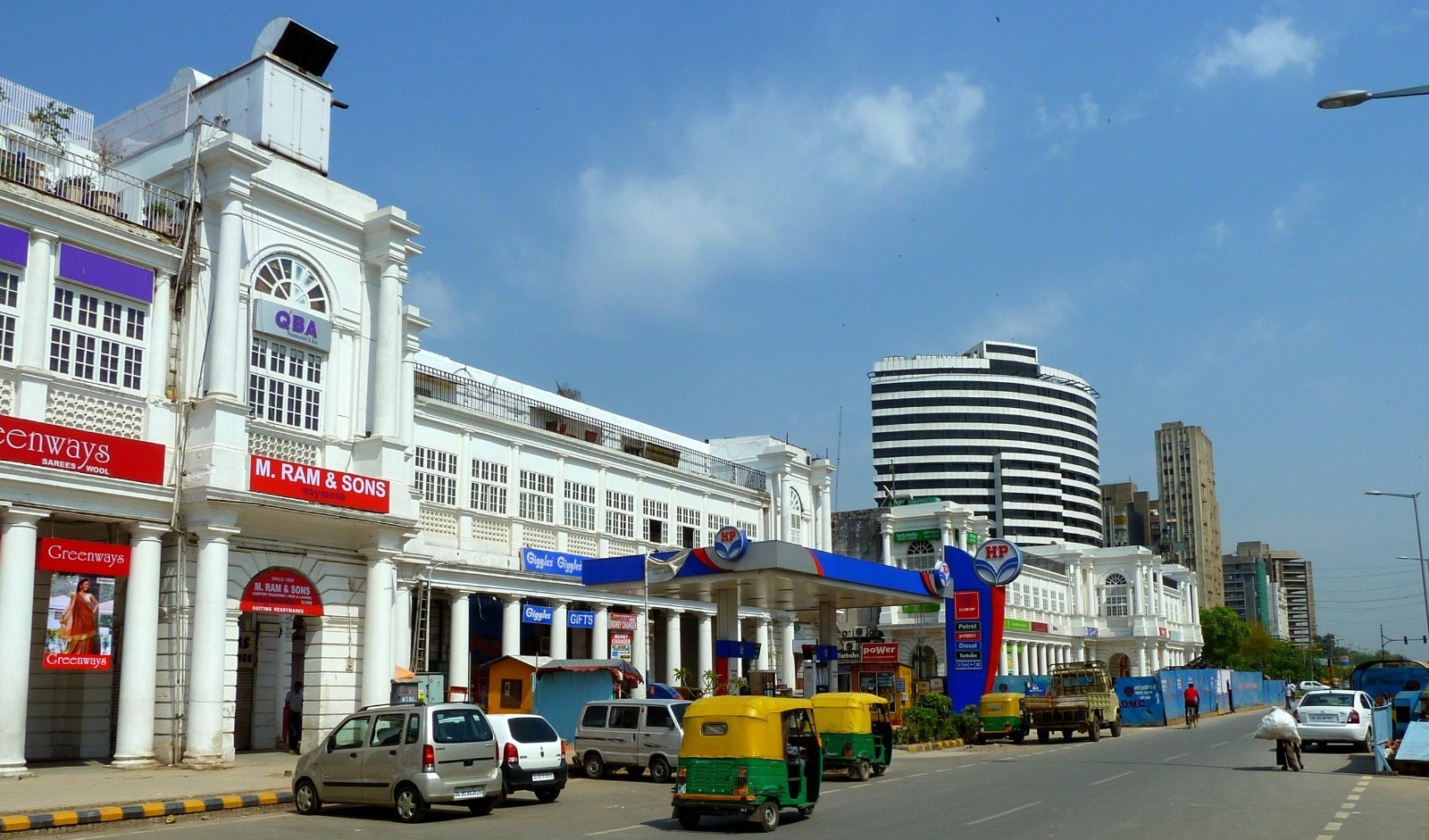
If you live close to a Metro station, the plan could eventually change the neighbourhood around you. The Master Plan gives a major role to Transit-Oriented Development (TOD). The idea is to build more homes and other facilities around public transport instead of forcing people to travel long distances every day.
The TOD zone covers areas within 500 metres of Metro corridors and within a 500-metre radius of RRTS and railway stations. Higher Floor Area Ratio (FAR) norms could allow more development in these locations. For Delhi, this could mean denser neighbourhoods around mass transit -- but also potentially better access to jobs, shops and public transport.
Land Pooling To Open Up New Areas
Delhi's housing expansion has long been held back by a basic problem: land. The Master Plan seeks to address this through the Land Pooling Policy.
Six zones have been identified for land pooling. The minimum area needed to develop a sector has also been reduced to 20 hectares from the earlier 100 acres. This could make it easier for smaller groups of landowners to participate in planned development.
The DDA will play a larger role in creating infrastructure, including roads. The policy is expected to open up new areas for housing while reducing the chances of unplanned growth.
New Yamuna Floodplain Rules
This is perhaps the most sensitive part of the plan. The Yamuna's O-Zone covers about 9,934 hectares of ecologically sensitive floodplain. Permanent urban, residential and commercial construction is largely restricted or prohibited there.
The new plan proposes splitting it into two parts. The riverbed would form one zone, while the outer floodplain would form another. The latter could see recreational development, including a planned 52-km cycle track.
That means the Master Plan is trying to walk a difficult line: make more land available for public use while protecting the Yamuna's floodplain.
"Going forward, we expect the strongest real estate opportunities to emerge around such integrated destinations and infrastructure corridors, rather than from isolated developments," Goel added.
Published: August 14, 2026 12:17 IST
- Reported by Reet Kaur Sahni | Friday August 07, 2026
As per the ministry, prior Environmental Clearance becomes mandatory for data centres depending on their physical footprint under Schedule 8 of the EIA Notification, 2006.
- Written by Sambhav Kumar | Thursday August 06, 2026
Keerthy Suresh's 41-hour no-sleep stretch highlights the intense demands many professionals face, but experts warn that prolonged sleep deprivation should never become routine.
- Written by Sambhav Kumar | Wednesday August 05, 2026
Preliminary evidence suggests the blood filtration treatment could reduce some microplastic particles, though findings are limited and require more study.
- Monday August 03, 2026 , New Delhi
Study reveals black crust from pollution weakens Humayuns Tomb sandstone
- Written by Debosmita Ghosh | Saturday August 01, 2026
Lung cancer is often diagnosed at an advanced stage because its early symptoms are easy to overlook. A persistent cough is among the most commonly ignored warning signs.



................................ Advertisement ................................

Blog | Well Done, Delhi. You've Turned Lung Sacrifice Into A Badge Of HonourSaikat Kumar Bose
Monday November 10, 2025Till some years back, Delhiites would ask angry questions to those in power about the capitals annual tryst with toxic air. This has changed. Those in the driving seat dont see the need to answer now.
Opinion | Why Indians Have Just Given Up On Air Pollution CrisisTanushree Ganguly
Friday December 20, 2024While some may argue that people in Delhi are now more aware of air pollution than they were a decade back, my rebuttal would be that awareness does not mean that people are concerned.
Opinion | You Must Outrage Over Filthy Air More Than Once A YearJyoti Pande Lavakare
Tuesday December 10, 2024Delhi welcomed us with monsoon rains and mangos. We were home. Fast forward a couple of years, in the winter of 2012, I found myself in denial about something other parents, mostly expats, were calling toxic air.
Opinion | Delhi's Air Pollution Situation Is Like A Bad MarriageNishtha Gautam
Friday November 22, 2024On a good day, such as today, the AQI reading in Delhi is 407. We are jubilant at the sickly sunshine trickling through the slightly dissipated smog. At least its not 1600.
दिवाली... पराली... सियासी जुगाली!Ashwini kumar
Monday November 18, 2024दिल्ली-एनसीआर में प्रदूषण का समाधान तो आज तक मिला नहीं. हर साल चिंतित होकर हम-आप सांसों की तकलीफ के साथ-साथ दिल और ब्लड प्रेशर के मरीज भी क्यों बनें?


