


- Home/
- Work-From-Home, Vehicle Ban, Construction Halt: Inside GRAP-3 Curbs
Work-From-Home, Vehicle Ban, Construction Halt: Inside GRAP-3 Curbs
Edited by NDTV News Desk | Updated: November 10, 2025 15:08 IST
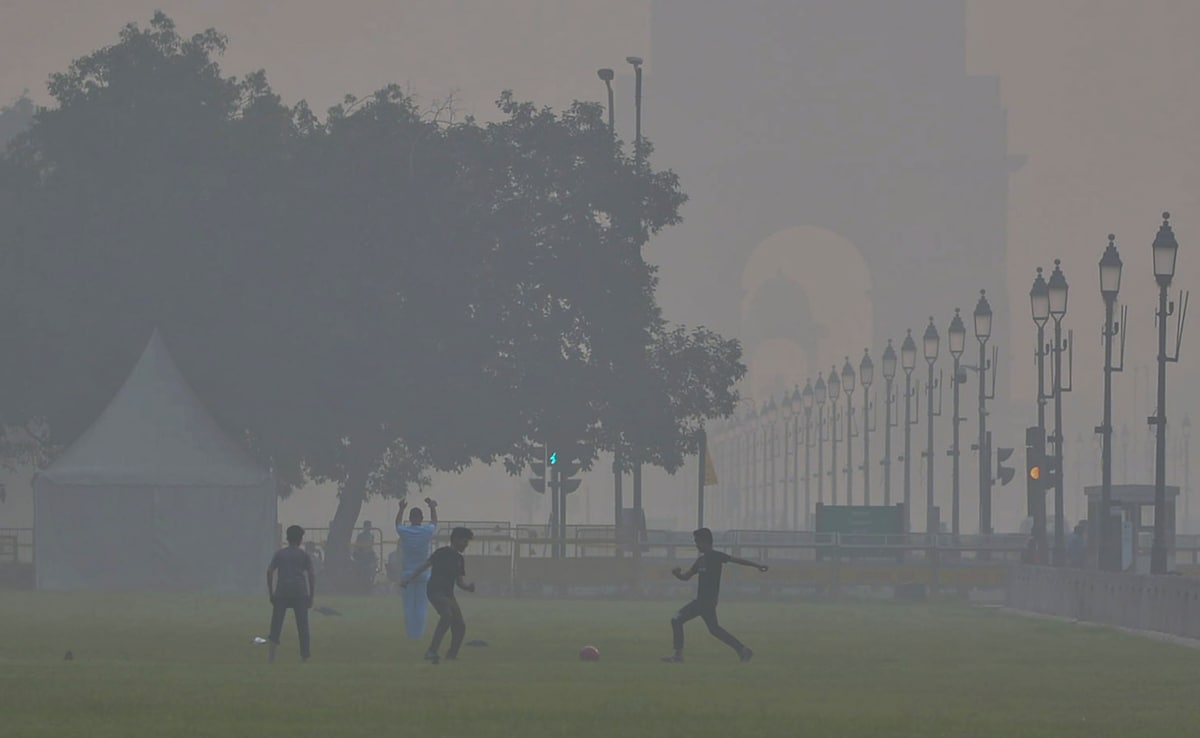
Under GRAP-3, when pollution reaches the severe category, stricter restrictions are enforced.
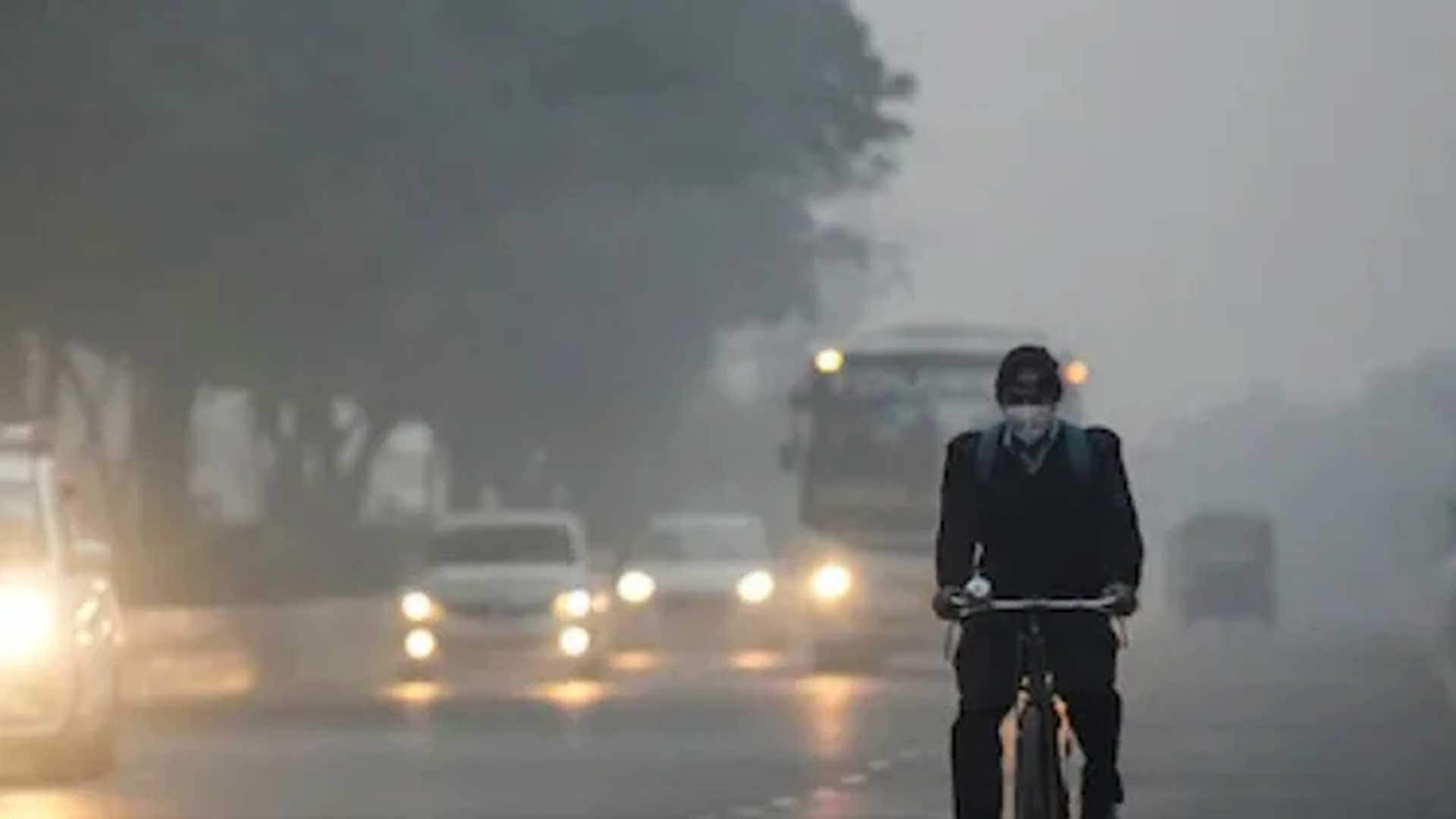
Delhi woke up to another day of thick smog, with the city's average Air Quality Index (AQI) at 347, in the “very poor” range. Pollution levels, which touched a near-“severe” 392 on Sunday, showed only marginal improvement.
Many parts of the city, including Anand Vihar and Chandni Chowk, continued to record AQI readings close to 400. The Commission for Air Quality Management (CAQM) has not yet enforced Stage 3 restrictions under the Graded Response Action Plan (GRAP), though authorities say curbs could follow if pollution levels worsen.
What Is GRAP?
The Graded Response Action Plan (GRAP) is a framework designed to tackle air pollution in the Delhi-NCR region through a tiered system of measures based on the severity of air quality. It outlines specific actions for four stages of pollution levels:
- Stage 1: Poor (AQI 201-300)
- Stage 2: Very Poor (AQI 301-400)
- Stage 3: Severe (AQI 401-450)
- Stage 4: Severe Plus (AQI above 450)
Under GRAP-3, when pollution reaches the severe category (AQI 401-450), stricter restrictions are enforced.
Restrictions Under GRAP-3
- Complete ban on non-essential construction and demolition activities, including earthwork, piling, trenching, and open-air operations of Ready-Mix Concrete (RMC) plants.
- Prohibition on plying of BS-3 petrol and BS-4 diesel four-wheelers in Delhi and neighbouring NCR districts.
- Ban on transport of construction materials like sand and cement, especially on unpaved roads.
- Closure of stone crushers, mining, and hot-mix plants not running on clean fuel.
- Ban on diesel generator sets, except for emergency and essential services.
- Restriction on inter-state diesel buses entering or operating in Delhi.
- Advisory for private companies to implement work-from-home or hybrid mode to curb vehicular emissions.
- Closure of schools up to Class 5, with classes shifted to online mode to protect young children from toxic air.
Exemptions Of GRAP-3
Essential public projects such as railways, metro construction, airports, defence, sanitation, and healthcare facilities are allowed to continue under strict dust and waste management norms.
Area-wise AQI (Monday)
- Bawana: 412
- Jahangir Puri: 394
- Burari Crossing: 389
- Nehru Nagar: 386
- Chandni Chowk: 365
- Anand Vihar: 379
- Ashok Vihar: 373
Neighbouring cities, including Noida and Ghaziabad, saw only marginal relief.
Last year, the Supreme Court asked the Commission for Air Quality Management (CAQM) to enforce Stage 3 once the AQI touched 350 instead of 400. In December 2024, the CAQM revised the GRAP rules, moving several stricter curbs, like daily road cleaning, water sprinkling, limits on diesel generators, and polluting buses, to Stage 2. As a result, Stage 3 and Stage 4 restrictions will now be imposed only when the AQI crosses 400 and 450, respectively.
Published: November 10, 2025 12:28 IST
 Reported by Reet Kaur Sahni | Tuesday September 29, 2026
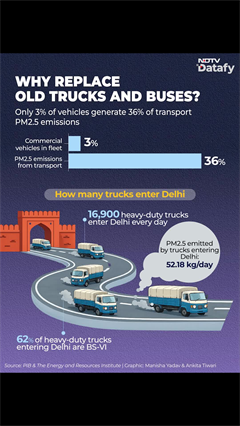
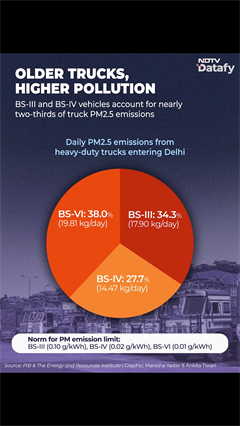
Starting November 1, petrol and diesel vehicles registered outside Delhi and not meeting BS-VI standards will be banned from entering the city, though CNG and electric vehicles are exempt.
- Written by Dr Sabine Kapasi | Tuesday September 29, 2026
Air pollution is often discussed as a cause of respiratory disease, but its effects extend to the heart and blood vessels.
- Edited by Debanish Achom | Monday September 28, 2026 , New Delhi
The steps include doubling parking charges, a complete ban on construction and demolition activity and work-from-home for government and private employees
- Written by Debosmita Ghosh | Friday September 25, 2026
Air purifiers are mainly designed to clean pollutants that are suspended in the air. A HEPA filter can trap very small particles and may help reduce indoor levels of particulate matter, dust, pollen and some other airborne particles. However, the performance of a purifier depends on several factors.
- Written by Dr Ankit Kumar Sinha | Friday September 25, 2026
To improve respiratory health, it is important to minimise exposure to polluted air, enhance indoor ventilation, adhere to workplace safety regulations, and promote physical activity.

................................ Advertisement ................................

Blog | Well Done, Delhi. You've Turned Lung Sacrifice Into A Badge Of HonourSaikat Kumar Bose
Monday November 10, 2025Till some years back, Delhiites would ask angry questions to those in power about the capitals annual tryst with toxic air. This has changed. Those in the driving seat dont see the need to answer now.
Opinion | Why Indians Have Just Given Up On Air Pollution CrisisTanushree Ganguly
Friday December 20, 2024While some may argue that people in Delhi are now more aware of air pollution than they were a decade back, my rebuttal would be that awareness does not mean that people are concerned.
Opinion | You Must Outrage Over Filthy Air More Than Once A YearJyoti Pande Lavakare
Tuesday December 10, 2024Delhi welcomed us with monsoon rains and mangos. We were home. Fast forward a couple of years, in the winter of 2012, I found myself in denial about something other parents, mostly expats, were calling toxic air.
Opinion | Delhi's Air Pollution Situation Is Like A Bad MarriageNishtha Gautam
Friday November 22, 2024On a good day, such as today, the AQI reading in Delhi is 407. We are jubilant at the sickly sunshine trickling through the slightly dissipated smog. At least its not 1600.
दिवाली... पराली... सियासी जुगाली!Ashwini kumar
Monday November 18, 2024दिल्ली-एनसीआर में प्रदूषण का समाधान तो आज तक मिला नहीं. हर साल चिंतित होकर हम-आप सांसों की तकलीफ के साथ-साथ दिल और ब्लड प्रेशर के मरीज भी क्यों बनें?


