


- Home/
- Delhi Gears Up for Winter Smog With 17-Point Action Plan
Delhi Gears Up for Winter Smog With 17-Point Action Plan
Reported by Ishika Verma | Updated: September 10, 2025 00:15 IST
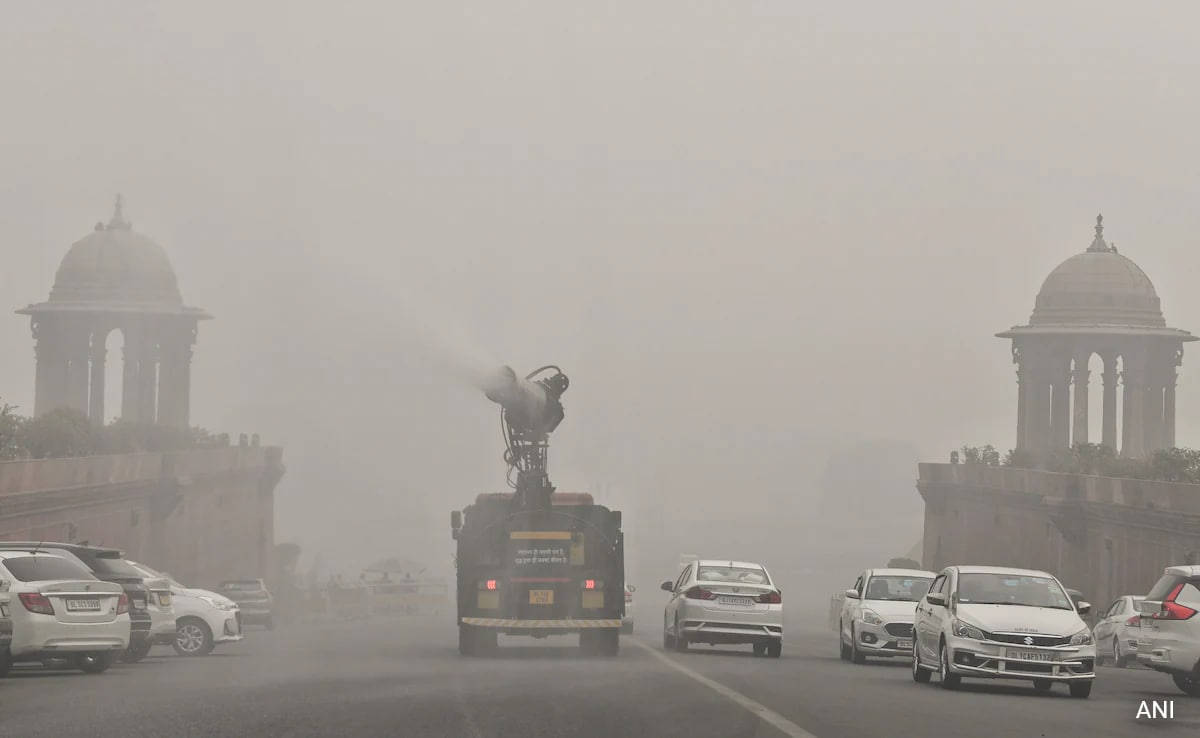
So far, 219 mist sprayers have been installed at 13 pollution hotspots. (File)
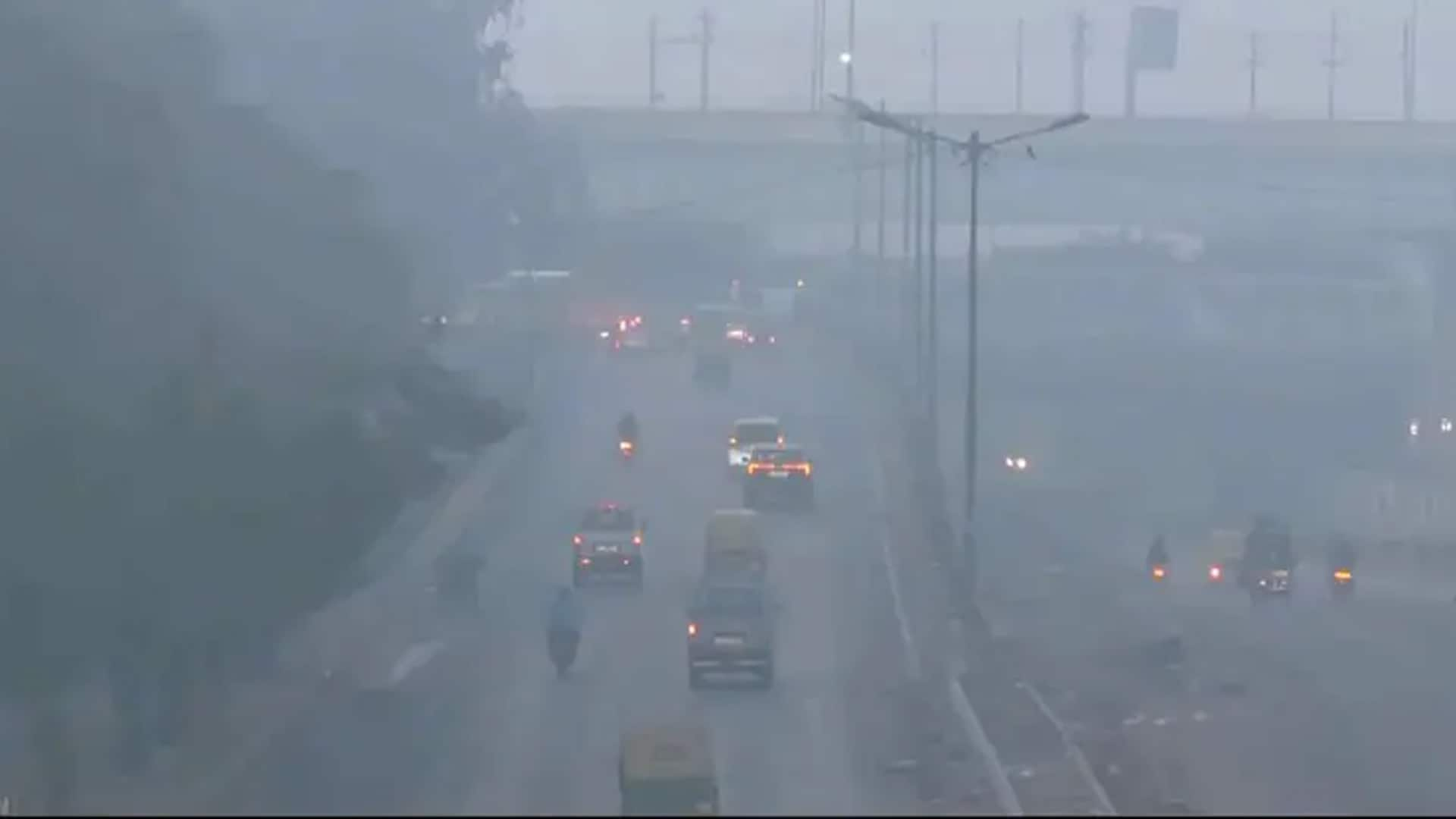
With Delhi's dreaded smog season just weeks away, Environment Minister Manjinder Singh Sirsa on Tuesday reviewed the city's 17-point Winter 2025 Air Pollution Control Action Plan, directing departments to complete preparations by October.
According to officials, the plan includes large-scale dust suppression efforts. So far, 219 mist sprayers have been installed at 13 pollution hotspots, while 174 anti-smog guns are being deployed on high-rise buildings across the capital.
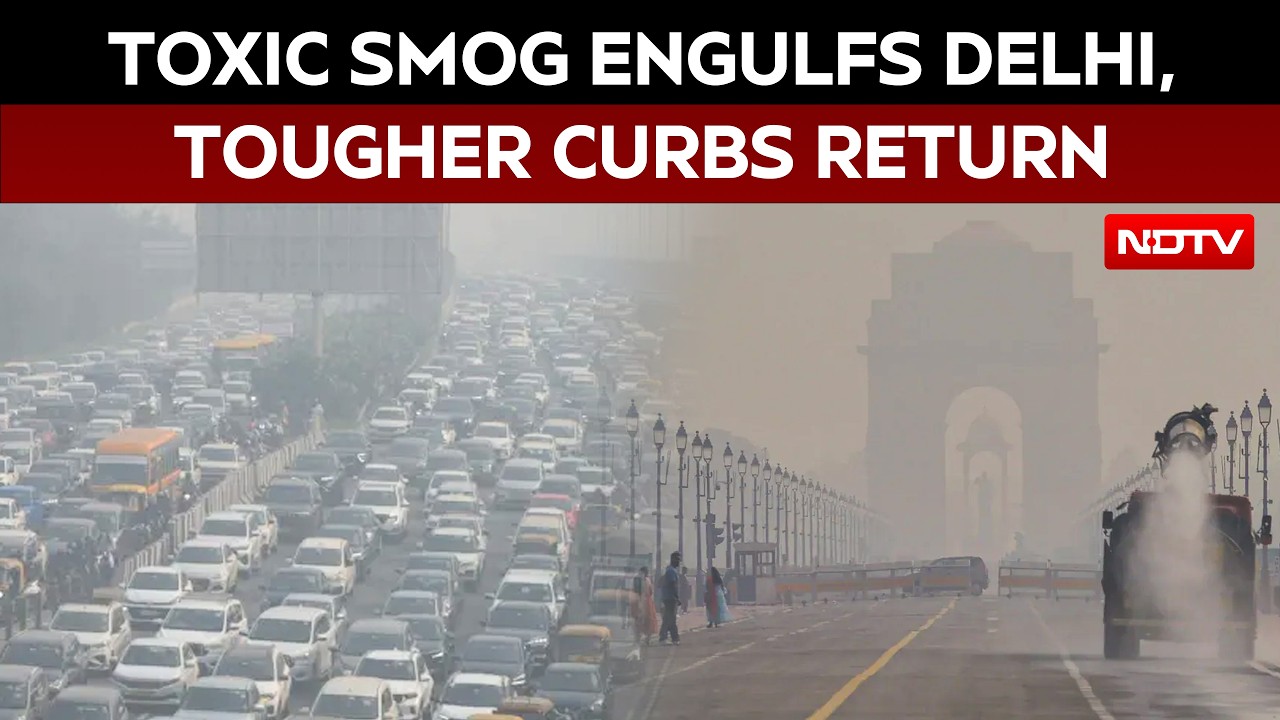
Road checks have also been stepped up citywide. Till August, 5.95 lakh challans for vehicles without PUC (Pollution Under Control) certificates were issued, the highest in five years. Enforcement teams checked over 10.8 lakh non-destined goods vehicles, turning back 64,214 trucks. Nearly 9.5 lakh challans were issued for illegal parking, while 1.28 lakh vehicles were impounded or towed away.
On other fronts, officials said no landfill fire has occurred this year. Bio-mining work is underway at dump sites, and 1,925 industries have shifted to cleaner fuels, with 50 more in line. To curb winter biomass burning, 576 heaters have been distributed to RWAs.
'Cleaner Air For All'
Mr Sirsa directed departments to accelerate road repairs, dust control at construction sites, and roadside greening. "We have pledged to tackle air pollution round the clock and around the year, with every stakeholder committed to cleaner air for all," he said.
According to the environment department, this year's plan also emphasises citizen involvement, with awareness campaigns in schools and local communities. Mr Sirsa said he has asked for stronger green war rooms and quicker complaint redressal systems. He also announced he would personally inspect Delhi's three landfill sites in the coming weeks to monitor bio-mining progress.
Published: September 10, 2025 00:15 IST
 Reported by Reet Kaur Sahni | Monday November 09, 2026 , New Delhi
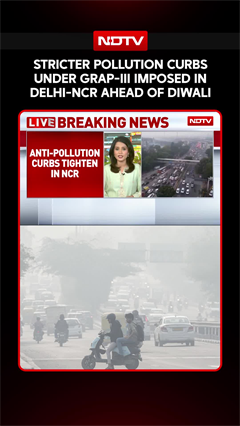
In the run-up to Diwali, the Commission for Air Quality Management (CAQM) enforced Stage 3 of the Graded Response Action Plan (GRAP) across Delhi-NCR.
- Written by Dr Navina Singh | Sunday November 08, 2026
Phthalates, found in certain plastics and personal care products, are potent endocrine disruptors, a classification that is well established and firmly supported by research.
- Written by Noor Ul Haq | Sunday November 08, 2026
Mumbai and Thane recorded severe air quality readings on Diwali night, with AQI at 278 and 298, respectively, as firecracker emissions added to the city's pollution burden.
- Sunday November 08, 2026
The air quality is forecast to turn 'severe' on Monday following Diwali celebrations, combined with vehicular emissions, as well as the peak stubble-burning season.
- Written by Dr Shibal Bhartiya | Sunday November 08, 2026
A little irritation on a smoggy day is common and usually manageable. If something feels more than uncomfortable, or if vision is affected, get it examined rather than waiting for the air to clear.


................................ Advertisement ................................
दीवाली की चौखट पर दिल्ली में सांसों का संकट: 30 साल की स्टडी ने हरियाली को लेकर क्या बताया?
Thursday November 05, 2026अध्ययन में हरियाली की मात्रा के साथ उसके फैलाव और आपसी जुड़ाव को भी महत्वपूर्ण पाया गया. जिन इलाकों में हरियाली ज्यादा बिखरी हुई थी, वहां सतही तापमान अधिक रहा. इसके विपरीत, बड़े और आपस में जुड़े हरित क्षेत्रों में तापमान कम पाया गया.
Opinion: Why Delhi's Smog Can't Be Fixed From SpaceDavid Fickling, Bloomberg
Monday October 19, 2026The clearest sign that Delhi is on a path to cleaner air would be a decline in the amount of paddy grown nearby, and therefore the acreage liable to be burned each year.
Don't Normalise Air Purifiers As Delhi Chokes | The Reason Why
Thursday December 11, 2025More than 90 cities in the world's top 100 polluting list are in India. With every passing year, the AQI is rising, reaching 'hazardous' levels.
Blog | Well Done, Delhi. You've Turned Lung Sacrifice Into A Badge Of HonourSaikat Kumar Bose
Monday November 10, 2025Till some years back, Delhiites would ask angry questions to those in power about the capitals annual tryst with toxic air. This has changed. Those in the driving seat dont see the need to answer now.
Opinion | Why Indians Have Just Given Up On Air Pollution CrisisTanushree Ganguly
Friday December 20, 2024While some may argue that people in Delhi are now more aware of air pollution than they were a decade back, my rebuttal would be that awareness does not mean that people are concerned.




