


- Home/
- Delhi Schools Shift To Online Classes For Nursery To Class 5 Amid 'Severe' Air Pollution
Delhi Schools Shift To Online Classes For Nursery To Class 5 Amid 'Severe' Air Pollution
| Updated: December 15, 2025 19:37 IST

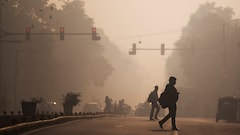
A municipal truck sprays water on a roadside to suppress dust and pollution amid dense foggy conditions, in New Delhi, Monday, Dec. 15, 2025.
Highlights
- Delhi government orders shift to online classes for nursery to Class-5 due to severe pollution
- Physical classes for nursery to Class-5 in all schools are suspended until further notice
- Classes for higher grades will continue in hybrid mode as per education department guidelines
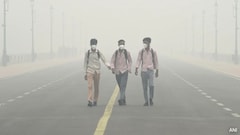
The Delhi government on Monday directed schools to shift from hybrid to online mode for students up to Class-5 in view of the severe air pollution levels in the national capital.
According to a circular issued by the Directorate of Education, physical classes for students of nursery to Class-5 in all government, government-aided and unaided recognised private schools in Delhi have been discontinued until further orders.
The decision has been taken due to the prevailing high Air Quality Index (AQI) in the city, it said.
Schools have been directed to conduct classes for these students only in online mode. However, classes for the remaining grades will be conducted in hybrid mode, according to the directions issued by the education department on Dec. 13.
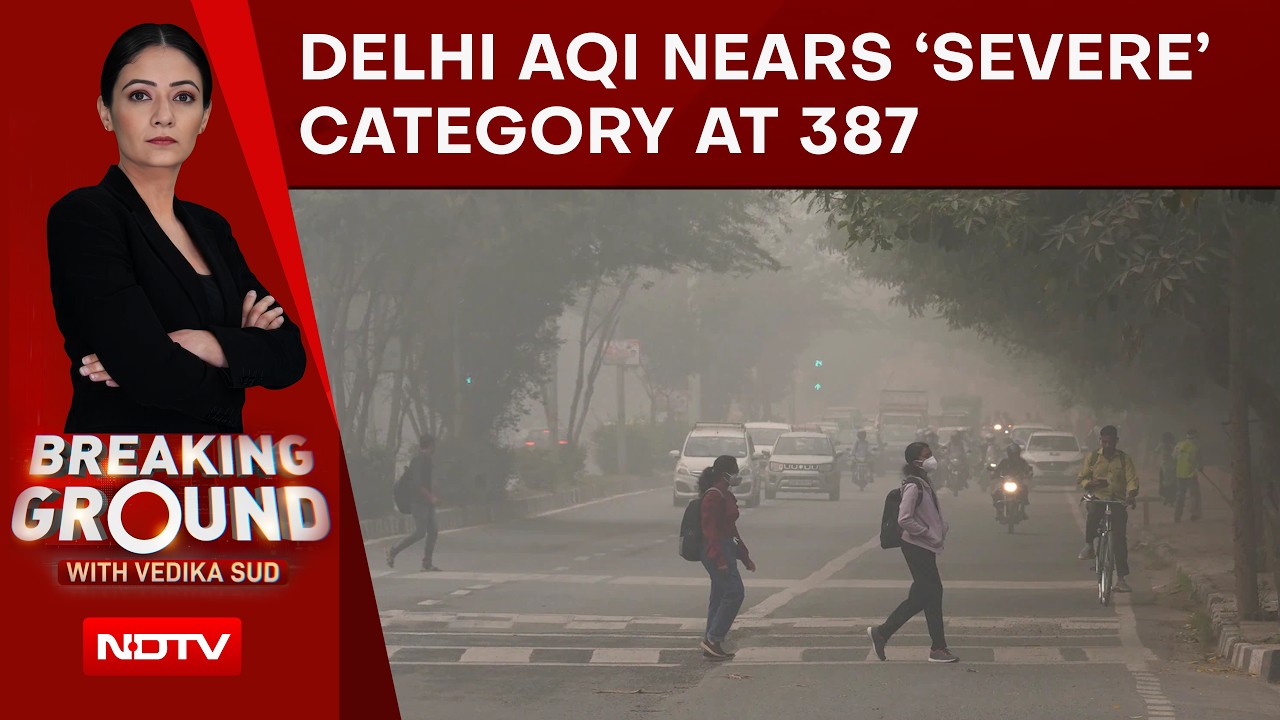
Delhi's AQI stood in the ‘severe' category on Monday with a reading of 427, after touching the second highest AQI on record for December on Sunday at 461.
According to the Central Pollution Control Board (CPCB), the air quality was ‘severe' at 27 monitoring stations across the city on Monday, with 12 stations in the ‘very poor' range. Wazirpur recorded the worst air quality at 475.
According to the CBCP, an AQI between 0 and 50 is considered 'good', 51 and 100 'satisfactory', 101 and 200 'moderate', 201 and 300 'poor', 301 and 400 'very poor', and 401 and 500 'severe'.
Delhi Dystopia: With Highest AQI Of Season At 461, Air Quality Remains 'Severe'Published: December 15, 2025 19:37 IST
also read
Delhi AQI At 373 As GRAP 3 Curbs Kick In; Mumbai, Kolkata Record Unhealthy Air Quality
Author: Vishesh NagarOne City, Two AQI Numbers: Why Delhi's Air Pollution Readings Differ Across Websites
Author: Vaishnavi MishraDelhi-NCR Air Pollution Like Smoking 30 Cigarettes a Day', Supreme Court Told
Author: Vishesh Nagar
 Reported by Sneha Mordani, Edited by Prapti Upadhayay | Friday November 06, 2026 , New Delhi
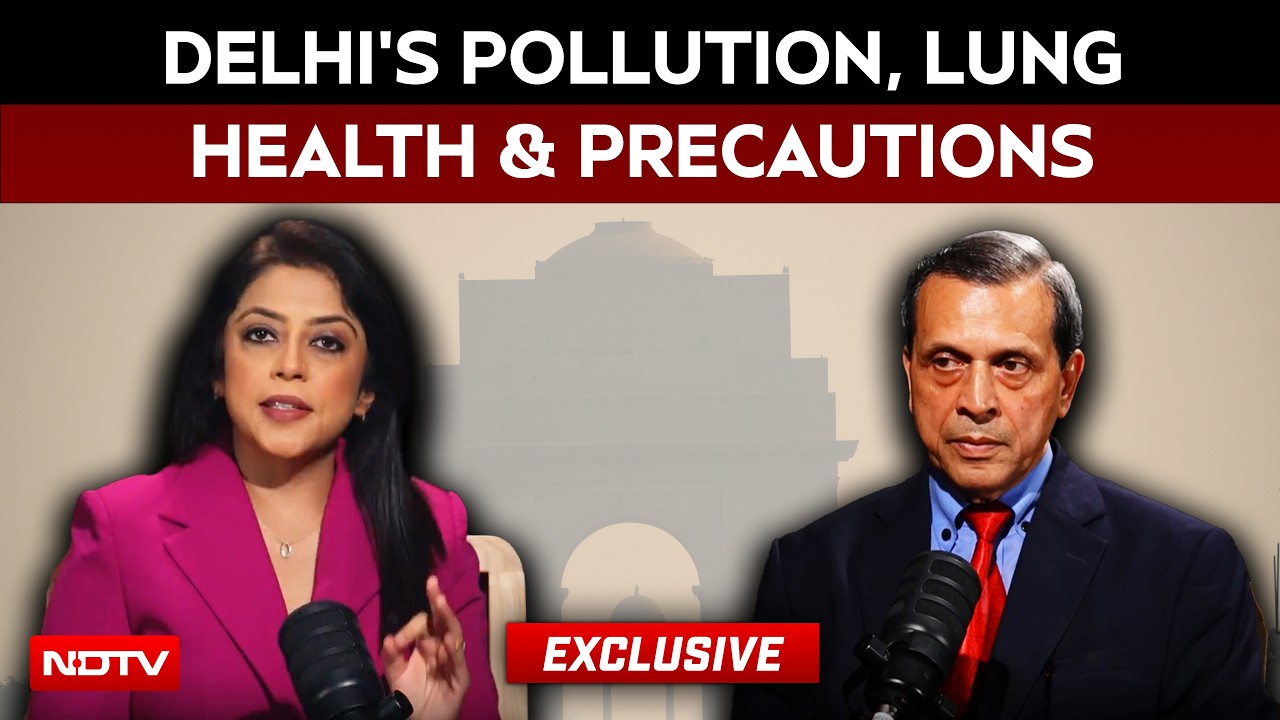
Dr Guleria said there is growing evidence, from India and abroad, that living for long in polluted air raises the risk of lung cancer. He said poor air exposes the lungs to mutations, and both lab studies and clinical data suggest the risk rises among non-smokers as well.
- Written by Ambika Singh Kahma | Friday November 06, 2026
Lung cancer cases are rising among women, younger people, and non-smokers, highlighting risks beyond tobacco such as air pollution.
- Written by Vishesh Nagar | Friday November 06, 2026
From Delhi's AQI of 275 to Bengaluru's 60, here's how air quality compares across six Indian cities.
- Friday November 06, 2026 , New Delhi
The Commission for Air Quality Management (CAQM) on Friday invoked Stage-III of the Graded Response Action Plan (GRAP) across Delhi and the entire National Capital Region, amid an increase in pollution levels in the National Capital Region (NCR).
- NDTV News Desk | Friday November 06, 2026 , Delhi
While GRAP-III is typically invoked when the air quality turns "severe" and the AQI hits 400, the pollution board invoked it early as a precautionary measure.
................................ Advertisement ................................
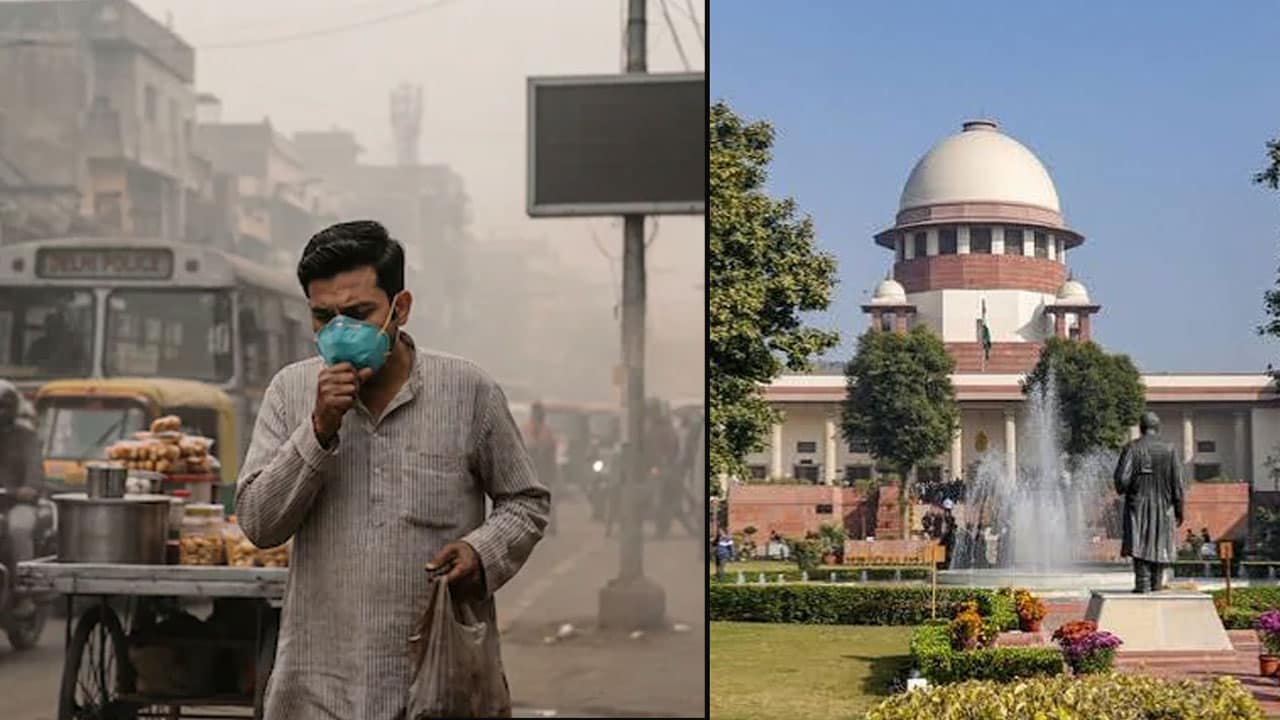
दीवाली की चौखट पर दिल्ली में सांसों का संकट: 30 साल की स्टडी ने हरियाली को लेकर क्या बताया?
Thursday November 05, 2026अध्ययन में हरियाली की मात्रा के साथ उसके फैलाव और आपसी जुड़ाव को भी महत्वपूर्ण पाया गया. जिन इलाकों में हरियाली ज्यादा बिखरी हुई थी, वहां सतही तापमान अधिक रहा. इसके विपरीत, बड़े और आपस में जुड़े हरित क्षेत्रों में तापमान कम पाया गया.
Opinion: Why Delhi's Smog Can't Be Fixed From SpaceDavid Fickling, Bloomberg
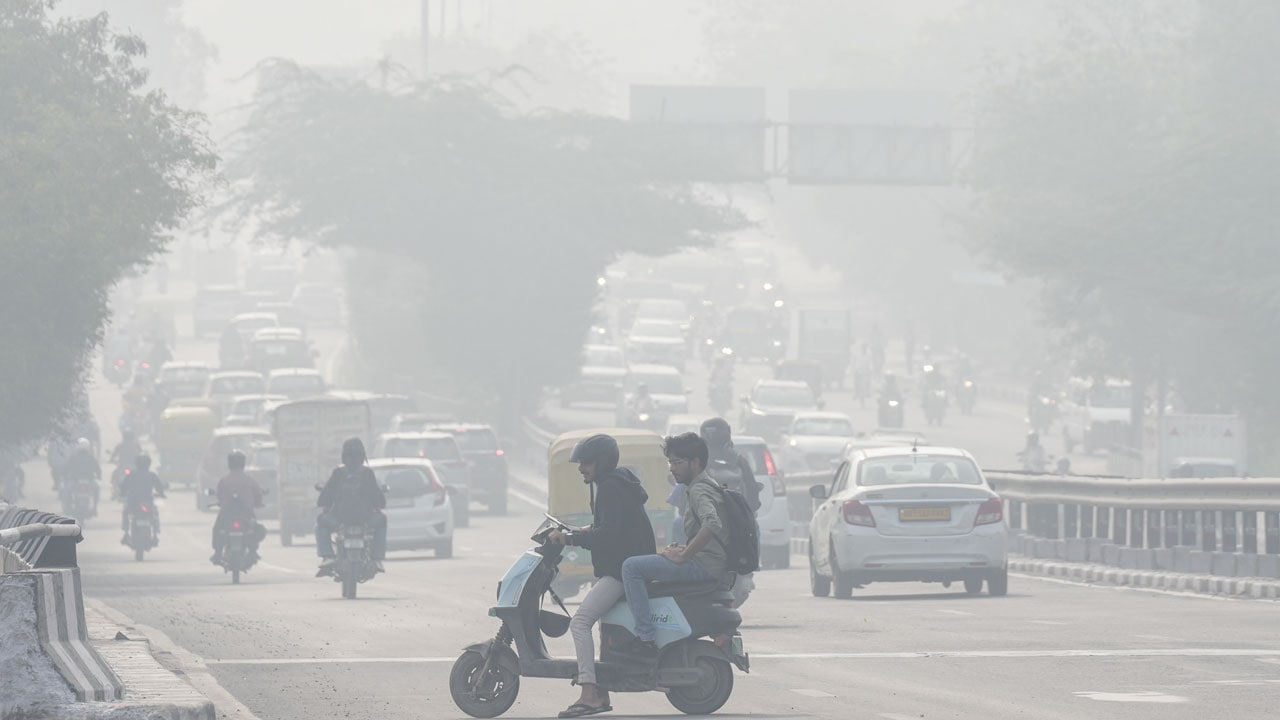
Monday October 19, 2026The clearest sign that Delhi is on a path to cleaner air would be a decline in the amount of paddy grown nearby, and therefore the acreage liable to be burned each year.
Don't Normalise Air Purifiers As Delhi Chokes | The Reason Why
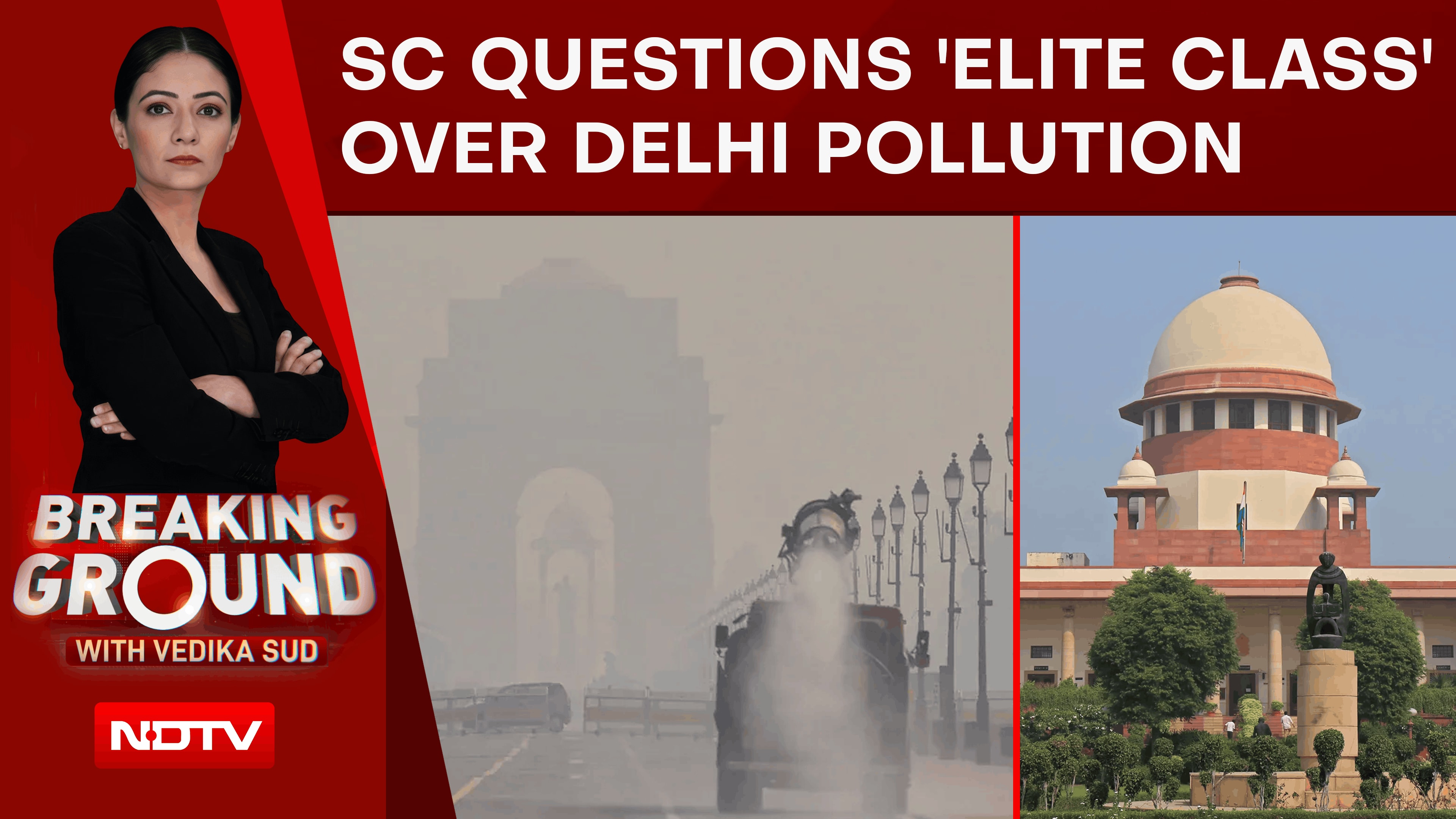
Thursday December 11, 2025More than 90 cities in the world's top 100 polluting list are in India. With every passing year, the AQI is rising, reaching 'hazardous' levels.
Blog | Well Done, Delhi. You've Turned Lung Sacrifice Into A Badge Of HonourSaikat Kumar Bose
Monday November 10, 2025Till some years back, Delhiites would ask angry questions to those in power about the capitals annual tryst with toxic air. This has changed. Those in the driving seat dont see the need to answer now.
Opinion | Why Indians Have Just Given Up On Air Pollution CrisisTanushree Ganguly
Friday December 20, 2024While some may argue that people in Delhi are now more aware of air pollution than they were a decade back, my rebuttal would be that awareness does not mean that people are concerned.




Comments
