


- Home/
- Delhi, South Korea Discuss Clean Energy, Air Quality Projects
Delhi, South Korea Discuss Clean Energy, Air Quality Projects
Written by Ishika Verma | Updated: June 16, 2025 22:09 IST

Highlights
- Delhi's Environment Minister met with South Korea's KEIA to discuss green industry cooperation.
- The meeting focused on potential projects under Seoul's Overseas Development Assistance for Delhi.
- KEIA presented Korean environmental technologies, including pollution control and hydrogen energy.
New Delhi:
Delhi's Environment Minister Manjinder Singh Sirsa met a senior delegation from the South Korea's Environmental Industry Association (KEIA) at the Delhi Secretariat to explore green industry cooperation between the two countries.
The meeting focussed on potential projects under Seoul's Overseas Development Assistance (ODA) programme to support Delhi's ambitious green goals.
The delegation comprised Park Jeong Wook, Deputy Director, International Cooperation Bureau - Global Green Project Team; Choi Jina, Secretary General, KEIA; and Im Su Hyun from KEIA's Planning & Coordination Team.
Key Discussions In The Meeting
Exploring joint pilot projects for effective monitoring and improving air quality in the capital
During the meeting, KEIA presented a detailed catalogue of Korean environmental technologies spanning hydrogen energy, upcycling, pollution control systems, and digital environmental management. The delegation expressed readiness to work with the Delhi government on pilot projects and joint knowledge-sharing platforms.
The delegation also expressed the intent to work with government departments and agencies on technology pilot projects, public awareness programmes, and technical assistance under their global ODA platform.
"We are particularly encouraged by KEIA's willingness to collaborate on research partnerships and knowledge sharing. Their model of government-industry-academia synergy aligns well with Delhi's integrated approach toward green governance and can significantly help us in monitoring and improving Delhi's air quality," Mr Sirsa said.
Korea-India Environmental Innovation Forum in Delhi
Both sides discussed the potential for organising a Korea-India Environmental Innovation Forum in Delhi - a platform that would bring together Korean technology providers, Indian urban bodies, and global experts to drive joint environmental solutions.
Mr Sirsa said, "Delhi is actively implementing Asia's most forward-looking environmental action plan. Our efforts are focused on reducing industrial emissions, strengthening circular economy models, and building climate-resilient infrastructure. This interaction with KEIA opens a window to bring proven Korean green technologies to India's capital. Under the visionary leadership of Prime Minister Narendra Modi and the dynamic guidance of Chief Minister Rekha Gupta, we are committed to making Delhi a model for sustainable urban development in the Global South."
This engagement marks a key milestone in Delhi's growing portfolio of international partnerships that can play a pivotal role in improving air quality, reducing industrial pollution, and fostering climate resilience.
Published: June 16, 2025 22:09 IST
also read
Delhi Air "Silent Epidemic": Ex-AIIMS Chief On Why People Are Falling Sick
Reported by Sneha Mordani, Edited by Prapti UpadhayayClasses In Hybrid Mode, Restrictions On Cars: What Changes Under GRAP-III
NDTV News DeskStricter Pollution Curbs Under GRAP-III Imposed In Delhi-NCR Ahead Of Diwali
Reported by Reet Kaur Sahni
 Reported by Sneha Mordani, Edited by Prapti Upadhayay | Friday November 06, 2026 , New Delhi
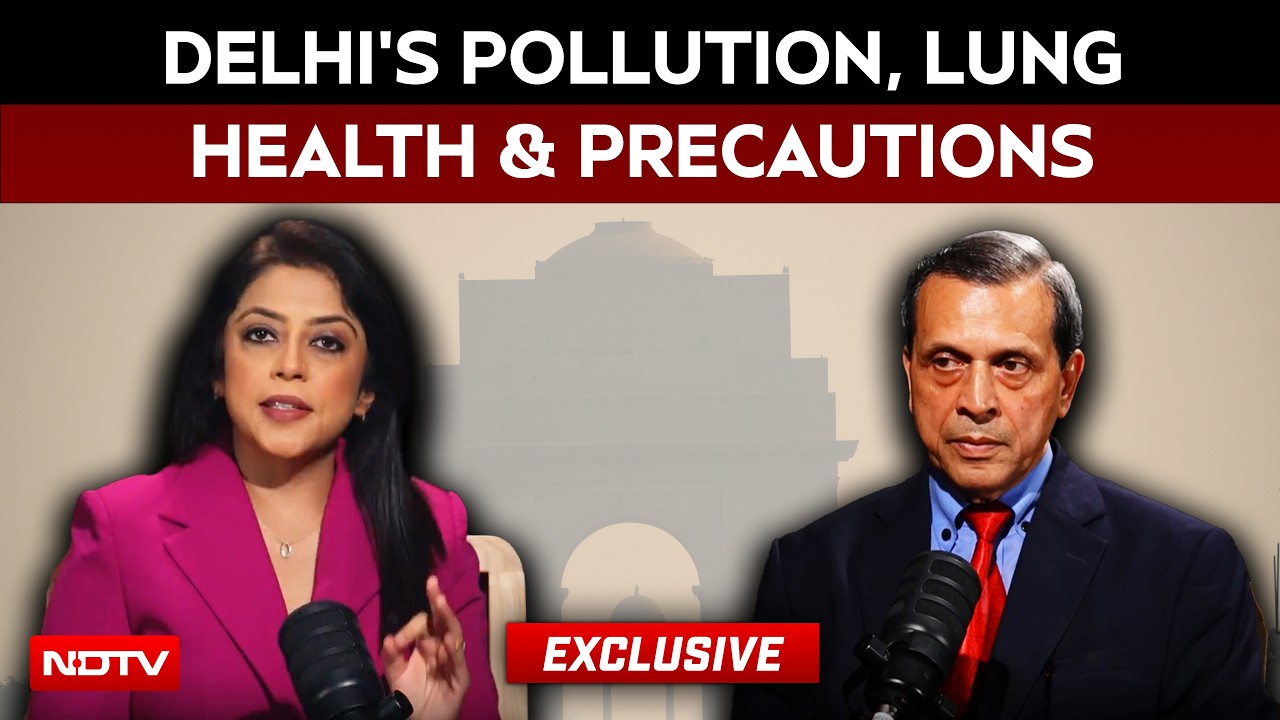
Dr Guleria said there is growing evidence, from India and abroad, that living for long in polluted air raises the risk of lung cancer. He said poor air exposes the lungs to mutations, and both lab studies and clinical data suggest the risk rises among non-smokers as well.
- Written by Ambika Singh Kahma | Friday November 06, 2026
Lung cancer cases are rising among women, younger people, and non-smokers, highlighting risks beyond tobacco such as air pollution.
- Written by Vishesh Nagar | Friday November 06, 2026
From Delhi's AQI of 275 to Bengaluru's 60, here's how air quality compares across six Indian cities.
- Friday November 06, 2026 , New Delhi
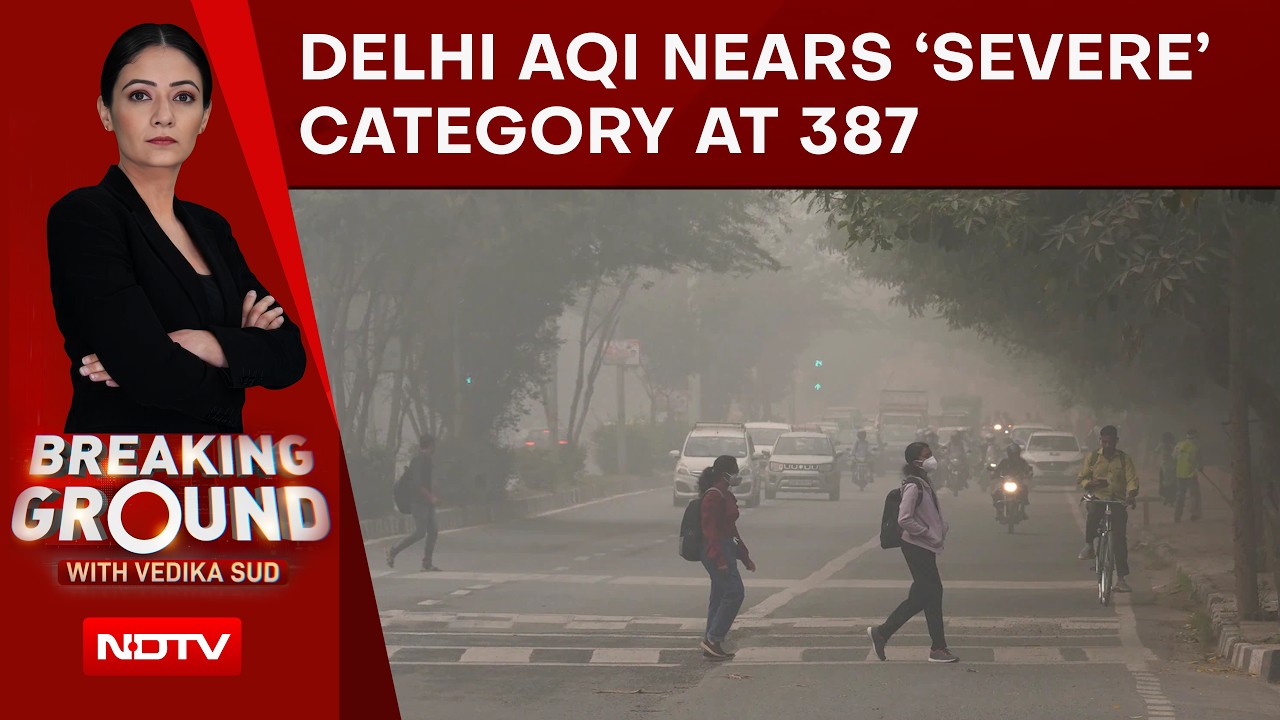
The Commission for Air Quality Management (CAQM) on Friday invoked Stage-III of the Graded Response Action Plan (GRAP) across Delhi and the entire National Capital Region, amid an increase in pollution levels in the National Capital Region (NCR).
- NDTV News Desk | Friday November 06, 2026 , Delhi
While GRAP-III is typically invoked when the air quality turns "severe" and the AQI hits 400, the pollution board invoked it early as a precautionary measure.
................................ Advertisement ................................
दीवाली की चौखट पर दिल्ली में सांसों का संकट: 30 साल की स्टडी ने हरियाली को लेकर क्या बताया?
Thursday November 05, 2026अध्ययन में हरियाली की मात्रा के साथ उसके फैलाव और आपसी जुड़ाव को भी महत्वपूर्ण पाया गया. जिन इलाकों में हरियाली ज्यादा बिखरी हुई थी, वहां सतही तापमान अधिक रहा. इसके विपरीत, बड़े और आपस में जुड़े हरित क्षेत्रों में तापमान कम पाया गया.
Opinion: Why Delhi's Smog Can't Be Fixed From SpaceDavid Fickling, Bloomberg
Monday October 19, 2026The clearest sign that Delhi is on a path to cleaner air would be a decline in the amount of paddy grown nearby, and therefore the acreage liable to be burned each year.
Don't Normalise Air Purifiers As Delhi Chokes | The Reason Why
Thursday December 11, 2025More than 90 cities in the world's top 100 polluting list are in India. With every passing year, the AQI is rising, reaching 'hazardous' levels.
Blog | Well Done, Delhi. You've Turned Lung Sacrifice Into A Badge Of HonourSaikat Kumar Bose
Monday November 10, 2025Till some years back, Delhiites would ask angry questions to those in power about the capitals annual tryst with toxic air. This has changed. Those in the driving seat dont see the need to answer now.
Opinion | Why Indians Have Just Given Up On Air Pollution CrisisTanushree Ganguly
Friday December 20, 2024While some may argue that people in Delhi are now more aware of air pollution than they were a decade back, my rebuttal would be that awareness does not mean that people are concerned.




