


- Home/
- Delhi's Toxic Air Now Triggering More Migraines, Neurological Issues, Say Doctors
Delhi's Toxic Air Now Triggering More Migraines, Neurological Issues, Say Doctors
Written by Tanushka Dutta | Updated: November 10, 2025 13:17 IST

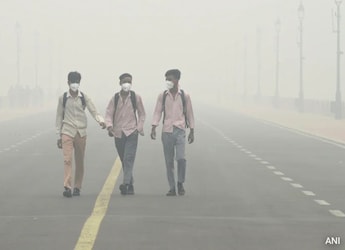
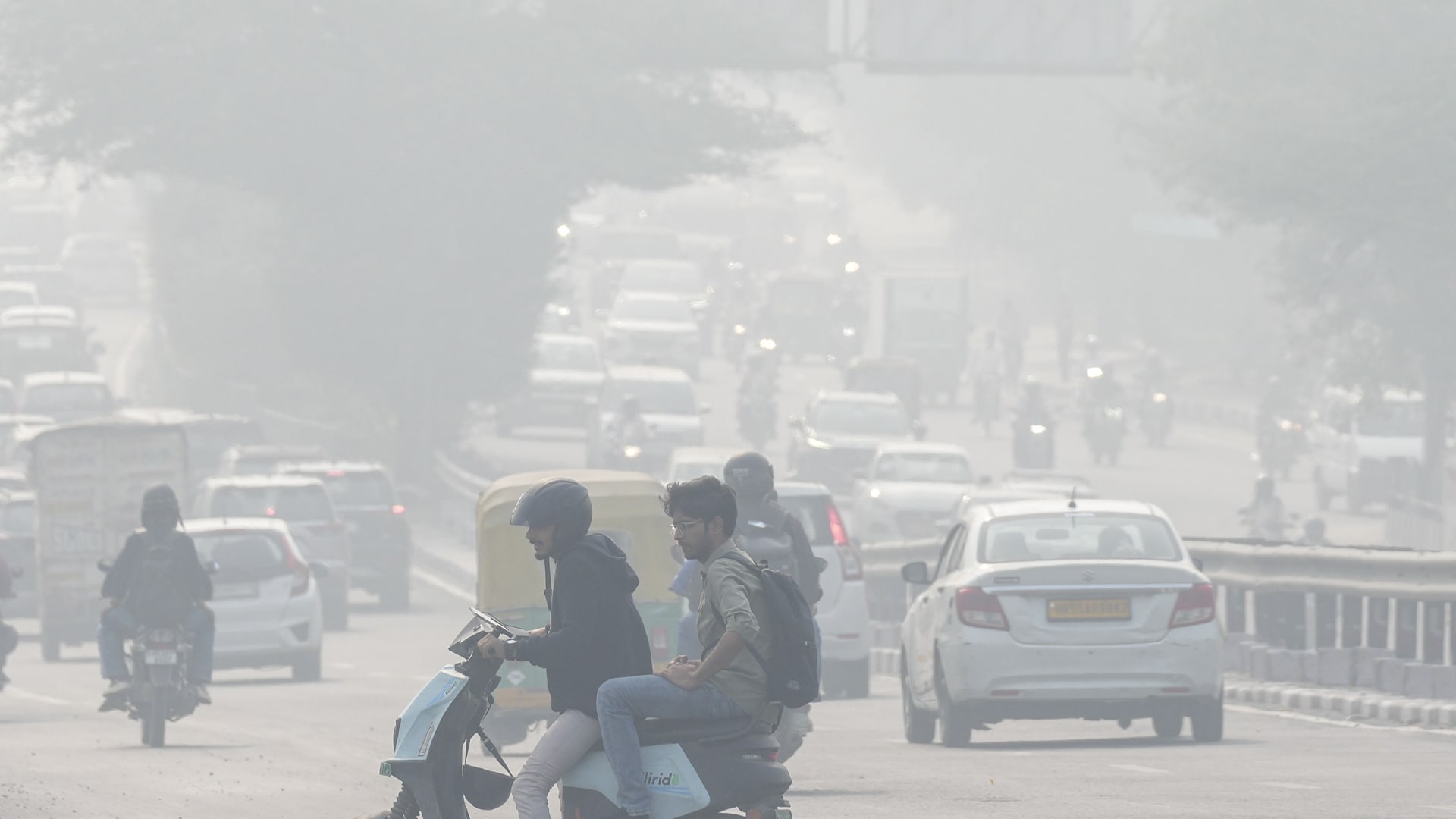
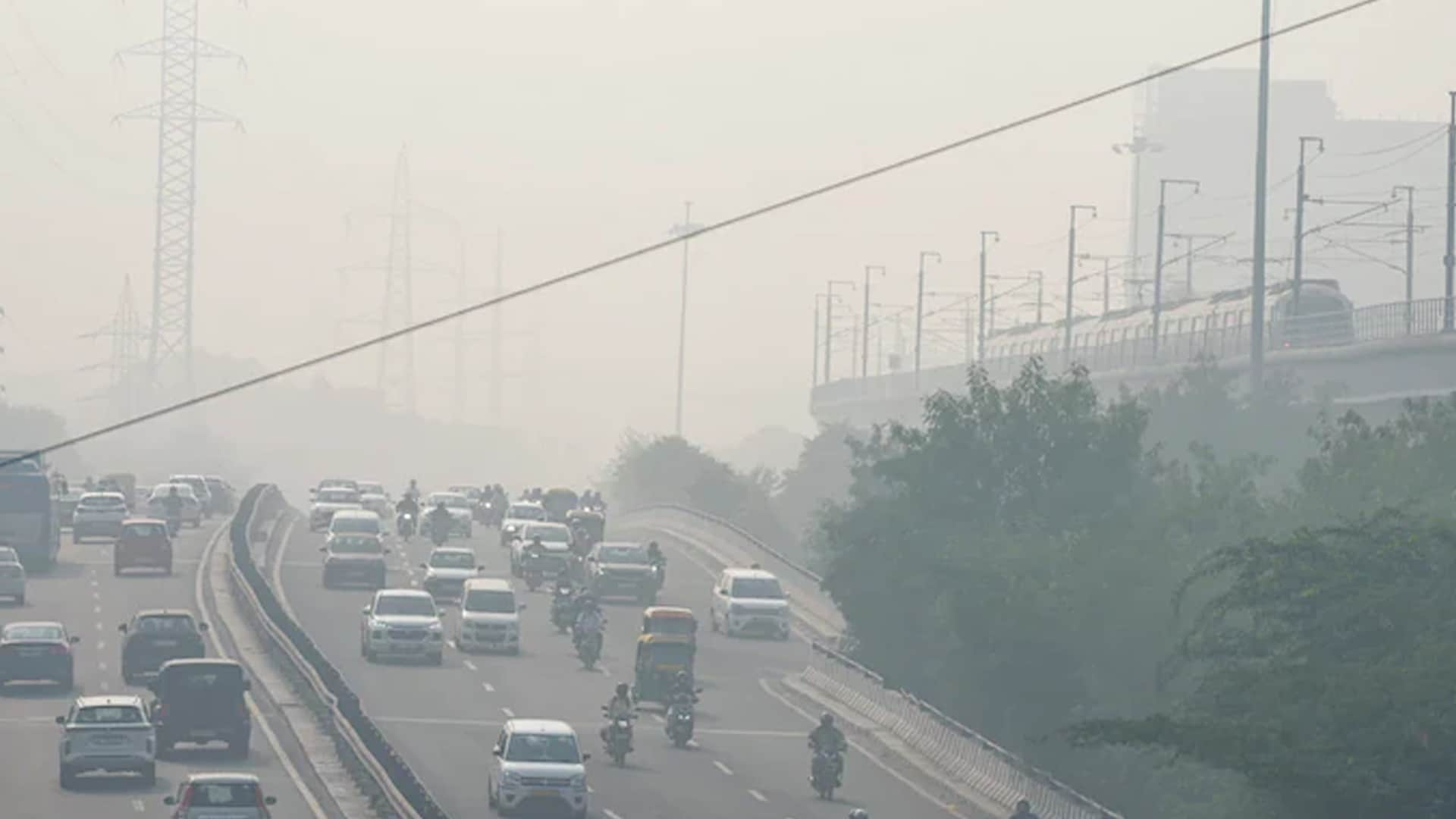
As Delhi woke up to yet another morning shrouded in smog, the city's air quality index (AQI) stood at 346 at 6:05 am on Monday, placing it firmly in the "very poor" category, according to data from the Central Pollution Control Board (CPCB). Just a day earlier, more than 20 of the 39 monitoring stations across the national capital had slipped into the "severe" zone, with AQI levels touching or crossing 400.
While the respiratory and cardiac dangers of toxic air are well-documented, doctors warn of a quieter threat: air pollution's growing impact on the human brain.
'We're Seeing More Migraine And Stroke Cases Linked To Poor Air Quality'
Neurologists across Delhi say they are witnessing a sharp uptick in patients reporting headaches, migraines, dizziness, and other neurological complaints during peak pollution periods.
"We've observed nearly a 15-20 per cent rise in neurological cases over the past few weeks alone," said Dr Rahul Chawla, Consultant Neurologist at the Institute of Brain & Spine. "Air pollution can directly increase the incidence and frequency of migraines, and even people who've never had headaches before are now coming in with pollution-triggered pain."
The most common symptoms include acute migraine attacks, persistent headaches, dizziness, and mental fatigue, doctors say. More alarmingly, there has also been a noticeable spike in sudden stroke cases, particularly among individuals with existing vascular risk factors.
Dr Chawla added that many patients are also experiencing anxiety-related headaches. "Pollution doesn't just affect the lungs, it affects mental health too. The constant exposure and stress about breathing toxic air often lead to anxiety, which then manifests as physical pain," he explained.
'Even Staying Indoors Doesn't Help Anymore'
For many young professionals, the worsening air has become a daily battle.
"My migraines have become far more frequent and intense since pollution levels started rising," said Rachna, a 27-year-old corporate employee. "The moment I step outside, my head starts throbbing. Even masks and air purifiers don't seem to help anymore."
Doctors say Rachna's experience is far from isolated, an increasing number of young, otherwise healthy individuals are seeking treatment for similar symptoms.
The Science Behind It: How Polluted Air Affects The Brain
Fine particulate matter, or PM2.5, consists of microscopic particles small enough to enter the lungs, seep into the bloodstream, and travel all the way to the brain. Once there, they trigger inflammation and oxidative stress, damaging neurons and blood vessels.
Research published in Frontiers in Neuroscience found that long-term exposure to PM2.5 can lead to structural changes in the brain, including reduced white matter integrity and increased inflammation both linked to cognitive and emotional disorders. Another study in JAMA Neurology warned that chronic exposure could worsen Alzheimer's-related brain damage, effectively accelerating neurological ageing.
"Prolonged exposure to toxic air inflames the blood vessels that supply the brain and increases the tendency for clot formation," Dr Chawla explained. "We're now seeing early signs of these changes even in younger people, persistent headaches, irritability, poor focus, and mental exhaustion."
A Growing Public Health Crisis
Experts warn that if unchecked, Delhi's worsening air pollution could fuel a long-term neurological health crisis. In older adults, prolonged exposure can accelerate cognitive decline, raise the risk of stroke, dementia, and vascular disorders, and create what Dr Chawla calls a "prothrombotic state", a condition that makes the blood more prone to clotting.
Disclaimer: This content including advice provides generic information only. It is in no way a substitute for a qualified medical opinion. Always consult a specialist or your doctor for more information. NDTV does not claim responsibility for this information.
Published: November 10, 2025 13:13 IST
also read
From Stroke Risk To Children's Memory: The Growing Threat Of Air Pollution To Brain Health
Written by Ambika Singh KahmaPollution Or Seasonal Allergy? How To Identify What's Triggering Your Cough
Written by Dr Ajay PhadkeStruggling With Cold, Flu As Air Quality Worsens? Doctors Share Recovery Tips
Written by Shreya Goswami
 Reported by Gurpreet Singh Chhina | Friday November 06, 2026 , Chandigarh
Jarnail Singh maintained that the date-related issue was a minor technical error and did not invalidate the pollution readings displayed in Mohali
- Written by Vishesh Nagar | Thursday November 05, 2026
The BCCI announced the venue change following a request from the DDCA, citing possible weather disruption and renovation work.
- Thursday November 05, 2026
The ODI series opener between India and Sri Lanka on December 13 was on Thursday shifted from Delhi to Visakhapatnam
- Written by Ambika Singh Kahma | Thursday November 05, 2026
Emerging research suggests that prolonged exposure to polluted air, particularly fine particulate matter (PM2.5), may affect the brain in several ways.
- Reported by Amod Prakash Singh, Written by Amit Chaturvedi | Thursday November 05, 2026
For Friday, November 6, the IMD has forecast shallow fog in Delhi, with temperatures expected to range between 16 and 28 degrees Celsius. Similar conditions are forecast for November 7.



................................ Advertisement ................................


दीवाली की चौखट पर दिल्ली में सांसों का संकट: 30 साल की स्टडी ने हरियाली को लेकर क्या बताया?
Thursday November 05, 2026अध्ययन में हरियाली की मात्रा के साथ उसके फैलाव और आपसी जुड़ाव को भी महत्वपूर्ण पाया गया. जिन इलाकों में हरियाली ज्यादा बिखरी हुई थी, वहां सतही तापमान अधिक रहा. इसके विपरीत, बड़े और आपस में जुड़े हरित क्षेत्रों में तापमान कम पाया गया.
Opinion: Why Delhi's Smog Can't Be Fixed From SpaceDavid Fickling, Bloomberg
Monday October 19, 2026The clearest sign that Delhi is on a path to cleaner air would be a decline in the amount of paddy grown nearby, and therefore the acreage liable to be burned each year.
Don't Normalise Air Purifiers As Delhi Chokes | The Reason Why
Thursday December 11, 2025More than 90 cities in the world's top 100 polluting list are in India. With every passing year, the AQI is rising, reaching 'hazardous' levels.
Blog | Well Done, Delhi. You've Turned Lung Sacrifice Into A Badge Of HonourSaikat Kumar Bose
Monday November 10, 2025Till some years back, Delhiites would ask angry questions to those in power about the capitals annual tryst with toxic air. This has changed. Those in the driving seat dont see the need to answer now.
Opinion | Why Indians Have Just Given Up On Air Pollution CrisisTanushree Ganguly
Friday December 20, 2024While some may argue that people in Delhi are now more aware of air pollution than they were a decade back, my rebuttal would be that awareness does not mean that people are concerned.




