


- Home/
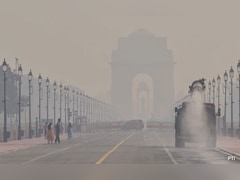
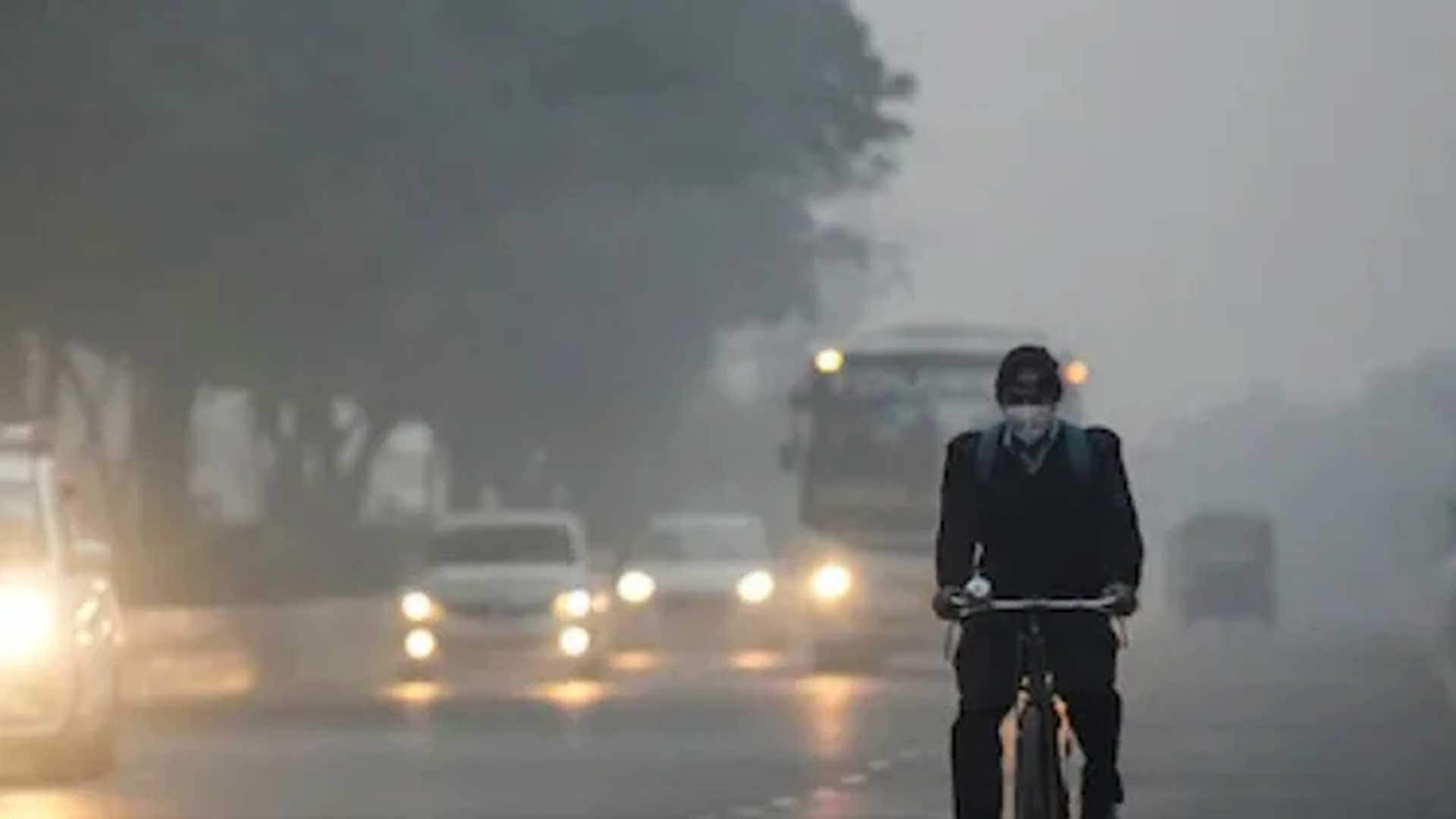
- Dense Fog Blankets Delhi-NCR, Low Visibility At Airport Amid Cold Wave
 Written by Dr Sabine Kapasi | Tuesday September 29, 2026
Air pollution is often discussed as a cause of respiratory disease, but its effects extend to the heart and blood vessels.
- Edited by Debanish Achom | Monday September 28, 2026 , New Delhi
The steps include doubling parking charges, a complete ban on construction and demolition activity and work-from-home for government and private employees
- Written by Debosmita Ghosh | Friday September 25, 2026
Air purifiers are mainly designed to clean pollutants that are suspended in the air. A HEPA filter can trap very small particles and may help reduce indoor levels of particulate matter, dust, pollen and some other airborne particles. However, the performance of a purifier depends on several factors.
- Written by Dr Ankit Kumar Sinha | Friday September 25, 2026
To improve respiratory health, it is important to minimise exposure to polluted air, enhance indoor ventilation, adhere to workplace safety regulations, and promote physical activity.
- Tuesday September 22, 2026 , Mumbai
The court had on Monday taken suo motu (on its own) cognizance of the issue of severe noise and air pollution caused during processions.



................................ Advertisement ................................

Blog | Well Done, Delhi. You've Turned Lung Sacrifice Into A Badge Of HonourSaikat Kumar Bose
Monday November 10, 2025Till some years back, Delhiites would ask angry questions to those in power about the capitals annual tryst with toxic air. This has changed. Those in the driving seat dont see the need to answer now.
Opinion | Why Indians Have Just Given Up On Air Pollution CrisisTanushree Ganguly
Friday December 20, 2024While some may argue that people in Delhi are now more aware of air pollution than they were a decade back, my rebuttal would be that awareness does not mean that people are concerned.
Opinion | You Must Outrage Over Filthy Air More Than Once A YearJyoti Pande Lavakare
Tuesday December 10, 2024Delhi welcomed us with monsoon rains and mangos. We were home. Fast forward a couple of years, in the winter of 2012, I found myself in denial about something other parents, mostly expats, were calling toxic air.
Opinion | Delhi's Air Pollution Situation Is Like A Bad MarriageNishtha Gautam
Friday November 22, 2024On a good day, such as today, the AQI reading in Delhi is 407. We are jubilant at the sickly sunshine trickling through the slightly dissipated smog. At least its not 1600.
दिवाली... पराली... सियासी जुगाली!Ashwini kumar
Monday November 18, 2024दिल्ली-एनसीआर में प्रदूषण का समाधान तो आज तक मिला नहीं. हर साल चिंतित होकर हम-आप सांसों की तकलीफ के साथ-साथ दिल और ब्लड प्रेशर के मरीज भी क्यों बनें?


