


- Home/
- Eye Care For Contact Lens Users In High Pollution: Specialist Shares Do's And Don'ts
Eye Care For Contact Lens Users In High Pollution: Specialist Shares Do's And Don'ts
Written by Dr V Sreekumar | Updated: December 02, 2025 14:08 IST
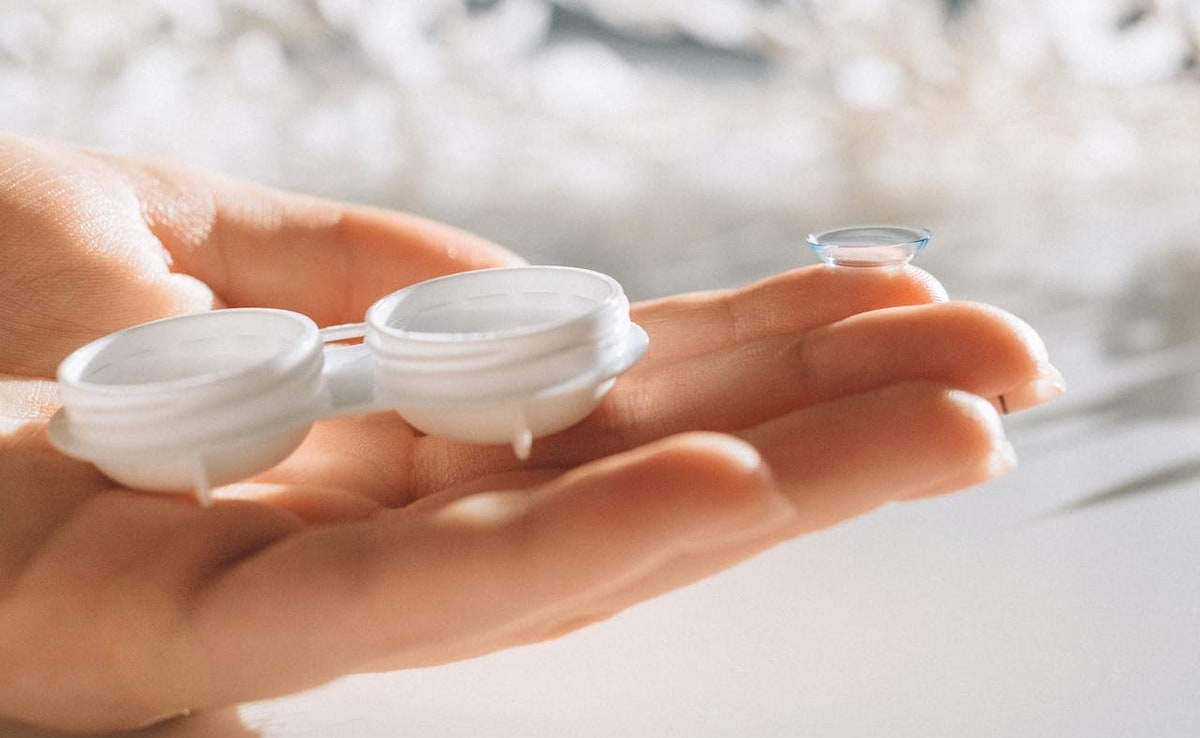
Managing your contact lens hygiene is crucial for eye care
In smog-choked winters, air pollution can turn a simple convenience like contact lenses into a potential health hazard. Particulate matter (PM2.5 and PM10), dust, smoke, and chemical pollutants don't just irritate the sensitive film of the eye, they tend to cling to lenses, disrupt the tear film, and trap bacteria against the cornea, raising risks of infections like microbial keratitis, dry eye syndrome, and even corneal ulcers. In metro cities like Delhi, Mumbai, or Bangalore, where AQI often spikes to alarming levels, contact lens wearers report redness, grittiness, blurred vision, and discomfort far more frequently. Since forewarned is forearmed, by inculcating disciplined habits and making smart choices, one can preserve eye health even in high-pollution environments.
Understanding the Risks
Unlike spectacles, lenses sit directly on the eye, creating a barrier where pollutants accumulate. Studies show that poor air quality can alter tear film stability, leading to evaporation and dryness, exacerbated by lenses that absorb debris. In severe pollution, I advise many patients to switch to glasses temporarily, as lenses can worsen dryness into ulcers that threaten vision permanently. Regular check-ups, bi-annual visits during peak pollution seasons to monitor corneal health, are non-negotiable.
Essential Do's to Minimise Risks:
- Opt for daily disposable lenses: In polluted air, these are a game-changer. They prevent an overnight buildup of particulates and bacteria, as they can be discarded after one use.
- Clean lenses meticulously: Use fresh, sterile multipurpose solution (never tap water or saliva) and rub gently with clean fingers for 20 seconds per lens. In high-pollution zones, clean mid-day if you've been outdoors as pollutants deposit quickly.
- Wear protective eyewear outdoors: Pair sunglasses or wraparound glasses over contacts to shield from wind-blown dust and PM. UV-blocking lenses add dual protection against the sun and smog.
- Instil preservative-free lubricating drops frequently: Choose drops like hyaluronic acid-based ones (e.g., acid-based drops) every 2-3 hours. They flush irritants and restore moisture without interacting harmfully with lenses. Blink often to spread tears.
- Maintain indoor humidity and hygiene: Use a humidifier to keep room humidity at 40-60%; dry air worsens lens discomfort. Wash your hands thoroughly before handling lenses, and store cases upside down in a clean, dry spot.
- Stay hydrated and blink consciously: Drink 2-3 litres of water daily, and practise the 20-20-20 rule for screen users: every 20 minutes, look 20 feet away for 20 seconds while blinking fully.
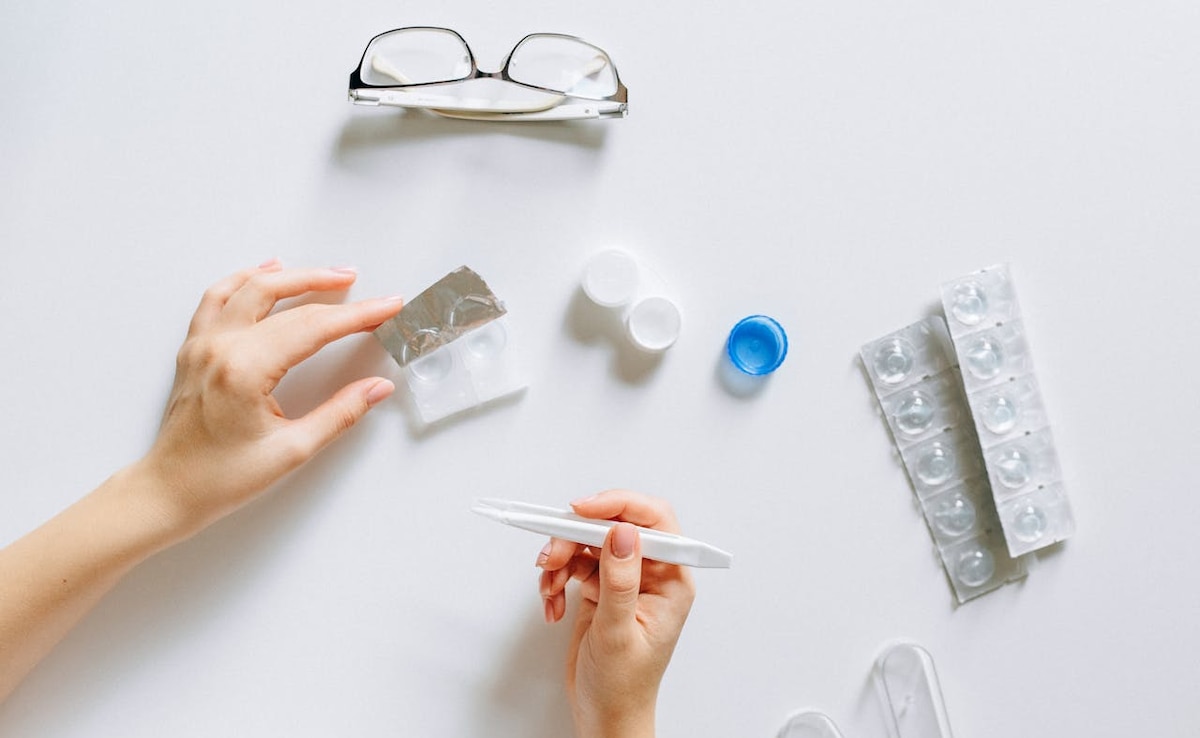
Keep an eye on AQI levels to maintain contact lenses better this winter
Photo Credit: Pexels
Critical Don'ts to Avoid Complications
- Don't wear lenses in severe pollution (AQI >200): Switch to glasses immediately as pollutants dry eyes further, trapping debris and risking ulcers. Invest in high-oxygen permeable lenses (e.g., silicone hydrogel) if you must wear them daily; they breathe better in tainted air.
- Never sleep in contacts unless approved for extended wear. Pollution-laden lenses overnight invite hypoxia and infections; even 'daily' lenses aren't safe for this.
- Avoid topping up the solution or using homemade cleaners. Old solution breeds bacteria; always discard and refill cases daily.
- Don't rub your eyes: This grinds particles into the cornea. Instead, rinse gently with sterile saline or cool boiled water.
- Skip eye makeup and swimming. Mascara and kajal melt into lenses with sweat or tears, fostering bacteria. Avoid pools or open water as chlorine and microbes compound pollution risks.
- Never ignore discomfort. If you sense any redness, pain, light sensitivity, or blurred vision, remove lenses instantly, use drops, and consult an eye doctor within 24 hours. Delaying can scar the cornea.
- Diet Matters: Adopting a diet rich in omega-3-rich foods (fish, walnuts) can help combat inflammation effectively.
- Medical Check-up: Moreover, getting a slit-lamp exam done annually to check for subtle damage is also something that needs to be factored in.
In light of the above, one should keep a close eye on AQI scores and plan their movements accordingly. Embrace these dos and don'ts to safeguard and preserve vision health. Additionally, always consult your eye care professional promptly if you notice any redness, irritation, or discomfort to avoid serious complications.
(By Dr. V. Sreekumar, Ms Ophthalmology, Professor, Regional Eye Hospital, Kakatiya Medical College, Warangal)
Disclaimer: The opinions expressed within this article are the personal opinions of the author. NDTV is not responsible for the accuracy, completeness, suitability, or validity of any information on this article. All information is provided on an as-is basis. The information, facts or opinions appearing in the article do not reflect the views of NDTV and NDTV does not assume any responsibility or liability for the same.
Published: December 02, 2025 11:36 IST
also read
 Written by Ambika Singh Kahma | Friday June 19, 2026
NDTV Lifeline's first episode gives India a wake-up call to recognise sleep apnea as a critical public health issue
- Reported by Ishika Verma | Friday June 19, 2026 , New Delhi
The measures, outlined under a newly notified winter air quality management framework, are intended to help authorities, businesses and residents prepare in advance for the period between November and February, when Delhi's air quality typically dete
- Edited by Nikhil Pandey | Friday June 19, 2026
An unprecedented Ukrainian drone strike on a major Moscow oil refinery has caused a bizarre environmental crisis, with oily "black rain" falling over parts of the Russian capital.
- Written by Dr Anindita Singh | Monday June 15, 2026
From a clinical point of view, infertility often develops quietly, without noticeable symptoms, especially in the early stages, and the whole process can look normal from the outside.
- Written by Shreya Goswami | Monday June 15, 2026
Naseeruddin Shah's moving portrayal of a man with dementia in Imtiaz Ali's latest movie highlights the emotional and practical challenges faced by caregivers.




................................ Advertisement ................................



Blog | Well Done, Delhi. You've Turned Lung Sacrifice Into A Badge Of HonourSaikat Kumar Bose
Monday November 10, 2025Till some years back, Delhiites would ask angry questions to those in power about the capitals annual tryst with toxic air. This has changed. Those in the driving seat dont see the need to answer now.
Opinion | Why Indians Have Just Given Up On Air Pollution CrisisTanushree Ganguly
Friday December 20, 2024While some may argue that people in Delhi are now more aware of air pollution than they were a decade back, my rebuttal would be that awareness does not mean that people are concerned.
Opinion | You Must Outrage Over Filthy Air More Than Once A YearJyoti Pande Lavakare
Tuesday December 10, 2024Delhi welcomed us with monsoon rains and mangos. We were home. Fast forward a couple of years, in the winter of 2012, I found myself in denial about something other parents, mostly expats, were calling toxic air.
Opinion | Delhi's Air Pollution Situation Is Like A Bad MarriageNishtha Gautam
Friday November 22, 2024On a good day, such as today, the AQI reading in Delhi is 407. We are jubilant at the sickly sunshine trickling through the slightly dissipated smog. At least its not 1600.
दिवाली... पराली... सियासी जुगाली!Ashwini kumar
Monday November 18, 2024दिल्ली-एनसीआर में प्रदूषण का समाधान तो आज तक मिला नहीं. हर साल चिंतित होकर हम-आप सांसों की तकलीफ के साथ-साथ दिल और ब्लड प्रेशर के मरीज भी क्यों बनें?


