


- Home/
- Firewood Burning At Home Linked To Poor Air Quality And Premature Deaths, Finds Study
Firewood Burning At Home Linked To Poor Air Quality And Premature Deaths, Finds Study
Indo-Asian News Service | Updated: January 24, 2026 18:56 IST
New Delhi:
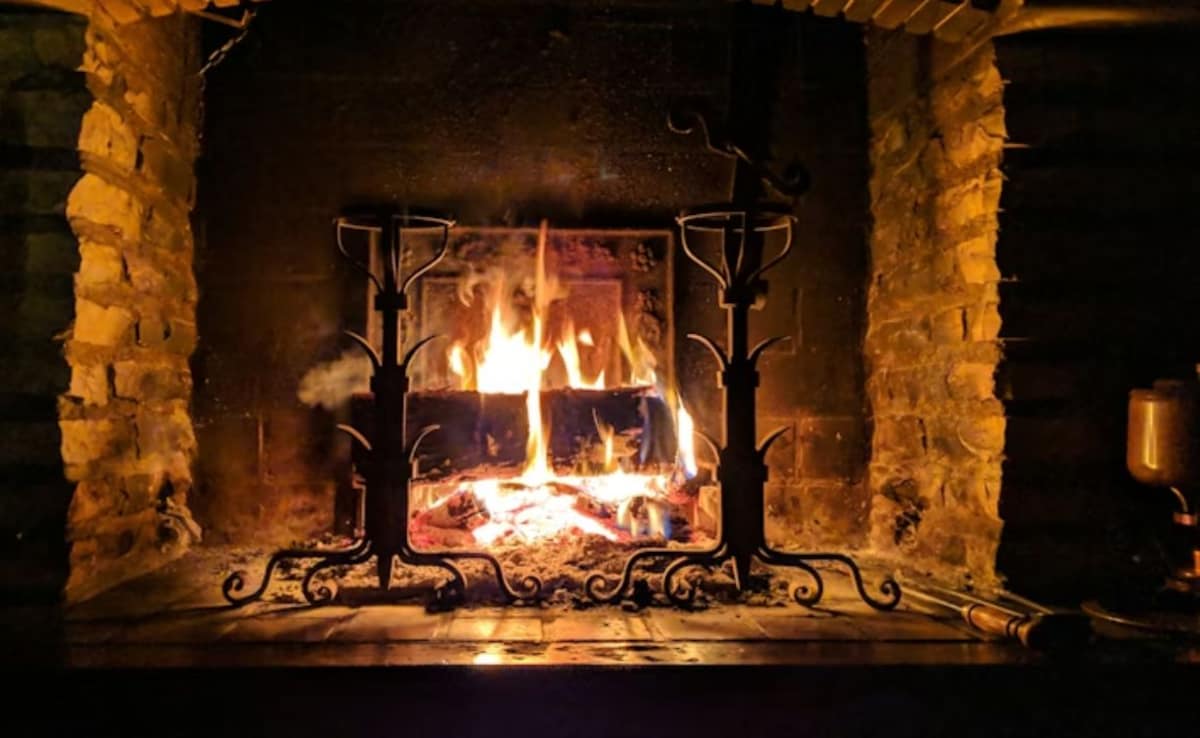
Burning firewood at home can be a major contributor to air pollution and premature deaths in winters, according to a study.
The study, published in the journal Science Advances, showed that residential wood burning comprises about 22 per cent of PM2.5 pollution in winter, making it one of the single largest sources of fine particle pollution during the coldest months.
The modelling study led by researchers from Northwestern University found that pollution from residential wood burning is associated with about 8,600 premature deaths per year in the US.
They suggested using alternative appliances to heat homes instead of burning wood, which can have a big impact on fine particulate matter in the air -- and increase the risk of cardiovascular diseases.
"We frequently hear about the negative health impacts of wildfire smoke, but do not often consider the consequences of burning wood for heat in our homes," said Daniel Horton, Associate Professor of Earth at the varsity.
"Since only a small number of homes rely on wood burning for heat, facilitating a home-heating appliance transition to cleaner burning or non-burning heat sources could lead to outsized improvements in air quality," he added.
The study focussed on wood burning in homes, including emissions from wood-burning furnaces, boilers, fireplaces, and stoves.
Using a high-resolution atmospheric model, they simulated how pollution moves through the air. The model accounted for weather, wind, temperature, terrain, and atmospheric chemistry to estimate air quality over time.
"Wood burning emissions enter the atmosphere, where they are affected by meteorology," Horton said. "Some emissions are considered primary pollutants, such as black carbon, and some interact with the atmosphere and other constituents, and can form additional, secondary species of particulate matter pollution."
The team found that particulate matter from wood burning is particularly problematic in cities and suburban communities due to the combined effects of population density, emissions density, and atmospheric transport.
In many cities, smoke from surrounding suburbs drifts into more densely populated urban cores, which have limited wood-burning emissions. Even cities not typically associated with wood burning, such as those in warmer climates, can experience impacts from wood burning during cold snaps, recreational burning, and atmospheric transport.
(Except for the headline, this story has not been edited by NDTV staff and is published from a syndicated feed.)
Published: January 24, 2026 16:09 IST
also read
 Written by Ambika Singh Kahma | Friday June 19, 2026
NDTV Lifeline's first episode gives India a wake-up call to recognise sleep apnea as a critical public health issue
- Reported by Ishika Verma | Friday June 19, 2026 , New Delhi
The measures, outlined under a newly notified winter air quality management framework, are intended to help authorities, businesses and residents prepare in advance for the period between November and February, when Delhi's air quality typically dete
- Edited by Nikhil Pandey | Friday June 19, 2026
An unprecedented Ukrainian drone strike on a major Moscow oil refinery has caused a bizarre environmental crisis, with oily "black rain" falling over parts of the Russian capital.
- Written by Dr Anindita Singh | Monday June 15, 2026
From a clinical point of view, infertility often develops quietly, without noticeable symptoms, especially in the early stages, and the whole process can look normal from the outside.
- Written by Shreya Goswami | Monday June 15, 2026
Naseeruddin Shah's moving portrayal of a man with dementia in Imtiaz Ali's latest movie highlights the emotional and practical challenges faced by caregivers.



................................ Advertisement ................................

Blog | Well Done, Delhi. You've Turned Lung Sacrifice Into A Badge Of HonourSaikat Kumar Bose
Monday November 10, 2025Till some years back, Delhiites would ask angry questions to those in power about the capitals annual tryst with toxic air. This has changed. Those in the driving seat dont see the need to answer now.
Opinion | Why Indians Have Just Given Up On Air Pollution CrisisTanushree Ganguly
Friday December 20, 2024While some may argue that people in Delhi are now more aware of air pollution than they were a decade back, my rebuttal would be that awareness does not mean that people are concerned.
Opinion | You Must Outrage Over Filthy Air More Than Once A YearJyoti Pande Lavakare
Tuesday December 10, 2024Delhi welcomed us with monsoon rains and mangos. We were home. Fast forward a couple of years, in the winter of 2012, I found myself in denial about something other parents, mostly expats, were calling toxic air.
Opinion | Delhi's Air Pollution Situation Is Like A Bad MarriageNishtha Gautam
Friday November 22, 2024On a good day, such as today, the AQI reading in Delhi is 407. We are jubilant at the sickly sunshine trickling through the slightly dissipated smog. At least its not 1600.
दिवाली... पराली... सियासी जुगाली!Ashwini kumar
Monday November 18, 2024दिल्ली-एनसीआर में प्रदूषण का समाधान तो आज तक मिला नहीं. हर साल चिंतित होकर हम-आप सांसों की तकलीफ के साथ-साथ दिल और ब्लड प्रेशर के मरीज भी क्यों बनें?


