


- Home/
- GRAP 3 Curbs Revoked In Delhi Amid Dip In Air Pollution
GRAP 3 Curbs Revoked In Delhi Amid Dip In Air Pollution
Press Trust of India | Updated: February 03, 2025 19:19 IST
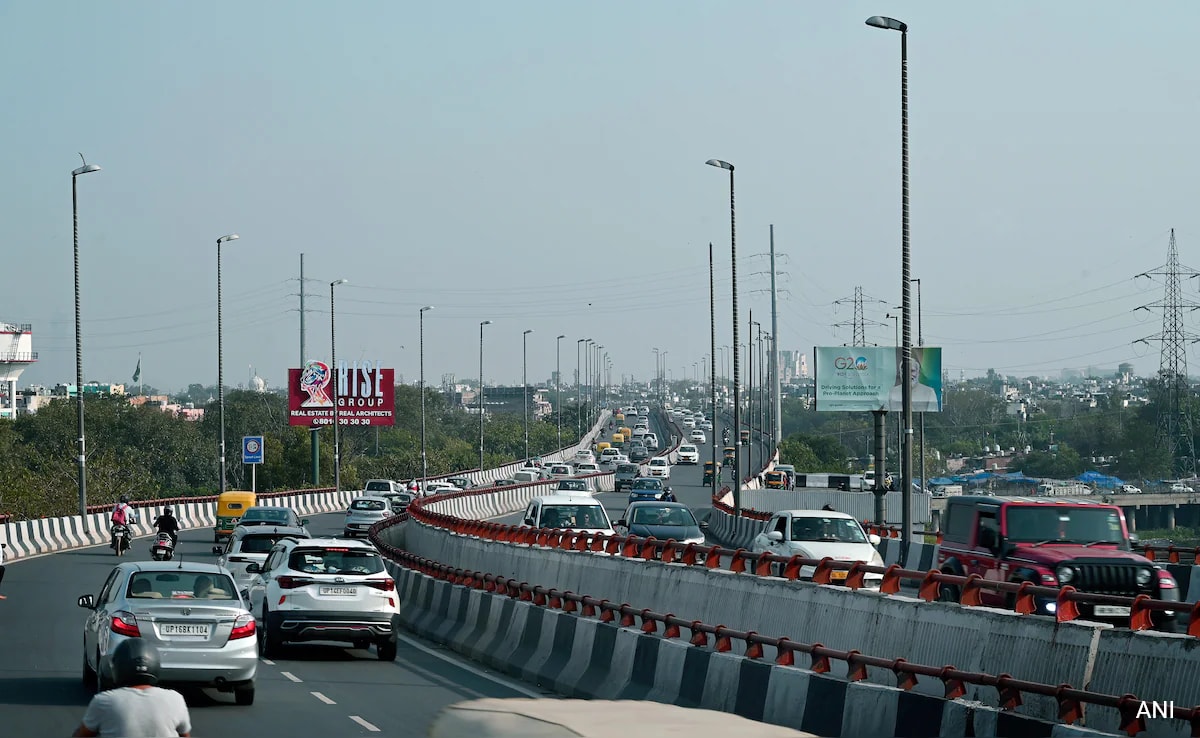
Under Stage 3, the use of BS-III petrol and BS-IV diesel cars (four-wheelers) is restricted. (File)
New Delhi:
The Centre's panel on Delhi-NCR's air quality on Monday revoked curbs under stage 3 of the Graded Response Action Plan (GRAP) amid a dip in pollution due to favourable meteorological conditions, according to an official order.
The average AQI in Delhi dropped below the 300 mark amid conditions favourable for the dispersion of pollutants, prompting the Commission for Air Quality Management (CAQM) to revoke curbs under Stage 3 of GRAP.
GRAP Stage 3 entails a ban on non-essential construction work. Classes up to grade V are required to shift to hybrid mode under Stage 3. Parents and students have the option to choose online education wherever available.
Under Stage 3, the use of BS-III petrol and BS-IV diesel cars (four-wheelers) is restricted in Delhi and nearby NCR districts. Persons with disabilities are exempt.
Stage 3 also bans non-essential diesel-operated medium goods vehicles with BS-IV or older standards in Delhi.
During winters, the Delhi-NCR region enforces restrictions under GRAP, which categorises air quality into four stages - Stage I (Poor, AQI 201-300), Stage II (Very Poor, AQI 301-400), Stage III (Severe, AQI 401-450), and Stage IV (Severe Plus, AQI above 450).
Unfavourable meteorological conditions, combined with vehicle emissions, paddy-straw burning, firecrackers, and other local pollution sources, lead to hazardous air quality levels in Delhi-NCR during winters.
(Except for the headline, this story has not been edited by NDTV staff and is published from a syndicated feed.)
Published: February 03, 2025 19:19 IST
also read
"Dangerous, Causes Toxic Pollution": Court Bans Firecrackers On Mumbai Roads
Press Trust Of IndiaAnti-Pollution Crackdown Intensifies Across NCR, 150 Inspections In 15 Days
Reported by Reet Kaur SahniNo School Sports In Delhi-NCR In November-December? Check What Air Quality Panel Says
Reported by Ishika Verma, Edited by Aakanksha Singh
 Tuesday September 22, 2026 , Mumbai
The court had on Monday taken suo motu (on its own) cognizance of the issue of severe noise and air pollution caused during processions.
- Written by Sambhav Kumar | Tuesday September 22, 2026
Air pollution does not necessarily mean you have to give up physical activity. The key is to adapt your workout according to the conditions.
- Written by Sambhav Kumar | Friday September 18, 2026
While Bryan Johnson's highly structured approach may attract attention, experts caution against treating any celebrity's routine as a universal prescription
- Written by Debosmita Ghosh | Thursday September 17, 2026
Researchers from Queen's University Belfast reviewed scientific evidence examining whether environmental exposures could be associated with suicide and suicidal behaviour.
- Written by Sambhav Kumar | Thursday September 17, 2026
September and October bring temperature shifts, humidity, mould, viruses, and pollution that can worsen respiratory health, especially in asthma patients.



................................ Advertisement ................................

Blog | Well Done, Delhi. You've Turned Lung Sacrifice Into A Badge Of HonourSaikat Kumar Bose
Monday November 10, 2025Till some years back, Delhiites would ask angry questions to those in power about the capitals annual tryst with toxic air. This has changed. Those in the driving seat dont see the need to answer now.
Opinion | Why Indians Have Just Given Up On Air Pollution CrisisTanushree Ganguly
Friday December 20, 2024While some may argue that people in Delhi are now more aware of air pollution than they were a decade back, my rebuttal would be that awareness does not mean that people are concerned.
Opinion | You Must Outrage Over Filthy Air More Than Once A YearJyoti Pande Lavakare
Tuesday December 10, 2024Delhi welcomed us with monsoon rains and mangos. We were home. Fast forward a couple of years, in the winter of 2012, I found myself in denial about something other parents, mostly expats, were calling toxic air.
Opinion | Delhi's Air Pollution Situation Is Like A Bad MarriageNishtha Gautam
Friday November 22, 2024On a good day, such as today, the AQI reading in Delhi is 407. We are jubilant at the sickly sunshine trickling through the slightly dissipated smog. At least its not 1600.
दिवाली... पराली... सियासी जुगाली!Ashwini kumar
Monday November 18, 2024दिल्ली-एनसीआर में प्रदूषण का समाधान तो आज तक मिला नहीं. हर साल चिंतित होकर हम-आप सांसों की तकलीफ के साथ-साथ दिल और ब्लड प्रेशर के मरीज भी क्यों बनें?


