


- Home/
- GRAP-3, Then 4: Pollution Curbs Made Stricter Twice In A Day In Delhi
GRAP-3, Then 4: Pollution Curbs Made Stricter Twice In A Day In Delhi
Reported by Shreya Ghosh | Updated: December 13, 2025 21:21 IST
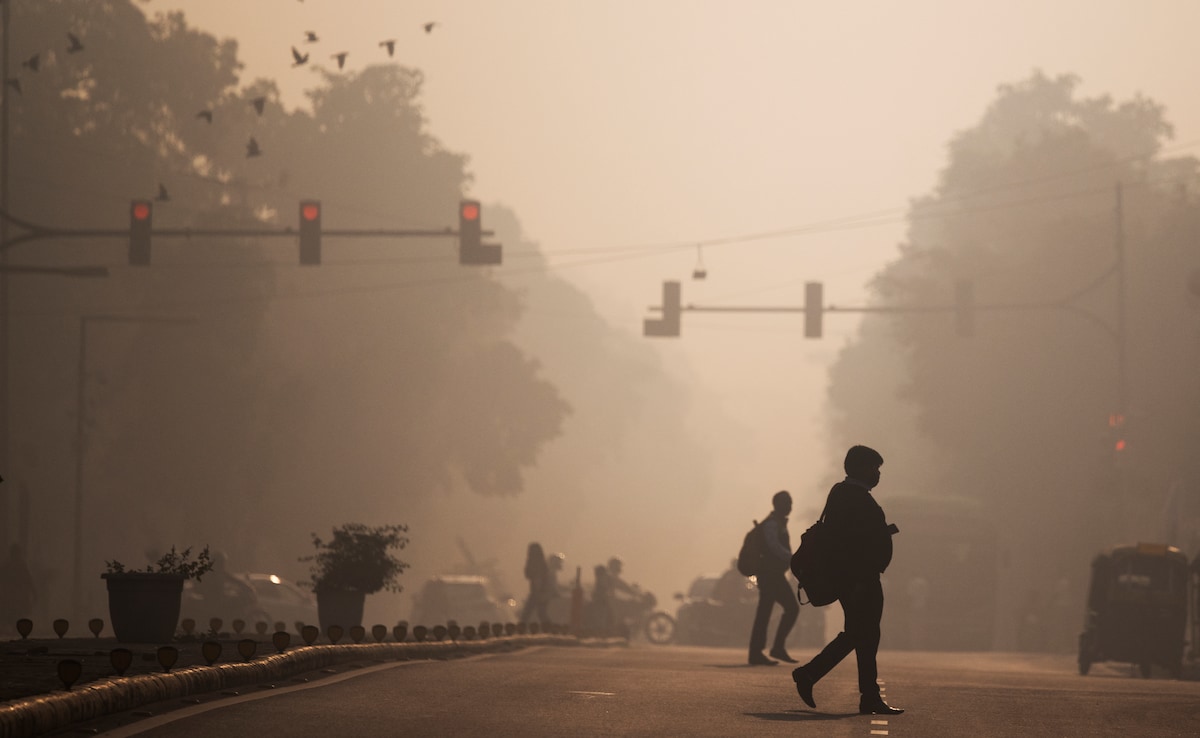
The central pollution panel said meteorological conditions were to blame for the worsening pollution.
Hours after pollution norms under GRAP-3 were imposed, Delhi and nearby areas saw the curbs being made stricter on Saturday evening and GRAP-4 being brought in.
GRAP-3 curbs had been imposed by the Commission for Air Quality Management (CAQM), the central body charged with taking steps to tackle pollution in Delhi and neighbouring states, in the afternoon after the Air Quality Index (AQI) crossed the 400 mark and entered the 'Severe' category.
In the evening, the CAQM noted that the AQI, which was recorded at 431 at 4 pm, showed an increasing trend and stood at 441 at 6 pm. Under GRAP, the air quality is categorised into four stages: Poor (AQI 201-300), Very Poor (AQI 301-400), Severe (AQI 401-450) and Severe Plus (AQI above 450).
"Keeping in view the prevailing trend of air quality and in an effort to prevent further deterioration of air quality in the region, the CAQM Sub-Committee on GRAP decides to invoke all actions as envisaged under Stage-IV of the extant GRAP - 'Severe+' Air Quality (DELHI AQI > 450), with immediate effect, in the entire NCR. This is in addition to the actions under Stages I, II & III of extant GRAP already in force in NCR," the CAQM said in a statement.
Explaining the reasons for the worsening AQI, the CAQM said the feeble Western Disturbance approaching north-west India was the main contributing factor, and not local emissions.
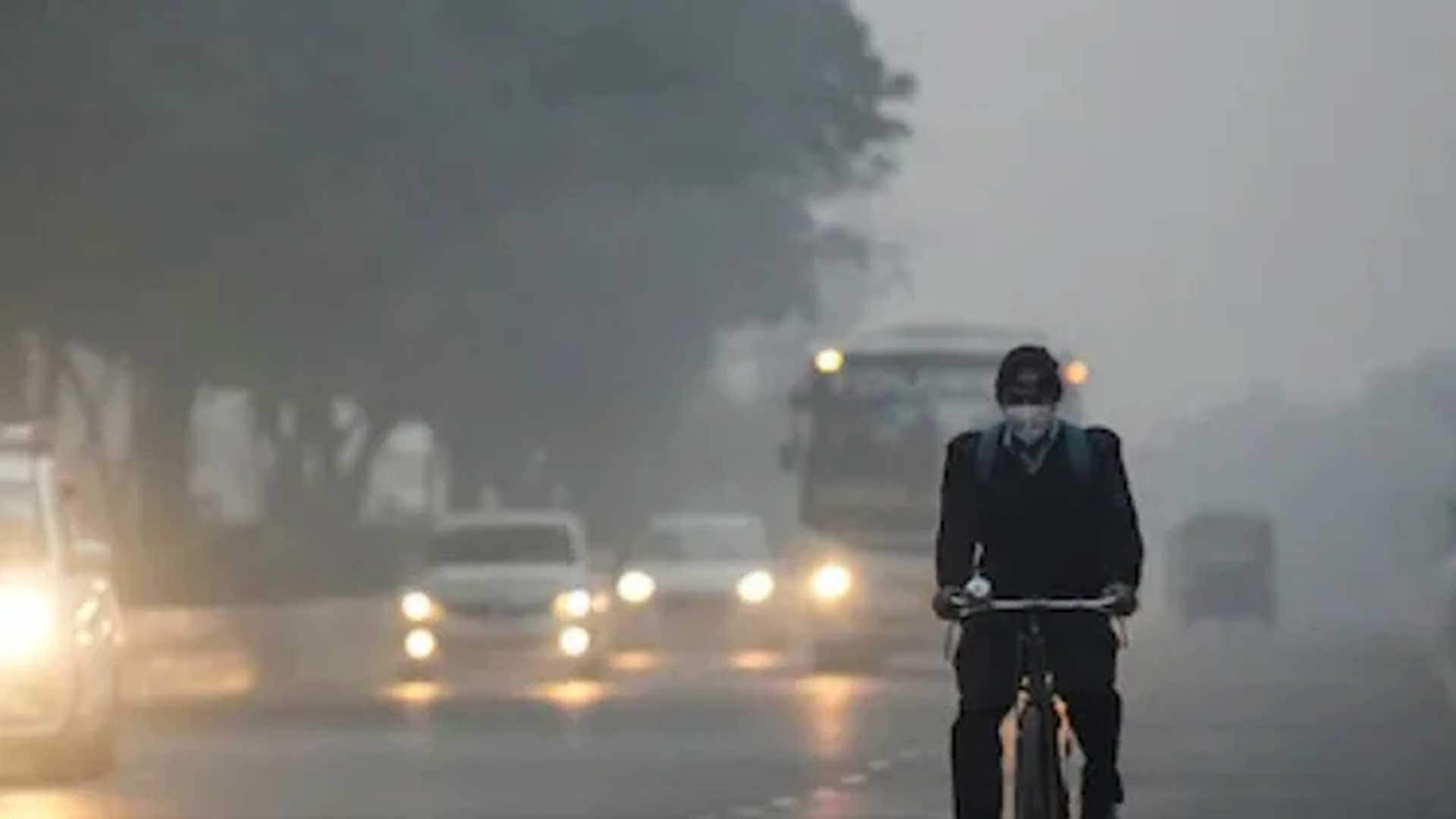
"This prevailing meteorological condition has (caused a) marked reduction in wind speed, at times becoming calm, a shift in wind direction from westerly to easterly, and an increase in moisture content in the lower atmosphere. Such conditions during the winter season are conducive to the formation of smog and fog, resulting in poor dispersion and trapping of pollutants near the surface. Owing to these adverse meteorological conditions, a sudden deterioration in air quality has been observed," it said.
What Changes
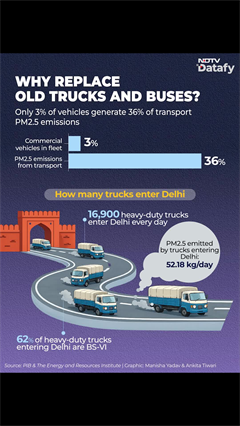
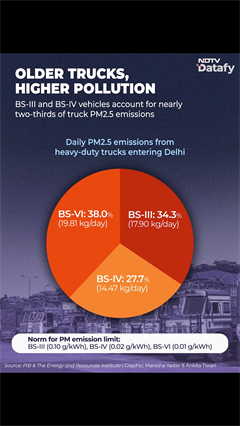
A key restriction under Stage 4 is the ban on the entry of non-essential trucks into Delhi. Exceptions are made for trucks carrying essential goods or services, or those running on cleaner fuels such as LNG, CNG, electric, or BS-VI diesel. Delhi-registered medium and heavy goods vehicles using diesel (BS-IV and older) are prohibited, except those involved in essential services.
Light commercial vehicles registered outside Delhi and not meeting EV, CNG, or BS-VI diesel standards are also barred from entering the city unless essential.
All construction and demolition activities are completely halted, including public projects like highways, roads, flyovers, overbridges, power transmission lines, and pipelines.
To protect vulnerable groups, state governments in Delhi and NCR may shift physical classes for students in Classes VI to IX and XI to online mode - Classes X and XII are often exempted to minimise disruption to board exam preparations.
Public, municipal, and private offices are recommended to operate with at least 50% staff working from home, and staggered timings may be introduced to reduce peak-hour traffic.
As discretionary emergency measures, state governments have the authority to consider further steps such as closing colleges and educational institutions, suspending non-emergency commercial activities, or implementing odd-even vehicle rationing schemes. The central government may also decide on work-from-home policies for its employees.
Published: December 13, 2025 19:46 IST
 Reported by Reet Kaur Sahni | Tuesday September 29, 2026
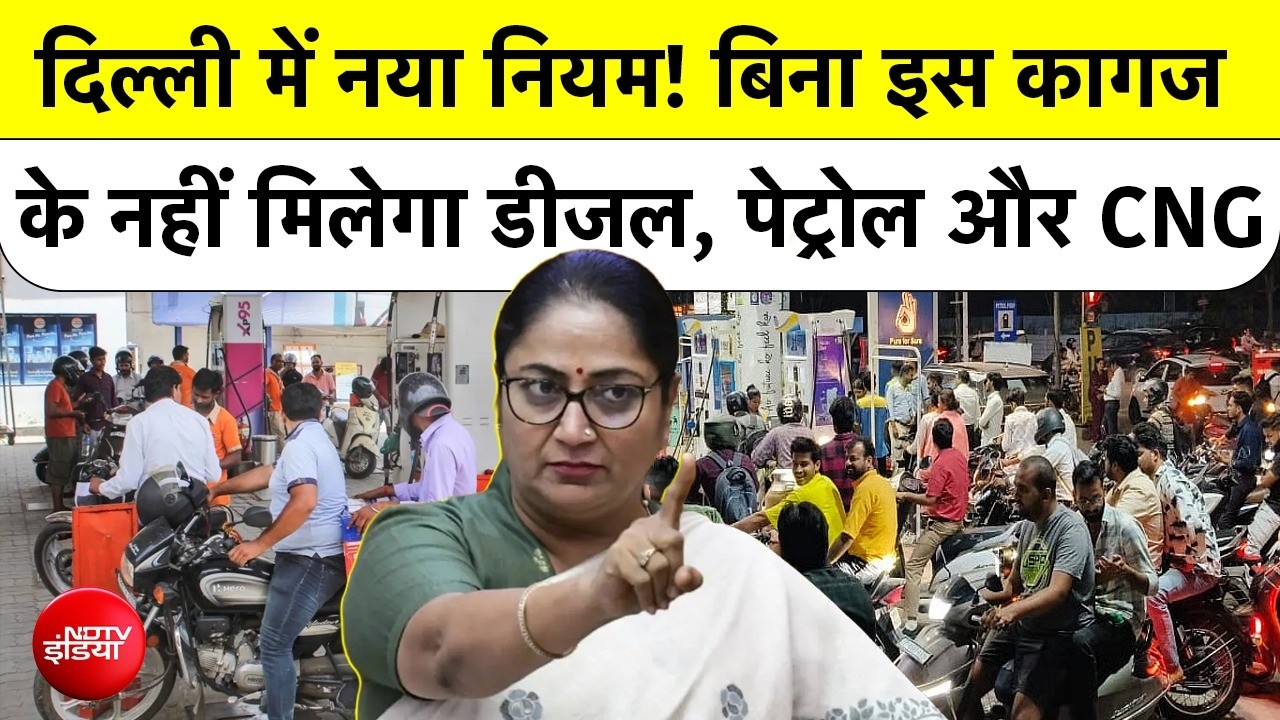
Starting November 1, petrol and diesel vehicles registered outside Delhi and not meeting BS-VI standards will be banned from entering the city, though CNG and electric vehicles are exempt.
- Written by Dr Sabine Kapasi | Tuesday September 29, 2026
Air pollution is often discussed as a cause of respiratory disease, but its effects extend to the heart and blood vessels.
- Edited by Debanish Achom | Monday September 28, 2026 , New Delhi
The steps include doubling parking charges, a complete ban on construction and demolition activity and work-from-home for government and private employees
- Written by Debosmita Ghosh | Friday September 25, 2026
Air purifiers are mainly designed to clean pollutants that are suspended in the air. A HEPA filter can trap very small particles and may help reduce indoor levels of particulate matter, dust, pollen and some other airborne particles. However, the performance of a purifier depends on several factors.
- Written by Dr Ankit Kumar Sinha | Friday September 25, 2026
To improve respiratory health, it is important to minimise exposure to polluted air, enhance indoor ventilation, adhere to workplace safety regulations, and promote physical activity.


................................ Advertisement ................................

Blog | Well Done, Delhi. You've Turned Lung Sacrifice Into A Badge Of HonourSaikat Kumar Bose
Monday November 10, 2025Till some years back, Delhiites would ask angry questions to those in power about the capitals annual tryst with toxic air. This has changed. Those in the driving seat dont see the need to answer now.
Opinion | Why Indians Have Just Given Up On Air Pollution CrisisTanushree Ganguly
Friday December 20, 2024While some may argue that people in Delhi are now more aware of air pollution than they were a decade back, my rebuttal would be that awareness does not mean that people are concerned.
Opinion | You Must Outrage Over Filthy Air More Than Once A YearJyoti Pande Lavakare
Tuesday December 10, 2024Delhi welcomed us with monsoon rains and mangos. We were home. Fast forward a couple of years, in the winter of 2012, I found myself in denial about something other parents, mostly expats, were calling toxic air.
Opinion | Delhi's Air Pollution Situation Is Like A Bad MarriageNishtha Gautam
Friday November 22, 2024On a good day, such as today, the AQI reading in Delhi is 407. We are jubilant at the sickly sunshine trickling through the slightly dissipated smog. At least its not 1600.
दिवाली... पराली... सियासी जुगाली!Ashwini kumar
Monday November 18, 2024दिल्ली-एनसीआर में प्रदूषण का समाधान तो आज तक मिला नहीं. हर साल चिंतित होकर हम-आप सांसों की तकलीफ के साथ-साथ दिल और ब्लड प्रेशर के मरीज भी क्यों बनें?


