


- Home/
- Health Decoder: How To Read Air Quality Index Numbers And React For Better Lung Health
Health Decoder: How To Read Air Quality Index Numbers And React For Better Lung Health
Written by Shreya Goswami | Updated: November 10, 2025 11:17 IST
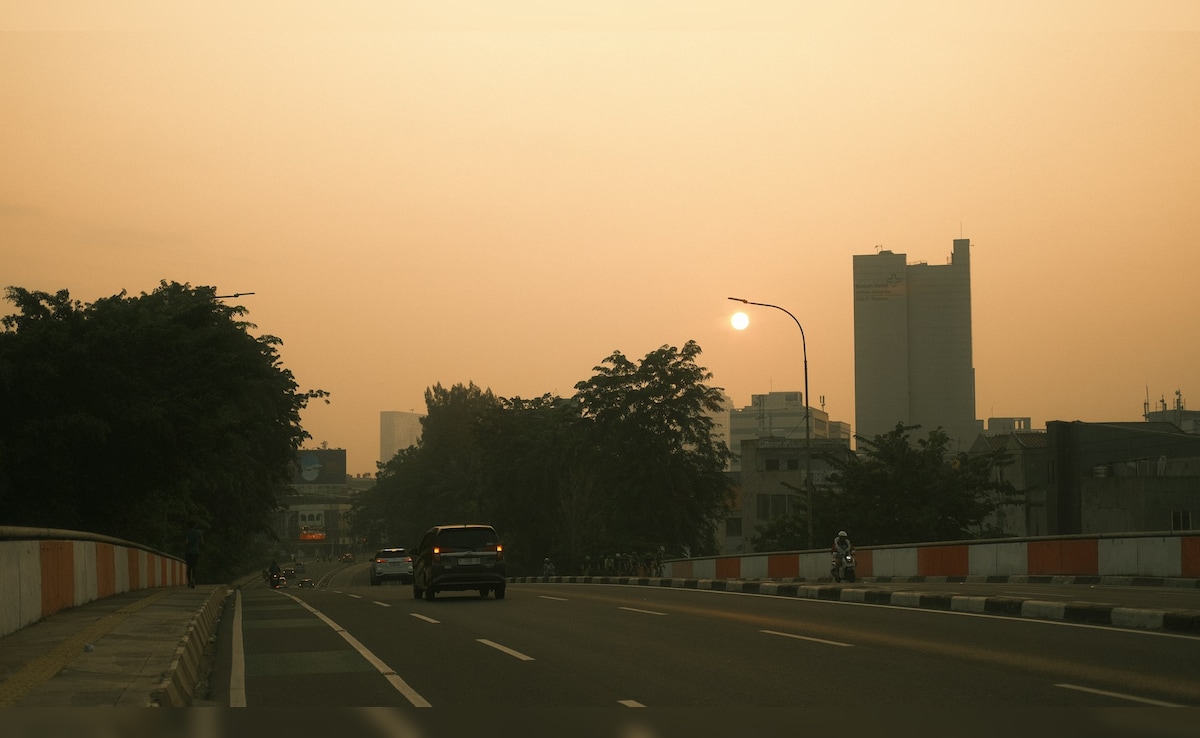
If you live in regions like North India or cities like Delhi, what dominates concerns for every individual and family November onwards is the worsening AQI. Air Quality Index (AQI) numbers dominate headlines and social media feeds, with news around "severe" or "very poor" AQI raising worries around lung health, overall immunity and more. Yet many people remain unsure about what those figures actually mean for their health. Is an AQI of 180 really dangerous? Should you skip your morning walk when it hits 250? To know these answers, you first have to understand what AQI is and what those numbers really signify. The AQI is a simplified way of representing how polluted the air is at any given time. It combines data from key pollutants like particulate matter (PM2.5 and PM10), nitrogen dioxide (NO2), ozone (O3), sulfur dioxide (SO2), and carbon monoxide (CO), into a single number and colour code. The higher the number, the greater the risk to your lungs, heart, and overall health.
While it's easy to dismiss air alerts as temporary, prolonged exposure to polluted air has long-term consequences. Understanding the AQI helps you take timely precautions, reduce exposure, and protect vulnerable family members. In this Health Decoder, we break down how the AQI works, what the numbers really say about your environment, and how to adjust your lifestyle to breathe a little safer even when the air outside isn't.
What The AQI Measures And How It Works
The Air Quality Index (AQI) is a public health tool designed to communicate air pollution levels in simple terms. It's calculated from the concentrations of several pollutants commonly found in urban air, primarily PM2.5, PM10, NO2, SO2, O3, and CO.
Among these, PM2.5 (fine particulate matter) is the most critical because it can penetrate deep into the lungs and even enter the bloodstream. Each pollutant's measured concentration is converted into a sub-index, and the highest among these determines the day's overall AQI.
The AQI typically ranges from 0 to 500, divided into six color-coded categories: Good, Satisfactory, Moderate, Poor, Very Poor, and Severe.
- AQI up to 100 means the air is generally safe for most people.
- Between 101 and 200, sensitive individuals (children, elderly, and those with respiratory issues) may start feeling discomfort.
- Above 200, air quality becomes unhealthy for everyone, causing irritation, fatigue, and breathing difficulty.
- Readings beyond 300 are considered hazardous, demanding immediate protective actions.
India's Central Pollution Control Board (CPCB) monitors and updates AQI levels across cities in real-time through the National Air Quality Monitoring Programme, making it easy for citizens to track local air conditions.
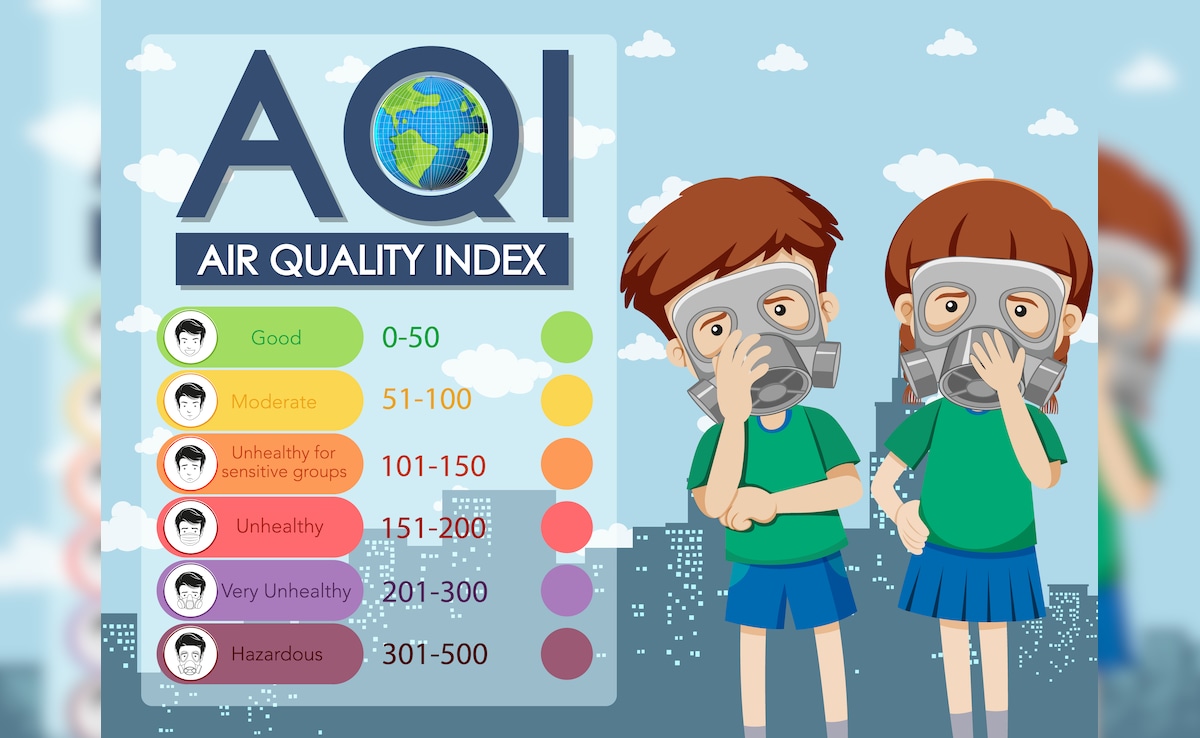
Photo Credit: Freepik
What Poor Air Quality Does To The Body
When AQI levels rise, the effects on the human body can be both immediate and cumulative.
- Short-term exposure to high pollution can lead to coughing, wheezing, throat irritation, burning eyes, and headaches. People with asthma or chronic bronchitis may find their symptoms worsening, while even healthy individuals might feel fatigued or breathless during outdoor activity.
- Long-term exposure is more concerning. Studies from the Indian Council of Medical Research (ICMR) and World Health Organization (WHO) have linked prolonged inhalation of polluted air to increased risk of respiratory diseases, reduced lung function, cardiovascular problems, and certain cancers. It can also aggravate pre-existing heart and lung conditions, raise blood pressure, and affect metabolic health.
- Children, pregnant women, and older adults are particularly vulnerable. In India, research from the Energy Policy Institute at the University of Chicago suggests that air pollution shortens average life expectancy by more than five years in heavily affected regions.
Understanding these risks underscores why monitoring AQI isn't just about numbers. It's about taking control of your exposure and reducing preventable harm.
How To React And Protect Yourself, Explained By AQI Level
You don't need to panic each time air quality dips, but you should respond appropriately. The key is to modify your activity level and environment based on the day's AQI readings.
When AQI Is Good Or Satisfactory (0-100)
- Feel free to go outdoors, exercise, and ventilate your home.
- Minimal risk for the general population.
When AQI Is Moderate Or Poor (101-200)
- Sensitive groups, such as children, older adults, and people with asthma or heart disease, should reduce strenuous outdoor activity.
- Wearing an N95 or FFP2 mask during commutes can reduce exposure to fine particulates.
When AQI Is Very Poor (201-300)
- Everyone should limit time outdoors.
- Avoid morning walks or outdoor workouts.
- Keep windows closed and use air purifiers if possible.
- Indoor plants like peace lilies or snake plants can also help marginally improve air quality indoors.
When AQI Is Severe (300+)
- Stay indoors as much as possible.
- Avoid outdoor exercise entirely.
- If you experience chest discomfort, wheezing, or breathlessness, seek medical advice.
Note: When AQI crosses 150, think of your lungs as delicate filters. Protect them the way you would protect your eyes from dust or your skin from UV rays.
Simple Lifestyle Habits That Help
- Track the AQI daily using reliable apps like SAFAR or CPCB's real-time dashboard.
- Keep your indoor air clean by sealing gaps around windows, using air purifiers, and minimizing incense, candles, or aerosols.
- Hydrate well because water helps your body flush out toxins more efficiently.
- Eat antioxidant-rich foods such as citrus fruits, berries, green vegetables, and nuts to reduce inflammation from pollution exposure.
- Avoid travelling during peak traffic hours when pollution is highest, especially during early morning or late evening.
- Opt for indoor workouts on poor air days. Go for yoga, skipping, or bodyweight exercises are good alternatives.
- Encourage green habits in your community, like carpooling, limiting firecracker use, and supporting clean-energy initiatives all contribute to the bigger picture.
The Air Quality Index isn't just a number on your weather app. It's a real-time reflection of what you're breathing and how it can affect your health. Understanding how to read and respond to AQI levels allows you to make informed choices, protect vulnerable family members, and maintain well-being during high-pollution periods. As the smog season sets in, small, consistent actions like staying aware, masking up, and improving indoor air, can make a big difference. Cleaner air begins with collective responsibility, but safeguarding your health starts with knowledge and simple, mindful habits.
Disclaimer: This content including advice provides generic information only. It is in no way a substitute for a qualified medical opinion. Always consult a specialist or your own doctor for more information. NDTV does not claim responsibility for this information.
References:
Central Pollution Control Board (CPCB) - National Air Quality Index Framework, 2024
Ministry of Health & Family Welfare, Government of India - Advisory on Air Pollution and Health
World Health Organization - Air Quality Guidelines (2021)
Energy Policy Institute at the University of Chicago (EPIC) - Air Quality Life Index Report (2023)
Indian Council of Medical Research (ICMR) - Health Impacts of Air Pollution in India, 2024
United States EPA / AirNow - AQI Basics and Public Health Guidance
Published: October 17, 2025 11:54 IST
also read
 Written by Ambika Singh Kahma | Friday June 19, 2026
NDTV Lifeline's first episode gives India a wake-up call to recognise sleep apnea as a critical public health issue
- Reported by Ishika Verma | Friday June 19, 2026 , New Delhi
The measures, outlined under a newly notified winter air quality management framework, are intended to help authorities, businesses and residents prepare in advance for the period between November and February, when Delhi's air quality typically dete
- Edited by Nikhil Pandey | Friday June 19, 2026
An unprecedented Ukrainian drone strike on a major Moscow oil refinery has caused a bizarre environmental crisis, with oily "black rain" falling over parts of the Russian capital.
- Written by Dr Anindita Singh | Monday June 15, 2026
From a clinical point of view, infertility often develops quietly, without noticeable symptoms, especially in the early stages, and the whole process can look normal from the outside.
- Written by Shreya Goswami | Monday June 15, 2026
Naseeruddin Shah's moving portrayal of a man with dementia in Imtiaz Ali's latest movie highlights the emotional and practical challenges faced by caregivers.





................................ Advertisement ................................




Blog | Well Done, Delhi. You've Turned Lung Sacrifice Into A Badge Of HonourSaikat Kumar Bose
Monday November 10, 2025Till some years back, Delhiites would ask angry questions to those in power about the capitals annual tryst with toxic air. This has changed. Those in the driving seat dont see the need to answer now.
Opinion | Why Indians Have Just Given Up On Air Pollution CrisisTanushree Ganguly
Friday December 20, 2024While some may argue that people in Delhi are now more aware of air pollution than they were a decade back, my rebuttal would be that awareness does not mean that people are concerned.
Opinion | You Must Outrage Over Filthy Air More Than Once A YearJyoti Pande Lavakare
Tuesday December 10, 2024Delhi welcomed us with monsoon rains and mangos. We were home. Fast forward a couple of years, in the winter of 2012, I found myself in denial about something other parents, mostly expats, were calling toxic air.
Opinion | Delhi's Air Pollution Situation Is Like A Bad MarriageNishtha Gautam
Friday November 22, 2024On a good day, such as today, the AQI reading in Delhi is 407. We are jubilant at the sickly sunshine trickling through the slightly dissipated smog. At least its not 1600.
दिवाली... पराली... सियासी जुगाली!Ashwini kumar
Monday November 18, 2024दिल्ली-एनसीआर में प्रदूषण का समाधान तो आज तक मिला नहीं. हर साल चिंतित होकर हम-आप सांसों की तकलीफ के साथ-साथ दिल और ब्लड प्रेशर के मरीज भी क्यों बनें?


