


- Home/
- Adverse Health Impacts Due To Plastic Use Set To Double By 2024: Lancet Study
Adverse Health Impacts Due To Plastic Use Set To Double By 2024: Lancet Study
Press Trust of India | Updated: January 27, 2026 10:08 IST
New Delhi:
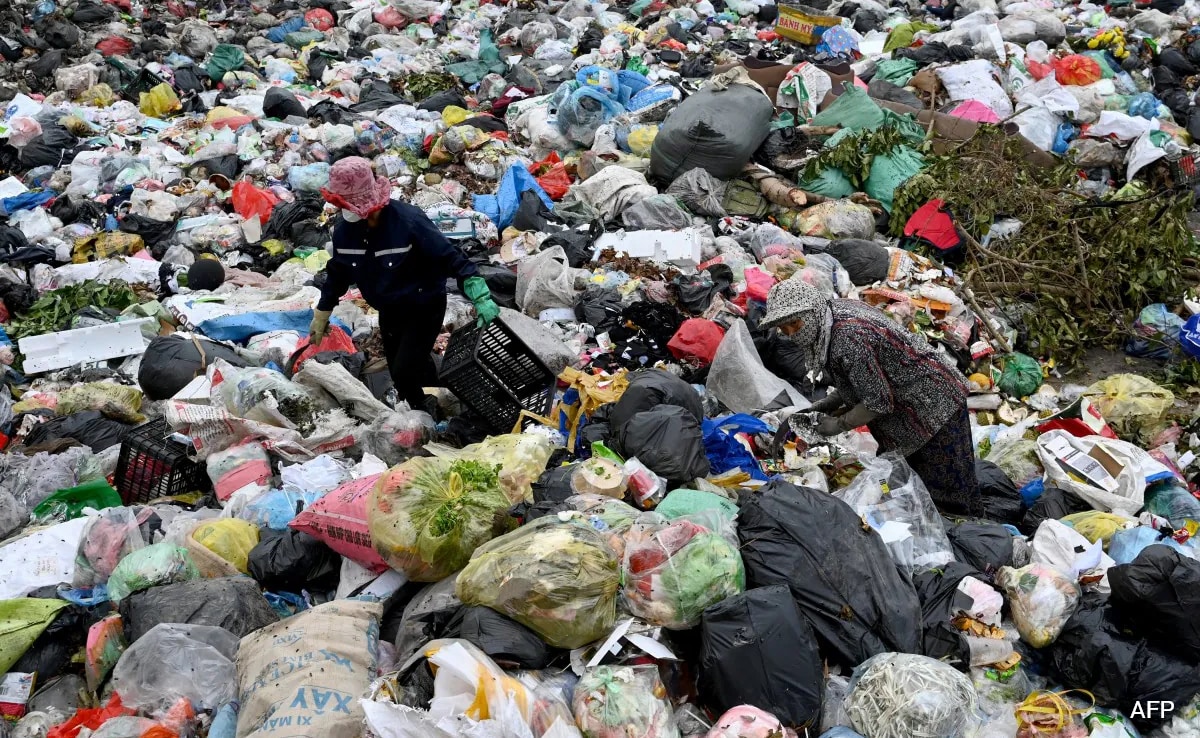
Adverse effects on health due to emissions from the world's plastics system, including greenhouse gases, air-polluting particles and toxic chemicals released from production, could more than double by 2040, compared to levels in 2016, if current trends continue, according to a study. The study, published in The Lancet Planetary Health journal, also highlighted that the global production of plastics may not peak until beyond 2100, worsening environmental and health burdens in an already overwhelmed system. Plastic pollution and emissions released across its lifecycle are increasingly recognised for their potential impacts on human health, yet the overall scale of the impact is only beginning to be fully quantified, researchers from the London School of Hygiene and Tropical Medicine and institutes in France, said.
Quantifying health impacts throughout plastics' lifecycles can inform global action against pollution, promoting sustainability across the environment, economy and health, they said.
The team added that a non-disclosure of the chemical composition of plastics is "severely limiting" lifecycle assessments in informing effective policy.
The plastics lifecycle assessment study is the first global-scale one to estimate health impacts in terms of 'disability-adjusted life-years' related to greenhouse gases, air pollutants and chemicals released, the researchers said.
Lifecycles of plastic products analysed include raw material extraction to polymer production to post-consumption waste collection, recycling technologies, dumpsites and open burning and environmental pollution.
The model put forth in the study contributes a flexible framework that can be expanded to include new data and methods and improve precision in health impact estimates associated with plastics, their alternatives and substitutes -- the information can contribute towards a rapidly changing policy landscape, the authors said.
The framework currently recommends a deep reduction in primary plastic (virgin plastic) production in leading a transition away from substances, along with assessments that account for plastics' functions across sectors.
A globally coordinated policy that addresses upstream effects through a full lifecycle approach is crucial to protecting human health, the researchers said.
"We found that emissions throughout plastics lifecycles contributed to human health burdens of global warming, air pollution, toxicity-related cancers, and non-communicable diseases, with greatest harms from primary plastics production and open burning," the authors wrote.
"Adverse health effects associated with the global plastics system more than doubled under P2O (plastics-to-ocean) BAU (business-as-usual) projections for 2016-40," they said.
The authors say to effectively reduce plastic emissions and their impact on health, policymakers must better regulate and significantly reduce the production of new plastics for non-essential uses to effectively reduce plastic emissions and health impacts.
Over 175 countries have agreed to develop a Global Plastics Treaty, which is under negotiation.
(Except for the headline, this story has not been edited by NDTV staff and is published from a syndicated feed.)
Published: January 27, 2026 05:06 IST
also read
 Edited by Nikhil Pandey | Friday June 19, 2026
An unprecedented Ukrainian drone strike on a major Moscow oil refinery has caused a bizarre environmental crisis, with oily "black rain" falling over parts of the Russian capital.
- Written by Dr Anindita Singh | Monday June 15, 2026
From a clinical point of view, infertility often develops quietly, without noticeable symptoms, especially in the early stages, and the whole process can look normal from the outside.
- Written by Shreya Goswami | Monday June 15, 2026
Naseeruddin Shah's moving portrayal of a man with dementia in Imtiaz Ali's latest movie highlights the emotional and practical challenges faced by caregivers.
- Written by NDTV Health Desk , Edited by Debosmita Ghosh | Friday June 12, 2026
The nutritionist explains that most people stay indoors, travel in cars, wear sunscreen, and avoid peak sun hours — all of which can prevent the body from producing sufficient vitamin D.
- Written by Dr Aseem Kumar Samar | Friday June 12, 2026
Tobacco-related cancers like oral, throat, and lung are often diagnosed late due to symptom normalization among users.



................................ Advertisement ................................

Blog | Well Done, Delhi. You've Turned Lung Sacrifice Into A Badge Of HonourSaikat Kumar Bose
Monday November 10, 2025Till some years back, Delhiites would ask angry questions to those in power about the capitals annual tryst with toxic air. This has changed. Those in the driving seat dont see the need to answer now.
Opinion | Why Indians Have Just Given Up On Air Pollution CrisisTanushree Ganguly
Friday December 20, 2024While some may argue that people in Delhi are now more aware of air pollution than they were a decade back, my rebuttal would be that awareness does not mean that people are concerned.
Opinion | You Must Outrage Over Filthy Air More Than Once A YearJyoti Pande Lavakare
Tuesday December 10, 2024Delhi welcomed us with monsoon rains and mangos. We were home. Fast forward a couple of years, in the winter of 2012, I found myself in denial about something other parents, mostly expats, were calling toxic air.
Opinion | Delhi's Air Pollution Situation Is Like A Bad MarriageNishtha Gautam
Friday November 22, 2024On a good day, such as today, the AQI reading in Delhi is 407. We are jubilant at the sickly sunshine trickling through the slightly dissipated smog. At least its not 1600.
दिवाली... पराली... सियासी जुगाली!Ashwini kumar
Monday November 18, 2024दिल्ली-एनसीआर में प्रदूषण का समाधान तो आज तक मिला नहीं. हर साल चिंतित होकर हम-आप सांसों की तकलीफ के साथ-साथ दिल और ब्लड प्रेशर के मरीज भी क्यों बनें?


