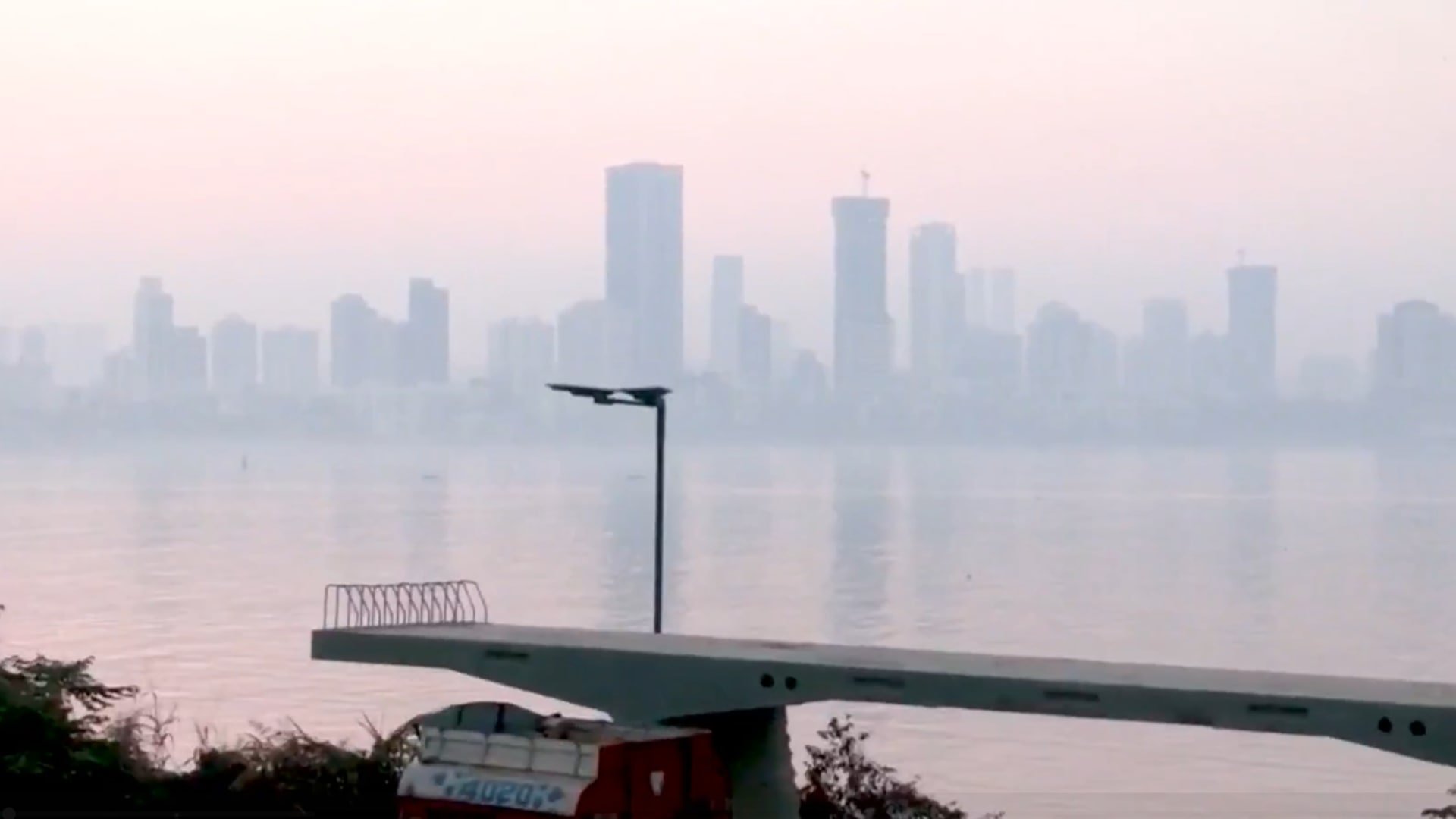
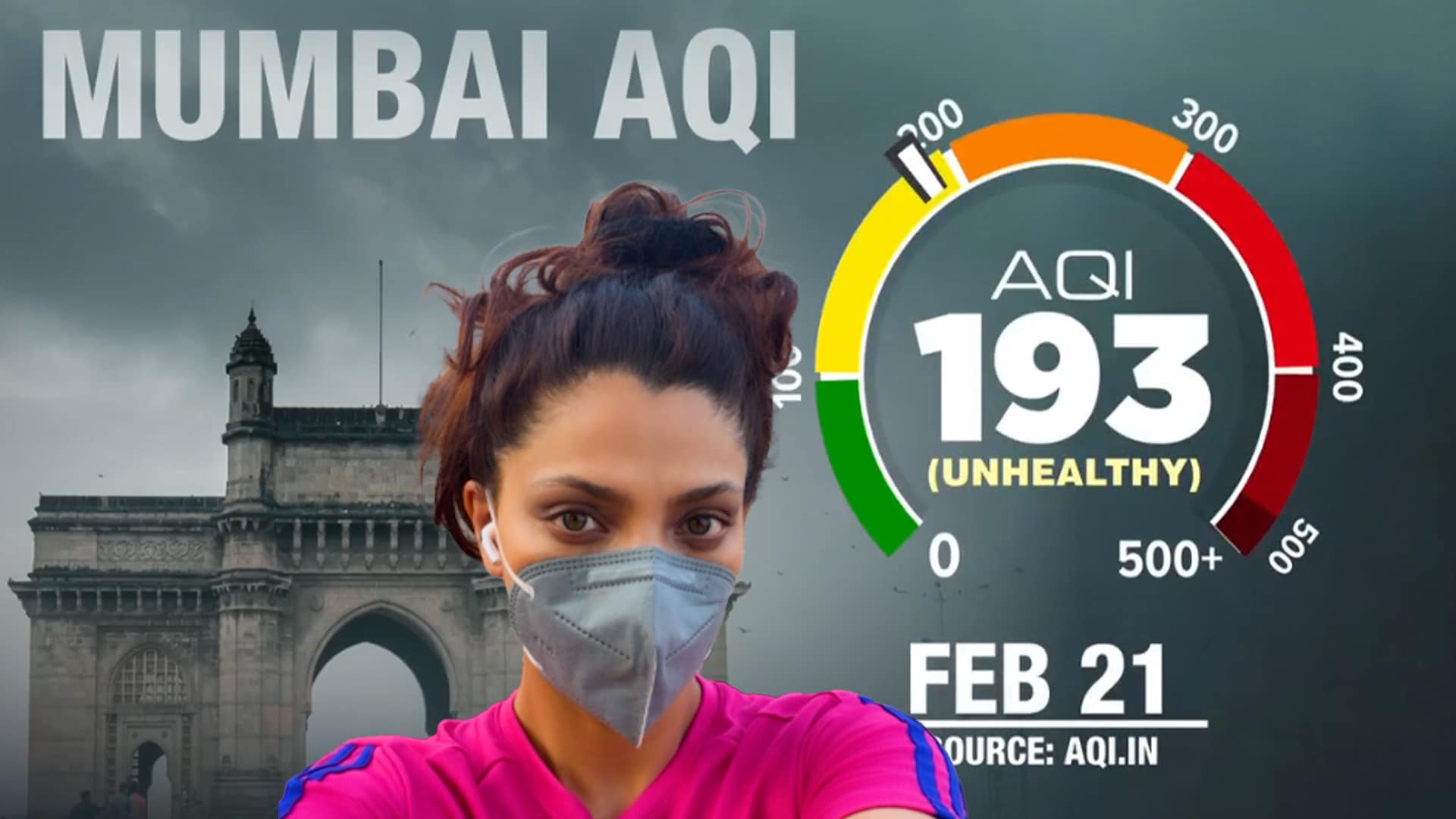
As winter tightens its grip on North India, heavy fog and extremely low visibility has become a daily morning reality across Delhi and the National Capital Region (NCR). Often, the fog stays throughout the day as winter intensifies, leaving only occasionally during afternoons. While fog itself is a natural meteorological phenomenon, it's caused by tiny water droplets suspended near the ground, its interaction with polluted city air creates smog that seriously affects public health. Dense fog coupled with stagnant pollutants traps toxic particles close to the surface, leading to very poor to hazardous air quality and zero-visibility conditions that disrupt everyday life.
The India Meteorological Department (IMD) frequently issues fog alerts in winter due to calm winds and temperature inversions, conditions that cause pollutants from traffic, industrial and household emissions to accumulate near the ground instead of dispersing. The result is a dangerous mix of natural fog and anthropogenic smog that not only reduces visibility on roads and at airports but also poses serious respiratory and cardiovascular health risks.
Understanding the distinct health impacts of heavy fog and related air pollution, and how to protect yourself and your family, is essential for staying healthy during the cold season in North India.
What Causes Dense Fog In Delhi-NCR And Why It's Worse With Pollution
Fog forms when the air near the ground cools and moisture condenses into fine droplets. However, in urban regions like Delhi and its surrounding cities, dense fog often mixes with pollutant particles (like PM2.5 and PM10) from vehicles, industry, biomass burning and domestic fuel use. These fine particles attach to water droplets, creating smog, a hazardous phenomenon that reduces visibility and worsens air quality.
Meteorological conditions in winter, low wind speeds, temperature inversions and high humidity, prevent these pollutants from dispersing. As a result, air quality can slide into the 'very poor' to 'severe' category, with AQI readings frequently crossing 300 and even 400, far above the safe limits set by public health authorities.
Also Read: 1-Minute Lung Health Check: The Guide You Need To Survive Despite Severe AQI
How Heavy Fog And Smog Impact Health
When fog combines with pollution, it becomes more than a visibility hazard, it becomes a public health concern and may cause the following issues:
1. Respiratory Issues
Pollutant-laden fog can trigger or worsen:
- Coughing and wheezing
- Shortness of breath
- Asthma attacks
- Bronchitis symptoms
This happens because fine particulate matter (PM2.5) can penetrate deep into the lungs, leading to inflammation and reduced lung function. Chronic exposure increases the risk of respiratory infections and reduced pulmonary health.
2. Cardiovascular Stress
Studies show that poor air quality, especially high levels of PM2.5, is linked to heart attacks, arrhythmias, and stroke, since particulates can enter the bloodstream and strain cardiovascular systems. Vulnerable individuals (with existing heart conditions, diabetes or hypertension) are especially at risk.
3. Eye and Skin Irritation
The smog layer can irritate eyes, causing redness, itching and watering, and may aggravate sensitive skin due to increased exposure to airborne chemicals. For more details on how to handle eye health issues during heavy fog and smog, click here: Air Pollution Can Cause Dry Eyes, Irritation And Conjunctivitis: Expert Shares Prevention Tips
4. Weakened Immunity
Prolonged exposure to polluted fog conditions can reduce the immune system's ability to fight off infections, making individuals more susceptible to cold, flu and bronchial infections.
Who Is Most Vulnerable?
Certain population groups are at heightened risk from fog-induced smog:
- Children and infants, as developing lungs and immune systems make them especially sensitive.
- Elderly adults, because of age-related decline in respiratory and cardiac function increases risk.
- People with respiratory or cardiovascular disease, e.g., asthma, COPD, heart disease.
- Pregnant women, as developing foetuses may be indirectly affected by maternal exposure.
- Outdoor workers and commuters, because more prolonged exposure increases health burden.
Precautions To Take During Heavy Fog And Poor Air Quality
Experts and health authorities recommend the following safety measures:
- Monitor Air Quality Daily: Follow AQI updates from Central Pollution Control Board (CPCB) and local news. Avoid peak pollution hours (typically early mornings) when fog and smog combine.
- Limit Outdoor Exposure: Especially for vulnerable groups, keep children, elderly and chronically ill indoors when AQI is in the very poor or severe categories.
- Use Protective Masks: Wearing an N95 or equivalent mask when outdoors filters fine particulates and can reduce inhalation of hazardous particles.
- Keep Indoor Air Clean: Maintain good indoor ventilation if outdoor air quality is moderate, and consider using air purifiers with HEPA filters in homes and workplaces.
- Stay Hydrated and Nourished: Proper hydration helps the respiratory tract clear pollutants, and diets rich in antioxidants (fruits, green vegetables) may support overall lung health.
- Reduce Physical Exertion Outside: Avoid strenuous activities outdoors when visibility is low and pollution levels are high.
- Routine Healthcare: People with chronic conditions should maintain regular medication schedules and consult healthcare providers if symptoms worsen.
Also Read: Mask Up, Stay Safe: Essential Air Pollution Survival Checklist As AQI Worsens
When To Seek Medical Help
Seek immediate medical attention if you experience:
- Severe shortness of breath
- Chest pain or palpitations
- Persistent wheezing
- Faintness or dizziness
These could indicate serious respiratory or cardiovascular responses requiring prompt medical care.
Heavy fog in Delhi-NCR, especially when interacting with urban air pollution, presents a dual health challenge, combining poor visibility with toxic air exposure. While winter fog itself is a weather phenomenon, its health consequences are amplified when layered with particulate pollution. Monitoring daily AQI, adopting preventive measures such as limiting outdoor exposure and using protective masks, and protecting vulnerable family members can significantly reduce the health burden. With proactive awareness and simple precautions, residents can protect themselves against adverse health effects during foggy winter months.
Disclaimer: This content, including advice, provides generic information only. It is in no way a substitute for a qualified medical opinion. Always consult a specialist or your own doctor for more information. NDTV does not claim responsibility for this information.



 Written by Debosmita Ghosh | Friday June 26, 2026