- Home/
- Here's How Long Term Exposure To Air Pollution Affects Your Health
Here's How Long Term Exposure To Air Pollution Affects Your Health
Manya Singh | Updated: January 15, 2025 12:31 IST

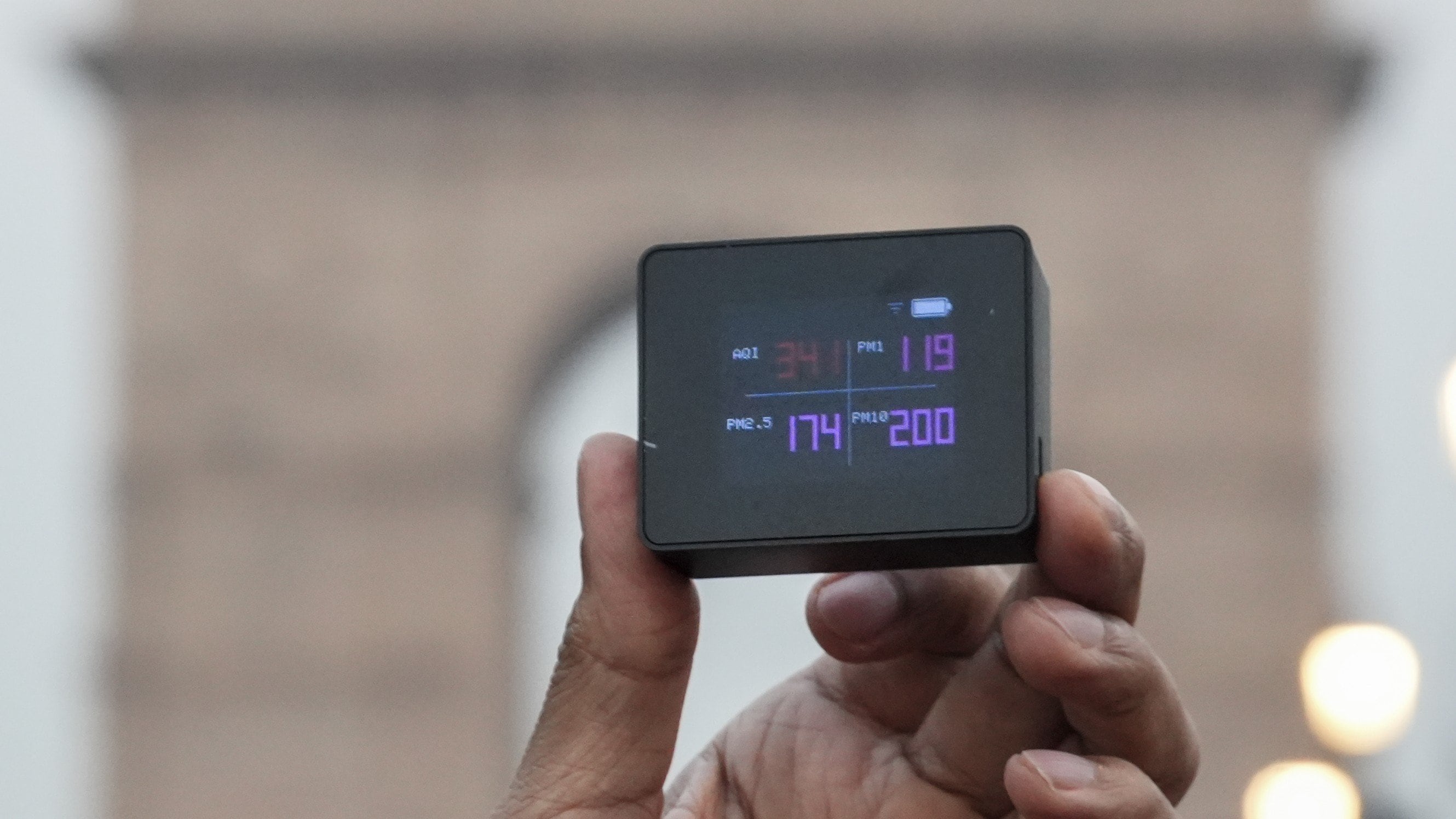
Air Pollution: By understanding these impacts, individuals can prioritise measures to reduce exposure
Long-term exposure to air pollution can have profound and wide-ranging effects on human health. Pollutants and ground-level ozone can infiltrate the respiratory and cardiovascular systems. These harmful substances cause inflammation, oxidative stress, and cellular damage, leading to both chronic and acute health conditions. Over time, this exposure contributes to diseases affecting the lungs, heart, brain, and immune system, while also exacerbating pre-existing conditions. Vulnerable groups, such as children, the elderly, and individuals with underlying health issues, are at a higher risk. Keep reading as we share in detail how long term exposure to air pollution can affect your health.
10 Ways long-term exposure to air pollution affects our health
1. Respiratory diseases
Air pollution can irritate the airways and lead to chronic respiratory diseases such as asthma, chronic obstructive pulmonary disease (COPD), and bronchitis. Long-term inhalation of fine particles can penetrate deep into the lungs, causing inflammation, reduced lung function, and scarring, increasing susceptibility to respiratory infections.
2. Cardiovascular problems
Certain pollutants can enter the bloodstream, causing oxidative stress and inflammation in blood vessels. This increases the risk of atherosclerosis, hypertension, heart attacks, and strokes. Long-term exposure can worsen pre-existing heart conditions and elevate the risk of sudden cardiac events.
3. Cancer risk
Prolonged exposure to air pollutants, especially those with carcinogenic properties like benzene and polycyclic aromatic hydrocarbons (PAHs), is strongly linked to an increased risk of lung cancer. Other cancers, such as bladder cancer, may also be associated with certain airborne toxins.
4. Neurological disorders
Emerging evidence suggests that air pollution can adversely affect the brain. Fine particles and toxins can cross the blood-brain barrier, leading to neuroinflammation. This exposure is linked to cognitive decline, dementia, Alzheimer's disease, and developmental delays in children.
5. Impaired immune function
Long-term exposure to air pollution can weaken the immune system by disrupting its ability to fend off infections. This can lead to higher susceptibility to illnesses such as pneumonia and other respiratory infections.
6. Reproductive and developmental issues
Pregnant women exposed to high levels of air pollution face increased risks of complications, including preterm birth, low birth weight, and developmental delays in children. Air pollution can disrupt hormonal balance and damage foetal development.
7. Chronic inflammation
Many pollutants, especially fine particulate matter, can trigger systemic inflammation. Persistent inflammation contributes to a range of diseases, including diabetes, arthritis, and other chronic inflammatory conditions.
8. Worsening of allergies
Pollutants such as ground-level ozone and particulates can exacerbate allergic reactions by increasing the body's sensitivity to allergens like pollen. This can lead to more severe and prolonged allergy symptoms.
9. Eye and skin irritation
Airborne pollutants, such as sulphur dioxide and particulate matter, can irritate the eyes, leading to redness, dryness, and discomfort. Long-term exposure can also damage the skin, causing premature aging, eczema, and rashes.
10. Reduced lifespan
Chronic exposure to air pollution is associated with an overall reduction in life expectancy. The cumulative effects of respiratory, cardiovascular, and systemic diseases caused by air pollution significantly increase the risk of premature death.
By understanding these impacts, individuals can prioritise measures to reduce exposure and improve air quality, ultimately protecting public health.
Disclaimer: This content including advice provides generic information only. It is in no way a substitute for a qualified medical opinion. Always consult a specialist or your own doctor for more information. NDTV does not claim responsibility for this information.
Published: January 13, 2025 16:47 IST
also read
Air Pollution Costs India Up To 9.5% Of GDP, 2 Million Deaths Linked: New Report Calls For Health-Led Action
Written by Shreya GoswamiFrom Stroke Risk To Children's Memory: The Growing Threat Of Air Pollution To Brain Health
Written by Ambika Singh KahmaPollution Or Seasonal Allergy? How To Identify What's Triggering Your Cough
Written by Dr Ajay Phadke
 Written by Shreya Goswami | Friday November 06, 2026
The central finding of the FICCI-EY report, Clean Air, Healthy India, is that air pollution must be treated as a public-health emergency and a development challenge, not merely an environmental problem.
- Reported by Ishika Verma | Friday November 06, 2026
In Dwarka, the misting network now stretches 11.8 km. It includes a new 3-km section with 66 poles in Sector 8, connected to the existing system along major roads.
- Reported by Gurpreet Singh Chhina | Friday November 06, 2026 , Chandigarh
Jarnail Singh maintained that the date-related issue was a minor technical error and did not invalidate the pollution readings displayed in Mohali
- Written by Vishesh Nagar | Thursday November 05, 2026
The BCCI announced the venue change following a request from the DDCA, citing possible weather disruption and renovation work.
- Thursday November 05, 2026
The ODI series opener between India and Sri Lanka on December 13 was on Thursday shifted from Delhi to Visakhapatnam



................................ Advertisement ................................

दीवाली की चौखट पर दिल्ली में सांसों का संकट: 30 साल की स्टडी ने हरियाली को लेकर क्या बताया?
Thursday November 05, 2026अध्ययन में हरियाली की मात्रा के साथ उसके फैलाव और आपसी जुड़ाव को भी महत्वपूर्ण पाया गया. जिन इलाकों में हरियाली ज्यादा बिखरी हुई थी, वहां सतही तापमान अधिक रहा. इसके विपरीत, बड़े और आपस में जुड़े हरित क्षेत्रों में तापमान कम पाया गया.
Opinion: Why Delhi's Smog Can't Be Fixed From SpaceDavid Fickling, Bloomberg
Monday October 19, 2026The clearest sign that Delhi is on a path to cleaner air would be a decline in the amount of paddy grown nearby, and therefore the acreage liable to be burned each year.
Don't Normalise Air Purifiers As Delhi Chokes | The Reason Why
Thursday December 11, 2025More than 90 cities in the world's top 100 polluting list are in India. With every passing year, the AQI is rising, reaching 'hazardous' levels.
Blog | Well Done, Delhi. You've Turned Lung Sacrifice Into A Badge Of HonourSaikat Kumar Bose
Monday November 10, 2025Till some years back, Delhiites would ask angry questions to those in power about the capitals annual tryst with toxic air. This has changed. Those in the driving seat dont see the need to answer now.
Opinion | Why Indians Have Just Given Up On Air Pollution CrisisTanushree Ganguly
Friday December 20, 2024While some may argue that people in Delhi are now more aware of air pollution than they were a decade back, my rebuttal would be that awareness does not mean that people are concerned.