


- Home/
- How To Stay Warm And Healthy During Winter Rains
How To Stay Warm And Healthy During Winter Rains
Written by Shreya Goswami | Updated: January 23, 2026 11:08 IST
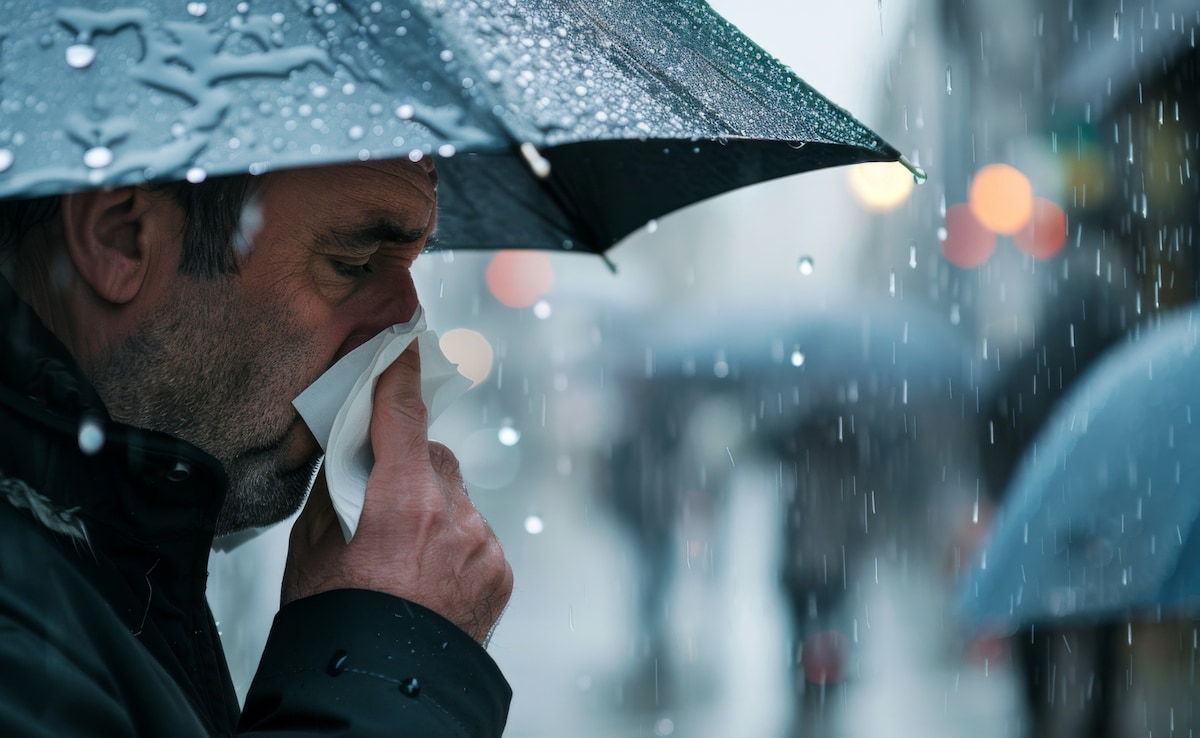
AI-generated image
Winter rains have begun to sweep across Delhi NCR and other parts of North India, bringing much-needed moisture but also a fresh set of health challenges for residents. Today's light showers and predicted wet spells, influenced by winter weather systems and potential western disturbances, come at a time when dense fog and cold temperatures are already affecting daily life, visibility, and general wellbeing in the capital region. While rain can momentarily clear out the polluted, smog-laden air that often plagues the region in winter, it can also intensify the chill, suppress sun exposure, and trap pollutants near ground level under low wind conditions.
Combined with stagnant fog and temperature inversions, this increases the risk of respiratory and cardiovascular issues, especially among the elderly, children, and people with chronic conditions. Winter health risks are not just local to Delhi. Across India, the winter season brings a surge in cold and flu viruses, suppressed immunity due to low sunlight and reduced outdoor activity, and a rise in chest infections and allergies.
Staying warm and healthy during this transitional weather period requires both preventive habits and lifestyle adjustments informed by medical evidence.
Why Rain, Fog And Cold Affect Your Health
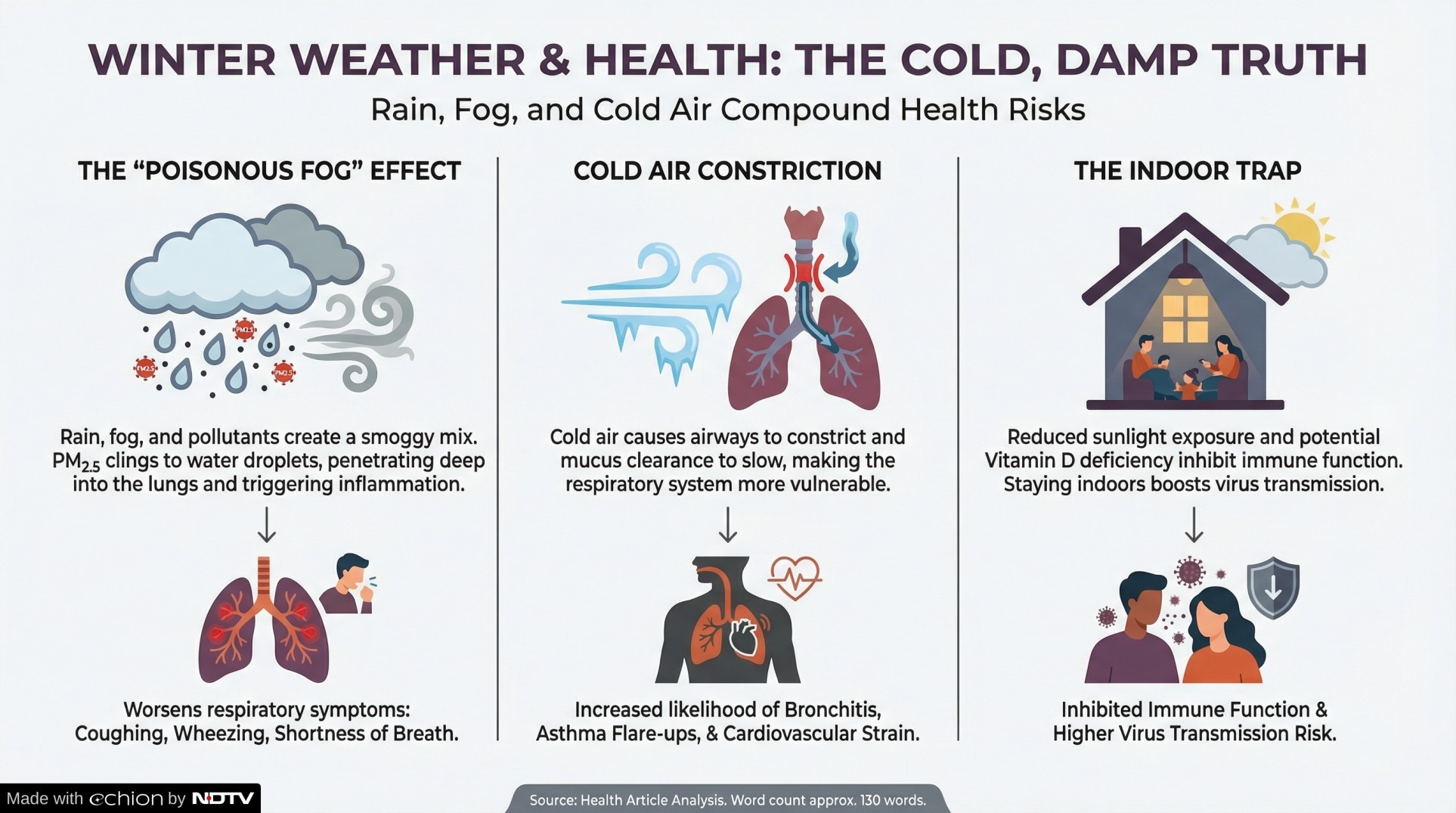
Winter rains often mix with fog and pollutants to create a smoggy environment known as "poisonous fog," which can worsen respiratory symptoms such as coughing, wheezing, and shortness of breath. Fine particulate matter (PM2.5) clings to water droplets, penetrating deep into the lungs and triggering inflammation.
Cold air also causes airways to constrict and mucus clearance to slow, making the respiratory system more vulnerable to infection and irritation. This compound effect, cold, rain, and air pollution, increases the likelihood of conditions like bronchitis, asthma flare-ups, and even cardiovascular strain.
Adding to this, the winter environment often keeps people indoors for longer periods, boosting virus transmission and inhibiting immune function due to reduced sunlight and potential vitamin D deficiency.
Smart Ways To Stay Warm And Healthy During Winter Rains
1. Dress in Layers and Keep Warm
Cold and wet conditions rapidly draw heat away from the body. Wearing multiple layers, including thermal innerwear, woollens, and waterproof outer layers, helps trap body heat and prevents hypothermia. Keeping extremities warm with gloves, socks, and scarves reduces heat loss and protects against frostbite.
2. Hydrate and Nourish Your Body
During winter, the body's thirst response diminishes, but hydration remains crucial for maintaining mucus membrane moisture and proper circulation. Warm fluids, such as herbal teas, soups, and warm water, aid hydration and help keep respiratory passages moist, reducing irritation and infection risk.
A diet rich in vitamin C and zinc, sourced from citrus fruits, leafy greens, nuts, and seeds, supports immunity. Fortified foods and sources of vitamin D can also bolster defence against respiratory viruses common in winter.
Also Read: How Much Water Do You Need In Winter? Tips To Ensure Intake
3. Keep Active, Even Indoors
Regular movement improves blood circulation, helps maintain body warmth, and boosts immune function. Simple indoor exercises, stretching, or yoga sessions can make a significant difference on cold, rainy days.
4. Practice Good Respiratory Hygiene
Winter rain and fog increase the risk of viral respiratory infections. Simple habits, such as frequent handwashing, avoiding close contact with sick individuals, and covering your mouth and nose when coughing or sneezing, reduce the spread of pathogens. Vaccination against influenza is also recommended during winter months to reduce the risk of severe flu.
5. Protect Indoor Air Quality
During cold, rainy spells, people tend to stay indoors longer. Ensuring good ventilation, using air purifiers with HEPA filters, and reducing indoor smoke from stoves and heaters can help maintain cleaner indoor air and protect sensitive lungs.
Also Read: Sleeping With Your Face Covered In Winter: Cosy Comfort Or Health Risk?
6. Support Heart And Lung Health
Cold weather constricts blood vessels, raising blood pressure and increasing heart strain, especially in older adults or people with preexisting conditions. A balanced diet, warm clothing, stress management, and regular medical check-ups are essential to mitigate this risk.
Winter rains may offer a break from dry, stagnated air, but they come with their own challenges for health, particularly when mixed with fog and air pollution in North India's urban landscapes. Staying warm, hydrated, active, and mindful of respiratory hygiene can help you weather this season safely. With climate patterns shifting and winters potentially intensifying due to broader weather systems, a proactive approach to health, backed by science and good habits, is your best defence against seasonal illnesses.
Disclaimer: This content, including advice, provides generic information only. It is in no way a substitute for a qualified medical opinion. Always consult a specialist or your own doctor for more information. NDTV does not claim responsibility for this information.
Published: January 23, 2026 10:56 IST
also read
 Written by Ambika Singh Kahma | Friday June 19, 2026
NDTV Lifeline's first episode gives India a wake-up call to recognise sleep apnea as a critical public health issue
- Reported by Ishika Verma | Friday June 19, 2026 , New Delhi
The measures, outlined under a newly notified winter air quality management framework, are intended to help authorities, businesses and residents prepare in advance for the period between November and February, when Delhi's air quality typically dete
- Edited by Nikhil Pandey | Friday June 19, 2026
An unprecedented Ukrainian drone strike on a major Moscow oil refinery has caused a bizarre environmental crisis, with oily "black rain" falling over parts of the Russian capital.
- Written by Dr Anindita Singh | Monday June 15, 2026
From a clinical point of view, infertility often develops quietly, without noticeable symptoms, especially in the early stages, and the whole process can look normal from the outside.
- Written by Shreya Goswami | Monday June 15, 2026
Naseeruddin Shah's moving portrayal of a man with dementia in Imtiaz Ali's latest movie highlights the emotional and practical challenges faced by caregivers.





................................ Advertisement ................................




Blog | Well Done, Delhi. You've Turned Lung Sacrifice Into A Badge Of HonourSaikat Kumar Bose
Monday November 10, 2025Till some years back, Delhiites would ask angry questions to those in power about the capitals annual tryst with toxic air. This has changed. Those in the driving seat dont see the need to answer now.
Opinion | Why Indians Have Just Given Up On Air Pollution CrisisTanushree Ganguly
Friday December 20, 2024While some may argue that people in Delhi are now more aware of air pollution than they were a decade back, my rebuttal would be that awareness does not mean that people are concerned.
Opinion | You Must Outrage Over Filthy Air More Than Once A YearJyoti Pande Lavakare
Tuesday December 10, 2024Delhi welcomed us with monsoon rains and mangos. We were home. Fast forward a couple of years, in the winter of 2012, I found myself in denial about something other parents, mostly expats, were calling toxic air.
Opinion | Delhi's Air Pollution Situation Is Like A Bad MarriageNishtha Gautam
Friday November 22, 2024On a good day, such as today, the AQI reading in Delhi is 407. We are jubilant at the sickly sunshine trickling through the slightly dissipated smog. At least its not 1600.
दिवाली... पराली... सियासी जुगाली!Ashwini kumar
Monday November 18, 2024दिल्ली-एनसीआर में प्रदूषण का समाधान तो आज तक मिला नहीं. हर साल चिंतित होकर हम-आप सांसों की तकलीफ के साथ-साथ दिल और ब्लड प्रेशर के मरीज भी क्यों बनें?


