


- Home/
- Infectious Diseases Becoming More Lethal Due To Air Pollution: Study
Infectious Diseases Becoming More Lethal Due To Air Pollution: Study
Edited by Nikhil Pandey | Updated: August 08, 2023 13:02 IST

Curbing air pollution could help reduce antibiotic resistance.
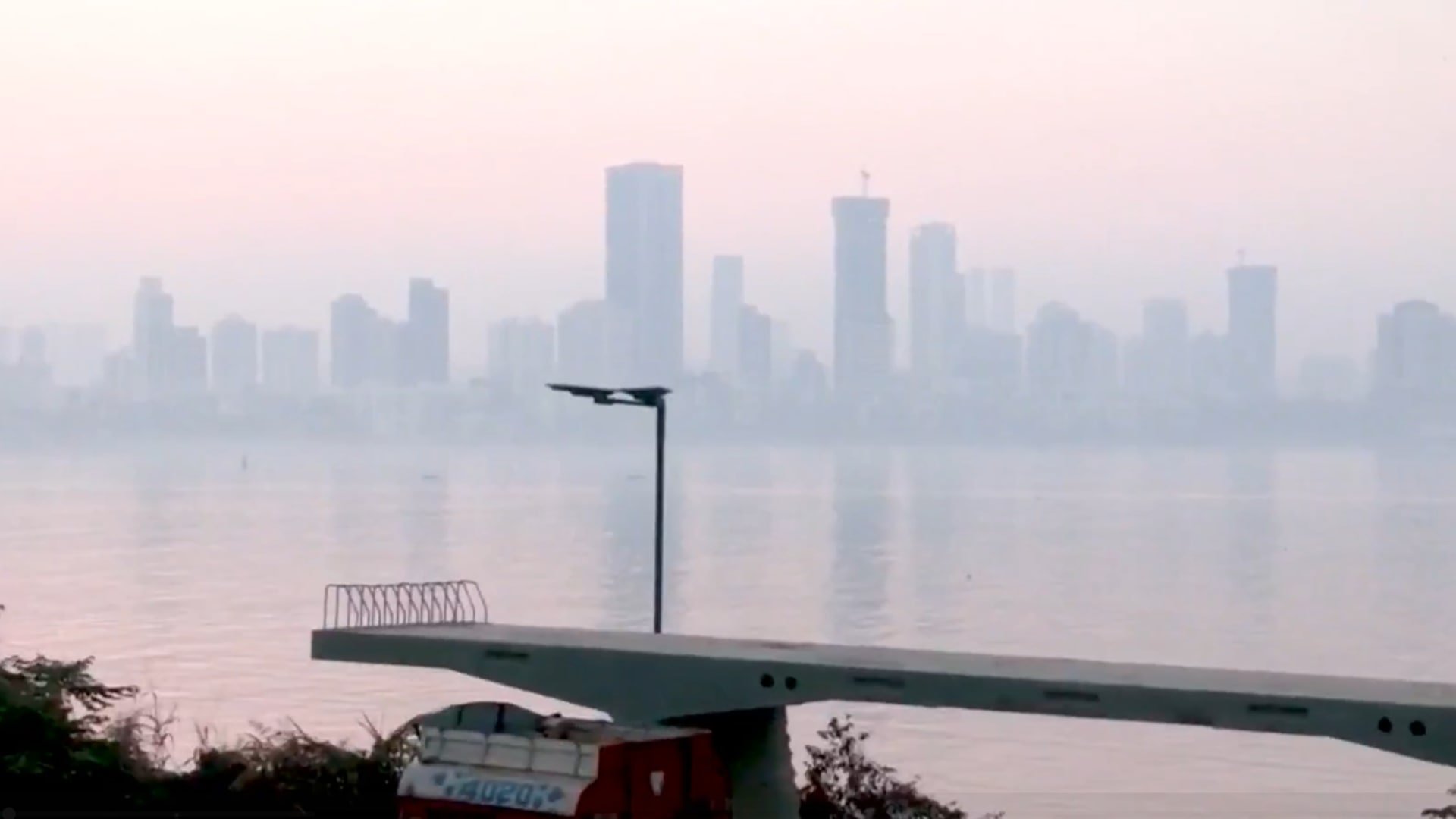
Air pollution puts you at risk for a variety of ailments, including lung cancer, heart attacks, strokes, and a variety of respiratory problems. However, a new study has shown that air pollution is the primary cause of rising antibiotic resistance worldwide.
The global study published Monday in The Lancet Planetary Health suggests that antibiotic resistance among pathogenic bacterial diseases may be linked to increases in air pollution, putting people all around the globe at risk of exposure to these infections. While reducing air pollution may be a crucial strategy to prevent such stresses from emerging, this will require global governments to work together.
"Antibiotic resistance is a severe global issue, causing approximately 1.27 million premature deaths in 2019 worldwide, substantially exceeding the estimated 0.70 million deaths in 2016," the study said.
Although the misuse and overuse of antibiotics are the main drivers of antibiotic resistance, the rapid spread of antibiotic-resistant bacteria and antibiotic resistance genes across global regions and sectors (e.g., human beings, animals, and environments) is also important for the transmission and prevalence of antibiotic resistance.
"We estimate that a 10% increase in annual PM2.5 could lead to a 1.1% increase in antibiotic resistance and 43 654 premature deaths attributable to antibiotic resistance worldwide (figure 3). If no actions are taken, this negative effect on health caused by increasing air pollution and antibiotic resistance is expected to escalate, especially with the global population approaching 9.7 billion by 2050," warn the researchers in the study.
"Antibiotic resistance and air pollution are each in their own right among the greatest threats to global health," Hong Chen, a researcher at Zhejiang University in China and the lead author of the new study, said in a statement.
"Until now, we didn't have a clear picture of the possible links between the two, but this work suggests the benefits of controlling air pollution could be twofold: not only will it reduce the harmful effects of poor air quality, it could also play a major role in combating the rise and spread of antibiotic-resistant bacteria."
Published: August 08, 2023 13:02 IST
 Reported by Reet Kaur Sahni | Friday August 07, 2026
As per the ministry, prior Environmental Clearance becomes mandatory for data centres depending on their physical footprint under Schedule 8 of the EIA Notification, 2006.
- Written by Sambhav Kumar | Thursday August 06, 2026
Keerthy Suresh's 41-hour no-sleep stretch highlights the intense demands many professionals face, but experts warn that prolonged sleep deprivation should never become routine.
- Written by Sambhav Kumar | Wednesday August 05, 2026
Preliminary evidence suggests the blood filtration treatment could reduce some microplastic particles, though findings are limited and require more study.
- Monday August 03, 2026 , New Delhi
Study reveals black crust from pollution weakens Humayuns Tomb sandstone
- Written by Debosmita Ghosh | Saturday August 01, 2026
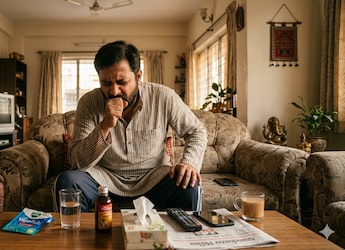
Lung cancer is often diagnosed at an advanced stage because its early symptoms are easy to overlook. A persistent cough is among the most commonly ignored warning signs.



................................ Advertisement ................................


Blog | Well Done, Delhi. You've Turned Lung Sacrifice Into A Badge Of HonourSaikat Kumar Bose
Monday November 10, 2025Till some years back, Delhiites would ask angry questions to those in power about the capitals annual tryst with toxic air. This has changed. Those in the driving seat dont see the need to answer now.
Opinion | Why Indians Have Just Given Up On Air Pollution CrisisTanushree Ganguly
Friday December 20, 2024While some may argue that people in Delhi are now more aware of air pollution than they were a decade back, my rebuttal would be that awareness does not mean that people are concerned.
Opinion | You Must Outrage Over Filthy Air More Than Once A YearJyoti Pande Lavakare
Tuesday December 10, 2024Delhi welcomed us with monsoon rains and mangos. We were home. Fast forward a couple of years, in the winter of 2012, I found myself in denial about something other parents, mostly expats, were calling toxic air.
Opinion | Delhi's Air Pollution Situation Is Like A Bad MarriageNishtha Gautam
Friday November 22, 2024On a good day, such as today, the AQI reading in Delhi is 407. We are jubilant at the sickly sunshine trickling through the slightly dissipated smog. At least its not 1600.
दिवाली... पराली... सियासी जुगाली!Ashwini kumar
Monday November 18, 2024दिल्ली-एनसीआर में प्रदूषण का समाधान तो आज तक मिला नहीं. हर साल चिंतित होकर हम-आप सांसों की तकलीफ के साथ-साथ दिल और ब्लड प्रेशर के मरीज भी क्यों बनें?


