


- Home/
- Kolkata's Air Quality Improves By 80-90% After Cyclone-Induced Rain
Kolkata's Air Quality Improves By 80-90% After Cyclone-Induced Rain
Press Trust of India | Updated: December 07, 2021 10:56 IST

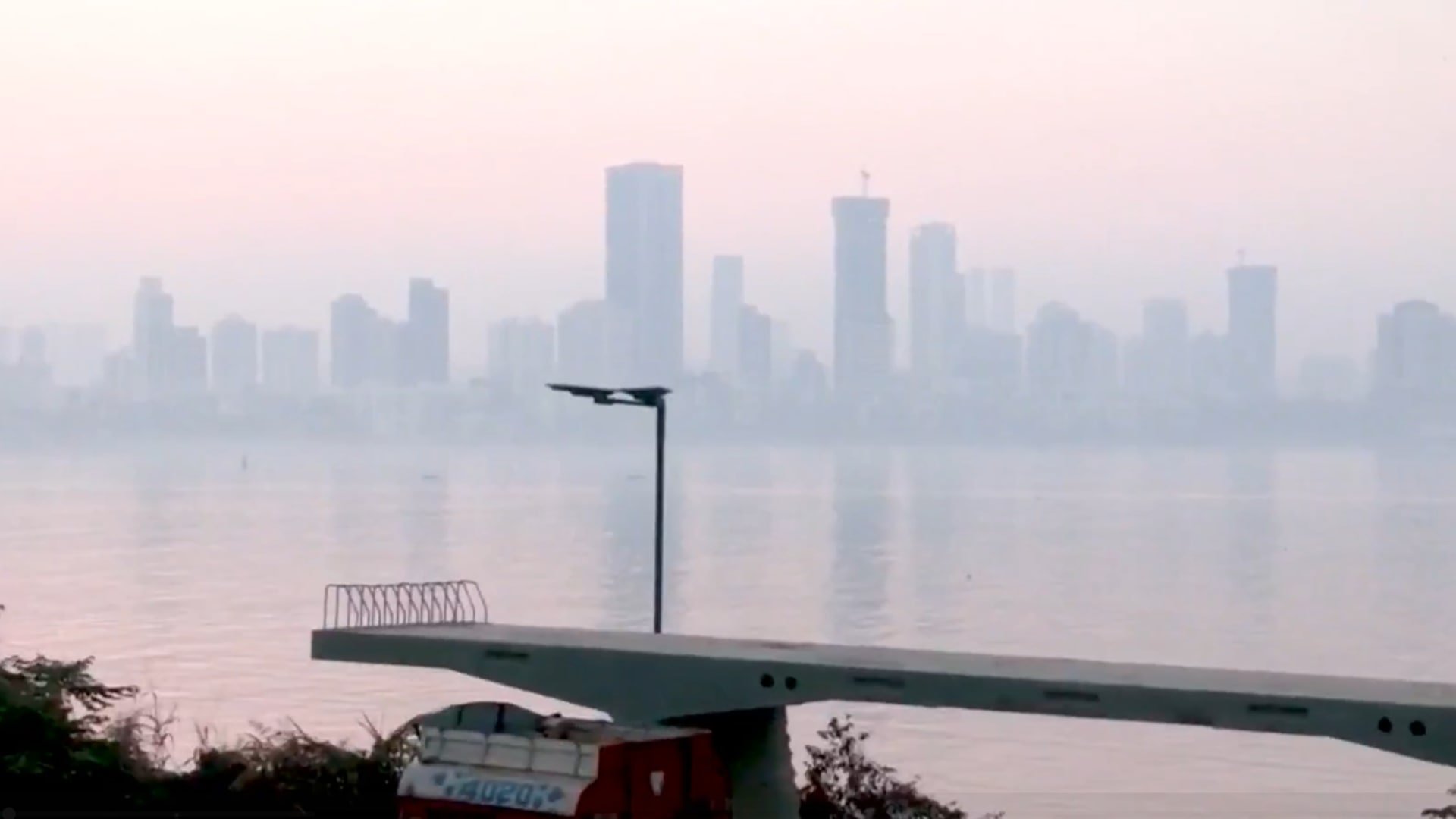
The average PM 2.5 level was one of the lowest in the air pollution history. (File photo)
Kolkata:
Kolkata's air quality improved by around 80-90 per cent after Cyclone Jawad-induced rain lashed the city in the last couple of days, pollution control board officials and environmentalists said on Tuesday.
The Air Quality Index (AQI) of 20 (good) was registered at Victoria Memorial, 43 (good) at Ballygunge, 33 (good) at Rabindra Sarobar, and 51 (satisfactory) at Rabindra Bharati University at 7 AM on Tuesday, as per data provided by the Central Pollution Control Board.
It was 185 (moderate) at Victoria Memorial, 212 (poor) at Ballygunge, 163 (moderate) at Rabindra Sarobar, and 307 (very poor) at Rabindra Bharati University at 9 AM on December 3 before the rain kicked in, it said.
"A maximum of 90 per cent and a minimum of 80 per cent improvement in the AQI of Kolkata was reported after the cyclone-induced rain lashed the city. This was a record low for the city in the month of December in the last 40 years," Environmentalist S M Ghosh told PTI.
West Bengal Pollution Control Board (WBPCB) Chairman Kalyan Rudra said that the improvement in AQI was very encouraging and air pollution was certainly one of the lowest, and the unseasonal rain definitely played a part in it.
He, however, said there was no mechanism to monitor real-time air quality four decades ago.
The average PM 2.5 level was at 19 mg per cubic meter, which is one of the lowest in the air pollution history of the eastern metropolis, the WBPCB said.
Even Howrah's Ghusuri, which normally records heavy air pollution due to the presence of several foundries where junk metals are processed, the AQI was 40 (good).
The AQI at Victoria Memorial monitoring station on December 6 last year was 254, and 175 in 2019.
Published: December 07, 2021 10:21 IST
 Reported by Reet Kaur Sahni | Friday August 07, 2026
As per the ministry, prior Environmental Clearance becomes mandatory for data centres depending on their physical footprint under Schedule 8 of the EIA Notification, 2006.
- Written by Sambhav Kumar | Thursday August 06, 2026
Keerthy Suresh's 41-hour no-sleep stretch highlights the intense demands many professionals face, but experts warn that prolonged sleep deprivation should never become routine.
- Written by Sambhav Kumar | Wednesday August 05, 2026
Preliminary evidence suggests the blood filtration treatment could reduce some microplastic particles, though findings are limited and require more study.
- Monday August 03, 2026 , New Delhi
Study reveals black crust from pollution weakens Humayuns Tomb sandstone
- Written by Debosmita Ghosh | Saturday August 01, 2026
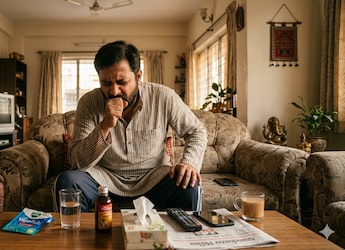
Lung cancer is often diagnosed at an advanced stage because its early symptoms are easy to overlook. A persistent cough is among the most commonly ignored warning signs.



................................ Advertisement ................................
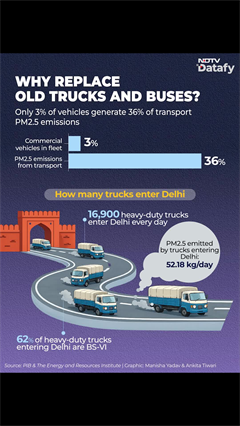


Blog | Well Done, Delhi. You've Turned Lung Sacrifice Into A Badge Of HonourSaikat Kumar Bose
Monday November 10, 2025Till some years back, Delhiites would ask angry questions to those in power about the capitals annual tryst with toxic air. This has changed. Those in the driving seat dont see the need to answer now.
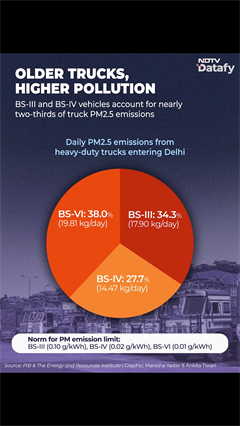
Opinion | Why Indians Have Just Given Up On Air Pollution CrisisTanushree Ganguly
Friday December 20, 2024While some may argue that people in Delhi are now more aware of air pollution than they were a decade back, my rebuttal would be that awareness does not mean that people are concerned.
Opinion | You Must Outrage Over Filthy Air More Than Once A YearJyoti Pande Lavakare
Tuesday December 10, 2024Delhi welcomed us with monsoon rains and mangos. We were home. Fast forward a couple of years, in the winter of 2012, I found myself in denial about something other parents, mostly expats, were calling toxic air.
Opinion | Delhi's Air Pollution Situation Is Like A Bad MarriageNishtha Gautam
Friday November 22, 2024On a good day, such as today, the AQI reading in Delhi is 407. We are jubilant at the sickly sunshine trickling through the slightly dissipated smog. At least its not 1600.
दिवाली... पराली... सियासी जुगाली!Ashwini kumar
Monday November 18, 2024दिल्ली-एनसीआर में प्रदूषण का समाधान तो आज तक मिला नहीं. हर साल चिंतित होकर हम-आप सांसों की तकलीफ के साथ-साथ दिल और ब्लड प्रेशर के मरीज भी क्यों बनें?


Comments
