


- Home/
- NASA Posts Before And After Pics Of New City Emerging In Forest
NASA Posts Before And After Pics Of New City Emerging In Forest
Edited by Amit Chaturvedi | Updated: February 27, 2024 19:39 IST

The before and after satellite photos shared by NASA.
American space agency NASA has shared satellite photos of a city emerging in a jungle. The jungle is situated in Borneo and the city being developed is Indonesia's new capital, Nusantra. The satellite photos show how the forest area has changed since 2022 with progress in the development of city. NASA said the forest area has undergone rapid change in nearly two years, adding that roads have been carved into the landscape and buildings erected near Balikpapan Bay in Eastern Kalimantan for the new capital city.
The new city is being developed on the island of Borneo because of the problems faced by Indonesia's current capital, Jakarta.
More than 30 million people live in Jakarta that suffers from frequent flooding, air pollution, a shortage of drinking water, and traffic, as per NASA Earth Observatory.
At the time of Indonesia's independence, Jakarta had a population of one million.
Excessive groundwater withdrawals have contributed to subsidence rates of up to 15 centimetres per year, and 40 percent of the city is now below sea level, it further said.
According to New York Times, the master plan for Indonesia's new city was created in 2019. The blueprint that was approved included stilted buildings and elevated walkways linking to transportation hubs so residents can bypass Nusantara's hilly terrain.
Construction began in 2022 in an area of forests and oil palm plantations 30 kilometres inland from the Makassar Strait. The term Nusantra is from old Javanese and means "outer islands" or "archipelago".
Initially, the city is expected to cater to 500,000 people and the infrastructure is being developed according to that. Project plans stipulate that it will be a "green, walkable" metropolis, powered with renewable energy, with 75 per cent of the city remaining forested.
The construction is expected to be completed by 2045.
Published: February 27, 2024 19:39 IST
 Reported by Reet Kaur Sahni | Monday November 09, 2026 , New Delhi
In the run-up to Diwali, the Commission for Air Quality Management (CAQM) enforced Stage 3 of the Graded Response Action Plan (GRAP) across Delhi-NCR.
- Written by Dr Navina Singh | Sunday November 08, 2026
Phthalates, found in certain plastics and personal care products, are potent endocrine disruptors, a classification that is well established and firmly supported by research.
- Written by Noor Ul Haq | Sunday November 08, 2026
Mumbai and Thane recorded severe air quality readings on Diwali night, with AQI at 278 and 298, respectively, as firecracker emissions added to the city's pollution burden.
- Sunday November 08, 2026
The air quality is forecast to turn 'severe' on Monday following Diwali celebrations, combined with vehicular emissions, as well as the peak stubble-burning season.
- Written by Dr Shibal Bhartiya | Sunday November 08, 2026
A little irritation on a smoggy day is common and usually manageable. If something feels more than uncomfortable, or if vision is affected, get it examined rather than waiting for the air to clear.


................................ Advertisement ................................
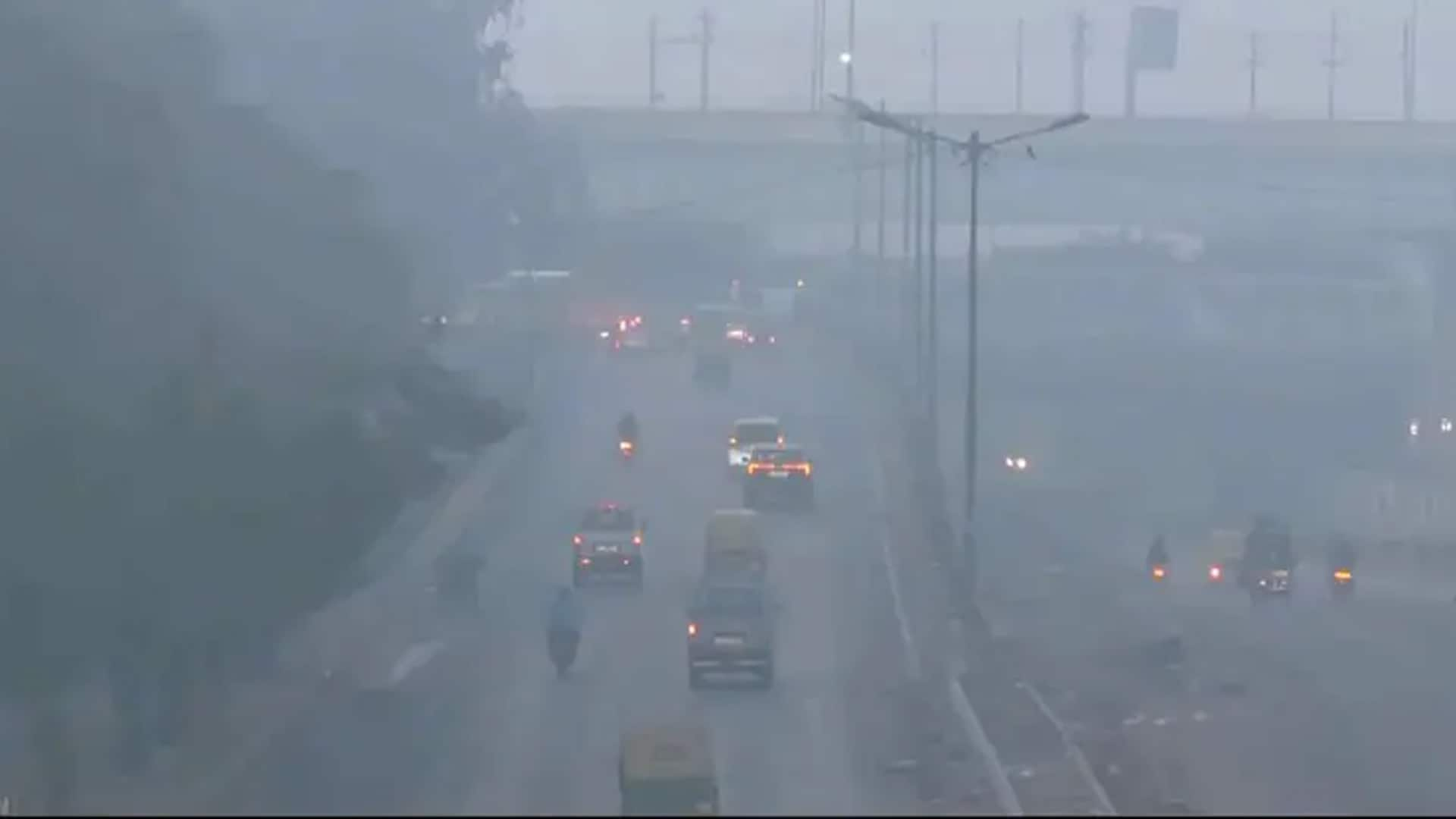
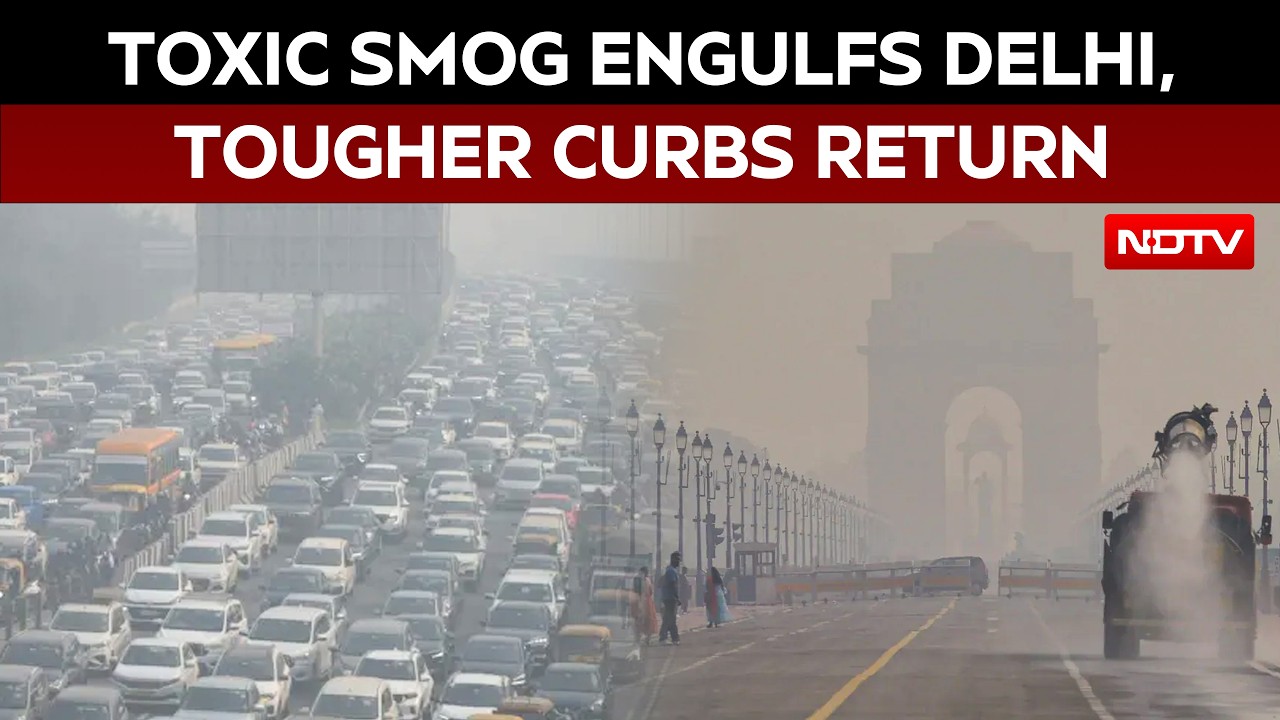
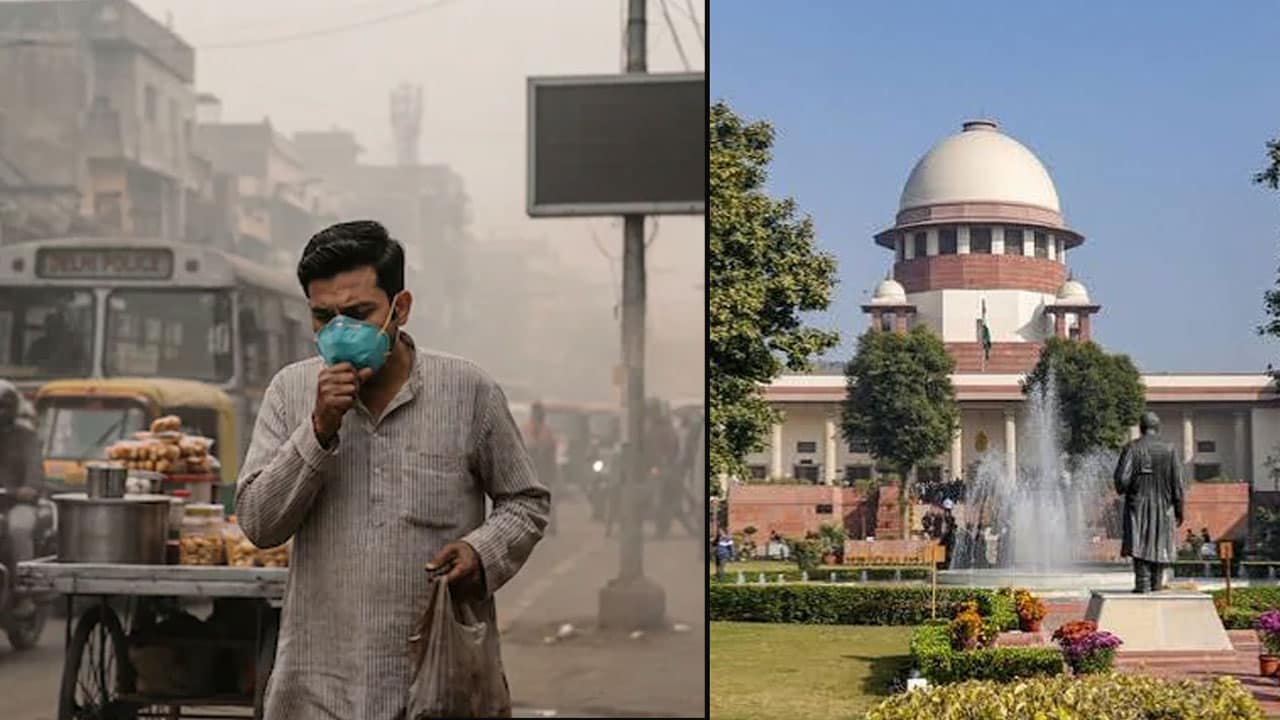
दीवाली की चौखट पर दिल्ली में सांसों का संकट: 30 साल की स्टडी ने हरियाली को लेकर क्या बताया?
Thursday November 05, 2026अध्ययन में हरियाली की मात्रा के साथ उसके फैलाव और आपसी जुड़ाव को भी महत्वपूर्ण पाया गया. जिन इलाकों में हरियाली ज्यादा बिखरी हुई थी, वहां सतही तापमान अधिक रहा. इसके विपरीत, बड़े और आपस में जुड़े हरित क्षेत्रों में तापमान कम पाया गया.
Opinion: Why Delhi's Smog Can't Be Fixed From SpaceDavid Fickling, Bloomberg
Monday October 19, 2026The clearest sign that Delhi is on a path to cleaner air would be a decline in the amount of paddy grown nearby, and therefore the acreage liable to be burned each year.
Don't Normalise Air Purifiers As Delhi Chokes | The Reason Why
Thursday December 11, 2025More than 90 cities in the world's top 100 polluting list are in India. With every passing year, the AQI is rising, reaching 'hazardous' levels.
Blog | Well Done, Delhi. You've Turned Lung Sacrifice Into A Badge Of HonourSaikat Kumar Bose
Monday November 10, 2025Till some years back, Delhiites would ask angry questions to those in power about the capitals annual tryst with toxic air. This has changed. Those in the driving seat dont see the need to answer now.
Opinion | Why Indians Have Just Given Up On Air Pollution CrisisTanushree Ganguly
Friday December 20, 2024While some may argue that people in Delhi are now more aware of air pollution than they were a decade back, my rebuttal would be that awareness does not mean that people are concerned.




