- Home/
- New Study Suggests Air Pollution Deaths Rising; Why And Protocols To Follow
New Study Suggests Air Pollution Deaths Rising; Why And Protocols To Follow
Written by Manya Singh | Updated: October 25, 2025 14:59 IST
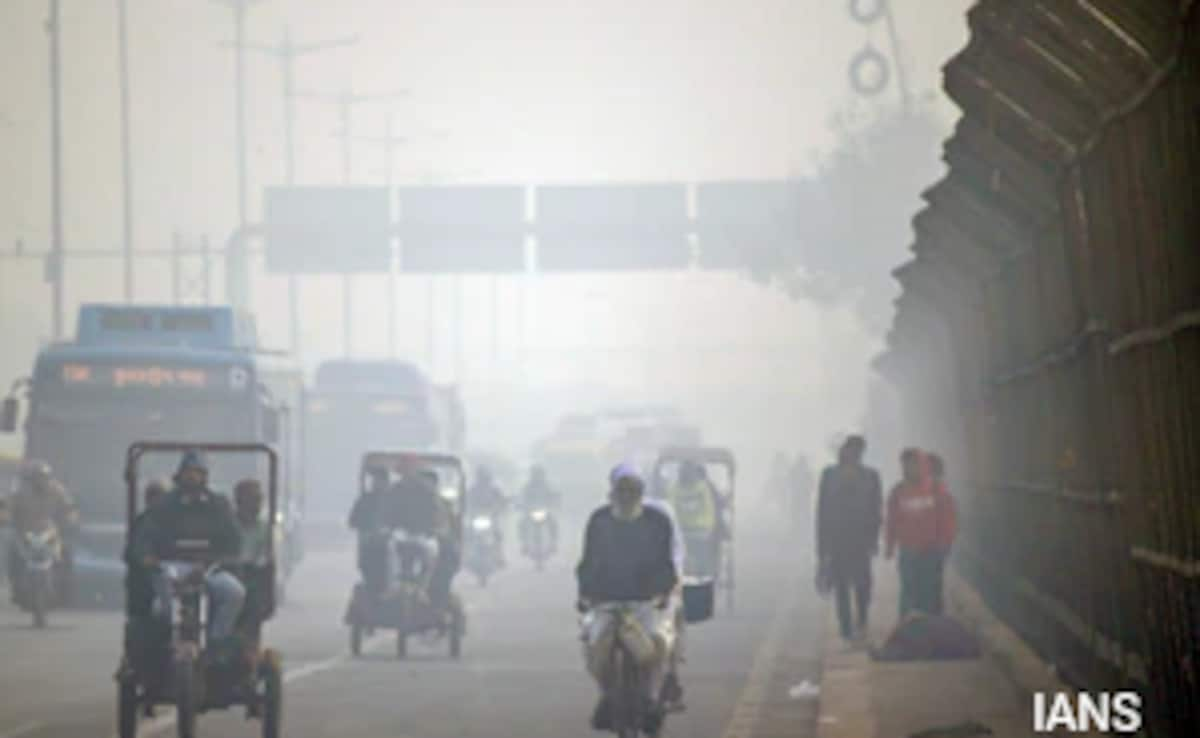
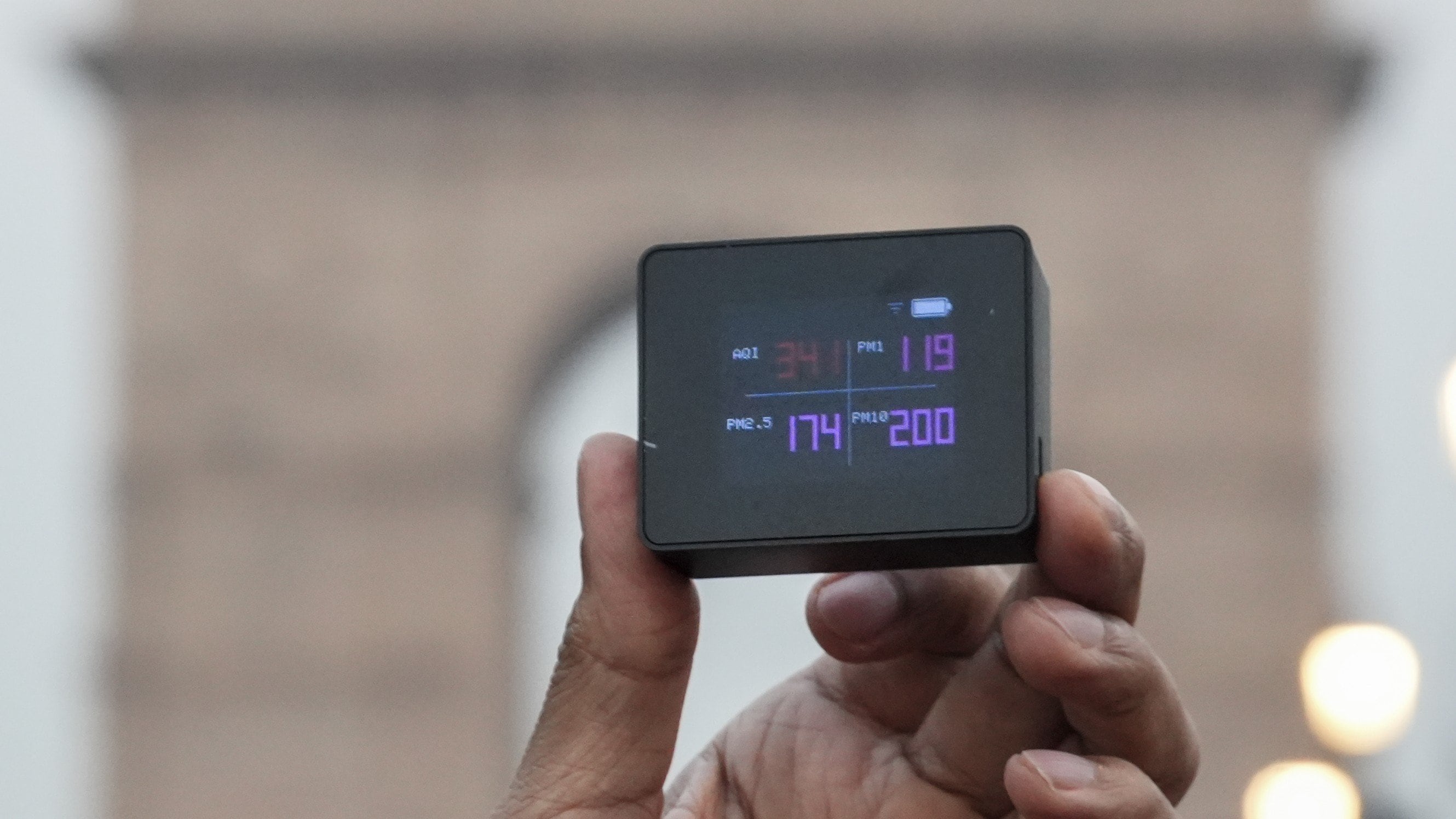
If you've felt lately that the air seems worse and headlines about pollution deaths are louder, you're not alone in feeling so. While some countries have seen improvements, the total number of deaths linked to air pollution, driven largely by population growth, ageing and persistent pollution remains extremely high and in some analyses has increased. The new State of Global Air 2025 report summarises the most recent global data and shows air pollution continues to cause millions of premature deaths worldwide.
The State of Global Air 2025 examines air quality and health outcomes using the latest PM2.5 and ozone exposure data and disease burden models. Its headline: air pollution remains one of the biggest global killers, and nearly nine in ten of those deaths are from non-communicable diseases such as cardiovascular disease, stroke, chronic lung disease and lung cancer. In short, air pollution is no longer only a “lung problem”; it now mainly fuels heart attacks, strokes and chronic heart disease.
Other global data analyses show a nuanced trend: age-standardised death rates for some pollution exposures have declined in many places, but absolute numbers of deaths attributable to ambient particulate pollution have risen in recent decades because more people and older populations are exposed in areas where pollution remains high. That's why total deaths can rise even if per-person risk falls.
How exactly does air pollution cause death?
Air pollution is a complex mix of tiny particles called PM2.5, ozone, nitrogen oxides, sulfur dioxide, etc., but the deadliest component is fine particulate matter (PM2.5). Here's what happens:
• Particles enter the lungs: PM2.5 is so small it reaches deep lung air sacs. This irritates lung tissue and triggers local inflammation.
• Inflammation goes systemic: Signals from inflamed lungs travel through the bloodstream, increasing whole-body inflammation, which destabilises arterial plaques (the fatty buildups in blood vessels). That ups the chance of heart attack and stroke.
• Direct effects on blood and vessels: Pollutants can change blood-clotting behaviour and reduce blood-vessel function, increasing the risk of fatal cardiovascular events.
• Chronic damage: Long-term exposure accelerates chronic diseases like chronic obstructive pulmonary disease (COPD), lung cancer and heart disease which contribute to premature mortality. WHO and long-term studies attribute most pollution-related deaths to ischemic heart disease and stroke, followed by COPD, lower respiratory infections and lung cancer.
Protocols to reduce the risk of death from air pollution
Large reductions require policy action like cleaner energy, traffic control and industrial regulations. But there practical steps individuals, households and health systems can use now to reduce exposure and risk. At home, here are some tips to consider:
- Use clean cooking fuels or efficient stoves; ventilate kitchens; avoid indoor burning of trash. Household pollution still causes many premature deaths, especially in children.
- For families using reusable masks or purifiers, choose certified devices and maintain them properly.
- Reduce outdoor exertion when AQI is high, especially if you're older or have heart/lung disease. Exercise is healthy but not in very polluted air.
- Use appropriate masks such as N95/FFP2 or equivalent in very polluted settings as they lower inhaled PM2.5 when fitted correctly.
- Consider indoor air cleaners with HEPA filtration if you live in a high-pollution area as they reduce indoor PM2.5 and can help protect vulnerable people.
- Follow healthcare advice like older adults and people with heart or lung disease should keep medications up to date and seek care quickly if they develop chest pain, sudden breathlessness or neurological symptoms.
The State of Global Air 2025 and other global analyses make one thing clear: air pollution remains one of the top killer worldwide, and while progress exists in parts of the world, the total burden remains enormous because exposure is still widespread and populations are ageing. Policy action combined with household and personal measures is the path to fewer deaths.
Disclaimer: This content including advice provides generic information only. It is in no way a substitute for a qualified medical opinion. Always consult a specialist or your doctor for more information. NDTV does not claim responsibility for this information.
References
State of Global Air Report 2025 — Health Effects Institute / State of Global Air — 2025.
Ambient (outdoor) air quality and health (fact sheet) — World Health Organization (WHO) — 2024.
Air pollution research topic / data (IHME, Global Burden of Disease collection) — Institute for Health Metrics and Evaluation (IHME) / Global Burden of Disease — 2021–2024 (latest data summaries).
Effect of air pollution on the global burden of cardiovascular disease — peer-reviewed review article summarising cardiovascular impacts — NCBI — 2024.
Household air pollution and health (fact sheet) — World Health Organization (WHO) — 2024.
Published: October 24, 2025 17:12 IST
also read
Can Indoor Pollution Remain High Even With An Air Purifier? 6 Hidden Sources You're Missing
Written by Debosmita GhoshDelhi Air Quality Dips Further: How Smog Can Trigger Redness, Dryness And Itching In Your Eyes
Written by Dr Mallikarjun M HMutated Flu Strain Spreading Overseas: Should India Prepare For A Challenging Winter?
Written by Dr Rajesh Bhardwaj
 Reported by Anushka Kumari | Tuesday November 03, 2026
NDTV Ground Report from Chilla And Ghazipur Borders: Vehicles stuck for hours as commuters question whether restrictions are adding onto the already 'very poor ' category of AQI
- Edited by Priyanka Negi | Tuesday November 03, 2026
Stage II focuses on pollution control measures like road sweeping and traffic management, with hybrid classes considered only at higher GRAP stages.
- Tuesday November 03, 2026
According to the CPCB, an AQI between zero and 50 is classified as good, 51 and 100 as satisfactory, 101 and 200 as moderate, 201 and 300 as poor, 301 and 400 as very poor, and 401 and 500 as severe.
- Edited by Aakanksha Singh | Monday November 02, 2026
Today's News Bulletin: Delhi battles hazardous air and a new set of pollution restrictions, while the Supreme Court weighs in on Diwali celebrations.
- Monday November 02, 2026 , New Delhi
The GRAP-II involves a series of restrictions that include mechanical or vacuum sweeping of roads and water sprinkling, raising parking fees to discourage the use of personal vehicles, increasing the frequency of Metro services and CNG and electric buses.
................................ Advertisement ................................

Opinion: Why Delhi's Smog Can't Be Fixed From SpaceDavid Fickling, Bloomberg
Monday October 19, 2026The clearest sign that Delhi is on a path to cleaner air would be a decline in the amount of paddy grown nearby, and therefore the acreage liable to be burned each year.
Don't Normalise Air Purifiers As Delhi Chokes | The Reason Why
Thursday December 11, 2025More than 90 cities in the world's top 100 polluting list are in India. With every passing year, the AQI is rising, reaching 'hazardous' levels.
Blog | Well Done, Delhi. You've Turned Lung Sacrifice Into A Badge Of HonourSaikat Kumar Bose
Monday November 10, 2025Till some years back, Delhiites would ask angry questions to those in power about the capitals annual tryst with toxic air. This has changed. Those in the driving seat dont see the need to answer now.
Opinion | Why Indians Have Just Given Up On Air Pollution CrisisTanushree Ganguly
Friday December 20, 2024While some may argue that people in Delhi are now more aware of air pollution than they were a decade back, my rebuttal would be that awareness does not mean that people are concerned.
Opinion | You Must Outrage Over Filthy Air More Than Once A YearJyoti Pande Lavakare
Tuesday December 10, 2024Delhi welcomed us with monsoon rains and mangos. We were home. Fast forward a couple of years, in the winter of 2012, I found myself in denial about something other parents, mostly expats, were calling toxic air.