


- Home/
- Covid Vaccines Safe, No Link To Young Adult Deaths: AIIMS Study
Covid Vaccines Safe, No Link To Young Adult Deaths: AIIMS Study
Indo-Asian News Service | Updated: December 14, 2025 15:20 IST

New Delhi:
A year-long autopsy-based study conducted by AIIMS, New Delhi on Sunday found no scientific evidence linking COVID-19 vaccination to sudden deaths among young adults -- reaffirming that the vaccines are safe and effective.
The study, titled ‘Burden of Sudden Death in Young Adults: A One-Year Observational Study at a Tertiary Care Centre in India', has been published in the ‘Indian Journal of Medical Research', the flagship journal of the Indian Council of Medical Research.
Researchers closely examined sudden death cases of people aged between 18 and 45 years using verbal autopsy, post-mortem imaging, conventional autopsy and detailed histopathological tests.
According to the findings, there was no statistically significant association between COVID-19 vaccination status and sudden deaths in the young population.
The researchers found that most of the deaths were caused by well-known medical conditions, with cardiovascular diseases emerging as the leading reason.
Respiratory illnesses and other non-cardiac causes were also identified in several cases.
The study also noted that both COVID-19 infection history and vaccination status were similar across younger and older age groups, and no causal link between vaccination and sudden deaths was found.
These results, the researchers said, are in line with global scientific evidence that supports the safety of COVID-19 vaccines.
Dr Sudheer Arava, Professor at AIIMS, New Delhi, said the study is particularly important at a time when misleading claims and unverified reports are circulating about a possible link between COVID-19 vaccines and sudden deaths.
He stressed that the findings clearly do not support such claims and highlighted the need for scientific and evidence-based research to guide public understanding.
Health experts said that sudden deaths among young individuals, though tragic, are often linked to underlying and sometimes undiagnosed health issues, especially heart-related conditions.
They underlined the importance of early health screening, lifestyle changes and timely medical intervention to reduce such risks.
Dr Arava also advised people to trust credible scientific sources and avoid misinformation that could weaken public confidence in proven public health measures, including vaccination.
(Except for the headline, this story has not been edited by NDTV staff and is published from a syndicated feed.)
Published: December 14, 2025 14:52 IST
also read
Mumbai Pollution Linked To 57% Of Lung Cancer Cases: Maharashtra Government Warns of Health Crisis
Written by Shreya GoswamiInside Bengal's 800-Km "Green Wall" Along Jharkhand Border To Fight Air Pollution
Reported by Rittick MondalUnited Nations Approves First Carbon Credits Under Paris Agreement
Agence France-Presse
 Written by Shreya Goswami | Friday February 27, 2026
Rising air pollution in Mumbai is now being linked to 57% of lung cancer cases, the Maharashtra government told the state assembly.
- Reported by Rittick Mondal | Thursday February 26, 2026 , Kolkata
The Mamata Banerjee-led government plans to set up an 800-km long greeen corridor, which will work as a "bioshield" - a forested area that would act as a "Green Wall" - along the Jharkhand border to intercept pollutants entering Bengal.
- Agence France-Presse | Thursday February 26, 2026 , Paris
The United Nations announced the approval of the first carbon credits under a global market aimed at reducing emissions, a mechanism that has faced scrutiny over greenwashing concerns.
- Wednesday February 25, 2026 , New Delhi
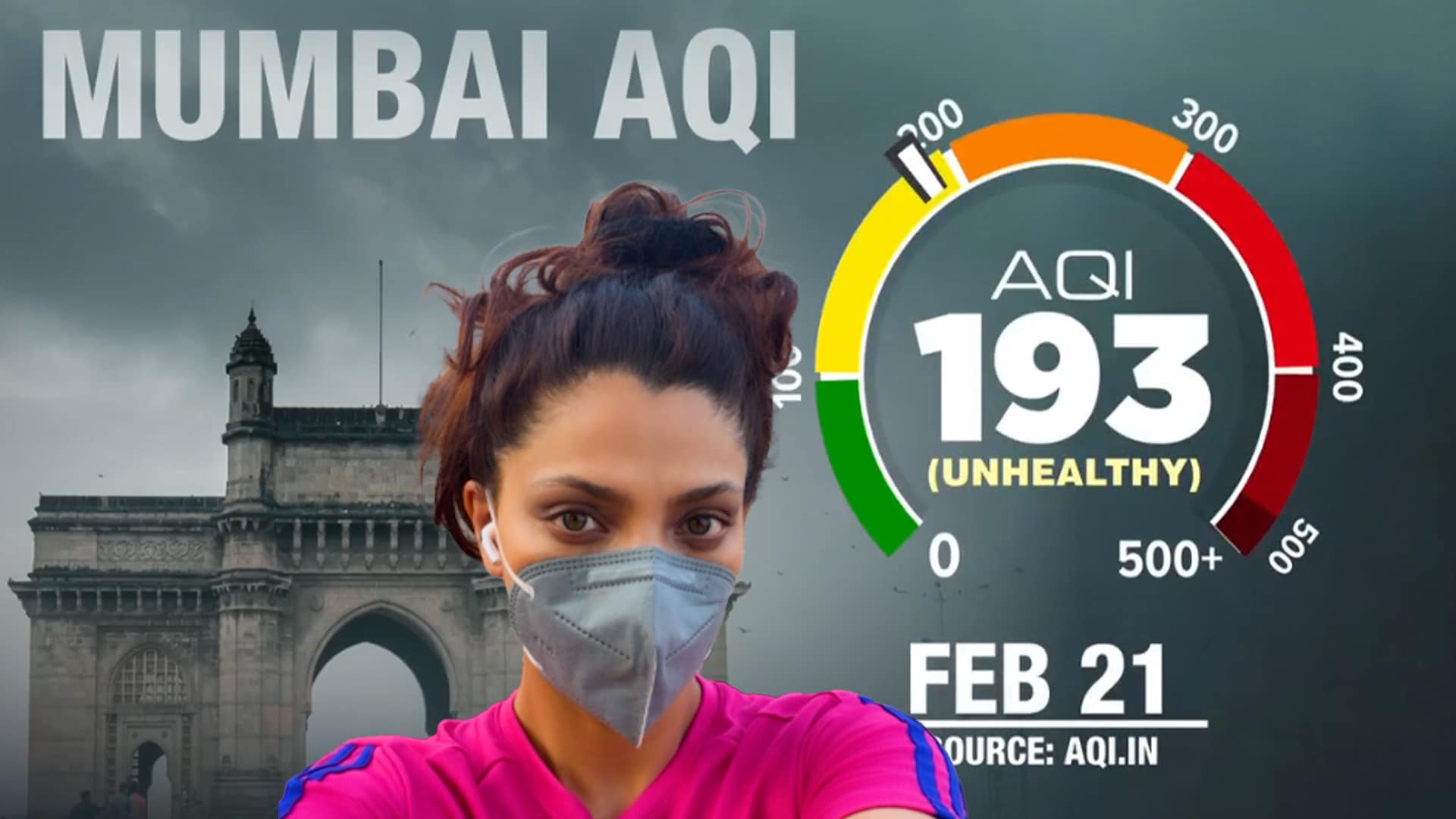
Air pollution is a concern not just for Mumbai but for countries and cities around the world, Maharashtra Environment Minister Pankaja Munde told NDTV Wednesday, after the city woke this morning to a blanket of smog for an eighth straight day.
- Reported by Radhika Ramaswamy | Thursday February 26, 2026 , Mumbai
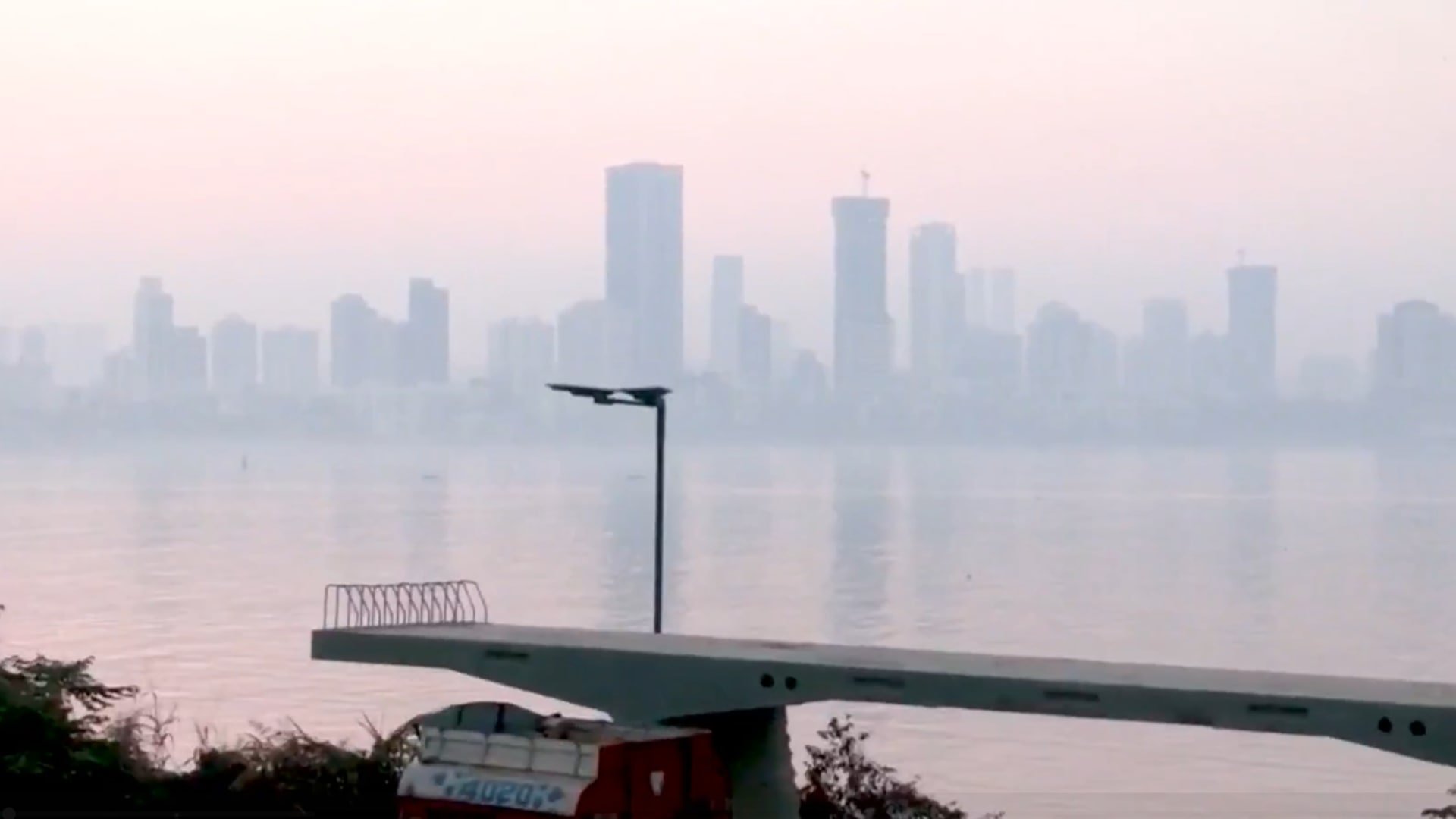
Mumbai woke up to yet another blanket of haze on Tuesday morning, with a grey veil hanging over the skyline from Bandra to South Mumbai.

................................ Advertisement ................................
Blog | Well Done, Delhi. You've Turned Lung Sacrifice Into A Badge Of HonourSaikat Kumar Bose
Monday November 10, 2025Till some years back, Delhiites would ask angry questions to those in power about the capitals annual tryst with toxic air. This has changed. Those in the driving seat dont see the need to answer now.
Opinion | Why Indians Have Just Given Up On Air Pollution CrisisTanushree Ganguly
Friday December 20, 2024While some may argue that people in Delhi are now more aware of air pollution than they were a decade back, my rebuttal would be that awareness does not mean that people are concerned.
Opinion | You Must Outrage Over Filthy Air More Than Once A YearJyoti Pande Lavakare
Tuesday December 10, 2024Delhi welcomed us with monsoon rains and mangos. We were home. Fast forward a couple of years, in the winter of 2012, I found myself in denial about something other parents, mostly expats, were calling toxic air.
Opinion | Delhi's Air Pollution Situation Is Like A Bad MarriageNishtha Gautam
Friday November 22, 2024On a good day, such as today, the AQI reading in Delhi is 407. We are jubilant at the sickly sunshine trickling through the slightly dissipated smog. At least its not 1600.
दिवाली... पराली... सियासी जुगाली!Ashwini kumar
Monday November 18, 2024दिल्ली-एनसीआर में प्रदूषण का समाधान तो आज तक मिला नहीं. हर साल चिंतित होकर हम-आप सांसों की तकलीफ के साथ-साथ दिल और ब्लड प्रेशर के मरीज भी क्यों बनें?


