


- Home/
- No Longer A Smoker's Illness: The Hidden Lung Disease Epidemic Behind India's Winter Death Spike
No Longer A Smoker's Illness: The Hidden Lung Disease Epidemic Behind India's Winter Death Spike
Written by Dr Shachi Dave | Updated: November 22, 2025 16:10 IST
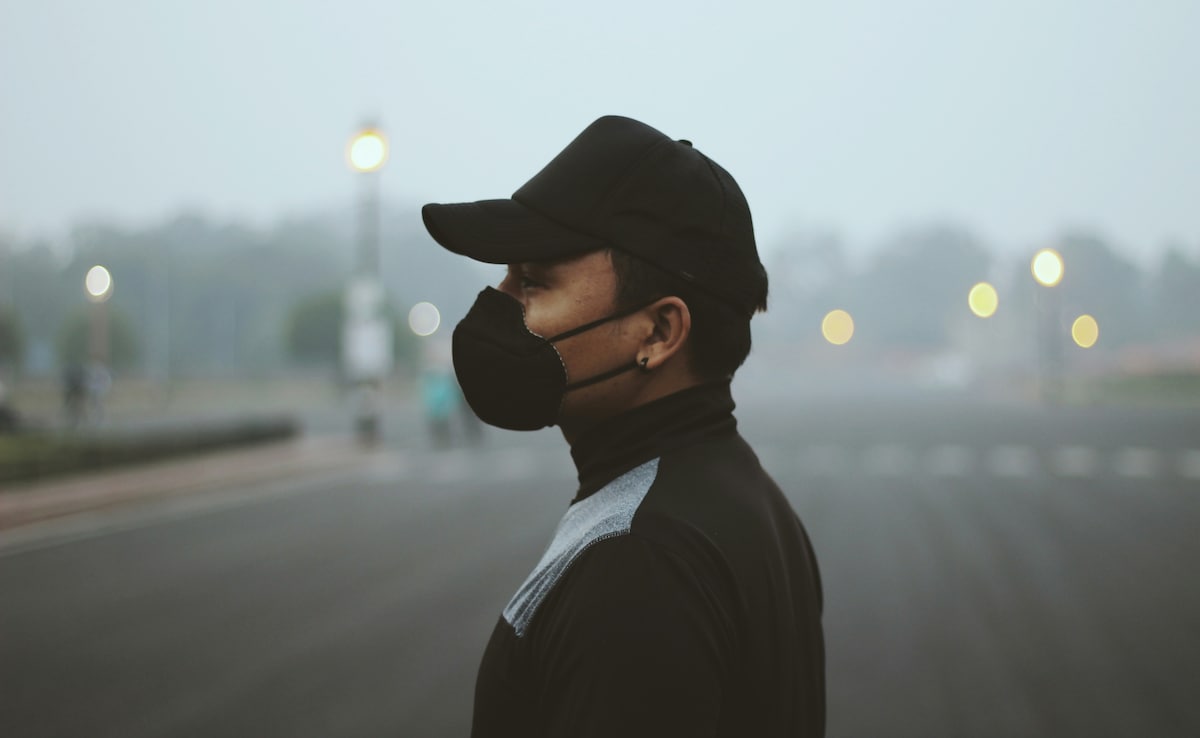
For years, chronic obstructive pulmonary disease (COPD) was seen as a condition that mainly affected older smokers. That picture has changed completely now. In several states across India, COPD is now emerging as a major cause of death, sometimes even surpassing heart disease in reported mortality. The rise is not because the illness has suddenly become more dangerous but because India continues to face a unique mix of environmental exposures, lifestyle patterns and gaps in healthcare access.
Why COPD Is Rising Sharply
The reasons for the sharp rise in COPD cases can be attributed to a broad spectrum of factors from environmental to lifestyle, and even delayed diagnosis.
Smoke from biomass fuels
Large parts of India still rely on biomass fuels such as wood, coal, charcoal and crop residue for daily cooking and heating. Many women cook inside small, poorly ventilated spaces. This creates continuous indoor smoke exposure which acts in the same way as cigarette smoke to harm the lungs. Long term exposure causes persistent airway inflammation, and airway remodelling (structural changes that cause airway walls to thicken) that eventually leads to irreversible airflow limitation. Over time, this results in COPD in people who have never smoked.
Severe outdoor pollution
High levels of particulate matter, dust and smog, especially in the northern parts of India, prolonged exposure to traffic emissions, crop burning, industrial smoke and construction dust are some of the most significant causes that trigger COPD. These particles reach deep into the lungs, trigger oxidative stress and cause chronic inflammation that eventually causes COPD.
Tobacco exposure
Tobacco use in both smoked and smokeless forms is widespread in many states. Combined with high levels of passive smoke exposure inside households, this adds significantly to disease burden from both smokers and non-smokers.
The Role of Delayed Diagnosis
Along with environmental challenges, the availability of specialised lung care remains limited in many regions across the country. People in these areas still do not have access to pulmonologists, spirometry testing or good diagnostic facilities.
As a result, COPD is often detected late, only when breathlessness becomes severe. Many cardiac conditions also remain undiagnosed and present suddenly as cardiac deaths. This makes COPD appear more dominant in mortality statistics in certain regions.
- The Winter Surge: November to February is the most dangerous period for COPD patients. Every year, hospitals see a clear rise in acute attacks with exacerbations sometimes spiking by nearly 30 per cent.
- Cold weather: Cold air irritates the airways, increases bronchospasm and makes mucus clearance more difficult. This leads to worsening breathlessness and chest tightness.
- Seasonal viral infections: Respiratory viruses spread more easily in winter. These infections inflame the airways and rapidly worsen COPD symptoms.
- Indoor crowding and pollution: People generally stay indoors with closed doors and windows to cut out the winter chill. If biomass fuels are used, the concentration of indoor smoke rises sharply. Even without smoke, poor ventilation increases the risk of infections.
- Heavy outdoor pollution: Winter inversion traps pollutants close to the ground. Combined with crop burning smoke and industrial emissions, this makes the air extremely toxic for vulnerable individuals.
COPD Is No Longer a Smoker's Disease
Modern clinical evidence shows that COPD now affects many people who have never touched tobacco. The disease is linked to biomass smoke exposure, outdoor particulate pollution, industrial and construction dust, and chemical fumes from workplace industries, among environmental factors. The medical risk factors range from childhood pneumonia, to prematurity birth and low birth weight which result in underdeveloped lungs, post-tuberculosis lung damage, as well as genetic factors such as alpha one antitrypsin deficiency.
In India, post-tuberculosis lung damage alone contributes significantly to COPD cases, making the illness common among younger adults as well.
The Way Forward
There is an urgent need to strengthen air pollution control, improve access to specialised lung care and create wider awareness about early symptoms. Timely diagnosis through spirometry, prompt treatment and avoidance of smoke exposure can slow disease progression dramatically.
Chronic obstructive pulmonary disease may be creeping up silently, but with better prevention, early detection and cleaner air, this burden can be reduced. The biggest shift required is recognising that this is no longer a disease of elderly smokers but a widespread public health problem driven by the air that millions breathe every day.
(By Dr Shachi Dave, Consultant Pulmonologist, Narayana Hospital, Ahmedabad)
Disclaimer: The opinions expressed within this article are the personal opinions of the author. NDTV is not responsible for the accuracy, completeness, suitability, or validity of any information on this article. All information is provided on an as-is basis. The information, facts or opinions appearing in the article do not reflect the views of NDTV and NDTV does not assume any responsibility or liability for the same.
Published: November 21, 2025 12:21 IST
also read
 Written by Ambika Singh Kahma | Friday June 19, 2026
NDTV Lifeline's first episode gives India a wake-up call to recognise sleep apnea as a critical public health issue
- Reported by Ishika Verma | Friday June 19, 2026 , New Delhi
The measures, outlined under a newly notified winter air quality management framework, are intended to help authorities, businesses and residents prepare in advance for the period between November and February, when Delhi's air quality typically dete
- Edited by Nikhil Pandey | Friday June 19, 2026
An unprecedented Ukrainian drone strike on a major Moscow oil refinery has caused a bizarre environmental crisis, with oily "black rain" falling over parts of the Russian capital.
- Written by Dr Anindita Singh | Monday June 15, 2026
From a clinical point of view, infertility often develops quietly, without noticeable symptoms, especially in the early stages, and the whole process can look normal from the outside.
- Written by Shreya Goswami | Monday June 15, 2026
Naseeruddin Shah's moving portrayal of a man with dementia in Imtiaz Ali's latest movie highlights the emotional and practical challenges faced by caregivers.




................................ Advertisement ................................

Blog | Well Done, Delhi. You've Turned Lung Sacrifice Into A Badge Of HonourSaikat Kumar Bose
Monday November 10, 2025Till some years back, Delhiites would ask angry questions to those in power about the capitals annual tryst with toxic air. This has changed. Those in the driving seat dont see the need to answer now.
Opinion | Why Indians Have Just Given Up On Air Pollution CrisisTanushree Ganguly
Friday December 20, 2024While some may argue that people in Delhi are now more aware of air pollution than they were a decade back, my rebuttal would be that awareness does not mean that people are concerned.
Opinion | You Must Outrage Over Filthy Air More Than Once A YearJyoti Pande Lavakare
Tuesday December 10, 2024Delhi welcomed us with monsoon rains and mangos. We were home. Fast forward a couple of years, in the winter of 2012, I found myself in denial about something other parents, mostly expats, were calling toxic air.
Opinion | Delhi's Air Pollution Situation Is Like A Bad MarriageNishtha Gautam
Friday November 22, 2024On a good day, such as today, the AQI reading in Delhi is 407. We are jubilant at the sickly sunshine trickling through the slightly dissipated smog. At least its not 1600.
दिवाली... पराली... सियासी जुगाली!Ashwini kumar
Monday November 18, 2024दिल्ली-एनसीआर में प्रदूषण का समाधान तो आज तक मिला नहीं. हर साल चिंतित होकर हम-आप सांसों की तकलीफ के साथ-साथ दिल और ब्लड प्रेशर के मरीज भी क्यों बनें?


