


- Home/
- No PUC, No Fuel Could Spark Chaos At Pumps, Warn Delhi Dealers
No PUC, No Fuel Could Spark Chaos At Pumps, Warn Delhi Dealers
Reported by Ishika Verma | Updated: December 17, 2025 21:42 IST
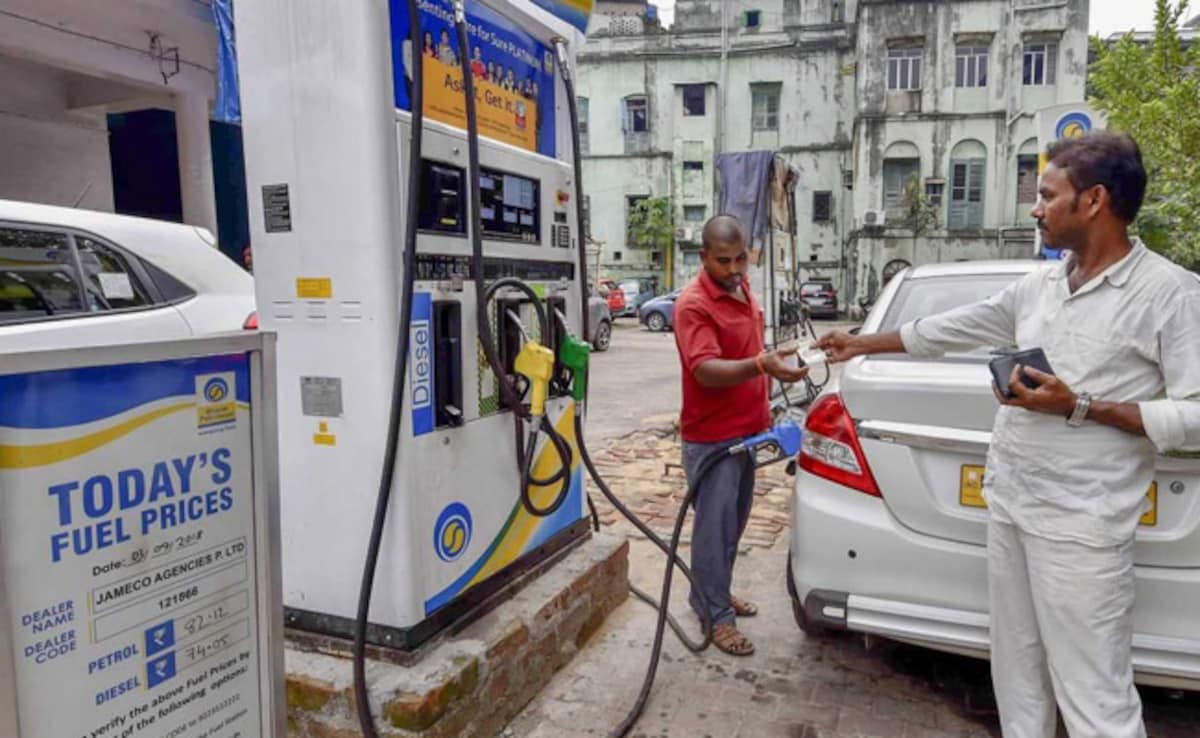
The new rule is part of Delhi government's measure to control air pollution.
New Delhi:
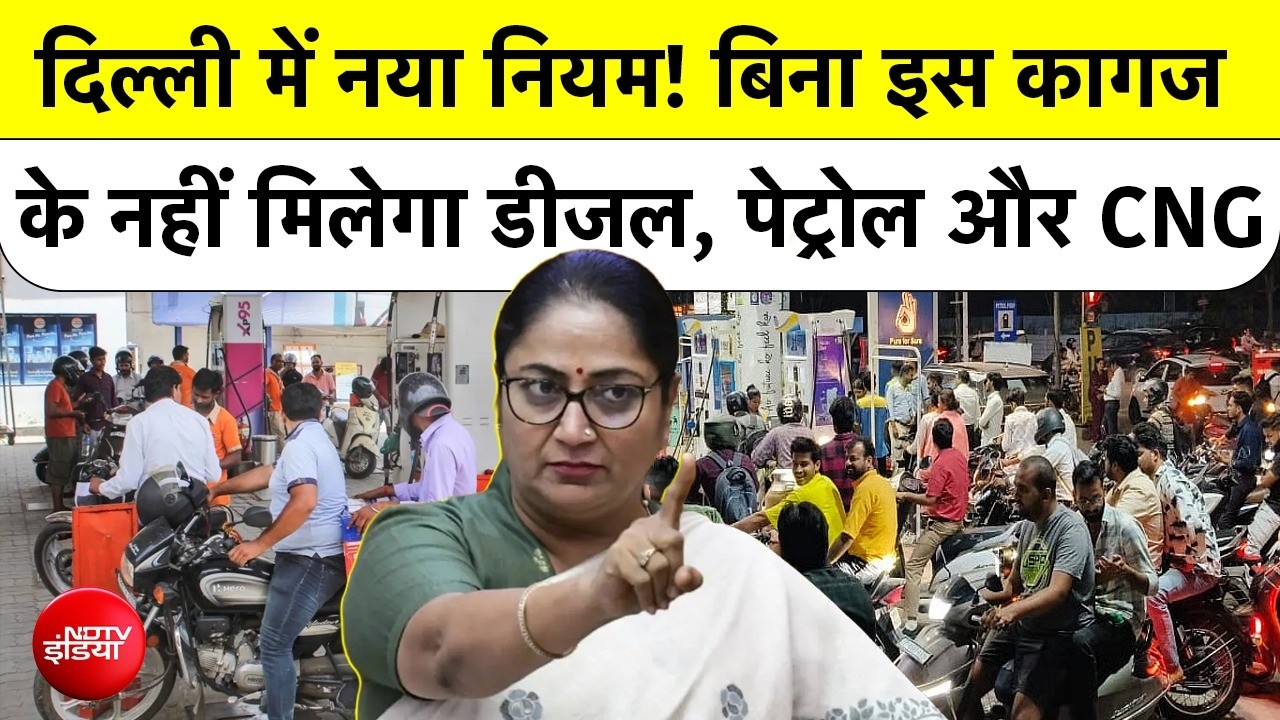
As the Delhi government prepares to tighten pollution control measures, petrol pump dealers in Delhi have issued a strong caution over the proposed "No PUC, No Fuel" rule, warning that a rushed rollout without legal and technological safeguards could lead to confusion at fuel stations and even law-and-order problems.
In a letter submitted to the Delhi government, the Delhi Petrol Dealers Association (DPDA) said it supports all steps aimed at tackling Delhi's severe air pollution and safeguarding public health. However, the association warned that enforcing the directive on the ground would be "extremely difficult and arduous" unless several critical issues are addressed in advance.
'Delhi Alone Can't Fix A Regional Problem'
The dealers pointed out that Delhi's pollution problem is largely transboundary, with a significant share of pollutants coming from outside the city limits. Implementing fuel restrictions only within the National Capital Territory (NCT), they argued, is unlikely to yield meaningful results unless the policy is uniformly enforced across the entire NCR.
"Restricting fuel supply only in Delhi will not solve the problem unless neighbouring regions follow the same rule," the association said, flagging the risk of uneven enforcement and public backlash.
Legal Grey Area Over Fuel Denial
One of the biggest concerns raised by petrol pump owners relates to the legal framework governing fuel retailing. Petrol and diesel are classified as essential commodities under the Essential Commodities Act, 1955. Any refusal to supply fuel could attract penal action against dealers and staff.
The DPDA has warned that unless the refusal of fuel under the "No PUC, No Fuel" policy is explicitly decriminalised or backed by clear statutory protection, petrol pump operators would be exposed to serious legal risks.
"Petrol pumps are not enforcement agencies," said DPDA president Nischal Singhania. "Following amendments to the Essential Commodities Act and allied orders, implementation of such directives lies with competent authorities vested with statutory powers."
He added that pump staff are not seen by customers as law enforcement personnel, and denying fuel could easily escalate into arguments, harassment of workers and potential law-and-order disturbances.
'Don't Penalise Dealers For Govt Policy'
Another key demand from the association is that petrol pumps should not face punitive action for merely facilitating a government policy.
"We are helping the government implement the drive and should not be treated as violators," the DPDA said, urging authorities to clearly define the role and liability of dealers under the proposed rule.
Outdated PUC System, Faulty Tech
On the technology front, petrol pump dealers said the existing Pollution Under Control (PUC) system is outdated and urgently needs an overhaul. PUC charges have seen only marginal revisions over the past 15 years, making it financially unviable for many centres to invest in modern equipment, the association said.
The DPDA also flagged the absence of a real-time dashboard or live feed from Automatic Number Plate Recognition (ANPR) cameras installed at fuel stations. Without seamless data integration, dealers said, the scheme has never undergone a proper trial run.
Earlier pilot projects failed due to the transmission of faulty or junk data to petrol pumps, making enforcement inconsistent and unreliable, they added.
The warning comes in the backdrop of an earlier Delhi government drive to deny fuel and impound end-of-life vehicles (ELVs). That campaign fizzled out amid widespread impounding and technological issues and was eventually halted following court intervention.
Citing that experience, petrol pump dealers have urged the government to resolve legal, operational and technological gaps before rolling out the "No PUC, No Fuel" directive.
A hurried implementation, the association warned, could undermine public confidence, disrupt daily operations at fuel stations and ultimately weaken compliance with pollution control measures meant to clean Delhi's air.
Published: December 17, 2025 21:42 IST
 Reported by Reet Kaur Sahni | Friday August 07, 2026
As per the ministry, prior Environmental Clearance becomes mandatory for data centres depending on their physical footprint under Schedule 8 of the EIA Notification, 2006.
- Written by Sambhav Kumar | Thursday August 06, 2026
Keerthy Suresh's 41-hour no-sleep stretch highlights the intense demands many professionals face, but experts warn that prolonged sleep deprivation should never become routine.
- Written by Sambhav Kumar | Wednesday August 05, 2026
Preliminary evidence suggests the blood filtration treatment could reduce some microplastic particles, though findings are limited and require more study.
- Monday August 03, 2026 , New Delhi
Study reveals black crust from pollution weakens Humayuns Tomb sandstone
- Written by Debosmita Ghosh | Saturday August 01, 2026
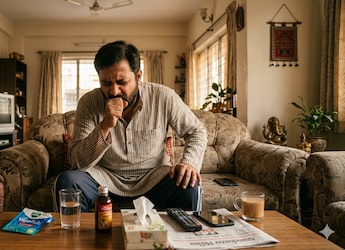
Lung cancer is often diagnosed at an advanced stage because its early symptoms are easy to overlook. A persistent cough is among the most commonly ignored warning signs.



................................ Advertisement ................................

Blog | Well Done, Delhi. You've Turned Lung Sacrifice Into A Badge Of HonourSaikat Kumar Bose
Monday November 10, 2025Till some years back, Delhiites would ask angry questions to those in power about the capitals annual tryst with toxic air. This has changed. Those in the driving seat dont see the need to answer now.
Opinion | Why Indians Have Just Given Up On Air Pollution CrisisTanushree Ganguly
Friday December 20, 2024While some may argue that people in Delhi are now more aware of air pollution than they were a decade back, my rebuttal would be that awareness does not mean that people are concerned.
Opinion | You Must Outrage Over Filthy Air More Than Once A YearJyoti Pande Lavakare
Tuesday December 10, 2024Delhi welcomed us with monsoon rains and mangos. We were home. Fast forward a couple of years, in the winter of 2012, I found myself in denial about something other parents, mostly expats, were calling toxic air.
Opinion | Delhi's Air Pollution Situation Is Like A Bad MarriageNishtha Gautam
Friday November 22, 2024On a good day, such as today, the AQI reading in Delhi is 407. We are jubilant at the sickly sunshine trickling through the slightly dissipated smog. At least its not 1600.
दिवाली... पराली... सियासी जुगाली!Ashwini kumar
Monday November 18, 2024दिल्ली-एनसीआर में प्रदूषण का समाधान तो आज तक मिला नहीं. हर साल चिंतित होकर हम-आप सांसों की तकलीफ के साथ-साथ दिल और ब्लड प्रेशर के मरीज भी क्यों बनें?


