


- Home/
- On Pollution, Minister Points To Central Body, Silent On Delhi Government Role
On Pollution, Minister Points To Central Body, Silent On Delhi Government Role
Reported by Shreya Ghosh | Updated: December 01, 2025 18:10 IST
New Delhi:
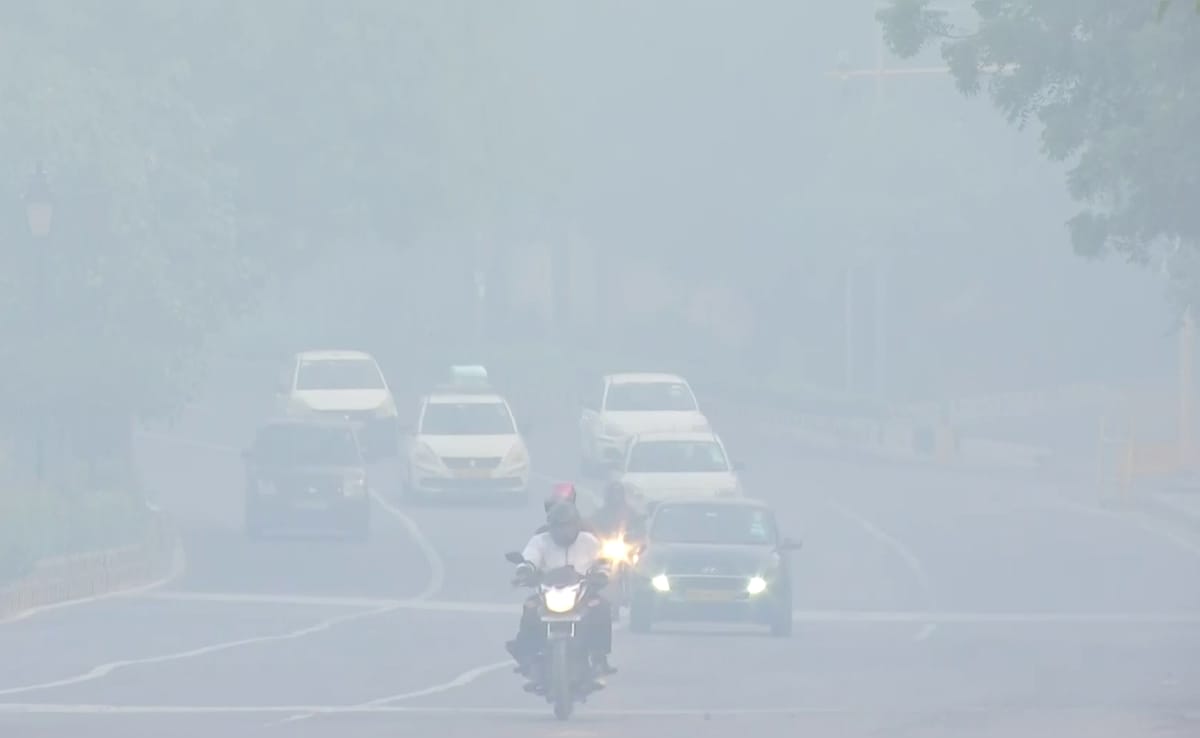
A monitoring mechanism has been put in place to oversee the implementation of 95 directions of the Centre-appointed Commission for Air Quality Management, Union minister Bhupender Yadav told the Lok Sabha today. The Environment minister, who was answering questions on the massive pollution blanket over Delhi and neighbouring areas, however, remained silent on whether the Delhi government has under-utilised the Rs 1,200-crore funds meant for clean air.
In a written reply tabled in the Lok Sabha on Monday, Yadav stopped short of accusing the Delhi government of under-utilising Central funds despite pointed questions from Congress MP Dr Kirsan Namdeo Rao. The Congress leader had asked about the government's response to the alarming air pollution levels in Delhi and its impact on public health.
Instead, the minister placed the onus on the Commission for Air Quality Management in Delhi-NCR - a Central body - stating that 95 statutory directions have already been issued and a monitoring mechanism is in place to ensure compliance by "various agencies" in the National Capital Region.
On the crucial question of whether the Delhi government has adequately utilised funds provided by the Centre under the National Clean Air Programme (NCAP), Bhupender Yadav only said that the GNCTD "has reported that they have started implementation of various activities", including procurement of 14 mechanical road sweepers, end-to-end paving of roads, and greening of 2.6 hectares - all of which "are at various stages".
Further, the New Delhi Municipal Council has informed that it has initiated procurement of four anti-smog guns on BS-VI CNG and seven modified anti-smog water guns for high-rise buildings, besides road improvement works.
No figure on actual expenditure versus the sanctioned amount was disclosed.
Asked about accountability for any under-utilisation and whether the lack of effective policies by the Delhi government has contributed to the worsening air quality, the Minister's reply remained silent on both counts. The minister, instead, highlighted Central initiatives -- tougher emission norms than national standards, a revised and more stringent Graded Response Action Plan (GRAP) notified on 21 November 2025, multiple high-level review meetings chaired by the Union Minister, and critical gap funding provided to NCT-Delhi under NCAP.
The reply claims a marked improvement in Delhi's air quality this year - 200 "good to moderate" days (AQI less than 200) in 2025 compared to 110 days in 2016, and the lowest annual average AQI in eight years (barring the 2020 COVID lockdown year).
The revised GRAP, whose details were included with the reply, has shifted several restrictive measures to earlier stages:
* Uninterrupted power supply, traffic synchronisation, and augmented CNG/electric bus services will now kick in at Stage I itself (Poor AQI 201-300) instead of Stage II.
* Staggered office timings move from Stage III to Stage II.
* 50 per cent work-from-home for offices shifts from Stage IV to Stage III.
With Delhi's AQI already hovering in the "Very Poor" category for much of November and forecasts predicting "Severe" levels in the coming week, implementation of the tougher GRAP and actual ground-level spending of Central funds by the Delhi government are likely to remain under intense political and public scrutiny this winter.
Published: December 01, 2025 18:10 IST
 Reported by Reet Kaur Sahni | Friday August 07, 2026
As per the ministry, prior Environmental Clearance becomes mandatory for data centres depending on their physical footprint under Schedule 8 of the EIA Notification, 2006.
- Written by Sambhav Kumar | Thursday August 06, 2026
Keerthy Suresh's 41-hour no-sleep stretch highlights the intense demands many professionals face, but experts warn that prolonged sleep deprivation should never become routine.
- Written by Sambhav Kumar | Wednesday August 05, 2026
Preliminary evidence suggests the blood filtration treatment could reduce some microplastic particles, though findings are limited and require more study.
- Monday August 03, 2026 , New Delhi
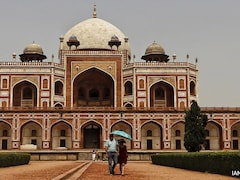
Study reveals black crust from pollution weakens Humayuns Tomb sandstone
- Written by Debosmita Ghosh | Saturday August 01, 2026
Lung cancer is often diagnosed at an advanced stage because its early symptoms are easy to overlook. A persistent cough is among the most commonly ignored warning signs.

................................ Advertisement ................................

Blog | Well Done, Delhi. You've Turned Lung Sacrifice Into A Badge Of HonourSaikat Kumar Bose
Monday November 10, 2025Till some years back, Delhiites would ask angry questions to those in power about the capitals annual tryst with toxic air. This has changed. Those in the driving seat dont see the need to answer now.
Opinion | Why Indians Have Just Given Up On Air Pollution CrisisTanushree Ganguly
Friday December 20, 2024While some may argue that people in Delhi are now more aware of air pollution than they were a decade back, my rebuttal would be that awareness does not mean that people are concerned.
Opinion | You Must Outrage Over Filthy Air More Than Once A YearJyoti Pande Lavakare
Tuesday December 10, 2024Delhi welcomed us with monsoon rains and mangos. We were home. Fast forward a couple of years, in the winter of 2012, I found myself in denial about something other parents, mostly expats, were calling toxic air.
Opinion | Delhi's Air Pollution Situation Is Like A Bad MarriageNishtha Gautam
Friday November 22, 2024On a good day, such as today, the AQI reading in Delhi is 407. We are jubilant at the sickly sunshine trickling through the slightly dissipated smog. At least its not 1600.
दिवाली... पराली... सियासी जुगाली!Ashwini kumar
Monday November 18, 2024दिल्ली-एनसीआर में प्रदूषण का समाधान तो आज तक मिला नहीं. हर साल चिंतित होकर हम-आप सांसों की तकलीफ के साथ-साथ दिल और ब्लड प्रेशर के मरीज भी क्यों बनें?


