


- Home/
- Pollution Curbs Under GRAP-4 Revoked In Delhi, GRAP-3 To Stay
Pollution Curbs Under GRAP-4 Revoked In Delhi, GRAP-3 To Stay
Edited by Debanish Achom | Updated: January 16, 2025 19:53 IST

Delhi has revoked GRAP-4 after air quality slightly improved
New Delhi:
The authorities have removed curbs due to pollution in Delhi and nearby cities, after light rain improved air quality in the region.
The Commission for Air Quality Management (CAQM) in a statement today said it has revoked GRAP-4, a set of rules to be followed when air quality index (AQI) goes above the 400-mark.
The Graded Response Action Plan (GRAP) level 3 will remain in effect.
"CAQM sub-committee on GRAP... straightaway invoked both Stage-III and Stage-IV of revised GRAP when the AQI of Delhi breached the 350 mark... as the AQI of the day for yesterday recorded 386 and started to exhibit a sharp increasing trend, indicating a possibility to even breach the 400 mark," the CAQM said in the statement.
Delhi's AQI today was recorded at 302, according to the Central Pollution Control Board (CPCB) bulletin.
"As per the dynamic model and forecasts for meteorological conditions and air quality index made available by IMD/IITM, the overall air quality of Delhi is likely to stay in the lower end of the 'Very Poor' category in the coming days," it said.
The GRAP sub-committee said it revoked the stage-4 rules considering its disruptive nature that impacts a large number of stakeholders and the public at large.
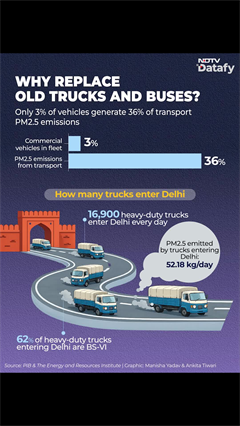
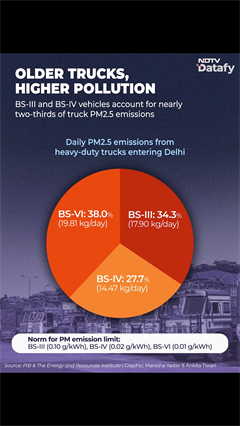
GRAP-4 restrictions include a ban on all construction activities, the entry of non-essential polluting trucks into Delhi, and the mandatory shift of school classes, except for Classes 10 and 12, to hybrid mode. Non-essential diesel trucks are prohibited from entering Delhi, and Delhi-registered BS-4 and older diesel-run heavy goods vehicles are banned, except for essential services, under GRAP-4.
Published: January 16, 2025 19:39 IST
 Written by Shreya Goswami | Thursday October 01, 2026
October's changing temperatures, dry air, dust and rising pollution can leave Delhi-NCR residents with a scratchy throat, cough or hoarseness.
- Written by Dr Shivanshu Raj Goyal | Thursday October 01, 2026
Since most people spend a lot of time indoors, the air quality indoors becomes essential in relation to respiratory health. Considering different environments, air inside can contain dirt, allergens and several pollutants from multiple sources.
- Wednesday September 30, 2026 , France
In a new analysis covering the first eight months of 2026, the European Union's Copernicus Climate Atmosphere Monitoring Service (CAMS) highlighted the close relationship between climate change and air pollution.
- Reported by Reet Kaur Sahni | Tuesday September 29, 2026
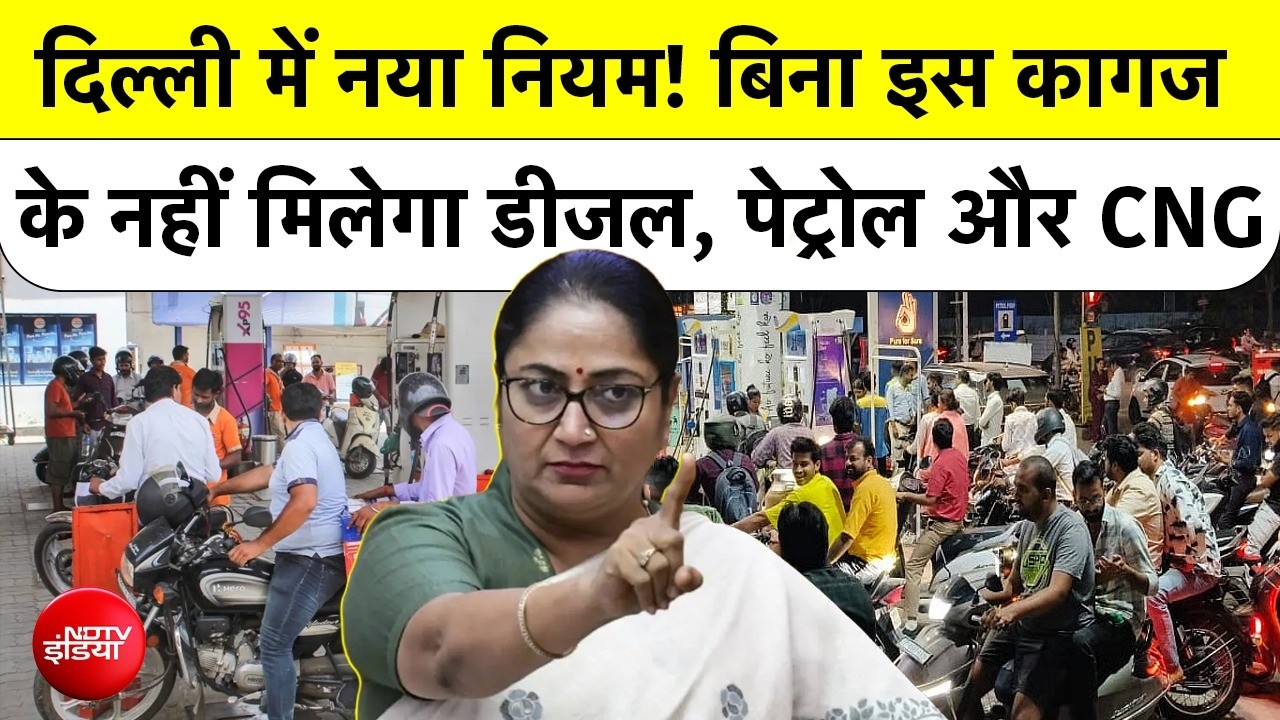
Starting November 1, petrol and diesel vehicles registered outside Delhi and not meeting BS-VI standards will be banned from entering the city, though CNG and electric vehicles are exempt.
- Written by Dr Sabine Kapasi | Tuesday September 29, 2026
Air pollution is often discussed as a cause of respiratory disease, but its effects extend to the heart and blood vessels.



................................ Advertisement ................................

Blog | Well Done, Delhi. You've Turned Lung Sacrifice Into A Badge Of HonourSaikat Kumar Bose
Monday November 10, 2025Till some years back, Delhiites would ask angry questions to those in power about the capitals annual tryst with toxic air. This has changed. Those in the driving seat dont see the need to answer now.
Opinion | Why Indians Have Just Given Up On Air Pollution CrisisTanushree Ganguly
Friday December 20, 2024While some may argue that people in Delhi are now more aware of air pollution than they were a decade back, my rebuttal would be that awareness does not mean that people are concerned.
Opinion | You Must Outrage Over Filthy Air More Than Once A YearJyoti Pande Lavakare
Tuesday December 10, 2024Delhi welcomed us with monsoon rains and mangos. We were home. Fast forward a couple of years, in the winter of 2012, I found myself in denial about something other parents, mostly expats, were calling toxic air.
Opinion | Delhi's Air Pollution Situation Is Like A Bad MarriageNishtha Gautam
Friday November 22, 2024On a good day, such as today, the AQI reading in Delhi is 407. We are jubilant at the sickly sunshine trickling through the slightly dissipated smog. At least its not 1600.
दिवाली... पराली... सियासी जुगाली!Ashwini kumar
Monday November 18, 2024दिल्ली-एनसीआर में प्रदूषण का समाधान तो आज तक मिला नहीं. हर साल चिंतित होकर हम-आप सांसों की तकलीफ के साथ-साथ दिल और ब्लड प्रेशर के मरीज भी क्यों बनें?


