


- Home/
- Severe Air Quality In Delhi Threatens Child Lung Development, Increases Infection Risks
Severe Air Quality In Delhi Threatens Child Lung Development, Increases Infection Risks
Written by Debosmita Ghosh | Updated: December 17, 2025 15:36 IST
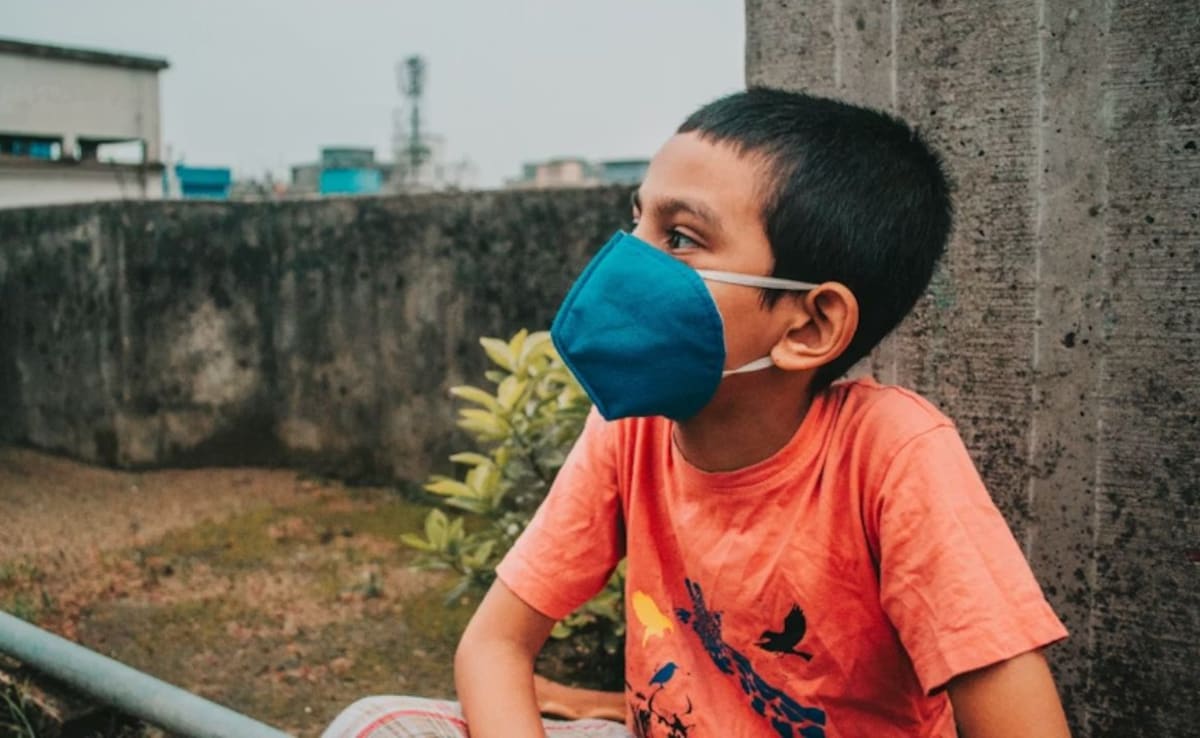
Delhi and the NCR cities witnessed a sharp rise in Air Quality Index (AQI), with a thick toxic haze blanketing Delhi and the surrounding cities. AQI breached the 'Severe' mark, recording an AQI of 431 on December 13, 461 on December 14 and 427 on December 15. The condition improved slightly on Tuesday (December 15) with an AQI of 378 at around 8 am, placing it in the 'very poor' category. The AQI recorded on Sunday marked the city's most polluted day this winter and the second-worst December air quality day on record. An AQI score of 0-50 is considered good, 51-100 is satisfactory, 101-200 is moderate, 201-300 is poor, 301-400 is very poor, and 401-500 is severe.
Poor air quality impacts the health of children severely. Fine particulate matter like PM2.5, coarse particles such as PM10, nitrogen dioxide, ozone, and other pollutants pose serious threats to the health of children. Children inhale air more rapidly than adults and their developing respiratory systems lack the full defenses of mature lungs. This increased exposure can lead to immediate irritation, chronic inflammation, and lasting structural changes. Read on to know how air pollution can impact the health of children.
Acute Respiratory Problems
When AQI reaches hazardous ranges (above 300), children experience airway inflammation as tiny particles lodge deep in their lungs. Narrow bronchial tubes swell, producing excess mucous that causes coughing, wheezing, and shortness of breath. These symptoms can lead to severe attacks, where oxygen levels drop, forcing them to rely on inhalers or medical intervention. Infants and toddlers, with even smaller airways, face heightened risks. A single high-pollution day can double emergency visits for bronchitis or pneumonia.
Lung Development Disruption
Children's lungs multiply alveoli, tiny air sacs essential for oxygen exchange, until around 8years of age, with function maturing into the early 20s. High AQI pollutants add oxidative stress, generating free radicals that scar lung tissue and affect this expansion. Fine particles cross into the bloodstream, inflaming blood vessels and reducing elasticity in their growing airways. Studies tracking urban cohorts found that kids in polluted areas have 10-20% less lung volume by puberty, predisposing them to lifelong breathlessness and lowering their endurance.
Increased Infection Risks
Pollutants tend to erode the lung's mucosal barriers, which is the first line of defence against viruses and bacteria. This makes children prone to recurrent infections. PM2.5 affects ciliary movement, the sweeping action that clears debris, allowing pathogens to take hold in the lower respiratory tract. This vulnerability peaks in children under 5 years, increasing the chances of severe pneumonia. In smog-heavy seasons, healthy kids too become sufferers of acute lower respiratory illnesses.
Asthma Onset and Aggravation
Air pollution acts as both trigger and initiator of asthma in genetically susceptible children. AQI spikes correlate with a 30-50% increase in asthma attacks, which requires steroids to reduce inflammation. For new cases, prenatal and early postnatal exposure rewires immune pathways, increasing allergy risks and Th2 responses that cause chronic wheezing.
Prenatal and Long-Term Impact
Exposure can begin in the womb, as maternal inhalation transfers ultrafine particles across the placenta by week 4 of gestation. These disrupt foetal lung branching and vascularisation. Postnatally, toddlers in high-AQI zones show flattened growth curves in peak expiratory flow by the age of 5 years. Adolescence brings further hits, as puberty-driven lungs tend to falter under pollution, causing adult conditions like chronic obstructive pulmonary disease (COPD) decades early.
Protective Steps
- N95 masks filter 95% of PM2.5 for outdoor play, while HEPA purifiers indoors help reduce exposure by 50-80%.
- Limit exertion on red-flag days.
- Hydrate to thin mucous.
- Early interventions like nasal saline rinses preserve cilia function.
Disclaimer: This content including advice provides generic information only. It is in no way a substitute for a qualified medical opinion. Always consult a specialist or your own doctor for more information. NDTV does not claim responsibility for this information.
Published: December 16, 2025 20:08 IST
also read
 Written by Ambika Singh Kahma | Friday June 19, 2026
NDTV Lifeline's first episode gives India a wake-up call to recognise sleep apnea as a critical public health issue
- Reported by Ishika Verma | Friday June 19, 2026 , New Delhi
The measures, outlined under a newly notified winter air quality management framework, are intended to help authorities, businesses and residents prepare in advance for the period between November and February, when Delhi's air quality typically dete
- Edited by Nikhil Pandey | Friday June 19, 2026
An unprecedented Ukrainian drone strike on a major Moscow oil refinery has caused a bizarre environmental crisis, with oily "black rain" falling over parts of the Russian capital.
- Written by Dr Anindita Singh | Monday June 15, 2026
From a clinical point of view, infertility often develops quietly, without noticeable symptoms, especially in the early stages, and the whole process can look normal from the outside.
- Written by Shreya Goswami | Monday June 15, 2026
Naseeruddin Shah's moving portrayal of a man with dementia in Imtiaz Ali's latest movie highlights the emotional and practical challenges faced by caregivers.




................................ Advertisement ................................


Blog | Well Done, Delhi. You've Turned Lung Sacrifice Into A Badge Of HonourSaikat Kumar Bose
Monday November 10, 2025Till some years back, Delhiites would ask angry questions to those in power about the capitals annual tryst with toxic air. This has changed. Those in the driving seat dont see the need to answer now.
Opinion | Why Indians Have Just Given Up On Air Pollution CrisisTanushree Ganguly
Friday December 20, 2024While some may argue that people in Delhi are now more aware of air pollution than they were a decade back, my rebuttal would be that awareness does not mean that people are concerned.
Opinion | You Must Outrage Over Filthy Air More Than Once A YearJyoti Pande Lavakare
Tuesday December 10, 2024Delhi welcomed us with monsoon rains and mangos. We were home. Fast forward a couple of years, in the winter of 2012, I found myself in denial about something other parents, mostly expats, were calling toxic air.
Opinion | Delhi's Air Pollution Situation Is Like A Bad MarriageNishtha Gautam
Friday November 22, 2024On a good day, such as today, the AQI reading in Delhi is 407. We are jubilant at the sickly sunshine trickling through the slightly dissipated smog. At least its not 1600.
दिवाली... पराली... सियासी जुगाली!Ashwini kumar
Monday November 18, 2024दिल्ली-एनसीआर में प्रदूषण का समाधान तो आज तक मिला नहीं. हर साल चिंतित होकर हम-आप सांसों की तकलीफ के साथ-साथ दिल और ब्लड प्रेशर के मरीज भी क्यों बनें?


