


- Home/
- Smog Engulfs Mumbai As Air Quality Worsens, Civic Body Plans GRAP-4 Measures
Smog Engulfs Mumbai As Air Quality Worsens, Civic Body Plans GRAP-4 Measures
Reported by Radhika Ramaswamy | Updated: November 25, 2025 19:34 IST
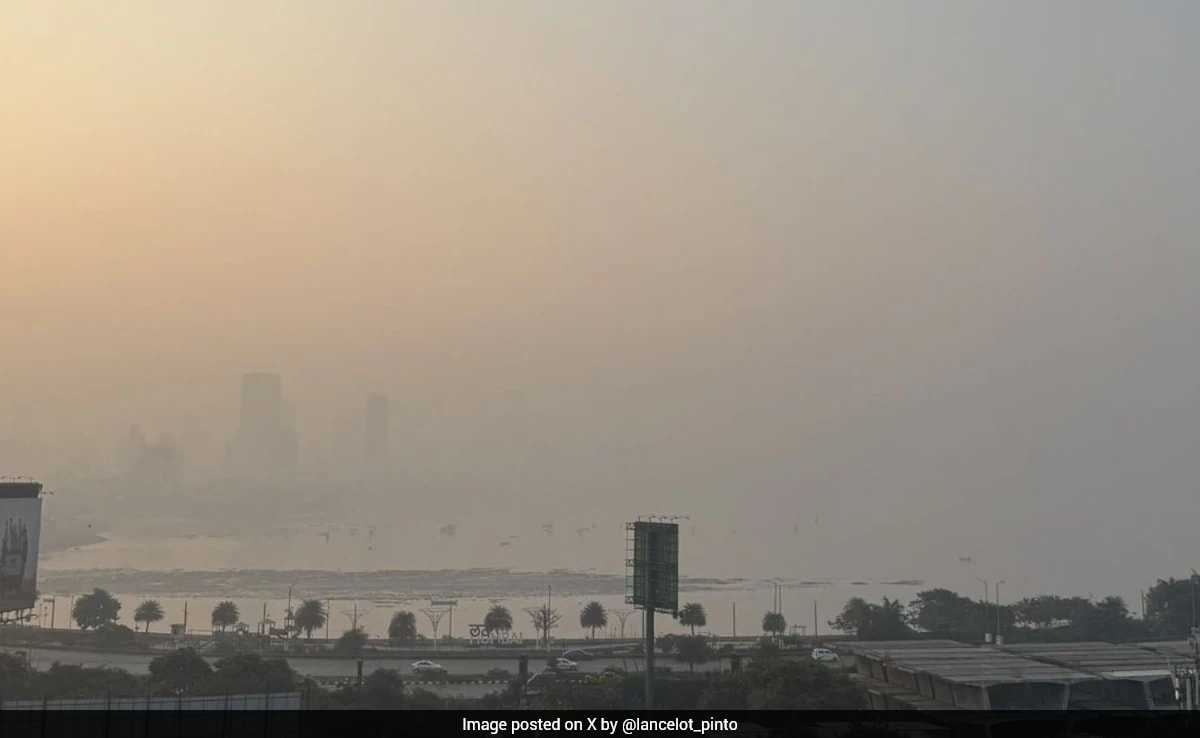
Overall city AQI figures fluctuated in the unhealthy-to-severe range.
Mumbai:
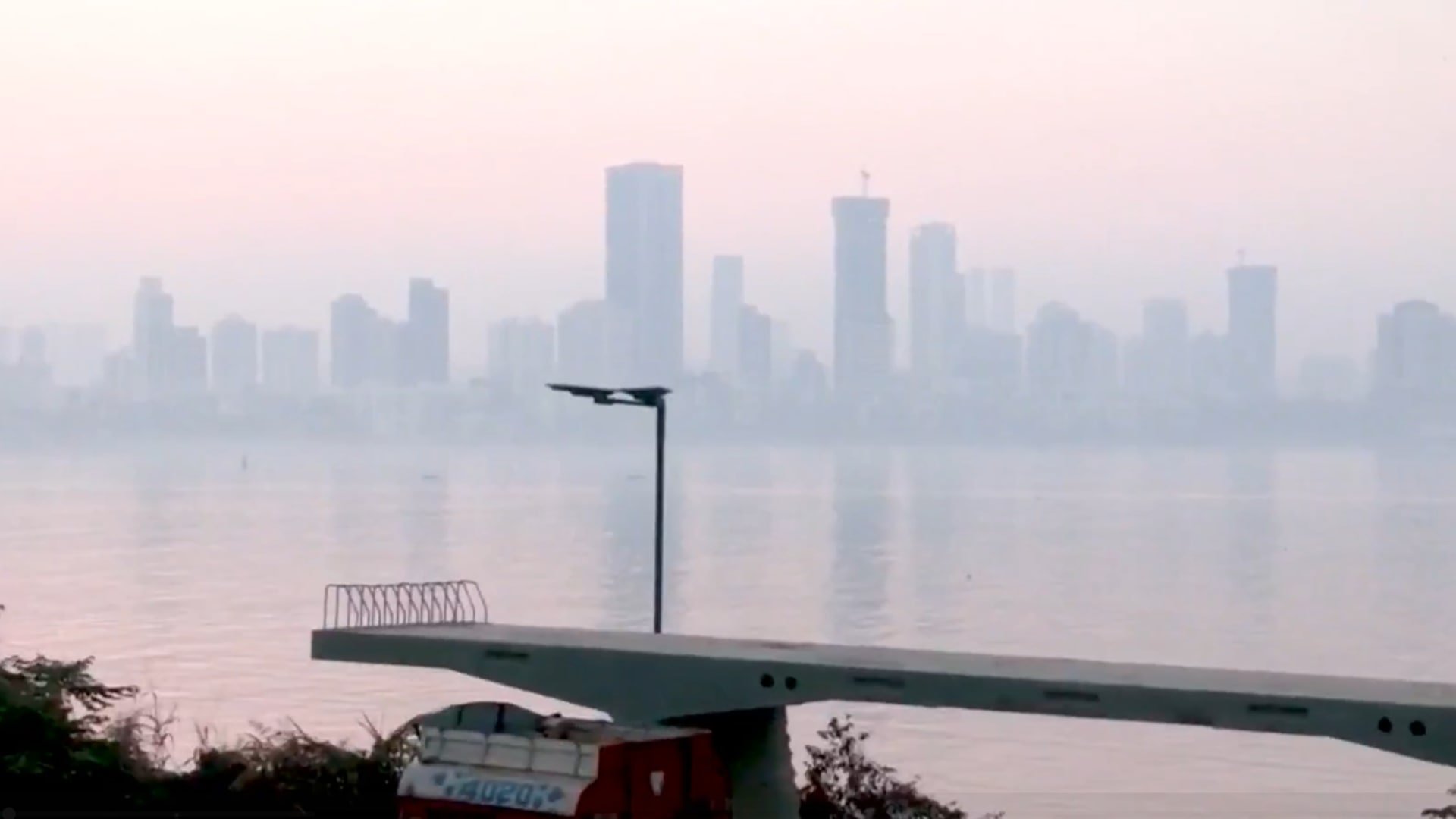
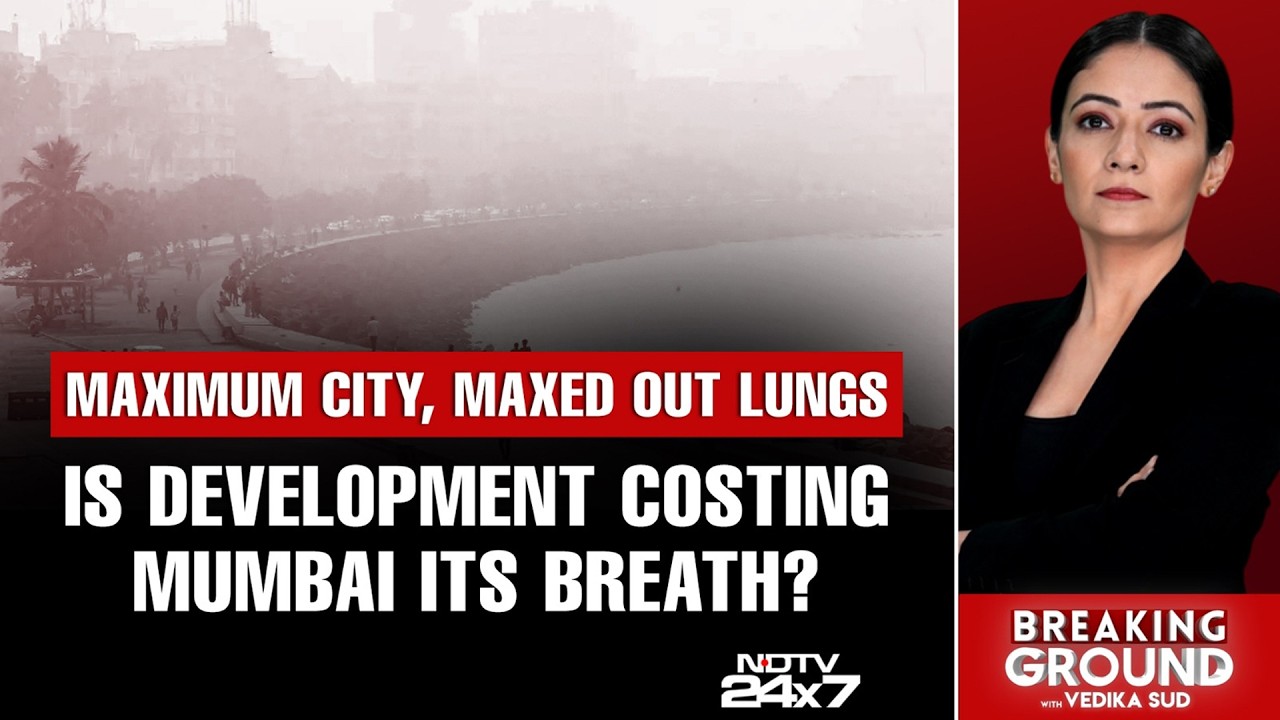
Mumbai witnessed a thick blanket of smog on Tuesday as citywide air-quality readings surged into poor and severe categories, prompting the Brihanmumbai Municipal Corporation (BMC) to step up emergency measures. The civic body warned it may invoke the strictest controls under the Graded Response Action Plan (GRAP).
Visibility on the waterfront and across major arterial roads was markedly reduced through the morning and into the evening, with residents reporting burning eyes and breathing discomfort. Real-time monitoring services showed overall city AQI figures fluctuating in the unhealthy-to-severe range. Several monitoring stations recorded readings well over 300 at times, driven largely by high PM2.5 and PM10 concentrations.
Officials said Mazagaon, Deonar, Chakala (Andheri East), and parts of the central and eastern suburbs were among the worst hit. Mazagaon alone recorded AQI levels above 300 on multiple days this month, and several locations exceeded 200 - thresholds that put them in the "poor" to "very poor" categories.
In response, the BMC has reinstated ward-level enforcement teams, set up flying squads to check polluting activities and warned that GRAP-IV restrictions, which include halting construction and other dust-creating operations, will be invoked if high readings persist.
The civic body has activated an emergency pollution plan and is considering targeted construction bans and other controls in the worst-affected wards.
Mumbai, Maharashtra: A dense layer of smog blanketed the city, with the Air Quality Index (AQI) soaring to 239 pic.twitter.com/hjIFSMplGR
— IANS (@ians_india) November 24, 2025
"We will attempt positive intervention first, like misting, cleaning, and action against polluting bakeries and units, before imposing blanket halts, but stricter measures like construction bans are on the table if air quality does not improve," a BMC official said.
Causes And Contributing Factors
Environmentalists pointed to a mix of local and regional contributors, such as ongoing construction and road dust, emissions from vehicles and diesel generators, industrial emissions in peripheral zones such as Mahul, and meteorological conditions including cooler nights and light winds that trap pollutants near the surface. Experts have highlighted the broader role of increased fossil-fuel power usage linked to heavy electricity demand from data-centres in and around the city's industrial belts.
Health Impact And Advisories
Public-health warnings accompanied the high readings. Experts note that PM2.5 levels observed in recent days are much higher than the World Health Organization's guideline. It poses elevated risks for children, the elderly and people with respiratory or cardiovascular disease; short-term symptoms include coughing, throat irritation and exacerbation of asthma.
The municipal corporation and health departments advised residents to limit outdoor exertion, use masks where necessary, and keep windows closed during peak pollution hours. Use of air-purifiers was recommended indoors for households in worst-hit areas.
November has seen a steady deterioration in air quality after spikes during the festival season and a month of elevated construction activity. Meteorologists said that light winds and temperature inversions are expected to persist for the next 48-72 hours, raising the prospect of continued poor dispersion of pollutants unless significant emission reductions occur. Civic officials said they will monitor readings hourly and reassess the need for GRAP-IV curbs if AQI remains high.
Published: November 25, 2025 19:34 IST
 Thursday July 30, 2026
Air pollution has links to health risks in pregnant woman as they can face reproductive issues. Here is how genetic and environmental factors could impact reproductive health.
- Written by Sambhav Kumar | Tuesday July 28, 2026
Heavy monsoon rains in Delhi-NCR may clear outdoor pollutants temporarily but increase indoor humidity and mould growth, affecting respiratory health.
- Written by Dr Ramanarayanan | Sunday July 26, 2026
Invasive fungal infections are rising in India, affecting more patients and showing resistance to treatments, posing serious health risks.
- Written by Ashwini Sehgal | Thursday July 23, 2026
The study included 85 adults and children with poorly controlled asthma who lived in homes or apartments with gas stoves. Asthma control was determined from responses to a standard questionnaire.
- Written by Rupashi Chhabra | Tuesday July 21, 2026
Dr Bhuvan Chugh explains how hidden environmental toxicants cause lung cancer in young non-smokers. Here is how fine air pollution triggers hidden mutations.


................................ Advertisement ................................

Blog | Well Done, Delhi. You've Turned Lung Sacrifice Into A Badge Of HonourSaikat Kumar Bose
Monday November 10, 2025Till some years back, Delhiites would ask angry questions to those in power about the capitals annual tryst with toxic air. This has changed. Those in the driving seat dont see the need to answer now.
Opinion | Why Indians Have Just Given Up On Air Pollution CrisisTanushree Ganguly
Friday December 20, 2024While some may argue that people in Delhi are now more aware of air pollution than they were a decade back, my rebuttal would be that awareness does not mean that people are concerned.
Opinion | You Must Outrage Over Filthy Air More Than Once A YearJyoti Pande Lavakare
Tuesday December 10, 2024Delhi welcomed us with monsoon rains and mangos. We were home. Fast forward a couple of years, in the winter of 2012, I found myself in denial about something other parents, mostly expats, were calling toxic air.
Opinion | Delhi's Air Pollution Situation Is Like A Bad MarriageNishtha Gautam
Friday November 22, 2024On a good day, such as today, the AQI reading in Delhi is 407. We are jubilant at the sickly sunshine trickling through the slightly dissipated smog. At least its not 1600.
दिवाली... पराली... सियासी जुगाली!Ashwini kumar
Monday November 18, 2024दिल्ली-एनसीआर में प्रदूषण का समाधान तो आज तक मिला नहीं. हर साल चिंतित होकर हम-आप सांसों की तकलीफ के साथ-साथ दिल और ब्लड प्रेशर के मरीज भी क्यों बनें?


