


- Home/
- Stricter Pollution Curbs Under GRAP 3 Reimposed In Delhi
Stricter Pollution Curbs Under GRAP 3 Reimposed In Delhi
NDTV Newsdesk | Updated: January 03, 2025 19:37 IST

With air quality worsening again, stricter pollution curbs under GRAP 3 were reimposed in Delhi and surrounding areas, the Commission for Air Quality Management (CQAM), the Centre's pollution watchdog, said on Friday.
The Graded Response Action Plan (GRAP) is a set of emergency measures implemented in Delhi-NCR to tackle air pollution based on the severity of the Air Quality Index (AQI).
The Supreme Court had earlier directed that GRAP's Stage III measures must be implemented if the AQI exceeds 350 and Stage IV measures reintroduced if it surpasses 400. Stage III and Stage IV were activated on December 16 after AQI levels hit 401.
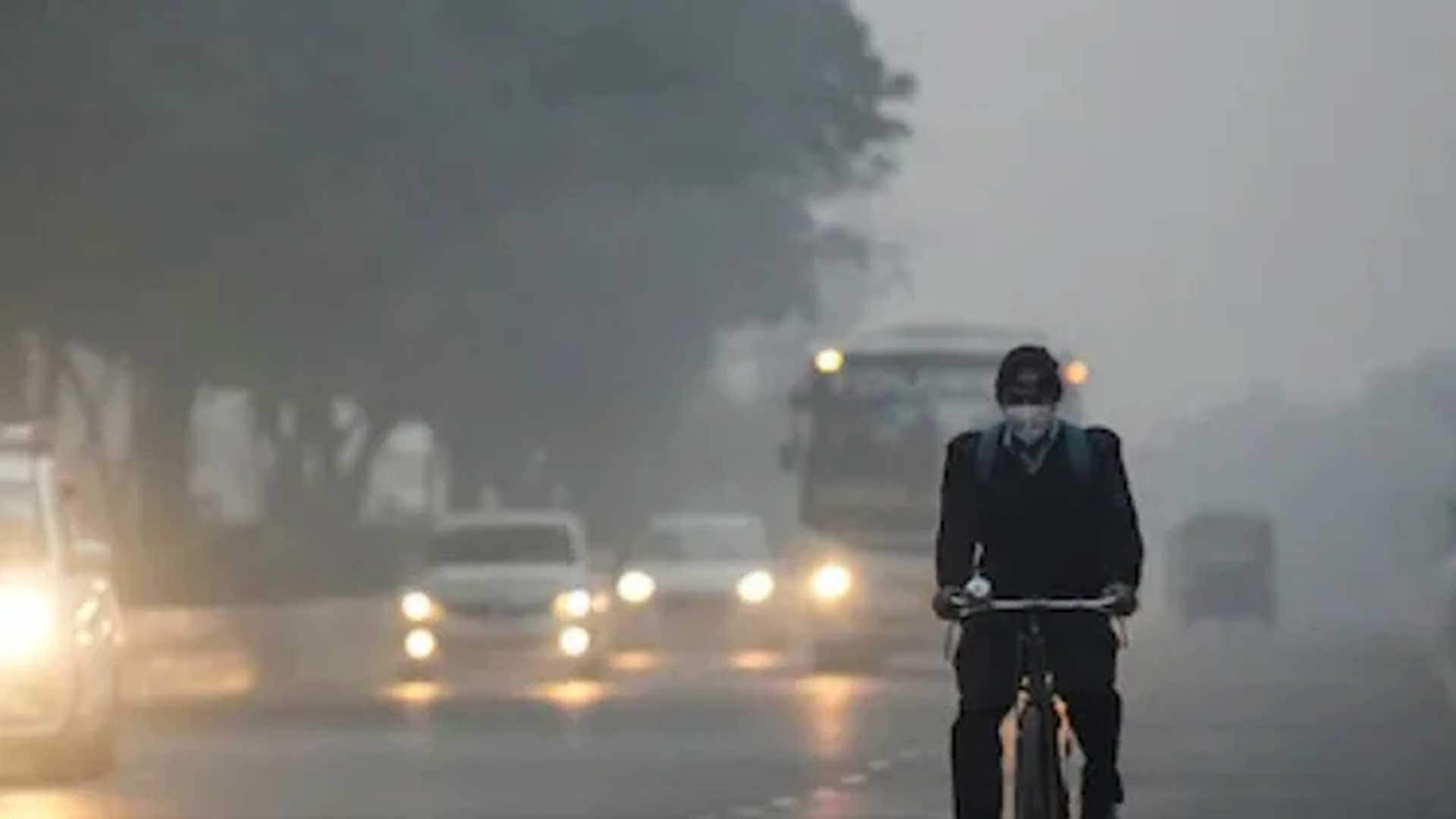
"The Sub-Committee observed that the AQI of Delhi is exhibiting an increasing trend, crossed 350 in the morning today and has been recorded 371 at 4:OO PM owing to dense fog, low mixing height, variable winds and unfavourable meteorological conditions," said the Centre's pollution watchdog.
The forecast from the weather office suggests a "likelihood of the AQI of Delhi to particularly remain in this adverse range for the coming days", said the watchdog.
The GRAP for Delhi-NCR is divided into four stages of air quality -- Stage 1 for "poor" Air Quality Index (AQI) ranging between 201 and 300, Stage 2 for "very poor" AQI of 301-400, Stage 3 for "severe" AQI of 401-450 and Stage 4 for "severe plus" AQI (more than 450).
Published: January 03, 2025 18:03 IST
 Edited by Astitva Raj | Saturday October 03, 2026
He said someone should be at home to light the diyas and celebrate Diwali properly.
- Written by Shreya Goswami | Thursday October 01, 2026
October's changing temperatures, dry air, dust and rising pollution can leave Delhi-NCR residents with a scratchy throat, cough or hoarseness.
- Written by Dr Shivanshu Raj Goyal | Thursday October 01, 2026
Since most people spend a lot of time indoors, the air quality indoors becomes essential in relation to respiratory health. Considering different environments, air inside can contain dirt, allergens and several pollutants from multiple sources.
- Wednesday September 30, 2026 , France
In a new analysis covering the first eight months of 2026, the European Union's Copernicus Climate Atmosphere Monitoring Service (CAMS) highlighted the close relationship between climate change and air pollution.
- Reported by Reet Kaur Sahni | Tuesday September 29, 2026
Starting November 1, petrol and diesel vehicles registered outside Delhi and not meeting BS-VI standards will be banned from entering the city, though CNG and electric vehicles are exempt.




................................ Advertisement ................................

Blog | Well Done, Delhi. You've Turned Lung Sacrifice Into A Badge Of HonourSaikat Kumar Bose
Monday November 10, 2025Till some years back, Delhiites would ask angry questions to those in power about the capitals annual tryst with toxic air. This has changed. Those in the driving seat dont see the need to answer now.
Opinion | Why Indians Have Just Given Up On Air Pollution CrisisTanushree Ganguly
Friday December 20, 2024While some may argue that people in Delhi are now more aware of air pollution than they were a decade back, my rebuttal would be that awareness does not mean that people are concerned.
Opinion | You Must Outrage Over Filthy Air More Than Once A YearJyoti Pande Lavakare
Tuesday December 10, 2024Delhi welcomed us with monsoon rains and mangos. We were home. Fast forward a couple of years, in the winter of 2012, I found myself in denial about something other parents, mostly expats, were calling toxic air.
Opinion | Delhi's Air Pollution Situation Is Like A Bad MarriageNishtha Gautam
Friday November 22, 2024On a good day, such as today, the AQI reading in Delhi is 407. We are jubilant at the sickly sunshine trickling through the slightly dissipated smog. At least its not 1600.
दिवाली... पराली... सियासी जुगाली!Ashwini kumar
Monday November 18, 2024दिल्ली-एनसीआर में प्रदूषण का समाधान तो आज तक मिला नहीं. हर साल चिंतित होकर हम-आप सांसों की तकलीफ के साथ-साथ दिल और ब्लड प्रेशर के मरीज भी क्यों बनें?


