


- Home/
- To Fight India's Deadly Smog, Farmers Told To Sell Crop Waste
To Fight India's Deadly Smog, Farmers Told To Sell Crop Waste
(c) 2022, Bloomberg | Updated: December 14, 2022 12:17 IST

India wants to convert its annual farm waste and massive piles of kitchen refuse into energy. (File)
Farmers in India are being encouraged to sell their crop waste rather than burn it to help accelerate progress on curbing fires that spread a deadly, choking smog across key cities.
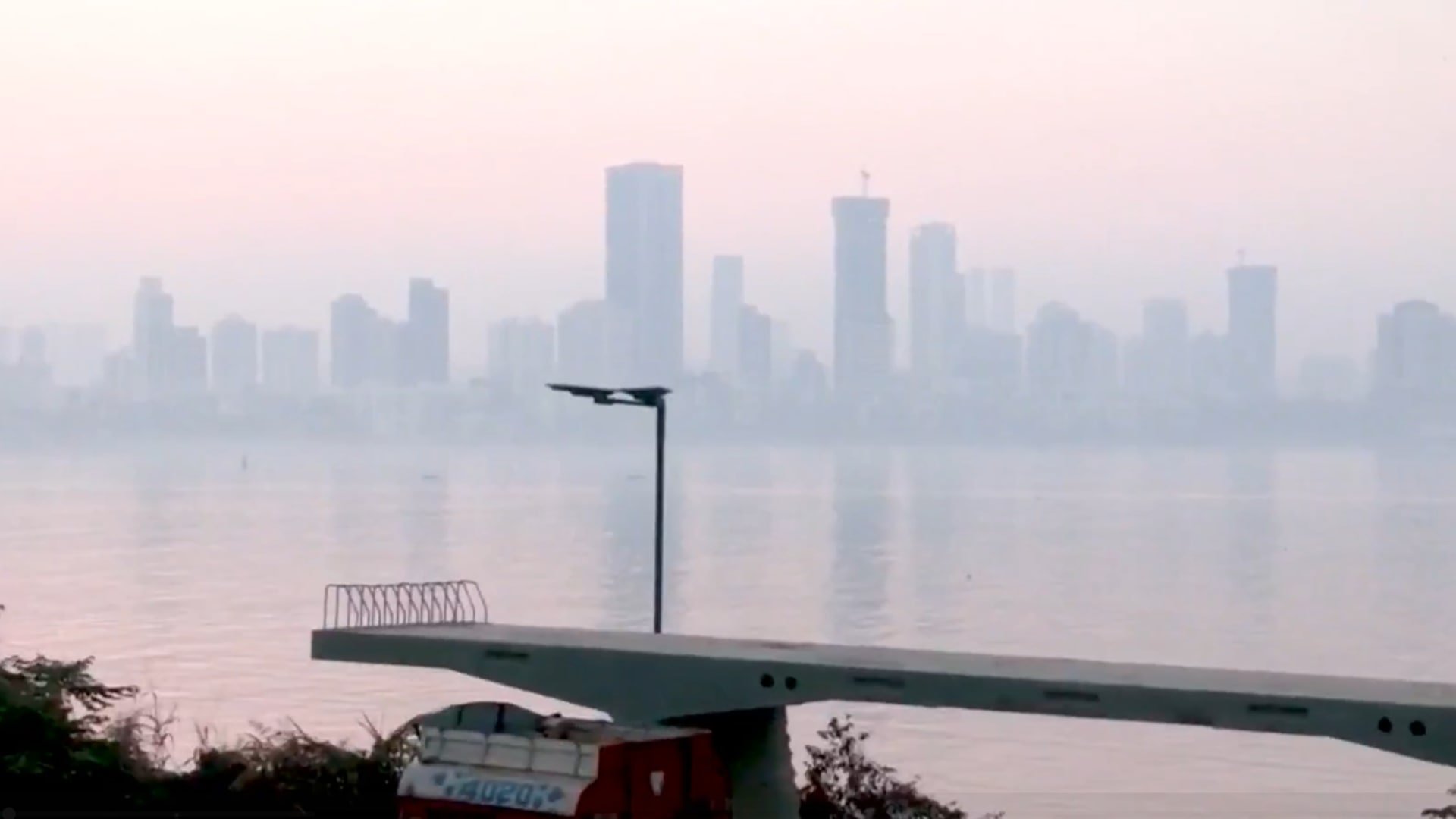
Smoke from the burning of crop stubble lingers over most of north India for weeks during the cold months of November and December, with the air quality deteriorating to hazardous levels in several areas, including the capital New Delhi.
BiofuelCircle, a startup based in the western Indian city of Pune, is attempting to connect farmers to companies that can turn the waste into briquettes that can be burned in power stations, or ethanol for blending with liquid fuels.
"The environmental issues due to crop residue burning are mainly because of the inefficiency of the supply chain," BiofuelCircle founder Suhas Baxi said. "The business case for building a stable and reliable supply chain is very solid."
India wants to convert its 230 million tons of annual farm waste and massive piles of kitchen refuse into energy to help reduce fuel imports and improve air quality. If there was sufficient demand and infrastructure, using the country's entire supply of crop waste for bio-energy could generate as much as $50 billion of annual revenue, Mr Baxi said in an interview.
But progress has been slow. The lack of a reliable supply chain - from timely procurement to storage, processing plants, and finally a market for the products - has meant that farmers for now continue to burn most of their crop residue. Barely 20-30% of farm waste is harnessed, mostly for lower-value products such as briquettes for blending with coal for use in industrial boilers, Mr Baxi said.
"We don't have the ability to absorb what the farmer is able to give," he said. "There's a need for mechanization, there's a need for huge storage capacities. There's the investment required in the supply chain and that investment will not only solve the problems at hand but create a bigger opportunity."
A market for more products including biodiesel, sustainable aviation fuel, and compressed biogas is still in its infancy, though there has been some progress. The ethanol percentage of retail gasoline has increased to about 10% from just 1.4% in 2014, when Prime Minister Narendra Modi started his first term in office.
PM Modi's government has also been supportive of tackling stubble burning, offering subsidies to buy machinery to gather crop residue to setting mandates for coal plants to use at least 5% biomass.
(Except for the headline, this story has not been edited by NDTV staff and is published from a syndicated feed.)
Published: December 14, 2022 12:17 IST
 Reported by Reet Kaur Sahni | Friday August 07, 2026
As per the ministry, prior Environmental Clearance becomes mandatory for data centres depending on their physical footprint under Schedule 8 of the EIA Notification, 2006.
- Written by Sambhav Kumar | Thursday August 06, 2026
Keerthy Suresh's 41-hour no-sleep stretch highlights the intense demands many professionals face, but experts warn that prolonged sleep deprivation should never become routine.
- Written by Sambhav Kumar | Wednesday August 05, 2026
Preliminary evidence suggests the blood filtration treatment could reduce some microplastic particles, though findings are limited and require more study.
- Monday August 03, 2026 , New Delhi
Study reveals black crust from pollution weakens Humayuns Tomb sandstone
- Written by Debosmita Ghosh | Saturday August 01, 2026
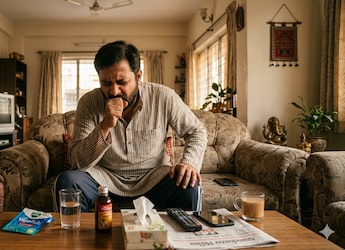
Lung cancer is often diagnosed at an advanced stage because its early symptoms are easy to overlook. A persistent cough is among the most commonly ignored warning signs.



................................ Advertisement ................................

Blog | Well Done, Delhi. You've Turned Lung Sacrifice Into A Badge Of HonourSaikat Kumar Bose
Monday November 10, 2025Till some years back, Delhiites would ask angry questions to those in power about the capitals annual tryst with toxic air. This has changed. Those in the driving seat dont see the need to answer now.
Opinion | Why Indians Have Just Given Up On Air Pollution CrisisTanushree Ganguly
Friday December 20, 2024While some may argue that people in Delhi are now more aware of air pollution than they were a decade back, my rebuttal would be that awareness does not mean that people are concerned.
Opinion | You Must Outrage Over Filthy Air More Than Once A YearJyoti Pande Lavakare
Tuesday December 10, 2024Delhi welcomed us with monsoon rains and mangos. We were home. Fast forward a couple of years, in the winter of 2012, I found myself in denial about something other parents, mostly expats, were calling toxic air.
Opinion | Delhi's Air Pollution Situation Is Like A Bad MarriageNishtha Gautam
Friday November 22, 2024On a good day, such as today, the AQI reading in Delhi is 407. We are jubilant at the sickly sunshine trickling through the slightly dissipated smog. At least its not 1600.
दिवाली... पराली... सियासी जुगाली!Ashwini kumar
Monday November 18, 2024दिल्ली-एनसीआर में प्रदूषण का समाधान तो आज तक मिला नहीं. हर साल चिंतित होकर हम-आप सांसों की तकलीफ के साथ-साथ दिल और ब्लड प्रेशर के मरीज भी क्यों बनें?


