


- Home/
- Traffic Pollution Can Impair Brain Function In Just 2 Hours, Says New Study
Traffic Pollution Can Impair Brain Function In Just 2 Hours, Says New Study
Edited by Anoushka Sharma | Updated: January 27, 2023 23:50 IST
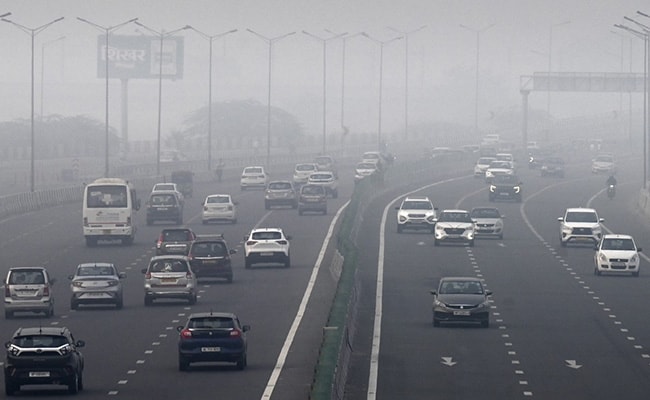
The exposure to diesel exhaust for just two hours reduces the brain's functional connectivity.
People living in metropolitan cities have been battling pollution for a very long time. Long-term exposure to air pollution, particularly dust from building activities in severe weather, affects the respiratory system in addition to causing heart and neurological issues such cardiac arrests, strokes and stomach issues. Now, a recent study by researchers at the University of British Columbia and the University of Victoria found that even moderate traffic pollution can impair brain function within hours.
The study was published in the journal Environmental Health and reveals that exposure to diesel exhaust for just two hours reduces the brain's functional connectivity. It offers the first scientific proof of altered brain network connectivity brought on by air pollution in humans in a controlled experiment.
The researchers conducted the study by briefly exposing 25 healthy adults to diesel exhaust and filtered air at different times in a laboratory setting. Using functional magnetic resonance imaging, brain activity was recorded before and after each exposure for all adults.
The brain's default mode network (DMN), a set of interconnected brain regions that are crucial for memory and internal thought, was the focus of the researchers' analysis. After exposure to diesel exhaust as compared to filtered air, the results showed that subjects had less functional connectivity in many areas of the DMN.
Dr Jodie Gawryluk, a psychology professor at the University of Victoria and the study's first author stated, "We know that altered functional connectivity in the DMN has been associated with reduced cognitive performance and symptoms of depression, so it's concerning to see traffic pollution interrupting these same networks." He said that more research is needed to fully understand the functional impacts of these changes. However, "it's possible that they may impair people's thinking or ability to work."
However, the changes in the brain were only temporary and people's connectivity went back to normal after the exposure. The researchers speculated that where exposure is continuous, the effects could be long lasting.
Senior study author and Head of Respiratory Medicine at the University of British Columbia, Dr Chris Carlsten said, "People may want to think twice the next time they're stuck in traffic with the windows rolled down. It's important to ensure that your car's air filter is in good working order, and if you're walking or biking down a busy street, consider diverting to a less busy route."
Published: January 27, 2023 23:50 IST
 Thursday July 30, 2026
Air pollution has links to health risks in pregnant woman as they can face reproductive issues. Here is how genetic and environmental factors could impact reproductive health.
- Written by Sambhav Kumar | Tuesday July 28, 2026
Heavy monsoon rains in Delhi-NCR may clear outdoor pollutants temporarily but increase indoor humidity and mould growth, affecting respiratory health.
- Written by Dr Ramanarayanan | Sunday July 26, 2026
Invasive fungal infections are rising in India, affecting more patients and showing resistance to treatments, posing serious health risks.
- Written by Ashwini Sehgal | Thursday July 23, 2026
The study included 85 adults and children with poorly controlled asthma who lived in homes or apartments with gas stoves. Asthma control was determined from responses to a standard questionnaire.
- Written by Rupashi Chhabra | Tuesday July 21, 2026
Dr Bhuvan Chugh explains how hidden environmental toxicants cause lung cancer in young non-smokers. Here is how fine air pollution triggers hidden mutations.



................................ Advertisement ................................

Blog | Well Done, Delhi. You've Turned Lung Sacrifice Into A Badge Of HonourSaikat Kumar Bose
Monday November 10, 2025Till some years back, Delhiites would ask angry questions to those in power about the capitals annual tryst with toxic air. This has changed. Those in the driving seat dont see the need to answer now.
Opinion | Why Indians Have Just Given Up On Air Pollution CrisisTanushree Ganguly
Friday December 20, 2024While some may argue that people in Delhi are now more aware of air pollution than they were a decade back, my rebuttal would be that awareness does not mean that people are concerned.
Opinion | You Must Outrage Over Filthy Air More Than Once A YearJyoti Pande Lavakare
Tuesday December 10, 2024Delhi welcomed us with monsoon rains and mangos. We were home. Fast forward a couple of years, in the winter of 2012, I found myself in denial about something other parents, mostly expats, were calling toxic air.
Opinion | Delhi's Air Pollution Situation Is Like A Bad MarriageNishtha Gautam
Friday November 22, 2024On a good day, such as today, the AQI reading in Delhi is 407. We are jubilant at the sickly sunshine trickling through the slightly dissipated smog. At least its not 1600.
दिवाली... पराली... सियासी जुगाली!Ashwini kumar
Monday November 18, 2024दिल्ली-एनसीआर में प्रदूषण का समाधान तो आज तक मिला नहीं. हर साल चिंतित होकर हम-आप सांसों की तकलीफ के साथ-साथ दिल और ब्लड प्रेशर के मरीज भी क्यों बनें?


