- Home/
- World Stroke Day: Expert Decodes The Link Between Air Pollution And Stroke Risk
World Stroke Day: Expert Decodes The Link Between Air Pollution And Stroke Risk
Written by Varsha Vats | Updated: October 29, 2025 16:06 IST

Research has indicated a link between air pollution and an increased risk of stroke.
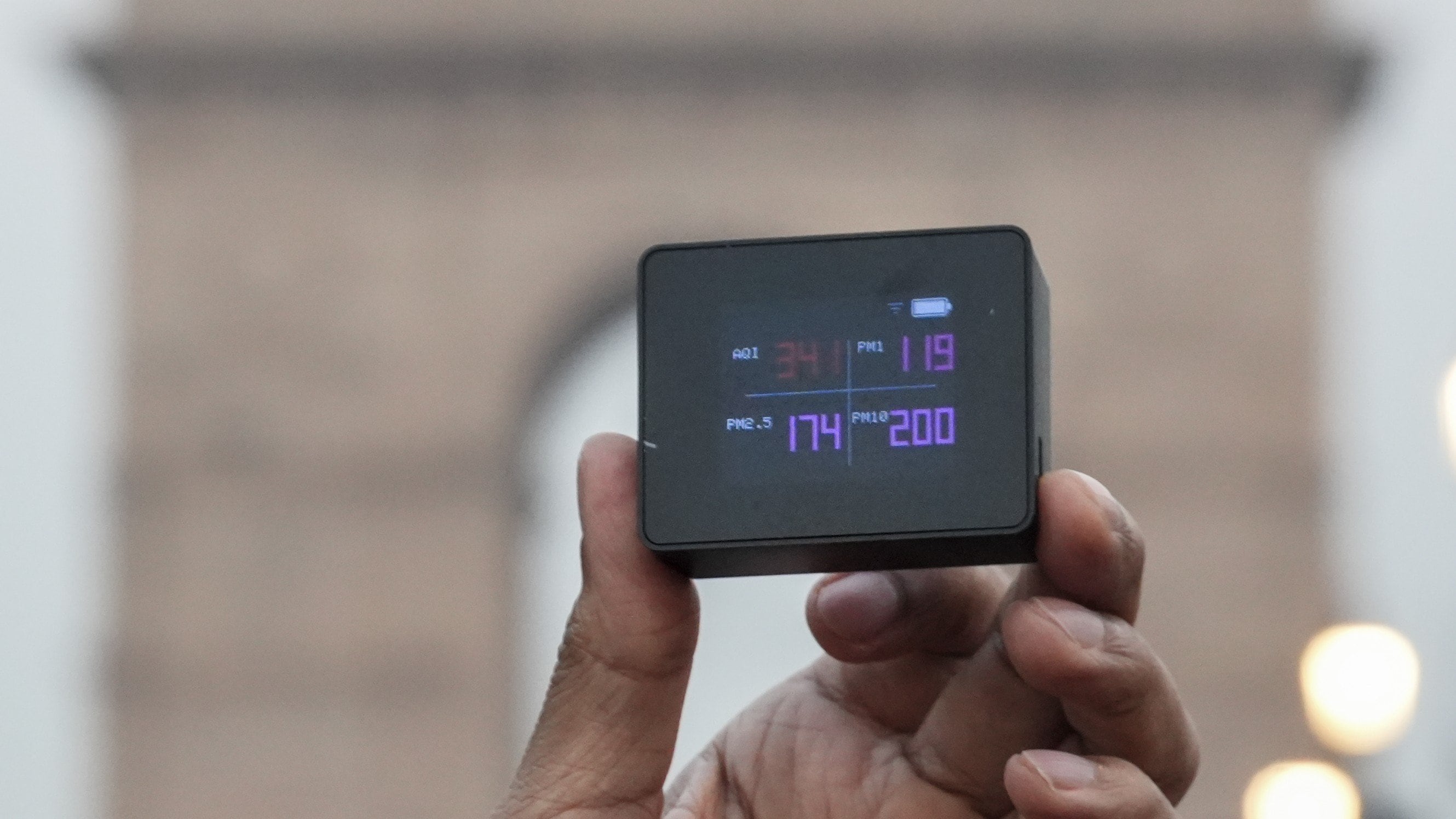
World Stroke Day is observed on October 29 every year, aiming to raise awareness about stroke prevention, recognition, and treatment. The day serves as an opportunity to educate individuals about the symptoms of stroke, the factors that contribute to it, and the crucial role of timely treatment during an emergency. World Stroke Day also aims to promote healthy lifestyle choices, which can play a significant role in reducing stroke incidence. While high blood pressure, smoking, obesity, and poor cholesterol levels are well-known risk factors for a stroke, air pollution can also silently increase your risk. "Air pollution doesn't just affect the lungs; it can infiltrate directly into the body and harm the brain, raising the risk of stroke. The thing is, when we breathe in polluted air, small toxic particles called PM2.5 and nitrogen oxides enter the lungs and, by means of thin air sacs, get into the blood," said Dr. Kunal Bahrani, Clinical Director - Neurology, Marengo Asia Hospitals, Faridabad.
Air pollution and stroke risk
Research has indicated a link between air pollution and an increased risk of stroke. Fine particulate matter (PM2.5), ozone, and other pollutants can contribute to several health issues that elevate the risk of strokes, including:
1. Inflammation
Air pollution can lead to systemic inflammation, which is associated with numerous cardiovascular diseases, including stroke. "Polluted particles travel through the body, sparking inflammation and oxidative stress that damage blood vessels and make them more likely to form clots," mentioned Dr. Bahrani.
2. Atherosclerosis
Pollutants can contribute to the buildup of plaques in arteries, narrowing them and increasing the risk of blood clots that can result in a stroke. "In the bloodstream, noxious pollutants can constrict or clog the arteries that deliver blood to the brain. This can interrupt the flow of oxygen and nutrients to brain cells, and cause a stroke," Dr. Bahrani explained.
3. Hypertension
Exposure to high levels of air pollution is linked to increased blood pressure, which is a significant risk factor for stroke. "The long-term inhalation of air pollution can also elevate blood pressure, increase cholesterol deposition, and make the blood thicker, all of which add to stroke risk," he added.
4. Cardiovascular diseases
Long-term exposure to polluted air can exacerbate existing heart conditions and increase your risk.
"Research has indicated that people who live in cities with elevated air pollution levels are at increased risk of suffering from both ischemic (blocked blood flow) and hemorrhagic (bleeding) strokes. It is particularly dangerous in older adults, people with heart disease, diabetes, or high blood pressure," Dr. Bahrani explained.
Tips to lower stroke risk
"Shielding yourself from dirty air (wearing an N95 mask, operating an air purifier, and staying inside on smoggy days) and advocating for clean air policies could mitigate the covert but threatening effect that toxic fumes exert over your brain and health at large," he advised.
Some other tips to lower overall stroke risk:
1. Eat a healthy diet
Focus on consuming a balanced diet rich in fruits, vegetables, whole grains, and lean proteins while minimising saturated fats, trans fats, and sodium.
2. Exercise regularly
Engage in at least 150 minutes of moderate exercise each week, which can help control weight, reduce blood pressure, and improve overall heart health.
3. Control blood pressure
Regularly monitor blood pressure and keep it within a healthy range through diet, exercise, and medication if necessary.
4. Quit smoking
Smoking significantly increases the risk of stroke. If you are struggling to quit, seek medical help.
5. Limit alcohol intake
If you consume alcohol, do so in moderation.
6. Manage chronic conditions
Manage pre-existing health conditions like diabetes and heart disease to control your risk.
7. Reduce stress
Engage in stress-reducing activities like yoga, meditation, and hobbies for overall well-being.
Air pollution is a significant risk factor for multiple serious health conditions. Taking these proactive measures can help reduce stroke risk.
Disclaimer: This content including advice provides generic information only. It is in no way a substitute for a qualified medical opinion. Always consult a specialist or your own doctor for more information. NDTV does not claim responsibility for this information.
Published: October 29, 2025 15:59 IST
also read
Delhi Air Quality Dips Further: How Smog Can Trigger Redness, Dryness And Itching In Your Eyes
Written by Dr Mallikarjun M HMutated Flu Strain Spreading Overseas: Should India Prepare For A Challenging Winter?
Written by Dr Rajesh BhardwajDiwali Health Risks: 8 Things To Watch Beyond Air Pollution This Festive Season
Written by Shreya Goswami
 Written by Vishesh Nagar | Friday October 30, 2026
Five of the six metro cities reported moderate air quality, while Kolkata remained in the satisfactory category.
- Written by Umaim Khan | Friday October 30, 2026
The Supreme Court has suggested involving Virat Kohli in an awareness campaign promoting a firecracker free Diwali. The court also questioned the enforcement of existing restrictions and sought stronger action against violations in Delhi NCR.
- Written by Shreya Sur | Friday October 30, 2026
The action is part of a broader crackdown by Mumbai's civic and housing authorities to curb deteriorating air quality and dust pollution caused by ongoing construction and demolition activities across the city.
- Written by Dr Mallikarjun M H | Friday October 30, 2026
The eyes are directly exposed to the surrounding environment, making them vulnerable to airborne pollutants.



................................ Advertisement ................................

Opinion: Why Delhi's Smog Can't Be Fixed From SpaceDavid Fickling, Bloomberg
Monday October 19, 2026The clearest sign that Delhi is on a path to cleaner air would be a decline in the amount of paddy grown nearby, and therefore the acreage liable to be burned each year.
Don't Normalise Air Purifiers As Delhi Chokes | The Reason Why
Thursday December 11, 2025More than 90 cities in the world's top 100 polluting list are in India. With every passing year, the AQI is rising, reaching 'hazardous' levels.
Blog | Well Done, Delhi. You've Turned Lung Sacrifice Into A Badge Of HonourSaikat Kumar Bose
Monday November 10, 2025Till some years back, Delhiites would ask angry questions to those in power about the capitals annual tryst with toxic air. This has changed. Those in the driving seat dont see the need to answer now.
Opinion | Why Indians Have Just Given Up On Air Pollution CrisisTanushree Ganguly
Friday December 20, 2024While some may argue that people in Delhi are now more aware of air pollution than they were a decade back, my rebuttal would be that awareness does not mean that people are concerned.
Opinion | You Must Outrage Over Filthy Air More Than Once A YearJyoti Pande Lavakare
Tuesday December 10, 2024Delhi welcomed us with monsoon rains and mangos. We were home. Fast forward a couple of years, in the winter of 2012, I found myself in denial about something other parents, mostly expats, were calling toxic air.