


- Home/
- 'Ask Virat Kohli': SC Suggests Kohli As Face of Firecracker-Free Diwali Campaign
'Ask Virat Kohli': SC Suggests Kohli As Face of Firecracker-Free Diwali Campaign
Written by Umaim Khan | Updated: October 30, 2026 15:45 IST
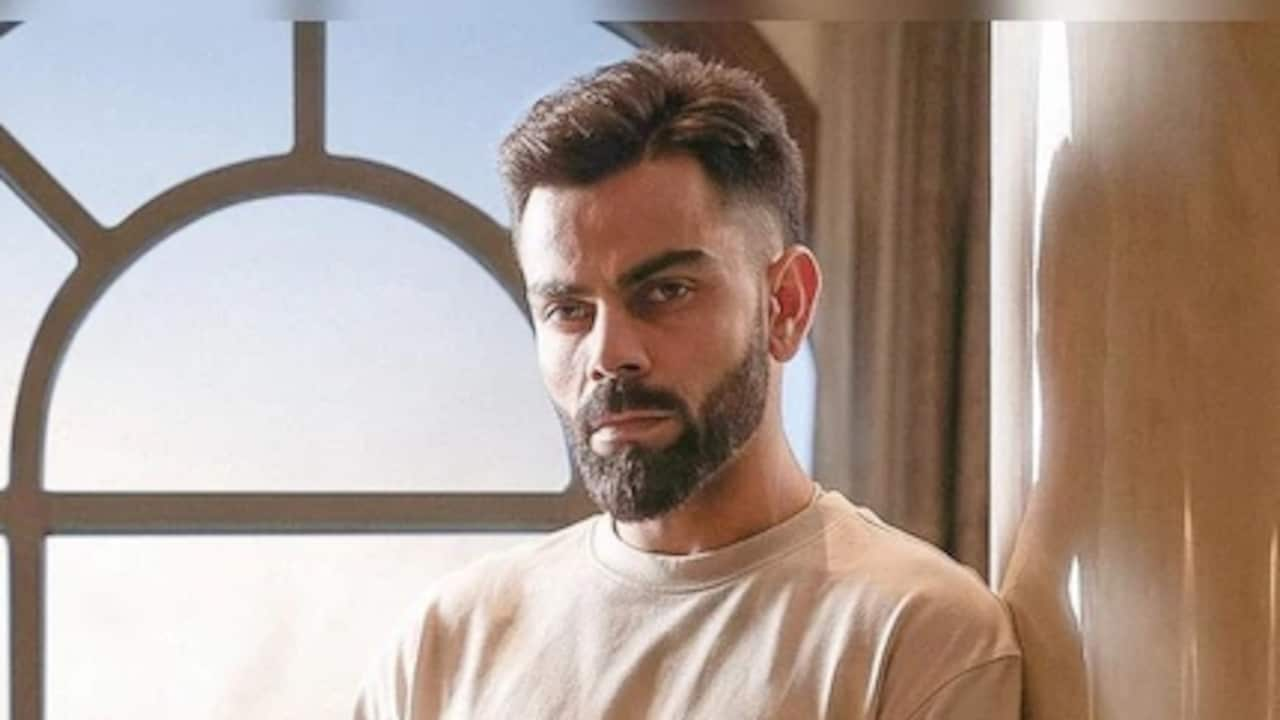
SC suggests involving Virat Kohli in a campaign for a firecracker-free Diwali as it questions the impact of annual pollution orders.
The Supreme Court has suggested involving cricketer Virat Kohli in a campaign urging people in Delhi-NCR to celebrate Diwali without firecrackers, as it questioned whether existing measures to curb pollution were making any difference.
During a hearing on October 29, a bench of Justices MM Sundresh and Prasanna B Varale said popular sportspersons and public figures could help spread awareness about the harmful effects of firecrackers. The judges also observed that repeated court directions to control pollution had become almost an academic exercise, as violations continued despite restrictions.
Supreme Court Questions Firecracker Ban Enforcement
The bench questioned government authorities over the lack of detailed information on action taken against violations during the previous festive season. It asked whether enforcement teams had conducted inspections, seized prohibited firecrackers and initiated legal proceedings against those responsible. The court said restrictions would have little impact unless authorities ensured compliance on the ground.
It also urged officials to conduct public awareness campaigns through television, newspapers and other platforms, including initiatives to educate children about celebrating festivals responsibly. While the bench said it was not inclined to impose a complete ban, it warned that continued failures to enforce the existing rules could prompt a tougher response.
ALSO READ: Mumbai Rains: Smog Hangs Over City's Skyline, AQI Still 'Poor'; Check IMD's Forecast
Health Risks From Green Firecrackers Raised
During the hearing, the court was informed about the health risks associated with firecracker emissions, including fine particulate matter that can damage the respiratory system and affect other organs. The court's amicus curiae, Aparajita Singh, also raised concerns about products being sold as green firecrackers without a reliable way to verify their authenticity. She argued that even genuine green crackers produce pollution, although at lower levels than conventional products.
Petitioners sought a complete ban, while representatives of firecracker manufacturers argued that stricter regulation would be more effective than a blanket prohibition, which they said could encourage illegal sales.
Delhi Government Outlines Pollution Control Measures
The Delhi government told the court about planned measures to address winter pollution, including restrictions on older vehicles, changes to government office timings and the deployment of anti smog guns. However, the bench sought greater accountability and evidence showing whether existing measures had produced results.
The hearing highlights the difficulty of controlling Delhi NCR's pollution while balancing public health, festive traditions and the firecracker industry's interests. The court's emphasis on enforcement suggests that awareness campaigns alone will not be enough without effective monitoring and action against violations. Its final decision on the restrictions remains important for determining how firecracker use will be regulated.
ALSO READ: 'Super El Nino' Could Trigger 3,73,000 Deaths Worldwide, India Faces Highest Toll
Published: October 30, 2026 13:44 IST
also read
Diwali Crackers Leave Delhi Gasping As AQI Soars; How Polluted Are Mumbai, Bengaluru & Other Indian Cities?
Author: Vaishnavi MishraMumbai, Thane Choke On Diwali Pollution As Firecrackers Push AQI To Severe Levels
Author: Noor Ul HaqDelhi Pollution Alarm: AQI Hits 450, Schools Go Hybrid Up To Class 5. What Else Changes?
Edited by: NDTV Profit News
 Edited by Debanish Achom | Monday November 09, 2026 , New Delhi
The post-Diwali spike occurred despite the authorities invoking Stage III of GRAP on Friday
- Reported by Kumar Kunal | Monday November 09, 2026 , New Delhi
Sudden discontinuation of online data is not surprising for those who follow the website on Diwali evening regularly.
- Written by Vaishnavi Mishra | Monday November 09, 2026
The Commission for Air Quality Management had already invoked Stage III of the Graded Response Action Plan across Delhi-NCR on Friday.
- Reported by Reet Kaur Sahni | Monday November 09, 2026 , New Delhi
In the run-up to Diwali, the Commission for Air Quality Management (CAQM) enforced Stage 3 of the Graded Response Action Plan (GRAP) across Delhi-NCR.
- Written by Dr Navina Singh | Sunday November 08, 2026
Phthalates, found in certain plastics and personal care products, are potent endocrine disruptors, a classification that is well established and firmly supported by research.


................................ Advertisement ................................
दीवाली की चौखट पर दिल्ली में सांसों का संकट: 30 साल की स्टडी ने हरियाली को लेकर क्या बताया?
Thursday November 05, 2026अध्ययन में हरियाली की मात्रा के साथ उसके फैलाव और आपसी जुड़ाव को भी महत्वपूर्ण पाया गया. जिन इलाकों में हरियाली ज्यादा बिखरी हुई थी, वहां सतही तापमान अधिक रहा. इसके विपरीत, बड़े और आपस में जुड़े हरित क्षेत्रों में तापमान कम पाया गया.
Opinion: Why Delhi's Smog Can't Be Fixed From SpaceDavid Fickling, Bloomberg
Monday October 19, 2026The clearest sign that Delhi is on a path to cleaner air would be a decline in the amount of paddy grown nearby, and therefore the acreage liable to be burned each year.
Don't Normalise Air Purifiers As Delhi Chokes | The Reason Why
Thursday December 11, 2025More than 90 cities in the world's top 100 polluting list are in India. With every passing year, the AQI is rising, reaching 'hazardous' levels.
Blog | Well Done, Delhi. You've Turned Lung Sacrifice Into A Badge Of HonourSaikat Kumar Bose
Monday November 10, 2025Till some years back, Delhiites would ask angry questions to those in power about the capitals annual tryst with toxic air. This has changed. Those in the driving seat dont see the need to answer now.
Opinion | Why Indians Have Just Given Up On Air Pollution CrisisTanushree Ganguly
Friday December 20, 2024While some may argue that people in Delhi are now more aware of air pollution than they were a decade back, my rebuttal would be that awareness does not mean that people are concerned.




