




- Home/
- Collaborative Change: How Partnerships Elevate Women In Rural India
Collaborative Change: How Partnerships Elevate Women In Rural India
Team NDTV | Updated: February 06, 2025 16:37 IST
In a world increasingly driven by collaboration and shared values, USHA's Silai School program stands as a beacon of hope, embodying the ideals of growth, upliftment, and self-reliance. Over the past decade, this initiative has empowered more than a million women across India, translating intention into impactful action by partnering with corporations and NGOs that share its vision.
The challenge lies not just in training women but in creating a community that supports resilience and hope. How do we aggregate and amplify our collective intent and purpose into something much larger than ourselves? The answer lies in the partnerships that USHA cultivates, turning seemingly impossible goals into sustainable successes.
USHA's collaborations with corporations - like Tata Power, have proven to be life-changing. These partnerships leverage the resources, connections, and technical expertise needed to uplift women from various regions, turning aspiration into reality.
Heritage Meets Humanity: Ismail Khatri And The USHA Silai School Connection
One of the USHA representative said,
“For more than ten years, USHA has been partnering with companies working at the grassroots level across the country. These partnerships are creating opportunities for the women of rural India, transforming communities and enhancing livelihoods."
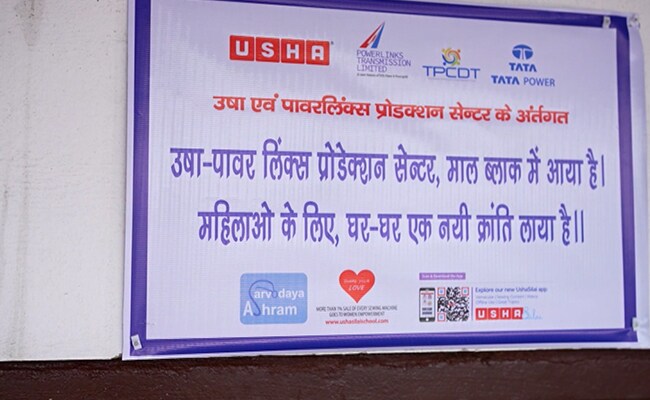
One prime example of this impact is the Training cum Production Centre established in the village of Mal, just an hour away from Lucknow. Collaborating with Tata Power since 2021, USHA has established eight such centers, directly benefiting over 300 women in states like Bihar, Himachal Pradesh, and Uttar Pradesh. These women, undeterred by the fog and cold, gather daily to work diligently on their sewing machines, focusing on skills that will change their lives forever.
USHA representative shares,
"The fog and the cold do not stop these women from getting to work on their sewing machines.They are focused on their tasks, nearing the culmination of their training.The Silai School model not only imparts sewing skills but also fosters a self-sustaining culture of learning that extends beyond the classroom.”
USHA's initiatives are further enhanced through partnerships with grassroots NGOs like Sarvodaya Ashram, which helps identify and enroll women into these transformative programs.
Urmila Srivastava, President of Sarvodaya Ashram said,
“I have been associated with USHA International for almost 10 years. All our programs are conducted jointly with them. Sarvodaya Ashram runs many developmental projects, and USHA provides us with technical assistance."
Breaking the stereotype surrounding women and machinery, Urmila emphasizes the capabilities of these trainees,
“There's this myth that women have machine phobia. But that is not the case with the women here. These women learn about the machine and handle it really well.”
The Empowering Journey Of Sanjay Vidyarthi And USHA Silai School
The personal stories of the trainees underscore the program's success.
Seema Devi, a trainee at the USHA Silai School, reflects on her journey,
"My father had a machine. He used to sew a long time ago. So, I brought that machine and started working. Once I completed the training, I started sewing well. There's been a big difference after the training.”
Renu Gupta, another trainee, echoes a similar sentiment,
“I talked to ma'am about how I can come here and learn. No job is too small, whether it is sewing or a government job. What is needed is the skill to do it.”
USHA's commitment extends beyond sewing, these training sessions include lessons on health, social issues, and navigating everyday life.
Niraj Kumar Verma, Assistant Manager at Indian Overseas Bank, highlights the financial aspect,
"We provide every kind of help from the bank. It is with the help of these groups that we know how these women are learning sewing for their development and that of their families."
From Training To Success: The Story Of Miktoksi And USHA Silai School
USHA's Silai School program demonstrates that when intent and commitment converge with the right support, a transformative path emerges for rural women. These social partnerships illuminate the vast possibilities achievable when communities come together, showcasing the immense power of collaboration for empowering women. As these women step into their newfound confidence and capabilities, a world of opportunities unfolds before them, marking the beginning of their journeys toward self-reliance.
Published: February 05, 2025 13:07 IST
also read
Odisha's WhatsApp Helpline Provides Citizens With Verified Information On COVID And Vaccination
Edited by Aishwarya UpadhyayIntrobot, WhatsApp Chatbot Helped Addressing SOS Queries Of People On Oxygen, Beds And Others
Edited by Barkha MathurFrom Monitoring COVID Patients At Home To Giving Medical Advice, Here's How Punjab Used Technology In The Fight Against COVID-19
Edited by Aastha Ahuja
 Helpline Numbers

My Gov Vaccine Locator
+91-9013151515MyGov is a citizen engagement platform founded by the Government of India

NCW Expectant Mothers’ Helpline
+91-9354954224National Commission for Women's 24×7 helpline number provides medical assistance to expectant mothers

Odisha Chatbot
+91-9337929000WhatsApp chatbot helps citizens search for a vaccine slot, get updated information on beds and oxygen availability

KMC Chatbot
+91-8335999000WhatsApp chatbot helps book vaccination appointments

DC Gurugram Helpline
+91-9643277788Dedicated WhatsApp COVID-19 helpline to provide citizens access to a central repository of all COVID-19 resources

Greater Chennai Municipal Corporation
+91-94999 33644The helpline number helps people with COVID related FAQs, availability of beds, oxygen, tests, doctor consultation

Robinhood Army
+91-8971966164Helpline for Senior citizens to easily get connected to a volunteer who can help them with the COVID-19 vaccination process

COVID Meals For India
+91-8882891316A chatbot that helps COVID patients and healthcare workers connect and order meals from volunteers

COVID Asha Bot
+91-7676522535COVID Asha chatbot provides real-time verified information on oxygen procurement, refilling, and ambulance services

X-Ray Setu
+91-8046163838A free-to-use AI-driven platform to aid doctors for early COVID interventions over WhatsApp

India Shield
+91-9082328320India Shield's helpline aims to support COVID-19 patients in need and provide authoritative information