Stitching Possibilities, Unstitching Barriers: Usha Silai School Addressing Social Issues
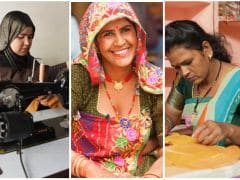
Usha Silai Schools empower Bedia women in Madhya Pradesh, child marriage survivors in Bihar, and homemakers in Puducherry - from stigma to ?10K earnings, family support, and ending cycles of poverty
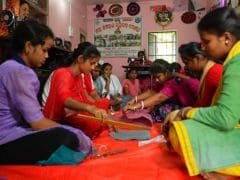
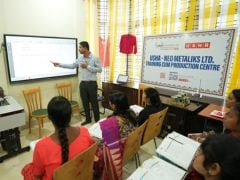
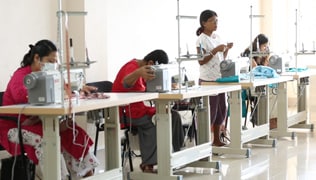
In Ashok Nagar's Parasari Subaju village, Madhya Pradesh, women from the Bedia community gather at the Usha Silai School Training Cum Production Centre, launched with the Apparel, Made-Ups & Home Furnishing Sector Skill Council. Amid machines humming and thread weaving, learners like Kalpana overcome historical stigma and exploitation, mastering stitching basics after 15 days-transforming from not knowing how to thread a needle to operating both electric and treadle machines, forging paths to dignified livelihoods and self-respect.
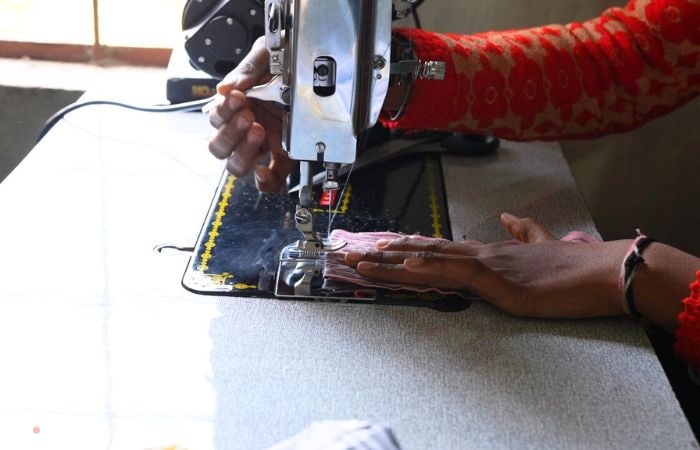
Poorvi, a Usha Silai School learner in Ashok Nagar, Madhya Pradesh, focuses intently on crafting a garment, her expression reflecting newfound belief in her potential. Breaking cycles of poverty and harmful customs in the Bedia community, she dreams of educating her children while earning through skills that provide 'izzat ki roti'-a dignified living-thanks to patient trainers and community engagement that shifts family attitudes toward women's decisions and contributions.
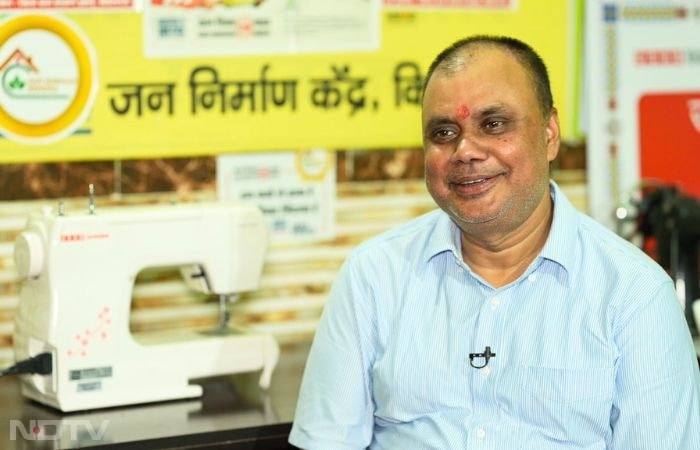
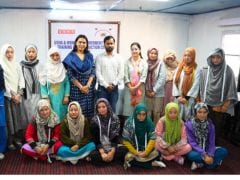
In Bihar's Kishanganj, young survivors of child marriage like Shabnam Parveen stitch salwar suits at a Usha Silai School run with Jan Nirman Kendra, funding her BA studies and computer classes with monthly earnings. Challenging patriarchal norms through the "Guru-Shishya Parampara" scheme, she and her sisters vow to expand their work, ensuring no early marriages derail futures, as counseling and market linkages turn homes into empowering classrooms.
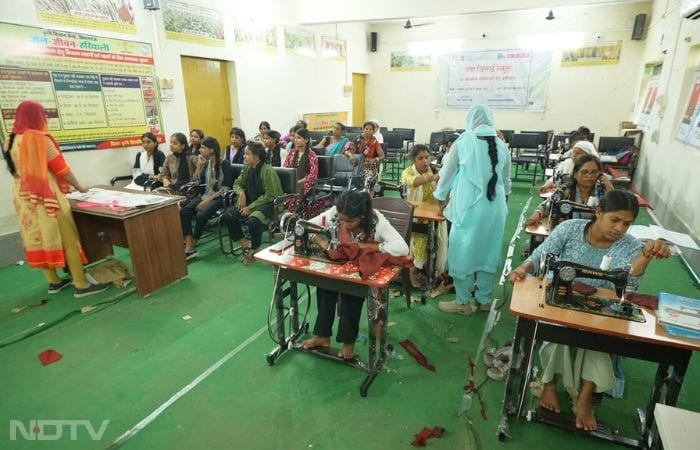
Sahista Begum and Bineeta Roy practice precise measurements and machine maintenance at a Kishanganj training session in Bihar, evolving from informal bazaar stitching to formal skills via Usha's 15-day program with Jan Nirman Kendra. Rescued from child marriages at ages like 15, they now aim to open village schools, teaching others while rebuilding lives-overcoming family struggles and societal pressures to claim agency and prevent similar fates for their daughters.
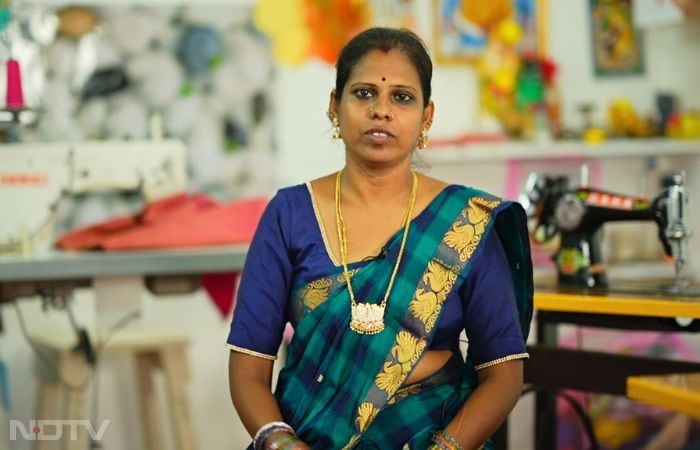
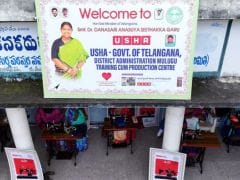
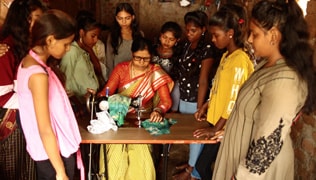
In Puducherry's Ezhil Nagar North, 40-year-old Praveenamary instructs a group of six trainees at her Basilica training centre, demonstrating Aari work and patchwork on Usha Silai machines. From homemaker to entrepreneur earning ?10,000 monthly after nine-day residential training, her upcycled saree designs and professional promotion highlight how family involvement-her husband's logistical support and community role-modeling-amplifies women's success in breaking barriers.
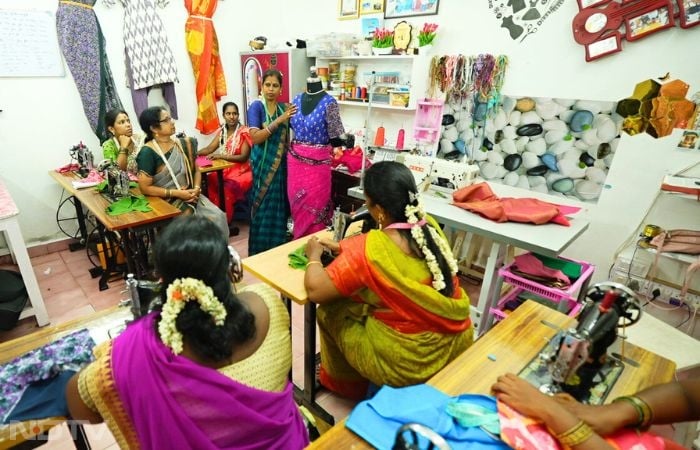
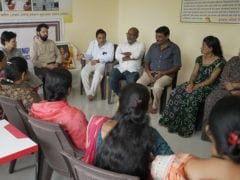
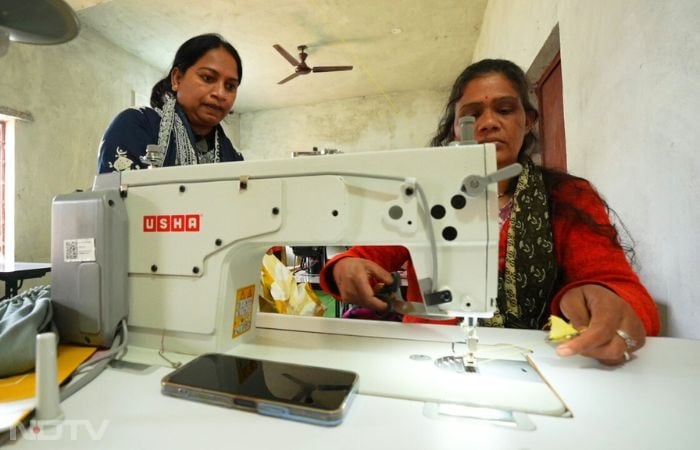
Praveenamary and trainee Savita collaborate on a blouse pattern in Puducherry's cozy Basilica centre, embodying Usha Silai School's life-skills module that builds confidence and ecosystems. Having trained 41 women, Praveenamary stands as family backbone and community inspiration, with her husband's painting and repair guidance symbolising how male support fosters autonomy-proving stitching not only creates garments but unstitches societal constraints for broader transformation.
Do you want to be a part of the huge change that Usha Silai School is bringing about in the lives of millions of rural women? With just a simple click of a button, you can now contribute towards the opening of an Usha Silai School or support various other aspects of the school.
Kushalta Ke Kadam, an initiative by USHA Silai School and NDTV has entered its eighth season. The aim is to empower more women across rural India by teaching them sewing skills and helping them open new doors of opportunities for themselves. The initiative encourages rural women to become financially independent and entrepreneurs by taking up sewing and training others in their respective communities.
Since 2011, the USHA Silai School initiative has trained more than 12 lakh rural women through over 33,000 Silai schools, spanning over 20,751 villages across India.
The women earn Rs. 4,000 – 5,000 per month on an average, with the highest recorded monthly earning being Rs. 84,000 in a month. This earning works as a catalyst towards building their self-confidence, reducing gender inequities, and raising their stature within their families and in society at large.
 Team NDTV | Monday February 16, 2026
Odisha's Suchismita Sahu, Rajasthan's Preeti Prajapat, Manipur's Akhirun—Usha Silai School's Kushalta Ke Kadam celebrates these awardees, from homemakers to master trainers earning accolades
- Team NDTV | Thursday February 12, 2026
From Ladakh peaks to Assam fringes, Usha Silai School trains tribal women in Turtuk, Kargil & Dakhinkuchi—crafting livelihoods with armed forces, NHPC & NGOs. Stitching national resilience
- Team NDTV | Thursday January 29, 2026
From West Bengal's transgender tailors to Telangana's tribal seamstresses and Meghalaya's embroidery revivalists, Usha Silai School's Kushalta Ke Kadam partners with NIRDPR and state governments
- Team NDTV | Tuesday February 03, 2026
In Odisha's mining heartlands, Mahanadi Coalfields Limited teams with Usha Silai School's Kushalta Ke Kadam and Gram Utthan, empowering tribal women turning them into entrepreneurs
- Written by Team NDTV | Friday January 02, 2026
Usha Silai Schools give second chances to women like Srinagar's Marifat, who rebuilt after widowhood; Madhya Pradesh's Jyoti, escaping abuse to run her own center; and Rajasthan's Vimla, rising from child marriage to tailor and teacher. Through nine-day training, they gain sewing skills, confidence, and income proving one stitch mends lives and inspires communities.
- Team NDTV | Friday December 26, 2025
A new wave of corporate-community partnerships is equipping rural women with skills, income and confidence