Kushalta ke Kadam: Aiming for Independence Through Stitching
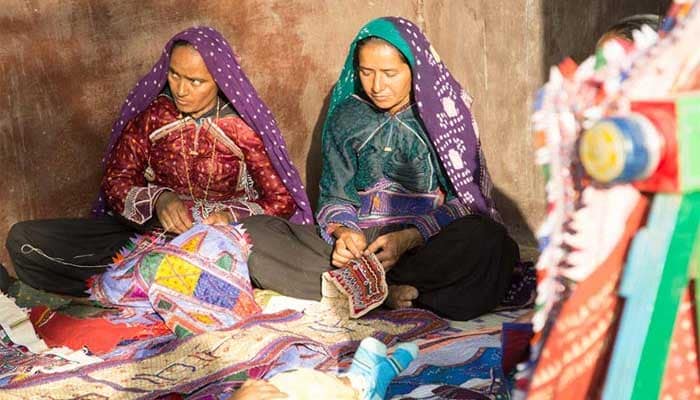
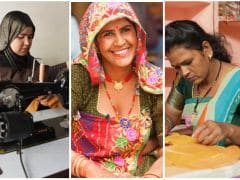
Rebari girls grow up learning traditional embroidery, which along with their new found sewing skills developed at Usha Silai Schools, is helping them earn a living.
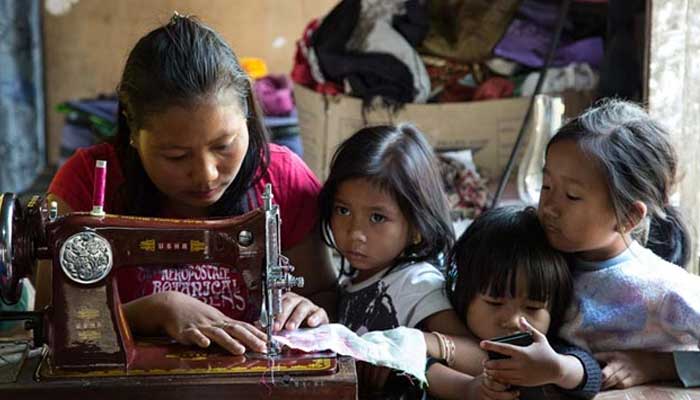
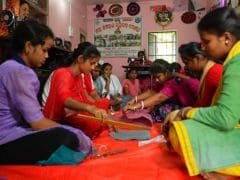
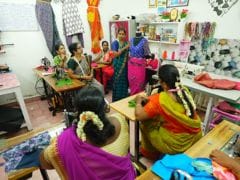
Usha Silai School has empowered many rural women to support their family and send their children to school.
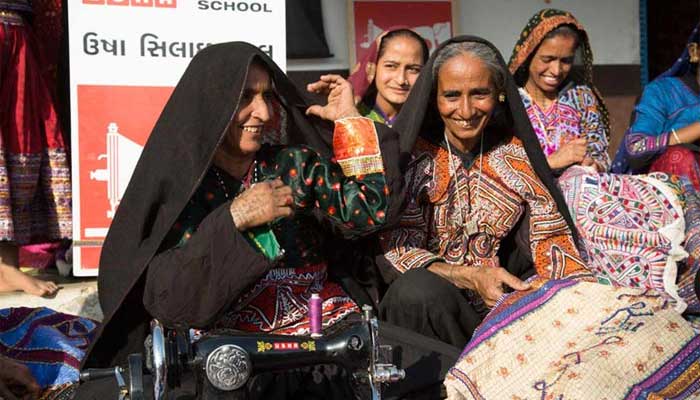
The Usha Silai School, established in a small nondescript village that goes by the name of Kottai, is helping empower people from varied communities.
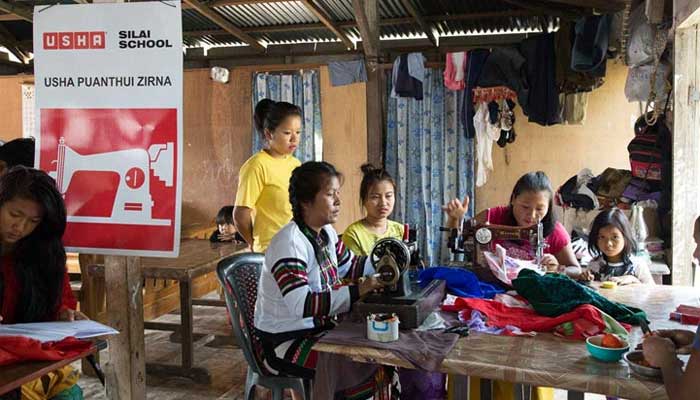
The all-inclusive Usha Silai School Programme covers the entire nation from hamlets tucked between hills to villages cast by the sea.
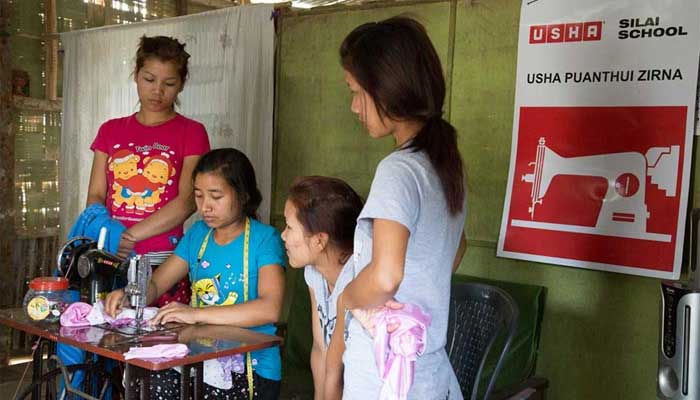
Vegetables farmers from the Mizoram hills earn very little given the topography of the area. Usha Silai Schools have played an important part in this region by skilling women to financially contribute towards their households.
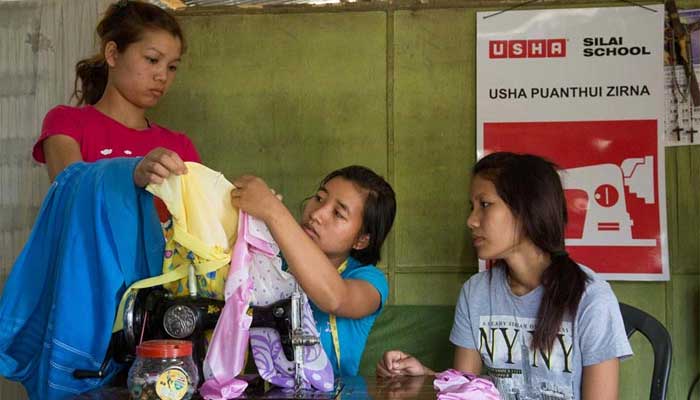
Usha Silai School learner Lucy has trained seven other women in her community, helping them to become financially independent.
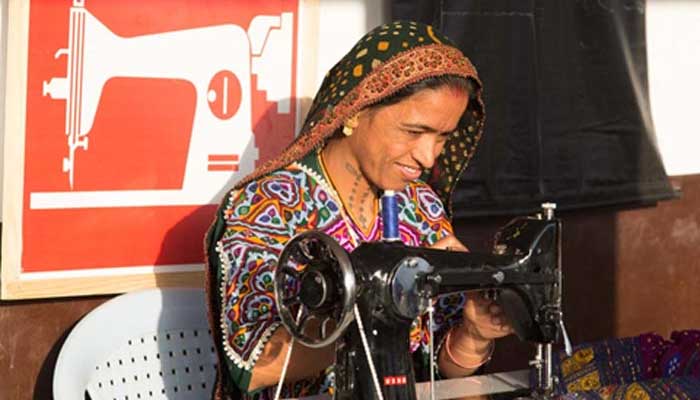
Women like Kaviben from the nomadic Rebari community are finally laying down their roots as they begin to gain financial independence and thereby stability through Usha Silai School.
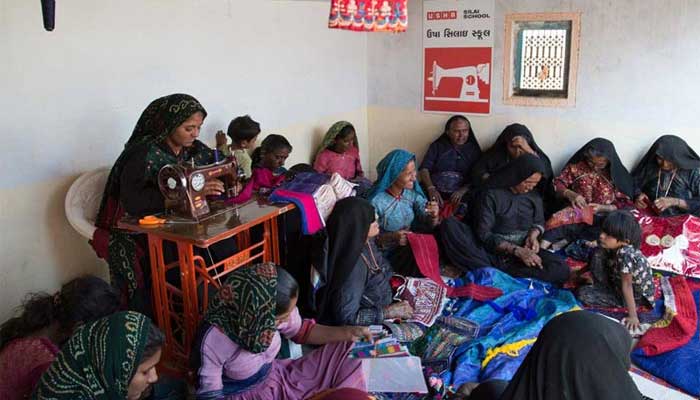
Usha Silai School, located in the Gujarat's Bhuj village, is enabling rural women to earn as much as Rs. 2,500-4,000 each month.
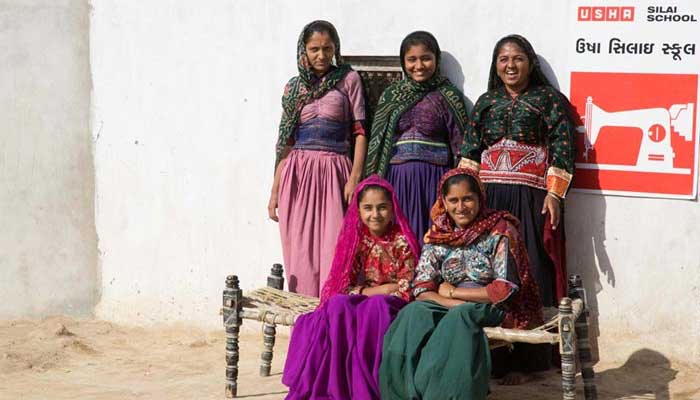
Usha Silai School, in association with a Gujarat based NGO called Kala Raksha, is trying to bring about a Silai revolution in Bhuj.
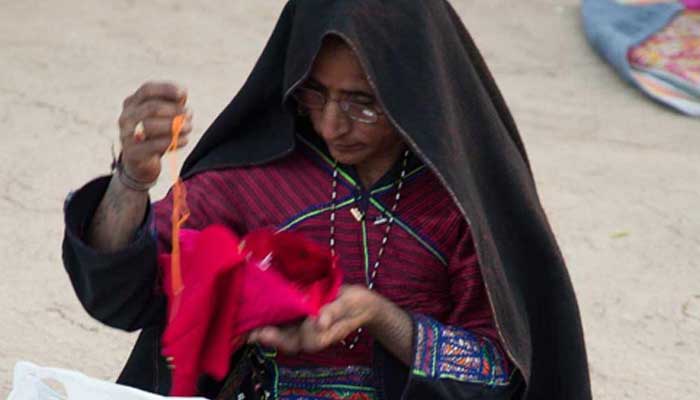
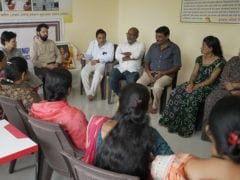
Besides training other women from their community, many Usha Silai School learners have become entrepreneurs in their own right.
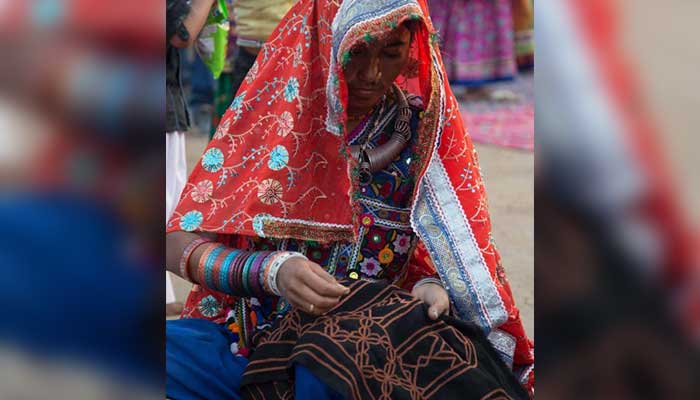
With sewing becoming easily accessible and lucrative, the silai schools are also helping revive traditional motifs and designs.
 Team NDTV | Monday February 16, 2026
Odisha's Suchismita Sahu, Rajasthan's Preeti Prajapat, Manipur's Akhirun—Usha Silai School's Kushalta Ke Kadam celebrates these awardees, from homemakers to master trainers earning accolades
- Team NDTV | Thursday February 12, 2026
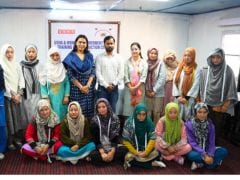
From Ladakh peaks to Assam fringes, Usha Silai School trains tribal women in Turtuk, Kargil & Dakhinkuchi—crafting livelihoods with armed forces, NHPC & NGOs. Stitching national resilience
- Team NDTV | Thursday January 29, 2026
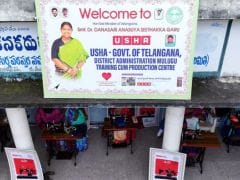
From West Bengal's transgender tailors to Telangana's tribal seamstresses and Meghalaya's embroidery revivalists, Usha Silai School's Kushalta Ke Kadam partners with NIRDPR and state governments
- Team NDTV | Tuesday February 03, 2026
In Odisha's mining heartlands, Mahanadi Coalfields Limited teams with Usha Silai School's Kushalta Ke Kadam and Gram Utthan, empowering tribal women turning them into entrepreneurs
- Team NDTV | Wednesday January 07, 2026
From Madhya Pradesh's stigma to Bihar's child marriages, Usha Silai School's NDTV-backed Kushalta Ke Kadam empowers women like Kalpana and Shabnam to stitch dignity and self-reliance
- Written by Team NDTV | Friday January 02, 2026
Usha Silai Schools give second chances to women like Srinagar's Marifat, who rebuilt after widowhood; Madhya Pradesh's Jyoti, escaping abuse to run her own center; and Rajasthan's Vimla, rising from child marriage to tailor and teacher. Through nine-day training, they gain sewing skills, confidence, and income proving one stitch mends lives and inspires communities.