


- Home/
- Post-Diwali Cough: Is It Just Pollution Irritation Or Something More Serious?
Post-Diwali Cough: Is It Just Pollution Irritation Or Something More Serious?
Written by Dr Anusha C M | Updated: November 08, 2026 19:23 IST
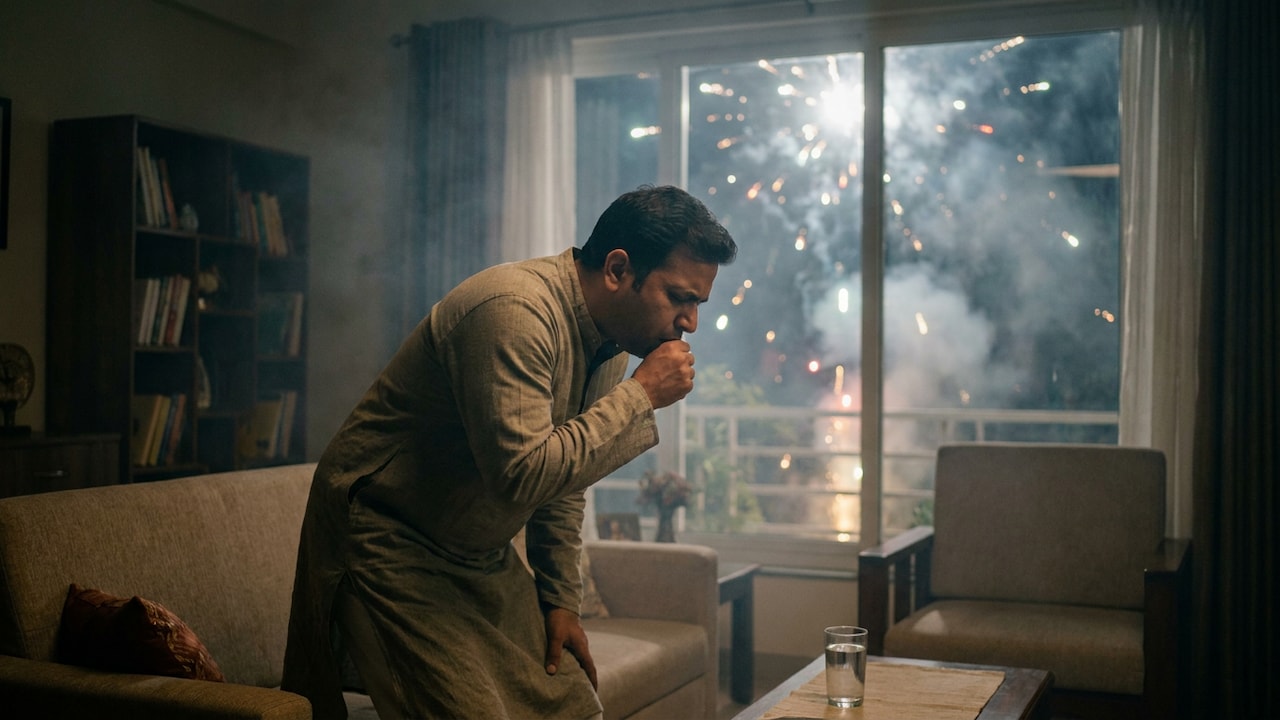
A cough that becomes deeper, continues to worsen needs closer attention
Highlights
- Post-Diwali cough usually lasts up to seven days and is often a mild smoke reaction
- Firecracker smoke contains pollutants that irritate and inflame the respiratory tract
- Persistent or worsening cough beyond one week may signal deeper airway inflammation
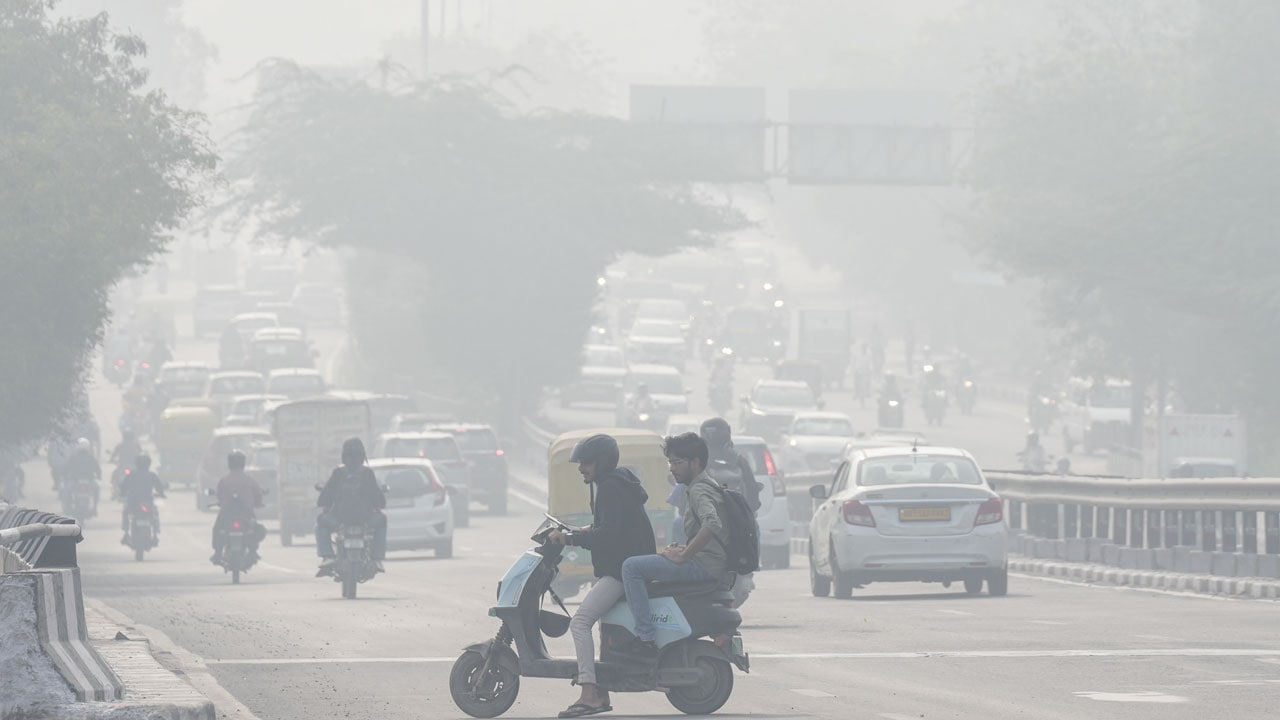
The celebrations may be over, but for many people, the effects of Diwali can linger in the form of a persistent cough, throat irritation or breathing discomfort. Exposure to firecracker smoke can trigger respiratory symptoms, particularly when air pollution levels rise sharply. In several parts of the country, particulate matter levels can exceed safe limits, with Delhi's Air Quality Index (AQI) crossing 500 during periods of severe pollution.
However, not every cough after Diwali is a cause for alarm. The important thing is to recognise whether it is a temporary reaction to smoke or an indication that the airways are becoming inflamed. The duration, intensity and nature of symptoms can help distinguish between the two.
What Happens When You Inhale Firecracker Smoke?
Firecracker smoke contains a combination of heavy metal residues, sulphur dioxide, nitrogen dioxide and fine particulate matter, including PM2.5. When inhaled, these pollutants can immediately irritate the respiratory tract and cause inflammation along its lining.
In otherwise healthy individuals, this may result in a mild dry cough, an itchy or burning sensation in the throat and slightly watery eyes. These symptoms are generally part of a surface-level inflammatory response to smoke exposure.
Such irritation usually peaks within one to two days after exposure. The symptoms should then gradually begin to subside and typically resolve within a few days to a week.
A respiratory flare-up, however, involves inflammation that extends deeper into the bronchial passages. This can lead to excessive mucus secretion and narrowing of the airways. The cough may become deeper, harsher and more disruptive, affecting everyday activities, work and sleep. It may be particularly troublesome in the early morning.
The appearance of wheezing, chest tightness, breathing difficulty or a reduced ability to tolerate physical activity can indicate that the irritation has progressed into a more significant respiratory problem.
How Long Should a Post-Diwali Cough Last?
The duration of symptoms is an important indicator. In cases of mild smoke irritation, the usual recovery period is between zero and seven days. Symptoms should progressively improve during this time.
If the cough continues to worsen after a week rather than settling, it should not be dismissed as routine pollution irritation. Symptoms that persist for one to three weeks may indicate secondary post-viral inflammation, a low-grade bronchial infection or an underlying airway hypersensitivity that has been brought to the surface by smoke exposure.
A cough that continues beyond three weeks falls into the subacute to chronic category and warrants an evaluation by a pulmonologist. The key is to pay attention to whether symptoms are improving or becoming more pronounced over time.
Why People With Asthma, COPD And Bronchitis Need To Be More Careful
People with pre-existing respiratory conditions are particularly vulnerable to the effects of firecracker smoke. This includes individuals with asthma, chronic obstructive pulmonary disease (COPD), bronchitis, bronchiectasis and post-tuberculosis airway disease.
Since their lungs and airways may already be compromised, exposure to toxic fumes can make symptoms worse and recovery more difficult.
In people with asthma, inhaling smoke and toxic gases can trigger an immediate response known as bronchospasm, in which the airways narrow. This can cause extensive wheezing and may lead to an asthma attack.
For people living with COPD or bronchitis, the concern is different. Their airways are already narrowed and affected by chronic mucus secretion. Additional exposure to smoke can increase mucus production and cause breathlessness, sometimes even during minimal physical activity.
The increased mucus can also become vulnerable to a secondary bacterial or viral infection. A change in sputum colour, particularly when it becomes yellowish or greenish, may indicate such an infection. If left untreated, the infection can progress to pneumonia.
Which Symptoms Should Not Be Ignored?
Certain warning signs call for medical attention rather than waiting for the pollution levels to improve. Persistent breathlessness during routine, low-energy activities should be evaluated by a pulmonologist.
People who use rescue inhalers should also pay attention if the medication is no longer providing adequate relief or their symptoms are not settling. Chest pain, palpitations and chest tightness are other symptoms that require medical assessment.
Blood in the sputum should never be ignored. High fever, chills or a bluish tinge to the lips may point towards an infection or low levels of oxygen in the blood. These symptoms require immediate medical attention.
For people with existing respiratory conditions, it is particularly important not to wait for symptoms to become severe before consulting a doctor.
How Can You Protect Your Lungs After Diwali?
Avoid areas where firecrackers are being burst in large numbers, particularly during the evening when exposure to smoke can be higher. If you need to step outdoors, wearing an N95 mask can help reduce exposure to fine particulate matter.
People who have been prescribed inhalers should continue using them as advised by their doctor. Stopping prescribed inhalers during this period can leave existing respiratory conditions inadequately managed. Those who have not taken their recommended vaccinations should discuss them with their doctor.
A mild cough or throat irritation after Diwali may settle within a week. But a cough that becomes deeper, continues to worsen or is accompanied by wheezing and breathlessness needs closer attention. For people with asthma, COPD, bronchitis and other underlying airway conditions, recognising these changes early is especially important.
(By Dr Anusha C M, Consultant- Respiratory Medicine, Manipal Hospital Malleswaram)
Disclaimer: The opinions expressed within this article are the personal opinions of the author. NDTV is not responsible for the accuracy, completeness, suitability, or validity of any information on this article. All information is provided on an as-is basis. The information, facts or opinions appearing in the article do not reflect the views of NDTV and NDTV does not assume any responsibility or liability for the same.
Published: November 08, 2026 11:03 IST
also read
Can Pollution Affect Your Fertility Test Results? What The Evidence Actually Tells Us
Written by Dr Navina SinghEye Irritation From Air Pollution: Symptoms And When To See A Doctor
Written by Dr Shibal BhartiyaEven Healthy People Are Falling Sick: Former AIIMS Director Warns Of Rising Health Risks As Delhi's Toxic Air Worsens Ahead Of Diwali
Written by Sneha Mordani
 Reported by Reet Kaur Sahni | Monday November 09, 2026 , New Delhi
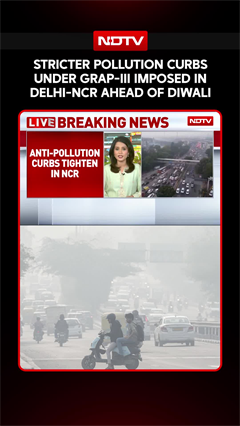
In the run-up to Diwali, the Commission for Air Quality Management (CAQM) enforced Stage 3 of the Graded Response Action Plan (GRAP) across Delhi-NCR.
- Written by Dr Navina Singh | Sunday November 08, 2026
Phthalates, found in certain plastics and personal care products, are potent endocrine disruptors, a classification that is well established and firmly supported by research.
- Written by Noor Ul Haq | Sunday November 08, 2026
Mumbai and Thane recorded severe air quality readings on Diwali night, with AQI at 278 and 298, respectively, as firecracker emissions added to the city's pollution burden.
- Sunday November 08, 2026
The air quality is forecast to turn 'severe' on Monday following Diwali celebrations, combined with vehicular emissions, as well as the peak stubble-burning season.
- Written by Dr Shibal Bhartiya | Sunday November 08, 2026
A little irritation on a smoggy day is common and usually manageable. If something feels more than uncomfortable, or if vision is affected, get it examined rather than waiting for the air to clear.


................................ Advertisement ................................
दीवाली की चौखट पर दिल्ली में सांसों का संकट: 30 साल की स्टडी ने हरियाली को लेकर क्या बताया?
Thursday November 05, 2026अध्ययन में हरियाली की मात्रा के साथ उसके फैलाव और आपसी जुड़ाव को भी महत्वपूर्ण पाया गया. जिन इलाकों में हरियाली ज्यादा बिखरी हुई थी, वहां सतही तापमान अधिक रहा. इसके विपरीत, बड़े और आपस में जुड़े हरित क्षेत्रों में तापमान कम पाया गया.
Opinion: Why Delhi's Smog Can't Be Fixed From SpaceDavid Fickling, Bloomberg
Monday October 19, 2026The clearest sign that Delhi is on a path to cleaner air would be a decline in the amount of paddy grown nearby, and therefore the acreage liable to be burned each year.
Don't Normalise Air Purifiers As Delhi Chokes | The Reason Why
Thursday December 11, 2025More than 90 cities in the world's top 100 polluting list are in India. With every passing year, the AQI is rising, reaching 'hazardous' levels.
Blog | Well Done, Delhi. You've Turned Lung Sacrifice Into A Badge Of HonourSaikat Kumar Bose
Monday November 10, 2025Till some years back, Delhiites would ask angry questions to those in power about the capitals annual tryst with toxic air. This has changed. Those in the driving seat dont see the need to answer now.
Opinion | Why Indians Have Just Given Up On Air Pollution CrisisTanushree Ganguly
Friday December 20, 2024While some may argue that people in Delhi are now more aware of air pollution than they were a decade back, my rebuttal would be that awareness does not mean that people are concerned.




