


- Home/
- Volcanic Ash From Ethiopia Drifts Toward Delhi: Will It Affect Air Quality?
Volcanic Ash From Ethiopia Drifts Toward Delhi: Will It Affect Air Quality?
| Updated: November 25, 2025 09:33 IST
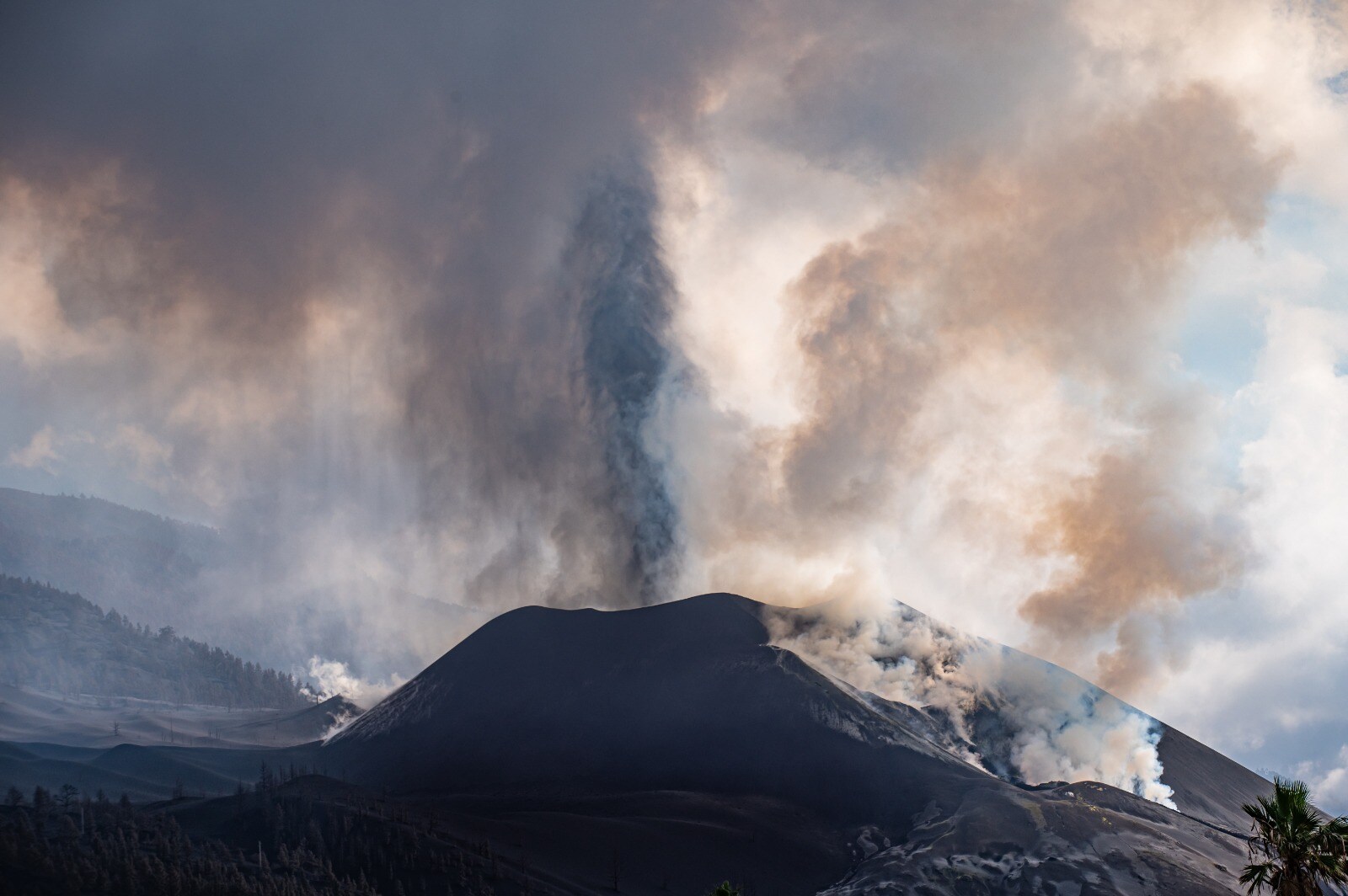
An ash plume from Ethiopia’s Hayli Gubbi eruption has reached Delhi-NCR and other states. (Photo Source: Representative/Envato)
A plume of volcanic ash from an eruption in Ethiopia drifted over Delhi around 11 p.m. on Monday, Nov. 24, forming a thin and hazy layer across several parts of the national capital. The ash originated from the Hayli Gubbi volcano, which erupted on Sunday, Nov. 23, for the first time in nearly 12,000 years. Over the past day, the plume travelled at altitudes above 10 km, crossing the Red Sea and the Middle East before reaching northwest India.
According to reports, it passed over Rajasthan at about 6.30 p.m. on Nov. 24 and moved across Gujarat, Maharashtra, Delhi-NCR and Punjab later in the night.
Air Quality Impact Expected To Be Minimal
According to the India Meteorological Department (IMD), the ash cloud did reach Delhi, but was too high to impact pollution levels. The IMD said the altitude, above 10 km, meant that air in an already pollution-strained city would "not be significantly affected." The impact on Indian cities was likely to last only a few hours as the plume continued moving eastwards, according to a Hindustan Times report.
IMD Director General Mrutyunjay Mohapatra said the main visible outcome would be hazy skies and a slight increase in temperature. "It began to affect Gujarat and Rajasthan from Monday evening and is likely to affect parts of Delhi-NCR by late Monday night or in the early hours of Tuesday," HT quoted Mohapatra as saying.
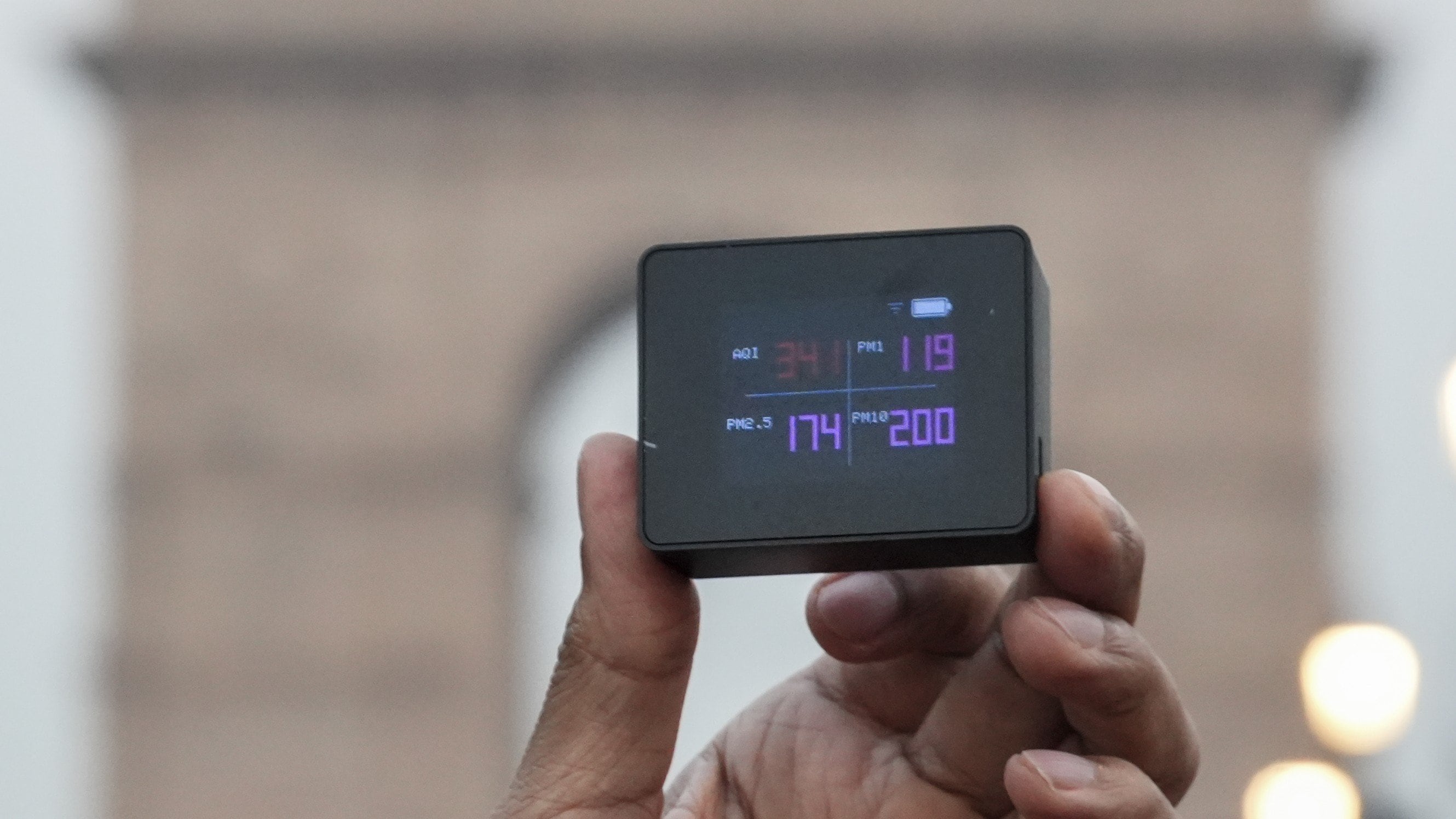
Meanwhile, air quality in Delhi plunged to the 'very poor' category with the AQI reaching 362 at 8 a.m. on Tuesday, according to the Central Pollution Control Board's (CPCB) data.
Will It Affect Flight Operations?
The windborne volcanic ash reportedly affected visibility and briefly disrupted flight operations in parts of northwest India. IndiGo, Akasa Air and Air India issued travel advisories as conditions evolved.
Following the recent eruption of the #HayliGubbi volcano in #Ethiopia, ash clouds are reported to be drifting towards parts of western India. We understand that such news may cause concern, and we want to reassure you that your safety remains our highest priority.
— IndiGo (@IndiGo6E) November 24, 2025
Our teams are…
#TravelUpdate We are closely monitoring the volcanic activity in Ethiopia and its potential impact on flight operations in nearby regions. Our teams will continue to assess the situation in compliance with international aviation advisories and safety protocols and take necessary…
— Akasa Air (@AkasaAir) November 24, 2025
#TravelAdvisory
— Air India (@airindia) November 24, 2025
Following the volcanic eruption in Ethiopia, ash clouds have been observed over certain geographical regions. We are closely monitoring the situation and remain in constant touch with our operating crew. There is no major impact on Air India flights at this time.…
The Directorate General of Civil Aviation (DGCA) on Monday also issued an advisory asking airlines and airports to remain prepared for possible disruptions in flight operations due to the ash plumes. Airports expected to come in contact with the ash were instructed to check runways for contamination and suspend operations if necessary.
Rare Eruption
Hayli Gubbi, which rose nearly 500 metres during the eruption, lies in Ethiopia's Rift Valley, a highly active geological zone positioned on the boundary of two shifting tectonic plates. The volcano is just 15 km from Erta Ale, one of the world's most active volcanoes with a long-lasting lava lake. Situated in the Danakil Depression, which is one of the hottest and most inaccessible places on Earth, Hayli Gubbi has limited scientific documentation, making the sudden eruption highly unusual. The region is sparsely populated and difficult to access.
Satellite imagery has revealed massive ash clouds and high levels of sulphur dioxide, indicating the scale of the activity.
IMD Forecast For Delhi
As per the IMD forecast at 8.40 p.m. on Nov. 24, minimum temperatures in Delhi would remain below normal for the next three days. The weather agency has predicted shallow to moderate fog conditions in morning hours in parts of Delhi between Nov. 25 and 28.
Published: November 25, 2025 09:33 IST
also read
Diwali Crackers Leave Delhi Gasping As AQI Soars; How Polluted Are Mumbai, Bengaluru & Other Indian Cities?
Author: Vaishnavi MishraMumbai, Thane Choke On Diwali Pollution As Firecrackers Push AQI To Severe Levels
Author: Noor Ul HaqDelhi Pollution Alarm: AQI Hits 450, Schools Go Hybrid Up To Class 5. What Else Changes?
Edited by: NDTV Profit News
 Written by Varsha Vats | Monday November 09, 2026
Children (whose lungs are still developing), the elderly, pregnant individuals, and those with pre-existing heart or lung diseases are at the greatest risk for acute complications.
- Edited by Debanish Achom | Monday November 09, 2026 , New Delhi
The war of words comes as a thick layer of smoke covers Delhi-National Capital Region (NCR) after Diwali celebrations, reducing visibility and taking air pollution into the 'severe' category at several locations
- AFP | Monday November 09, 2026 , India
Toxic air in parts of India's capital New Delhi soared to more than 58 times the World Health Organization's recommended daily limit Monday.
- Edited by Debanish Achom | Monday November 09, 2026 , New Delhi
Real-time figures from the CPCB's Sameer mobile application and station-level monitoring indicated widespread pockets of extreme toxicity across the national capital
- Reported by Kumar Kunal | Monday November 09, 2026 , New Delhi
Sudden discontinuation of online data is not surprising for those who follow the website on Diwali evening regularly.


................................ Advertisement ................................



दीवाली की चौखट पर दिल्ली में सांसों का संकट: 30 साल की स्टडी ने हरियाली को लेकर क्या बताया?
Thursday November 05, 2026अध्ययन में हरियाली की मात्रा के साथ उसके फैलाव और आपसी जुड़ाव को भी महत्वपूर्ण पाया गया. जिन इलाकों में हरियाली ज्यादा बिखरी हुई थी, वहां सतही तापमान अधिक रहा. इसके विपरीत, बड़े और आपस में जुड़े हरित क्षेत्रों में तापमान कम पाया गया.
Opinion: Why Delhi's Smog Can't Be Fixed From SpaceDavid Fickling, Bloomberg
Monday October 19, 2026The clearest sign that Delhi is on a path to cleaner air would be a decline in the amount of paddy grown nearby, and therefore the acreage liable to be burned each year.
Don't Normalise Air Purifiers As Delhi Chokes | The Reason Why
Thursday December 11, 2025More than 90 cities in the world's top 100 polluting list are in India. With every passing year, the AQI is rising, reaching 'hazardous' levels.
Blog | Well Done, Delhi. You've Turned Lung Sacrifice Into A Badge Of HonourSaikat Kumar Bose
Monday November 10, 2025Till some years back, Delhiites would ask angry questions to those in power about the capitals annual tryst with toxic air. This has changed. Those in the driving seat dont see the need to answer now.
Opinion | Why Indians Have Just Given Up On Air Pollution CrisisTanushree Ganguly
Friday December 20, 2024While some may argue that people in Delhi are now more aware of air pollution than they were a decade back, my rebuttal would be that awareness does not mean that people are concerned.



Comments
