


- Home/
- High AQI In Delhi: Things You Must Consider Before Going Out
High AQI In Delhi: Things You Must Consider Before Going Out
Written by Varsha Vats | Updated: November 09, 2026 12:14 IST
Monitor for any symptoms such as shortness of breath
Highlights
- Air Quality Index rose to 483, marking severe air pollution after Diwali celebrations
- PM2.5 particles penetrate lungs deeply, causing respiratory and cardiovascular risks
- Use N95 or N99 masks, avoid cloth or surgical masks for effective PM2.5 filtration
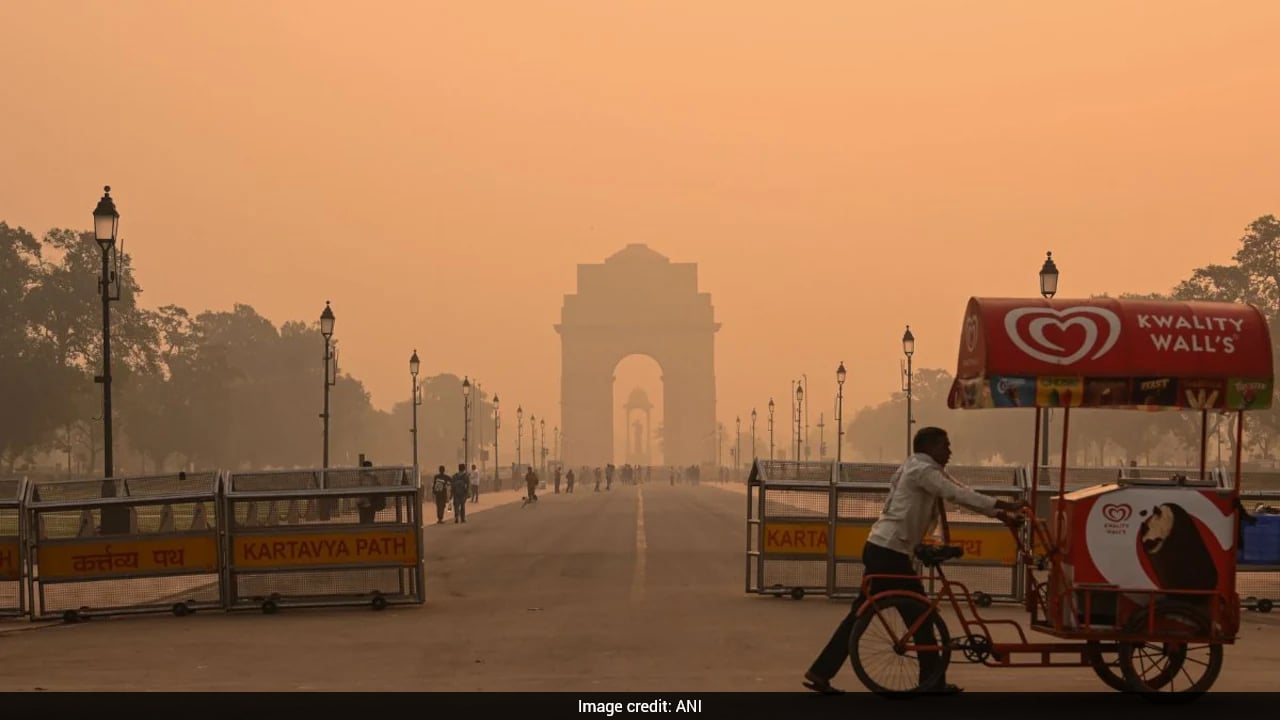
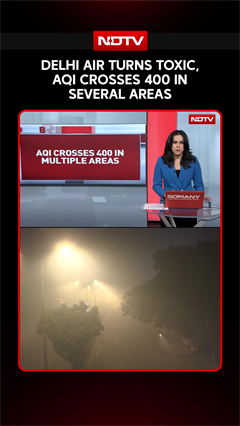
Air pollution usually peaks with the onset of the winter season. Shortly after the Diwali celebrations, the Air Quality Index (AQI) rose to 483 at 8:10 AM, according to official data. An AQI above 400 falls into the severe category, posing immediate risks to respiratory and cardiovascular health. Even brief exposure to high pollution levels can have both immediate and long-term effects on the body. PM2.5 particles are so tiny that they bypass the nasal filtration system, lodging deeply in the lungs and entering the bloodstream.
High AQI levels trigger immediate symptoms such as coughing, wheezing, throat irritation, and shortness of breath. These conditions can severely exacerbate underlying issues like asthma and Chronic Obstructive Pulmonary Disease (COPD). Additionally, toxins entering the bloodstream can cause oxidative stress and systemic inflammation.
What to consider before stepping out today
While pollution levels are high, going outside may be unavoidable during the festive season. Children (whose lungs are still developing), the elderly, pregnant individuals, and those with pre-existing heart or lung diseases are at the greatest risk for acute complications.
1. Check real-time AQI levels
Before going out, check the Air Quality Index (AQI) in your area. Use platforms such as the Central Pollution Control Board (CPCB) or reliable air quality monitoring apps.
2. Wear the right mask
Cloth masks and standard surgical masks do not filter out PM2.5 particles. Use a well-fitted N95, N99, or FFP2 respirator to effectively block fine particulates. Ensure that the mask fits snugly around your face to prevent any unfiltered air from entering.
READ | Smog, Dust And Dry Winter Air Can Trigger Sinus Discomfort: What A Doctor Recommends
3. Time your outings
Limit outdoor activities during early morning and late evening hours when temperature inversions are more common, and pollutants tend to concentrate. If you need to go outside, aim for the mid-afternoon when pollution levels may be slightly lower. Wind and rain can temporarily improve air quality, so consider these factors when planning activities.
4. Minimise outdoor activities
Reduce strenuous activities, especially outdoors, as they can increase the intake of polluted air.
5. Use air-purifying devices indoors
If possible, use HEPA air purifiers in your home to reduce indoor pollution levels. Make sure to maintain and regularly change filters in your air-purifying devices for optimal performance.
READ | Eye Irritation From Air Pollution: Symptoms And When To See A Doctor
6. Maintain good indoor air quality
On days with poor air quality, keep doors and windows closed to prevent outdoor pollutants from entering your home. Limit activities that can create indoor air pollution, such as smoking, burning candles, or using certain cleaners and sprays.
7. Stay hydrated and support your natural defences
Staying hydrated helps your body manage and flush out toxins. Prioritise foods rich in antioxidants that can support your respiratory health. Consider incorporating fruits and vegetables like berries, oranges, and leafy greens into your diet.
Know when to seek help
Monitor for any symptoms such as shortness of breath, coughing, or irritation of the eyes and throat. If symptoms persist or worsen, seek medical attention promptly.
During high pollution levels, it is best to avoid outdoor activities whenever possible.
\r\n
\r\n
Disclaimer: This content including advice provides generic information only. It is in no way a substitute for a qualified medical opinion. Always consult a specialist or your own doctor for more information. NDTV does not claim responsibility for this information.
Published: November 09, 2026 12:04 IST
also read
Toxic Air Levels In New Delhi Surge Post Diwali Fireworks Exceeding WHO Limits
AFPCan Pollution Affect Your Fertility Test Results? What The Evidence Actually Tells Us
Written by Dr Navina SinghSmog, Dust And Dry Winter Air Can Trigger Sinus Discomfort: What A Doctor Recommends
Written by Dr Ravinder Gera
 Written by Varsha Vats | Monday November 09, 2026
Children (whose lungs are still developing), the elderly, pregnant individuals, and those with pre-existing heart or lung diseases are at the greatest risk for acute complications.
- Edited by Debanish Achom | Monday November 09, 2026 , New Delhi
The war of words comes as a thick layer of smoke covers Delhi-National Capital Region (NCR) after Diwali celebrations, reducing visibility and taking air pollution into the 'severe' category at several locations
- AFP | Monday November 09, 2026 , India
Toxic air in parts of India's capital New Delhi soared to more than 58 times the World Health Organization's recommended daily limit Monday.
- Edited by Debanish Achom | Monday November 09, 2026 , New Delhi
Real-time figures from the CPCB's Sameer mobile application and station-level monitoring indicated widespread pockets of extreme toxicity across the national capital
- Reported by Kumar Kunal | Monday November 09, 2026 , New Delhi
Sudden discontinuation of online data is not surprising for those who follow the website on Diwali evening regularly.


................................ Advertisement ................................



दीवाली की चौखट पर दिल्ली में सांसों का संकट: 30 साल की स्टडी ने हरियाली को लेकर क्या बताया?
Thursday November 05, 2026अध्ययन में हरियाली की मात्रा के साथ उसके फैलाव और आपसी जुड़ाव को भी महत्वपूर्ण पाया गया. जिन इलाकों में हरियाली ज्यादा बिखरी हुई थी, वहां सतही तापमान अधिक रहा. इसके विपरीत, बड़े और आपस में जुड़े हरित क्षेत्रों में तापमान कम पाया गया.
Opinion: Why Delhi's Smog Can't Be Fixed From SpaceDavid Fickling, Bloomberg
Monday October 19, 2026The clearest sign that Delhi is on a path to cleaner air would be a decline in the amount of paddy grown nearby, and therefore the acreage liable to be burned each year.
Don't Normalise Air Purifiers As Delhi Chokes | The Reason Why
Thursday December 11, 2025More than 90 cities in the world's top 100 polluting list are in India. With every passing year, the AQI is rising, reaching 'hazardous' levels.
Blog | Well Done, Delhi. You've Turned Lung Sacrifice Into A Badge Of HonourSaikat Kumar Bose
Monday November 10, 2025Till some years back, Delhiites would ask angry questions to those in power about the capitals annual tryst with toxic air. This has changed. Those in the driving seat dont see the need to answer now.
Opinion | Why Indians Have Just Given Up On Air Pollution CrisisTanushree Ganguly
Friday December 20, 2024While some may argue that people in Delhi are now more aware of air pollution than they were a decade back, my rebuttal would be that awareness does not mean that people are concerned.




