


- Home/
- Volcanic Ash In Delhi's Air: Health Risks Of Ethiopian Hayli Gubbi Volcano Eruption Explained
Volcanic Ash In Delhi's Air: Health Risks Of Ethiopian Hayli Gubbi Volcano Eruption Explained
NDTV Health Desk | Updated: November 26, 2025 13:08 IST
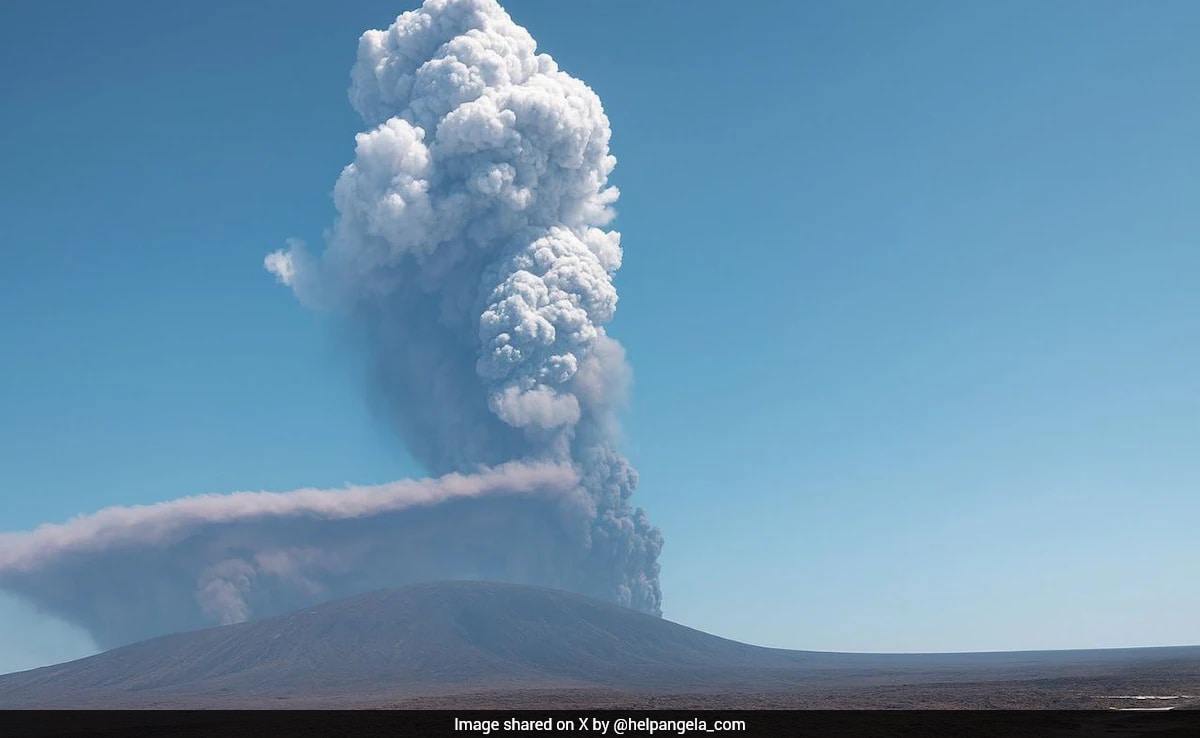
Volcanic ash consists of fine particles that can penetrate deep into the lungs
Delhi NCR is already grappling with one of its worst air-quality crises, and now a new threat looms. Volcanic ash from Ethiopia's Hayli Gubbi volcano has started drifting into Indian skies. According to NDTV, ash clouds from the rare volcanic eruption have reached Delhi, raising concerns about health risks in a region where breathing clean air is already a challenge. Volcanic ash is not like ordinary dust. It's made of pulverised rock and glass, often coated with acidic compounds and mixed with gases like sulphur dioxide. Experts warn that inhaling fine ash or vog (volcanic smog) can irritate the lungs, worsen asthma or bronchitis, and trigger other breathing problems.
In Delhi, where the Air Quality Index (AQI) is frequently in the "very poor" or "severe" range, even small additional particulate stresses can cause significant harm. As the ash plume passes, understanding the health impact and knowing the right precautions could make a real difference. Here's a detailed look at the risks and protective steps you should take.
The Health Impact Of Volcanic Ash: What Science Says
Given the fact that volcanic smog is generated every time a volcano erupts anywhere in the world, global bodies like the World Health Organization (WHO) and the US Centers For Disease Control and Prevention (CDC) and researchers have historically made a point of studying the health impacts of vog. Here are some such health impacts you should take note of.
1. Respiratory Risks: Who's Most Vulnerable
Volcanic ash consists of fine particles that can penetrate deep into the lungs. According to the US Geological Survey Impacts & Mitigation, inhaling fine ash may lead to:
- Irritation of the nose, throat and upper airways
- Dry cough, sore throat or chest discomfort
- Bronchitis-like symptoms or wheezing in people with asthma or chronic bronchitis
Even healthy individuals may feel shortness of breath or discomfort after high exposure. But for those with pre-existing lung conditions, the effects can be more severe.
"Volcanic ash is not just smoke; it's a mixture of extremely fine particles of rock, minerals, and acidic gases. These particles are often smaller than 10 microns, meaning they can bypass the nose's natural filtering system and reach deep into the lungs. Volcanic ash can behave like PM2.5 pollution. It can cause bronchospasm, lower oxygen levels, and lead to acute exacerbations in vulnerable individuals," says Dr Rajesh Kumar Gupta, Director, Institute of Respiratory Medicine and Interventional Pulmonology, Yashoda Medicity Indirapuram.
A detailed hazard report by the International Volcanic Health Hazard Network (IVHHN) warns that acidic coatings on ash particles can irritate airways, and in rare cases, long-term exposure to very fine ash containing crystalline silica may even contribute to chronic lung diseases like silicosis.
2. Gaseous Hazards: Sulphur Dioxide And Vog
Alongside ash, volcanic eruptions can release gases such as sulphur dioxide (SO2), hydrogen chloride or fluoride. SO2 can combine with moisture to form "vog", a toxic haze of aerosols that aggravates respiratory problems, especially in sensitive individuals.
Short-term exposure to these gases may cause:
- Eye irritation
- Dizziness
- Headache
- Breathing difficulty
- Coughing
Chronic or repeated exposure may contribute to bronchitis or long-term respiratory disorders.
3. Other Health Effects: Eyes, Skin And Mental Stress
Apart from a clear impact on respiratory system, volcanic ash can impact other vulnerable parts of the body too:
- Eye irritation: Fine ash particles can irritate the eyes, leading to redness, tearing, or a gritty sensation.
- Skin irritation: Ash that settles on skin can cause dryness and itching.
- Psychological distress: Large eruptions can trigger anxiety, fear and stress in affected populations, especially if ashfall disrupts daily life or causes uncertainty.
The Current Situation In Delhi: How Big Is the Risk?
According to NDTV, ash from the Ethiopian volcano was carried by high-altitude winds into Delhi and neighbouring states. However, meteorological experts say its direct impact on surface-level air quality in Delhi is likely to be limited, since the plume is mostly at altitudes of 25,000-45,000 feet. IMD officials quoted by Hindustan Times and other media warn that while the surface air quality change is "unclear," any major spike is unlikely.
Meanwhile, Delhi's AQI continues to remain very poor, with recent readings in the "severe" bracket, implying that residents are already exposed to high particulate pollution. In short, while the volcanic ash may not drastically worsen surface AQI, it could still pose health risks for sensitive individuals, given the city's already hazardous baseline.
Precautions For People In Delhi And Affected Regions
"The volcanic ash is a mix of toxic gases like sulphur dioxide and nitrogen dioxide. It may contain fine particles which can worsen the smog and may lead to a major health crisis. Individuals with preexisting lung, heart, kidney and liver disease should take extra precautions and immediately report any sign of disease worsening to their doctors. It's best to avoid outdoor activities and wear N95 masks whenever required," says Dr. Vikas Mittal, Director - Pulmonologist at the CK Birla Hospital, Delhi.
Given the potential for inhalation of fine particles and gases, here are expert-recommended (based on evidence from the CDC, IVHHN, Lung Association, etc) steps to reduce health risks:
- Stay Indoors If Possible:
Close windows and doors to limit ash and gas entering your home.
- Use Appropriate Masks:
A proper respirator mask (such as N95 or P100) is recommended if you must go outside. Ordinary cloth or surgical masks are less effective for fine volcanic ash.
- Clean Indoor Spaces:
Replace or clean air filters and avoid using air-conditioning units that draw outside air.
- Minimise Outdoor Activity
Avoid unnecessary exposure during ashfall or when the air is hazy.
- Wet Cleaning
If ash settles in your home, gently wet and mop surfaces instead of dry sweeping to avoid resuspension.
- Eye and Skin Care
Rinse your eyes and face with clean water if ash gets in contact.
- Have Your Medications Ready
Those with asthma or chronic lung conditions should keep inhalers or medicines accessible.
Seek Medical Help If Needed
If you develop breathing difficulties, persistent cough, eye irritation, or other symptoms, consult a healthcare provider.
Special Considerations For Sensitive Groups
Certain groups are especially vulnerable and should take extra precautions:
- Children and older adults: Higher risk of airway irritation and gas effects.
- People with respiratory or heart conditions: Asthma, COPD, bronchitis sufferers may experience exacerbations.
- Pregnant women and people with diabetes: According to lung-health guides, they may also have increased susceptibility.
Why Monitoring And Preparedness Matter
Though this particular ash cloud may not dramatically worsen Delhi's already high AQI, experts underscore that volcano-driven air pollution still requires vigilance. The ash and gases can compound existing respiratory risk in a population already overburdened by pollution. As the US CDC notes, even short-term exposure to volcanic pollutants can trigger acute symptoms in vulnerable individuals.
Preparedness and timely preventive action can mitigate health effects, especially for those who are most at risk. Staying informed, limiting exposure, and using protective equipment can significantly reduce the dangers posed by volcanic ash, even when concentrations remain moderate.
The Ethiopian Hayli Gubbi volcano's ash plume reaching Delhi NCR is a stark reminder that natural disasters far away can compound local environmental health crises. While scientists believe surface-level air quality impact may be limited due to the ash's high-altitude travel, the potential for respiratory irritation and exacerbation of chronic conditions remains real. By taking the right precautions, Delhi residents can protect themselves from this added airborne threat. In an already polluted city, even small steps can make a big difference for vulnerable lungs.
Disclaimer: This content including advice provides generic information only. It is in no way a substitute for a qualified medical opinion. Always consult a specialist or your own doctor for more information. NDTV does not claim responsibility for this information.
Published: November 25, 2025 11:48 IST
 Written by Sambhav Kumar | Friday May 29, 2026
Doctors explain that prolonged inactivity can slow blood circulation and worsen blood vessel function. It may also impair glucose and fat metabolism, increasing the risk of obesity, diabetes, and vascular problems.
- Written by Dr Pranay Sai Chandragiri | Saturday May 23, 2026
Research shows that high temperatures can worsen air pollution, increase ground-level ozone, trap harmful particles in the air, and trigger breathing emergencies. People with existing lung diseases are among the most vulnerable.
- Tuesday May 19, 2026
Pollution Curbs Under GRAP-I Imposed In Delhi-NCR In May As AQI Turns 'Poor'
- Thursday May 14, 2026 , New Delhi
The air quality was recorded in the 'moderate' category at 154. In the morning hours, the AQI stood at 134, the Central Pollution Control Board (CPCB) data showed.
- Edited by Ritu Singh | Monday May 11, 2026
A single algae tree unit is claimed to be as effective as 25 adult trees in absorbing carbon dioxide and releasing oxygen.


................................ Advertisement ................................


Blog | Well Done, Delhi. You've Turned Lung Sacrifice Into A Badge Of HonourSaikat Kumar Bose
Monday November 10, 2025Till some years back, Delhiites would ask angry questions to those in power about the capitals annual tryst with toxic air. This has changed. Those in the driving seat dont see the need to answer now.
Opinion | Why Indians Have Just Given Up On Air Pollution CrisisTanushree Ganguly
Friday December 20, 2024While some may argue that people in Delhi are now more aware of air pollution than they were a decade back, my rebuttal would be that awareness does not mean that people are concerned.
Opinion | You Must Outrage Over Filthy Air More Than Once A YearJyoti Pande Lavakare
Tuesday December 10, 2024Delhi welcomed us with monsoon rains and mangos. We were home. Fast forward a couple of years, in the winter of 2012, I found myself in denial about something other parents, mostly expats, were calling toxic air.
Opinion | Delhi's Air Pollution Situation Is Like A Bad MarriageNishtha Gautam
Friday November 22, 2024On a good day, such as today, the AQI reading in Delhi is 407. We are jubilant at the sickly sunshine trickling through the slightly dissipated smog. At least its not 1600.
दिवाली... पराली... सियासी जुगाली!Ashwini kumar
Monday November 18, 2024दिल्ली-एनसीआर में प्रदूषण का समाधान तो आज तक मिला नहीं. हर साल चिंतित होकर हम-आप सांसों की तकलीफ के साथ-साथ दिल और ब्लड प्रेशर के मरीज भी क्यों बनें?


