


- Home/
- Volcanic Ash Missed India, But Pollution Risks Haven't: Doctors Warn, Share Tips
Volcanic Ash Missed India, But Pollution Risks Haven't: Doctors Warn, Share Tips
| Updated: November 26, 2025 11:47 IST
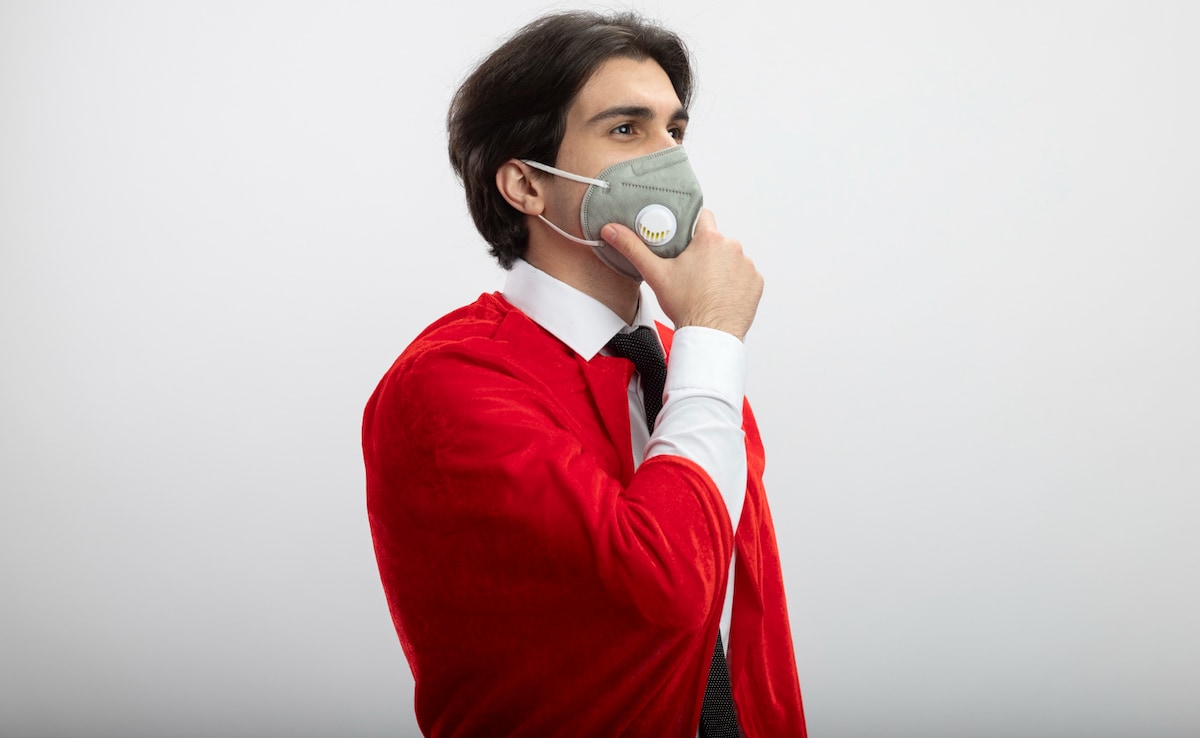
Delhi NCR's ongoing air-pollution crisis continues to endanger respiratory, skin and eye health
When news broke that volcanic ash from Ethiopia's Hayli Gubbi eruption had entered Indian airspace, especially over Delhi NCR, it sparked understandable concern in a city already battling hazardous air pollution levels. But atmospheric scientists and meteorological agencies have clarified that while the ash plume did drift at high altitudes across India, it never descended to ground-level concentrations capable of harming people directly. This distinction is crucial. Volcanic ash is not toxic smoke but a fine mixture of rock, minerals and acidic gases, often small enough to behave like PM2.5 particles. If it were present at significant concentrations near the ground, the health impact could be severe. But in India's case, the ash remained dispersed in upper air layers and did not interact with the air Delhi residents breathe.
However, doctors caution that the existing air pollution crisis in Delhi NCR is already severe enough to trigger exactly the same respiratory, skin and eye symptoms commonly associated with volcanic ash exposure. In other words, while the volcanic plume itself posed no danger, the city's air remains unhealthy, and residents must continue to take strong protective measures.
To help navigate the current air-quality situation, NDTV spoke to several Indian specialists who have shared practical, medically sound steps citizens should follow until pollution levels ease.
What Volcanic Ash Would Normally Do, And Why India Was Safe This Time
According to Dr Rajesh Kumar Gupta, Director, Institute of Respiratory Medicine and Interventional Pulmonology, Yashoda Medicity Indirapuram, volcanic ash consists of "extremely fine particles, often under 10 microns, small enough to bypass the nose's filtering system and reach deep into the lungs."
However, he emphasises that India did not experience this type of exposure. Satellite models showed the ash plume stayed at high altitudes and did not mix with Delhi's ground-level air.
This means the symptoms that people in Delhi may have experienced yesterday, like irritation, bronchial inflammation, and oxygen-level disturbances typically linked to ash, were not caused by the volcanic plume, but continue to be driven by Delhi's PM2.5 and PM10 pollution, which remain elevated.
Delhi's Existing Pollution Still Mimics The Health Risks Of Ash
Even without volcanic ash settling locally, doctors warn that Delhi's air pollution, one of the worst globally, can produce similar symptoms like:
- Irritation of upper airways
- Dry cough, throat burning and sneezing
- Chest tightness, wheezing and breathlessness
- Exacerbation of asthma, COPD and bronchitis
- Eye redness, dryness and watering
- Skin dryness and irritation
This makes precaution equally important, even though the volcanic ash itself was not the direct cause.
Doctor-Verified Protection Measures For Delhi Residents
1. Lung Protection: Steps Residents Must Continue To Follow
Dr Gupta recommends measures that are relevant not because of volcanic ash landing in India, but because Delhi's pollution alone is hazardous enough to cause respiratory flare-ups.
- Stay Indoors When Possible: Keep windows closed during high-pollution hours. Use HEPA air purifiers if available.
- Wear The Right Mask: "N95 or N99 masks are essential. Cloth or surgical masks are not effective against PM2.5-level pollution," he says.
- Avoid Early Morning Outdoor Activity: Pollution peaks in the early morning. Jogging during this time forces deeper inhalation of pollutants.
- For Asthma And COPD Patients: Continue preventer inhalers regularly, keep rescue inhalers accessible, and avoid outdoor exposure entirely during "severe" AQI periods
- Hydration Helps The Airways: Drink adequate water to keep the airway mucosa moist and reduce irritation.
- Keep Indoor Air Clean: Avoid sweeping or dry dusting, use wet mops instead to prevent particle resuspension.
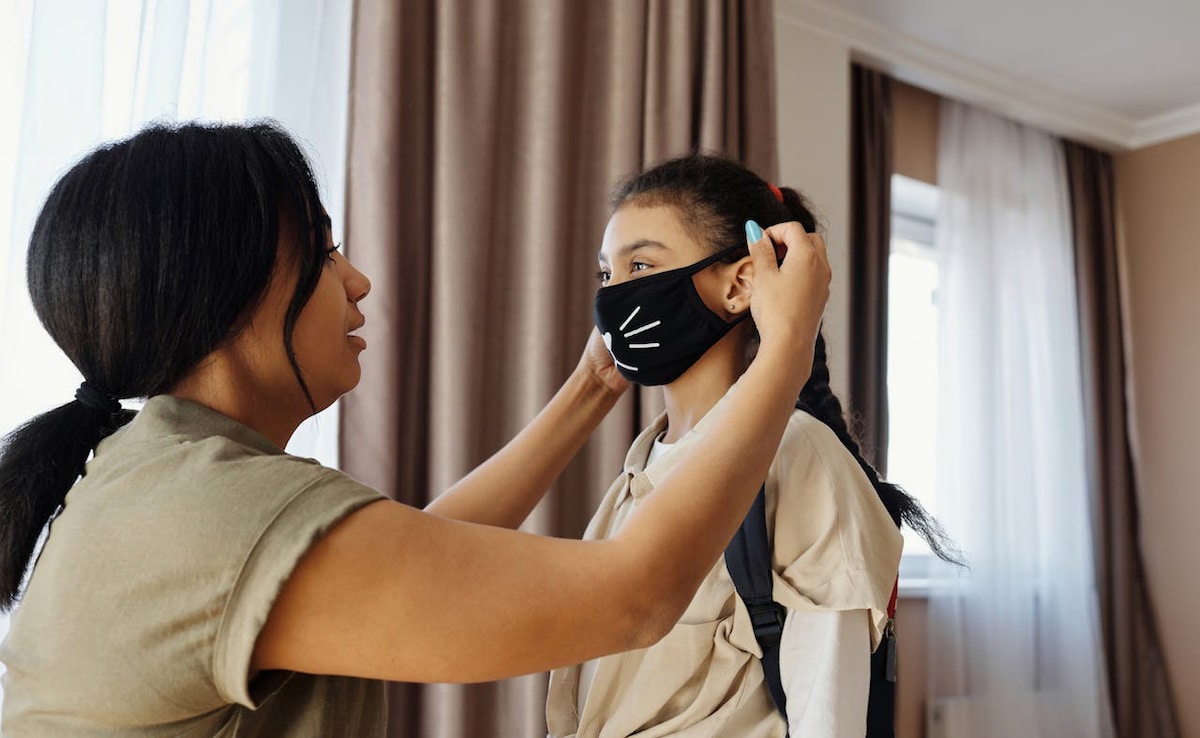
Photo Credit: Pexels
2. Respiratory Health Guidance: More Tips For Easier Breathing
Dr Manoj Kumar Goel, Principal Director & Unit Head - Pulmonology & Sleep Medicine, at Fortis Gurgaon emphasises some more steps for proper respiratory health:
- Limit outdoor exposure, especially mornings/evenings
- Maintain indoor humidity at 40-60%
- Drinking warm fluids helps soothe irritation
- Use saline nasal rinses to clear pollutants
He stresses that children, older adults, pregnant women, and those with lung or heart disease must take extra precautions.
3. Skin Protection During High Pollution: Dermatologist Shares Tips
Even though volcanic ash did not settle over India, Delhi's pollution still irritates the skin. Dr Rashmi Sharma, Senior Consultant Dermatology, Fortis Gurgaon recommends:
- Limit outdoor exposure, particularly for those with eczema or allergies
- Cleanse gently with a mild, pH-balanced cleanser after returning indoors
- Avoid scrubs, which may worsen micro-abrasions
- Moisturise frequently with ceramide or hyaluronic-acid based creams
- Use broad-spectrum SPF 30+ sunscreen
- Maintain indoor humidity at 40-60%
- Keep prescribed creams handy for flare-ups
4. Eye Protection: Care That Matters
Dr Parul Maheshwari Sharma, Principal Director & HOD - Ophthalmology, Fortis Gurgaon, highlights:
- Wear wrap-around sunglasses outdoors
- Use preservative-free lubricating drops to keep eyes moist
- Rinse eyes gently with clean water if they feel gritty
- Prefer glasses over contact lenses during high-pollution days
- Keep windows closed and use HEPA filtration indoors
Children and the elderly are particularly vulnerable, she adds.
The Ethiopian volcanic ash plume may have passed over Indian airspace, but experts confirm it never reached levels that posed any direct health threat. However, Delhi NCR's ongoing air-pollution crisis continues to endanger respiratory, skin and eye health, and the precautions recommended for volcanic ash exposure remain equally essential for everyday survival in the city's hazardous air.
Doctors unanimously emphasise staying informed through IMD and SAFAR updates, limiting outdoor activity, wearing certified masks, maintaining healthy indoor environments, and seeking prompt care if symptoms worsen.
Disclaimer: This content, including advice, provides generic information only. It is in no way a substitute for a qualified medical opinion. Always consult a specialist or your own doctor for more information. NDTV does not claim responsibility for this information.
Published: November 26, 2025 11:12 IST
 Written by Sambhav Kumar | Friday May 29, 2026
Doctors explain that prolonged inactivity can slow blood circulation and worsen blood vessel function. It may also impair glucose and fat metabolism, increasing the risk of obesity, diabetes, and vascular problems.
- Written by Dr Pranay Sai Chandragiri | Saturday May 23, 2026
Research shows that high temperatures can worsen air pollution, increase ground-level ozone, trap harmful particles in the air, and trigger breathing emergencies. People with existing lung diseases are among the most vulnerable.
- Tuesday May 19, 2026
Pollution Curbs Under GRAP-I Imposed In Delhi-NCR In May As AQI Turns 'Poor'
- Thursday May 14, 2026 , New Delhi
The air quality was recorded in the 'moderate' category at 154. In the morning hours, the AQI stood at 134, the Central Pollution Control Board (CPCB) data showed.
- Edited by Ritu Singh | Monday May 11, 2026
A single algae tree unit is claimed to be as effective as 25 adult trees in absorbing carbon dioxide and releasing oxygen.


................................ Advertisement ................................

Blog | Well Done, Delhi. You've Turned Lung Sacrifice Into A Badge Of HonourSaikat Kumar Bose
Monday November 10, 2025Till some years back, Delhiites would ask angry questions to those in power about the capitals annual tryst with toxic air. This has changed. Those in the driving seat dont see the need to answer now.
Opinion | Why Indians Have Just Given Up On Air Pollution CrisisTanushree Ganguly
Friday December 20, 2024While some may argue that people in Delhi are now more aware of air pollution than they were a decade back, my rebuttal would be that awareness does not mean that people are concerned.
Opinion | You Must Outrage Over Filthy Air More Than Once A YearJyoti Pande Lavakare
Tuesday December 10, 2024Delhi welcomed us with monsoon rains and mangos. We were home. Fast forward a couple of years, in the winter of 2012, I found myself in denial about something other parents, mostly expats, were calling toxic air.
Opinion | Delhi's Air Pollution Situation Is Like A Bad MarriageNishtha Gautam
Friday November 22, 2024On a good day, such as today, the AQI reading in Delhi is 407. We are jubilant at the sickly sunshine trickling through the slightly dissipated smog. At least its not 1600.
दिवाली... पराली... सियासी जुगाली!Ashwini kumar
Monday November 18, 2024दिल्ली-एनसीआर में प्रदूषण का समाधान तो आज तक मिला नहीं. हर साल चिंतित होकर हम-आप सांसों की तकलीफ के साथ-साथ दिल और ब्लड प्रेशर के मरीज भी क्यों बनें?


