


'nutrition' - 1000 News Result(s)
 Written by NDTV Health Desk , Edited by Debosmita GhoshThursday | October 22, 2026
The nutritionist explains how exercise, balanced meals and adequate nutrient intake can support women's long-term health, and why restrictive diets are not the answer to staying fit.
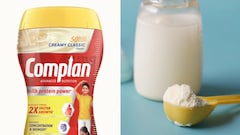 Reported by Sneha MordaniThursday | October 22, 2026 , New Delhi
The Food Safety and Standards Authority of India (FSSAI) sought evidence for the claim that Complan promotes '2 times faster growth'.
 Written by Nikita NikhilWednesday | October 21, 2026
From homemade Greek yoghurt to fermented amla, here are four expert-recommended options to try, along with tips on preparing them at home.
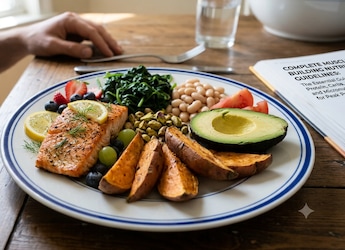 Written by Sambhav KumarWednesday | October 21, 2026
Potassium is vital for muscle function, nerve signaling, and fluid balance, especially for those who exercise regularly.
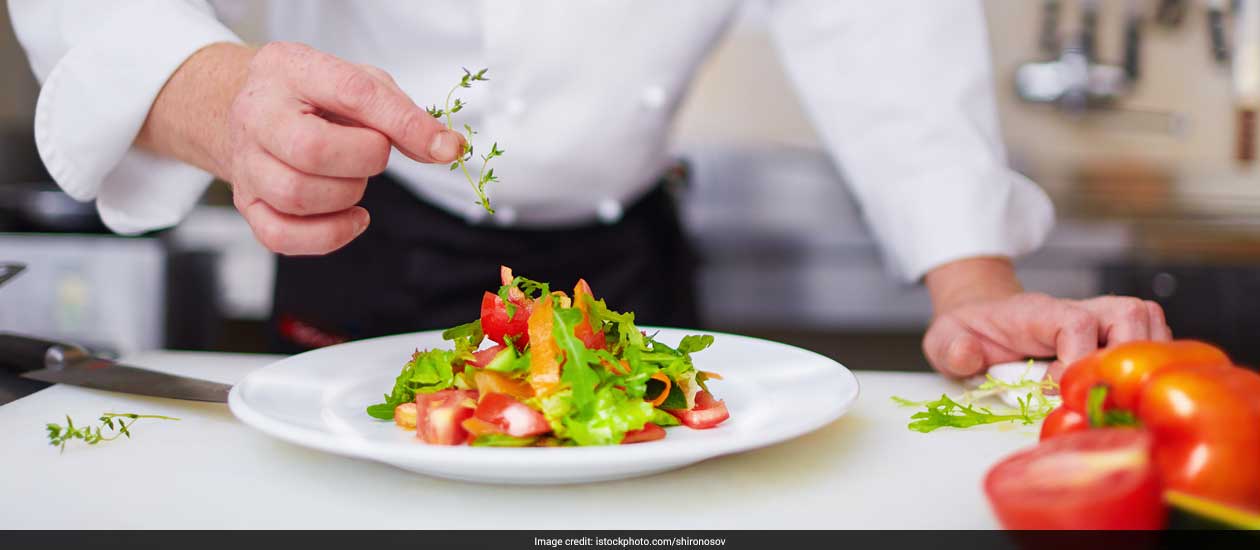 Written by Sambhav KumarWednesday | October 21, 2026
Culinary medicine integrates nutrition science with cooking education to help patients make healthier food choices and manage chronic diseases.
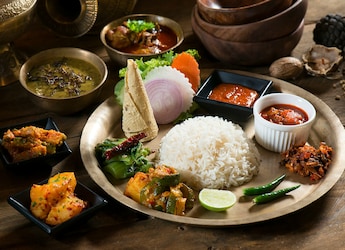 Written by Ambika Singh KahmaWednesday | October 21, 2026
From traditional gulgulle to millet-based appetisers and air-fried snacks, festive eating is evolving. But healthier-sounding ingredients do not always translate into healthier diets.
 Written by Shreya GoswamiTuesday | October 20, 2026
A new Indian review estimates osteoporosis prevalence at 14.6% among men in the studies analysed.
 Written by Dr Sonali KohliTuesday | October 20, 2026
Fine particulate matter, the PM2.5 you hear about in air quality reports, is small enough to settle on the skin and even penetrate it. These particles, along with ozone and traffic-related pollutants, generate what we call oxidative stress.
 Written by Vishesh NagarMonday | October 19, 2026
Published in the Official Gazette on October 16, the draft amendment will be reviewed after FSSAI considers feedback from stakeholders.
 Written by Shreya GoswamiTuesday | October 20, 2026
From sedentary lifestyles and vitamin D deficiency to poor diets, discover why young Indians must prioritise bone health and the warning signs they should never ignore.
 Written by Sambhav KumarMonday | October 19, 2026
Actor Tiger Shroff survived an assassination attempt when gunmen fired at his car in Mumbai. Recently, on Instagram he shared a video showing his transformation and his fitness levels.
 Written by Varsha GoreyMonday | October 19, 2026
Young, fit-looking people are showing up in cardiology clinics with arrhythmias and elevated troponins. Is excessive supplementation to blame?
 Reported by Sneha Mordani, Edited by Jigyasa KakwaniSunday | October 18, 2026
FSSAI has issued notices to Hindustan Unilever over allegedly misleading claims made for two Horlicks products: Women's Plus Chocolate Nutrition Drink and Mother's Plus Kesar.
 Edited by NDTV Lifestyle DeskSunday | October 18, 2026
The actor shared her upper-body workout and encouraged women to focus on strength training, nutrition and rest during menopause.
 Written by NDTV Health DeskMonday | October 19, 2026
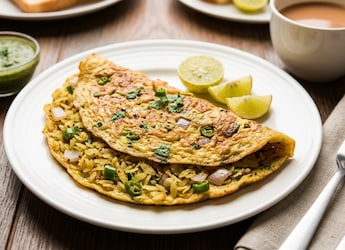
Nutritionist Rashi Chowdhary suggests adding protein to everyday Indian breakfasts instead of giving up familiar foods. From adding paneer to poha to pairing idli with more sambar, she shares ways to balance meals.
 Written by Nikita NikhilFriday | October 16, 2026
Both flours are popular vrat staples, but their nutritional profiles differ. Here's what research says about which one may help keep hunger at bay for longer.
 Written by NDTV Health DeskSaturday | October 17, 2026
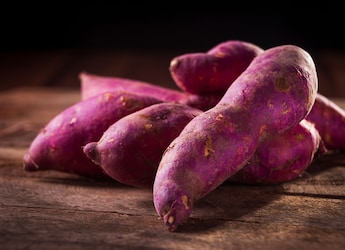
Mukherjee highlighted the nutritional benefits of sweet potatoes, which are rich in fibre, potassium and beta-carotene.
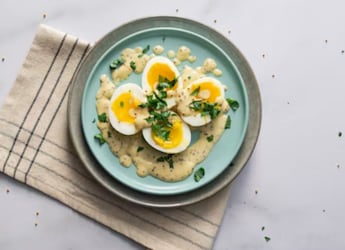 Written by Debosmita GhoshThursday | October 15, 2026
While eggs are nutritious, there are concerns about their cholesterol content which makes people cautious about eating them regularly. Some people prefer to eat only egg whites, while others include whole eggs in their daily diet.
 Written by NDTV Health Desk , Edited by Debosmita GhoshSaturday | October 17, 2026
Many women take iron tablets for months but their blood test results show little improvement.
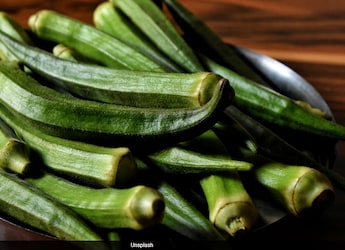 Written by NDTV Health Desk , Edited by Debosmita GhoshFriday | October 16, 2026
Dr Saurabh Sethi explains how okra's soluble fibre may support digestion, gut health and cholesterol management.
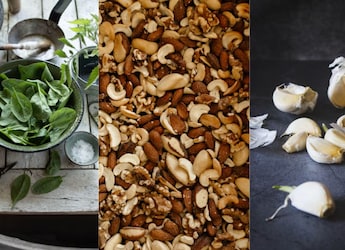 Written by Debosmita GhoshWednesday | October 14, 2026
The body needs a steady supply of essential nutrients to produce immune cells, fight infections and repair damaged tissues. Vitamins, minerals, antioxidants, protein and fibre all play an important role in maintaining overall health.
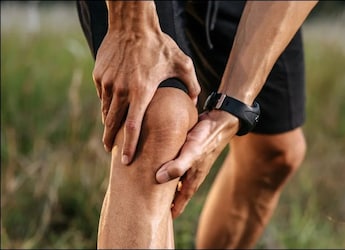 Written by Dr Ankur SinghThursday | October 15, 2026
Most importantly, persistent pain should not simply be attributed to the weather. Significant swelling, prolonged morning stiffness, restricted movement, joint instability or pain that interferes with everyday activities warrants medical evaluation.
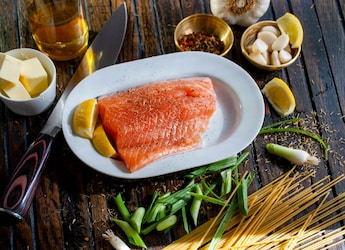 Written by NDTV Health DeskThursday | October 15, 2026
While some health concerns need medical care, small changes in habits can also make a difference.
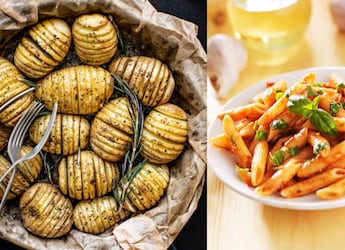 Written by NDTV Health Desk , Edited by Debosmita GhoshThursday | October 15, 2026
From pasta and pizza to granola and Hakka noodles, the nutritionist shares simple alternatives that can help you make more mindful food choices.
 NDTV News Desk | Thursday April 02, 2020
Prime Minister Narendra Modi today announced a total lockdown in India from midnight for 21 days to fight the spread of coronavirus.
- NDTV News Desk | Friday April 03, 2020
India must also straight away allow internationally-recognized testing kits to be used here - these are already in use in the USA and Europe (do not delay by waiting for Indian clearance).
- Written by Garima Arora | Sunday April 12, 2020
Coronavirus outbreak: Take necessary precautions. Practise personal hygiene and social isolation. Utilise this time to do all the things you never found the time to do earlier. Here are some more tips to maintain your mental health by Psychiatrist Dr Sanjay Chugh
- NDTV News Desk | Thursday April 02, 2020
Hopefully, you are following social distancing and not mingling, especially with large groups or in crowded places. Can wearing a mask help? Here's what doctors say:
- NDTV News Desk | Thursday April 02, 2020
People across the world are worried about the rising cases of COVID-19, a highly contagious disease caused by the Novel Coronavirus that was first detected in China's Wuhan in December last year. What should you do if you're feeling any little ill, flu-ish and you are worried that you have symptoms of coronavirus?
- Edited by Deepshikha Ghosh | Thursday April 02, 2020
Coronavirus India: Airlines have been asked to ensure distance at check-in counters and enough space as passengers wait for their flights
- Dr P Raghu Ram | Thursday April 02, 2020
With some 400 positive cases within a population of 1.3 billion, the burning question in the minds of many is whether India is under-reporting. Until a couple of days ago, there were strict, conservative criteria for COVID 19 testing.


Soap or sanitizer?
Soap and water is still the best way to clean your hands. Wash your hands often with soap and water for at least 20 seconds.

How to wash with soap
Wash hands with warm or cold water. Lather soap to get it on the backs of hands, between fingers and under finger nails before rinsing off. According to the Centres for Disease Control and Prevention, the time spent should be 20 seconds (or the time taken to sing the “Happy Birthday” song from beginning to end twice).

What is the right sanitizer?
If soap and water are not available, use a hand sanitizer with at least 60 per cent alcohol.

How to use sanitizer
The hand sanitizer should be applied to one palm before rubbing the hands together. While rubbing, the gel should be spread all over the hands and fingers, covering all surfaces until completely dry.

Can we use anything else to disinfect?
Cleansers and wipes are effective in cleaning and disinfecting objects and surfaces that are frequently touched.

Why alcohol-based sanitisers?
Alcohol is effective at killing different types of microbes, including both viruses and bacteria. Coronavirus is the type of virus with an outer wrapping, called an envelope, which alcohol can kills.

Is Vodka ok to use as sanitizer?
Despite many DIY sites and programmes suggesting it, vodka doesn’t have enough alcohol content to effectively kill microbes.


